Is ED Temporary or Permanent? What Causes Short-Term Erectile Dysfunction
Erectile dysfunction can be temporary, persistent but treatable, or related to causes that are more difficult to reverse. The useful question is what is causing it and whether that cause can be addressed.
Here is the distinction that matters. Temporary erectile dysfunction is difficulty tied to something passing: a stressful stretch, a heavy drinking period, poor sleep, illness, or a medicine recently started. Persistent erectile dysfunction continues because its cause continues, most often reduced blood flow through the arteries and blood vessels.
The first group resolves when the cause resolves. The second does not resolve on its own but responds to treatment in the large majority of cases, so even that group is rarely a dead end.
One thing worth knowing before the details. No UK regulator publishes a duration threshold that separates temporary from persistent. UK clinical information uses the concept of persistent difficulty, but there is no NICE or MHRA rule saying that a specific number of weeks or months separates temporary from persistent ED. So the classification comes from the pattern and the cause, not from a calendar, and any page giving you a precise cut-off is inventing one.
Assessment of erectile dysfunction includes a medical and sexual history and, where appropriate, a physical examination. A healthcare professional may also look for underlying conditions such as cardiovascular disease, diabetes or mental health problems. Psychological factors such as performance anxiety or depression can contribute, as can alcohol, recreational drugs, poor diet, excess weight and lack of exercise.
Treatment of erectile dysfunction often involves addressing the underlying cause. This may include lifestyle changes such as losing weight if appropriate, eating a healthy diet, reducing alcohol consumption, stopping smoking and increasing physical activity. PDE5 inhibitors such as sildenafil can improve erections by enhancing blood flow to the penis. Counselling or psychological therapy may also help when psychological factors contribute.
Temporary erectile dysfunction can also be situational, where difficulties arise only in certain circumstances, often linked to psychological issues or relationship factors involving a partner. Early diagnosis and treatment can improve function and reduce the risk of progression to persistent erectile dysfunction.
In summary, understanding the causes, including medical conditions, psychological issues, and lifestyle factors, is key to managing and treating temporary erectile dysfunction effectively.
Key things to know
- Erectile dysfunction can be temporary or persistent, and persistent ED is often treatable.
- No UK regulator defines a number of weeks that separates temporary from persistent. The pattern and the cause do that work.
- Clinical guidance defines ED in terms of persistent difficulty attaining and maintaining an erection, so occasional difficulty does not necessarily mean someone has ED.
- MHRA documentation states that "drinking excessive alcohol can temporarily reduce a man's ability to get an erection".
- MHRA documentation states that psychological factors can contribute to ED, either on their own or alongside physical causes.
- Continuing morning or spontaneous erections can be a useful clue that the problem may be situational, but they do not by themselves establish the cause.
- MHRA documentation states that anyone whose symptoms have not improved after taking treatment on several consecutive occasions, or whose difficulty worsens, should consult their doctor.
Is ED temporary or permanent?
Usually temporary or treatable. A practical way to think about ED is to separate it into three broad patterns:
| Pattern | What it may look like | General outlook |
|---|---|---|
| Temporary | Linked to a passing factor such as stress, alcohol, illness or tiredness | May improve when the factor resolves |
| Persistent but treatable | Continues because an underlying cause remains | Often responds to appropriate treatment |
| More difficult to reverse | Associated with established nerve, vascular or other damage | Treatment may improve symptoms even when the underlying damage cannot be reversed |
Most people asking whether their erectile dysfunction is permanent are in the first or second group. The third is real but the smallest, and even their treatment adds something.
Is erectile dysfunction temporary, and can ED be temporary?
Yes, and temporary difficulty is more common than the persistent kind at any age.
Temporary erectile difficulty can occur when an otherwise functioning erection mechanism is affected by something short term. Once the interference stops, sexual function returns without treatment. Alcohol, tiredness, a stressful few weeks and being unwell all do this without causing lasting change.
MHRA documentation uses exactly this framing for alcohol, stating that "drinking excessive alcohol can temporarily reduce a man's ability to get an erection". The word temporarily is the regulator's, not a reassurance invented for a website.
Temporary erectile dysfunction often relates to lifestyle risk factors such as too much alcohol consumption, use of illegal drugs, or carrying excess weight beyond a healthy weight. These factors can impair blood flow, which is essential for achieving an erection, or affect nerve signalling critical for erectile function.
Psychological factors such as stress, anxiety, low self-esteem and performance anxiety can contribute to ED. Counselling or psychological therapy may help when these factors are involved.
Medical and history, including details about activity and relationships with a partner, help healthcare providers identify underlying conditions or risk factors contributing to temporary erectile dysfunction.
Men's health specialists in medicine emphasise that temporary erectile dysfunction is common among young men and older men alike, often linked to modifiable risk factors like alcohol dependence, stress levels, and unhealthy lifestyle habits.
Low testosterone can contribute to sexual symptoms in some men. Testosterone treatment is only appropriate when clinically confirmed low testosterone and relevant symptoms have been assessed by a healthcare professional.
Addressing underlying conditions such as cardiovascular disease, diabetes, or neurological issues is crucial, as these can cause or worsen erection problems.
In summary, temporary erectile dysfunction is usually reversible with lifestyle changes, medical review, and appropriate treatment, including medications prescribed by a qualified healthcare provider.
There is no official duration threshold
There is no official rule that says, for example, three weeks means temporary while three months means permanent.
NICE defines erectile dysfunction as the persistent inability to attain and maintain an erection. That definition uses the word persistent without attaching a number of weeks or months, and MHRA documentation gives no minimum symptom duration before treatment becomes appropriate.
So "three weeks means temporary, three months means permanent" is not a rule drawn from NICE or MHRA guidance. Any figure of that kind presented as official is not sourced from UK regulatory guidance. What replaces the missing number is the pattern, which is more useful anyway.
Signs ED is temporary
Five signs point towards temporary, and morning erections are the strongest of them.
- Morning or spontaneous erections are still occurring. This can be a useful clue, although it does not by itself identify the cause.
- Some occasions are unaffected. A pattern that varies between situations can suggest a situational component.
- There is an identifiable change that came first. For example, a stressful period, poor sleep, illness, heavy drinking or a newly started medicine.
- The difficulty began suddenly. Sudden onset can sometimes point towards a recent trigger.
- There are no other new health symptoms. New symptoms such as breathlessness, unexplained weight loss, excessive thirst or persistent fatigue should prompt medical assessment.
If these features are present, it is worth arranging an assessment rather than simply waiting, because persistent ED can have treatable underlying causes.
Signs it may not be temporary
Four signs point the other way, and they are the mirror image of the list above.
| Sign | Why it matters |
|---|---|
| Morning erections reduced or absent | They do not depend on conscious input, so their loss points to the mechanism itself |
| Nearly every occasion affected | Consistency suggests a structural rather than situational cause |
| Gradual reduction over months or years | Gradual worsening over months or years. This can occur with underlying vascular or other chronic conditions. |
| Other health markers changing too | Breathlessness, thirst, frequent urination, unexplained weight loss or new fatigue |
If these features are present, it is worth arranging an assessment rather than simply waiting, because persistent ED can have treatable underlying causes.
One more distinction sits inside this group. Difficulty that started within weeks of a new prescription can look persistent while being fully reversible, because the cause continues only while the medicine does. That is why a medicine review comes before any conclusion about permanence.
Common causes of short-term erectile difficulty
Five causes account for nearly all short term difficulty, and all five are things that pass or can be changed.
Temporary ED causes, grouped by how quickly they clear
| Cause | How it interferes |
|---|---|
| Stress, anxiety or low mood | Can interfere with arousal and the physiological processes involved in erection |
| Alcohol | Excessive alcohol can temporarily impair erectile function |
| A recently started medicine | Some medicines can contribute to ED as a side effect |
| Poor sleep | Sleep disruption and exhaustion can affect sexual function |
| Illness or exhaustion | Being unwell or very tired can temporarily reduce sexual function |
The NICE evidence summary states that it is important to identify any underlying disease or condition that may be causing erectile dysfunction. That applies to temporary cases too, because the fastest route to resolution is naming the interference rather than treating around it.
Temporary ED from stress
Stress-related difficulty may improve as the stressor settles, although the problem can persist if anxiety about sexual performance develops.
Stress produces adrenaline, which acts on the sympathetic nervous system and keeps the arteries in erectile tissue constricted at rest. An erection requires those same arteries to widen, so worry works directly against the mechanism through a known pathway rather than merely distracting.
MHRA documentation records that "psychological causes account for 1 in 10 cases of erectile dysfunction". That figure cuts both ways. Stress is a genuine cause worth taking seriously, and around nine in ten cases have a physical component, so assuming stress without checking the physical side risks missing something treatable.
One complication is worth naming. A run of difficult occasions can create worry about the next one, and that worry acts through the same adrenaline pathway independently of whatever started it. The loop can outlast its original cause, which is why stress related difficulty sometimes persists after the stress has gone.
Temporary ED from alcohol
If reducing alcohol does not improve the problem, that does not rule alcohol out completely, but it is a reason to consider other contributing factors as well.
MHRA documentation states directly that "drinking excessive alcohol can temporarily reduce a man's ability to get an erection". The mechanism has two parts: alcohol lowers blood pressure, reducing the pressure available to fill and hold erectile tissue, and it dulls the nerve signal that starts the process.
The UK Chief Medical Officers' guidance, published in August 2016, states that "to keep health risks from alcohol to a low level it is safest not to drink more than 14 units a week on a regular basis", and that anyone regularly drinking that much should "spread your drinking evenly over 3 or more days".
Two honest limits. If drinking has been heavy over years rather than weeks, some effect may be through nerve or vascular change, which does not resolve as quickly. And if reducing alcohol produces no change over several weeks, it was probably not the main driver, which is useful information rather than a failure.
Temporary ED after medication
Medicine related difficulty is reversible in most cases, but it resolves after a prescriber review rather than on its own, because the cause continues while the medicine does.
The NICE evidence summary names antihypertensive drugs among the causes, and thiazide-like diuretics and beta blockers have the longest recognised association. Timing is the clue: difficulty that began within weeks of a new prescription is more likely medicine related than coincidental.
One important exception. In a Drug Safety Update published on 11 May 2026, the MHRA strengthened warnings about sexual dysfunction associated with finasteride, noting that it may persist after treatment is stopped. The update also provides safety advice concerning dutasteride.
Never stop a prescribed medicine on your own to test this. Stopping a blood pressure or heart medicine carries real risk, larger than the problem you are trying to solve. Take the question to the prescriber, who can often switch within the same treatment step.
Other short term causes
Poor sleep, illness and exhaustion belong in the same group and are frequently overlooked because they seem too ordinary to matter.
Sleep affects the nerve signalling and the hormonal background that makes the process likely to start. Being unwell disrupts both temporarily, and sustained exhaustion does the same more slowly. These are worth taking seriously precisely because they are easy to fix. If the difficulty clearly tracks a period of poor sleep, illness or exhaustion, addressing those factors may help. If the problem persists, medical assessment is appropriate.
Situational erectile dysfunction
Situational erectile dysfunction means difficulty that occurs in some circumstances and not others. It is one of the clearest indicators that the mechanism itself is working.
The logic is simple. If erections occur normally in some circumstances, that suggests the body's erection mechanisms are capable of working, although it does not by itself establish the cause of the difficulty.
That is why consistency matters more than severity. Someone with difficulty on nearly every occasion and someone with difficulty on a third of occasions may describe the same firmness, but they are in different groups and need different assessments.
Situational difficulty still deserves a physical check. Alcohol, tiredness and a recently started medicine all produce situational patterns, and none of them is psychological.
Occasional erectile dysfunction: is it a condition?
Not necessarily. NICE defines erectile dysfunction as the persistent inability to attain and maintain an erection, and occasional difficulty does not meet that definition.
That is not a technicality, because it changes what should happen next. Occasional difficulty during a stressful month, after drinking, when exhausted or while unwell is a normal physiological response and resolves when the cause does.
What is worth acting on is increasing frequency. Difficulty on one occasion in ten becoming one in three over a year is a trend rather than an event, and a trend is worth investigating even while each occasion still looks occasional.

Can ED go away on its own?
Sometimes, and it depends entirely on whether the cause goes away on its own too.
Three different answers, depending on the cause:
- Yes, without any intervention. Where the cause is alcohol, sleep, short lived stress or illness. Function returns when the cause passes.
- Yes, but only after a change is made. Where the cause is a contributing medicine. It will not resolve while the prescription continues, but usually resolves after a prescriber review.
- No, and it tends to progress slowly. Where the cause is arterial. Untreated vascular change does not reverse on its own, though it responds well to treatment and to artery protection.
That third group is why waiting indefinitely is a poor strategy. For a fuller answer on this question, including how recovery tends to unfold, see our guide to whether ED can go away on its own.
Is ED reversible?
Frequently, and more often than most people assume when they first search.
Reversibility depends on how much of the cause can be removed. Where the whole cause is removable, function returns fully. Where part of it is established arterial change, that part does not reverse, the symptoms may still improve substantially with appropriate treatment. Two distinctions are worth holding onto.
A permanent cause does not mean a permanent symptom. Established arterial narrowing does not reverse, yet the difficulty it produces frequently improves substantially with treatment.
Untreated does not mean untreatable. Where nothing has been assessed, nothing is known about reversibility. That question is answered by assessment, not by waiting to see.
Temporary erectile dysfunction treatment
For genuinely temporary difficulty, the treatment is usually removing the cause rather than taking anything. That is the honest answer even though it is not a commercial one. Four steps, in this order:
- Name the interference. Alcohol, sleep, stress, illness, or medicine started recently. Being specific matters more than being thorough.
- Remove or reduce it, taking any prescription question to a prescriber rather than acting alone.
- Give the suspected cause some time to improve, depending on what it is.
- Get the basics measured if it does not improve: blood pressure, cholesterol and blood glucose. That is what separates temporary from persistent practice.
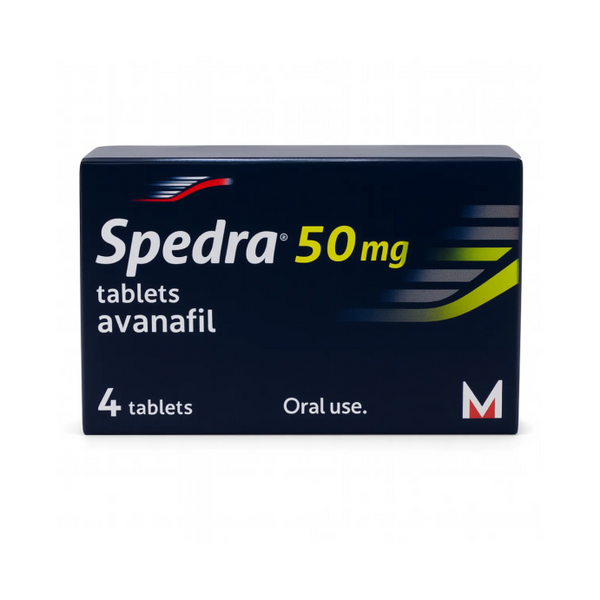
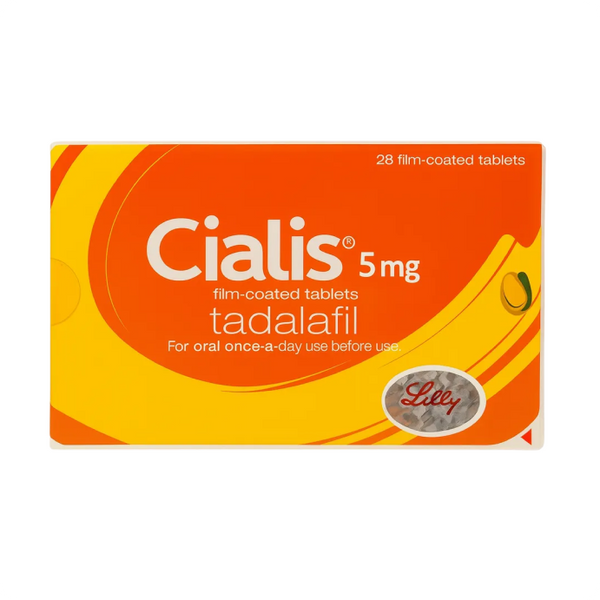
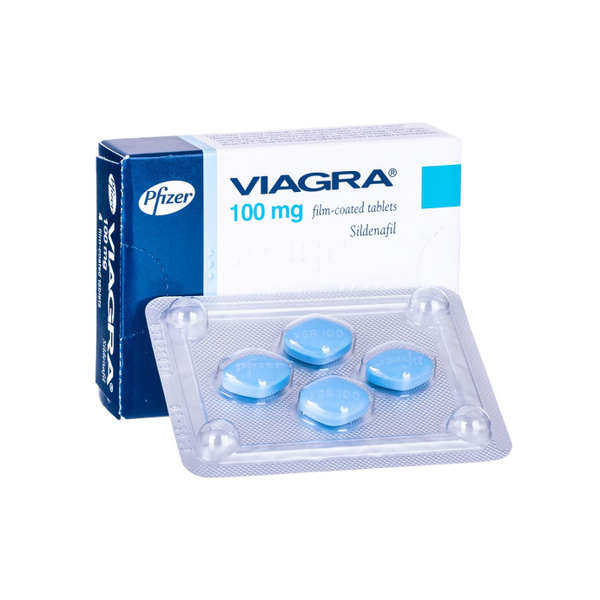
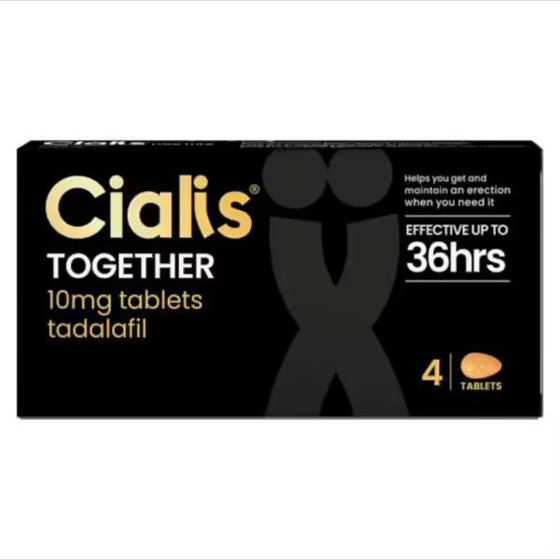
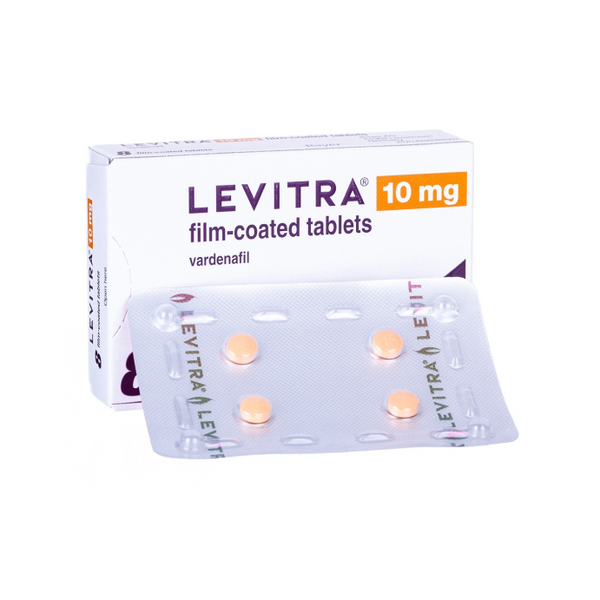
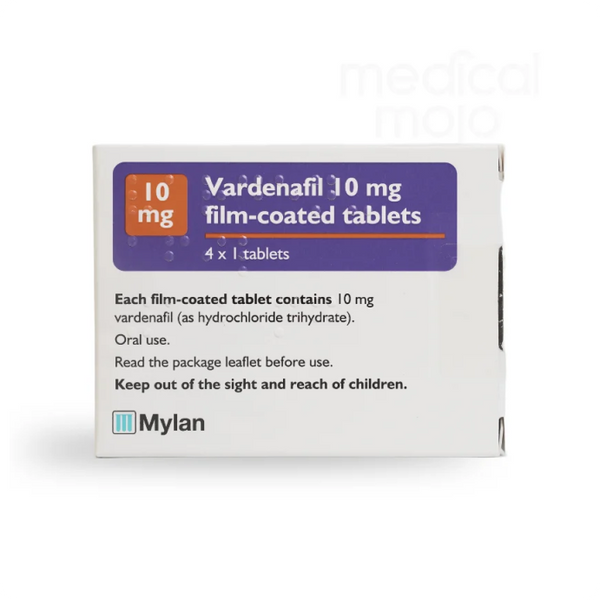
Where difficulty turns out to be persistent rather than temporary, the NICE evidence summary describes first line drug treatment as an oral PDE5 inhibitor, naming avanafil, sildenafil, tadalafil and vardenafil, and states that addressing lifestyle and other possible causes must precede or accompany drug treatment. Before or alongside, not instead of.
Treatment suitability depends on an individual clinical assessment, and these medicines should only be used under the supervision of an appropriately qualified prescriber. Results vary between individuals.
One absolute limit. MHRA documentation states that sildenafil cannot be used at the same time as nitrates or nitric oxide donors, because the combination can lead to a dangerous fall in blood pressure. It also states that anyone taking alpha blockers must consult their doctor first.
When to stop waiting
If you are taking sildenafil and your symptoms have not improved after several consecutive occasions of treatment, or your ED worsens, MHRA advice is to consult a doctor.
If you are not taking treatment, there is no equivalent official number of occasions or weeks that tells you when ED has become permanent. However, worsening symptoms, reduced spontaneous erections, or persistent difficulty are good reasons to arrange a medical assessment rather than continuing to wait.
- Several weeks with no improvement after the suspected cause has been dealt with
- Any worsening, which is the MHRA trigger above and applies whether or not you are taking anything
- Morning erections reducing, which moves the picture out of the temporary group
MHRA documentation also states that all men with erectile dysfunction should be advised to consult their doctor within six months for a clinical review. That applies even where difficulty has resolved, because the review is about the cause rather than the symptom.
Red flags: when waiting is the wrong choice
Seek advice promptly if any of the following apply:
- Difficulty has worsened rather than improved.
- Morning erections have reduced or stopped.
- Chest pain, breathlessness or palpitations, especially on exertion.
- You cannot walk briskly for 20 minutes or climb two flights of stairs without becoming breathless.
- Pain in the calves or thighs when walking that eases with rest.
- A change within weeks of starting a new medicine.
- Unexplained weight loss, excessive thirst or frequent urination.
- Pain when you get an erection, or a lump or change in shape or curvature.
- An erection lasting more than four hours, which needs urgent medical attention.
- Persistent low mood, or thoughts of harming yourself.
The cardiovascular items are there because the NICE evidence summary notes that erectile dysfunction may be an early manifestation of coronary artery and peripheral vascular disease. The arteries involved are narrower, so narrowing shows there sooner, and the value of that signal is entirely in acting on it early.
One caution on buying without assessment while you wait and see. The MHRA has also warned about illegal and unlicensed erectile dysfunction medicines, which may contain the wrong dose, undisclosed ingredients or no active ingredient.
To find out whether treatment is appropriate for you, alongside dealing with the cause, you can check your eligibility for erectile dysfunction treatment through an online consultation with UK registered prescribers. EveryDayMeds is a GPhC registered pharmacy, and clinical assessment happens before supply.
Medical Disclaimer
This article is general information and does not replace personalised medical advice. It gives no dosing instructions and should not be used to self diagnose, self prescribe, self medicate, or to start, stop or change any medicine.
The signs and patterns described here are general tendencies rather than diagnostic rules, and cannot establish whether any individual case is temporary or persistent. Erectile dysfunction can have several causes, some needing medical investigation. Suitability for any treatment depends on an individual clinical assessment by an appropriately qualified prescriber, who will consider your medical history, current medicines and cardiovascular health. Any prescription treatment for ED should only be used under the supervision of an appropriately qualified prescriber.
Never take more than the prescribed amount of any medicine, and never take an extra tablet to make up for one that did not appear to work.
If you experience chest pain, an erection lasting more than four hours, sudden vision loss or sudden hearing loss, seek urgent medical attention.
Frequently Asked Questions
Is ED temporary or permanent?
Can ED be temporary?
Is erectile dysfunction temporary?
How long does temporary erectile dysfunction last?
What are the signs ED is temporary?
What causes temporary ED?
How long does temporary ED from stress last?
Does alcohol cause temporary ED?
Can a new medicine cause temporary ED?
What is situational erectile dysfunction?
Is occasional erectile dysfunction a condition?
Can ED go away on its own?
Is ED reversible?
When should I stop waiting to see if it passes?
Can't Get Fully Erect? Soft Erection Causes
Spedra Reviews and Forums: What is Actually Reliable?
Related Posts


Cheap Tadalafil UK: How to Compare Prices Safely