Low Testosterone and ED: Can Low T Cause ED?
Low testosterone can contribute to erectile dysfunction (ED) in some men, and ED can also reflect broader sexual health concerns, but it is not the cause of every erection problem. Testosterone plays an important role in male hormone health, desire and normal erectile function, but erections also depend on healthy blood vessels, nerves, psychological wellbeing and other physiological processes.
This distinction matters for adult men in the UK who are dealing with ED and wondering whether low testosterone is involved, because the right treatment of erectile dysfunction depends on identifying the real cause. A man can have low testosterone and erectile dysfunction at the same time, but the hormone deficiency may be only one part of the problem, and erection problems can also be an early sign of more serious health conditions such as diabetes or cardiovascular disease. Conversely, many men with ED do not have clinically significant testosterone deficiency.
European urology guidance states that erectile dysfunction is common in men with metabolic conditions and that its causes are often multifactorial. It also reports that around 30% of men with ED have co-existing hypogonadism, the medical term for testosterone deficiency. This guide explains the symptoms and causes of low testosterone, how it relates to ED and other health conditions, how testosterone deficiency is diagnosed, which treatments may help, and which lifestyle factors may improve symptoms. Low testosterone should therefore be diagnosed using symptoms, properly performed blood tests and appropriate clinical assessment rather than assuming that ED automatically means testosterone is low.
Can Low Testosterone Cause Erectile Dysfunction?
Yes. Low testosterone can cause or contribute to erectile dysfunction in some men.
Testosterone supports several processes related to male reproductive and hormonal function. When testosterone becomes abnormally low, possible symptoms can include reduced desire, fewer spontaneous or morning erections and erectile dysfunction. These are among the more specific symptoms associated with male hypogonadism in current European guidance.
However, the relationship between testosterone and erections is not simple.
An erection depends on much more than hormone levels. Blood must flow effectively into erectile tissue, nerve signals must function properly and psychological factors can influence the response. Conditions such as diabetes, high blood pressure, cardiovascular disease and obesity can therefore cause ED even when testosterone levels are adequate.
This means that ED due to low testosterone should not be diagnosed from symptoms alone.
What Is Low Testosterone?
Testosterone is an androgen hormone produced mainly by the testes under the control of signals from the brain and pituitary gland.
When the body does not produce enough testosterone to support normal function and this is accompanied by relevant symptoms, the condition may be described as male hypogonadism.
European guidance distinguishes several forms of hypogonadism. A problem can originate primarily in the testes or result from problems affecting the hypothalamus or pituitary system that controls testosterone production. Other forms may be associated with obesity, chronic illness, medicines or metabolic conditions.
Importantly, having one slightly low testosterone measurement does not automatically establish a diagnosis.
A diagnosis requires appropriate symptoms together with consistently low testosterone measurements.
What Does Low Testosterone Do to a Man?
The effect of low testosterone in men can extend beyond erections.
The symptoms vary substantially between individuals and may include hormonal, physical and psychological changes.
More specific symptoms associated with testosterone deficiency include:
- Reduced desire
- Erectile dysfunction
- Fewer spontaneous or morning erections
Other possible features include fatigue, reduced motivation, low mood, reduced physical strength or activity, sleep problems and difficulty concentrating.
The NHS also notes that men experiencing hormone-related problems may report reduced desire, erectile dysfunction, loss of muscle mass, reduced energy, tiredness and mood changes. However, many of these symptoms can have causes unrelated to testosterone.
That overlap is why blood testing is important.
How Does Low Testosterone Affect Erections?
Testosterone contributes to the biological pathways involved in normal erectile function, but it does not work independently.
Healthy erections require coordination between:
- Hormonal signals
- Nerves
- Blood vessels
- Erectile tissue
- Psychological responses
When testosterone is significantly reduced, these processes may become less effective and erectile function may deteriorate.
Low testosterone can also reduce desire. When interest and physiological arousal decline, erections may occur less frequently or become more difficult to achieve.
A reduction in spontaneous or morning erections is another recognised symptom of testosterone deficiency.
However, low testosterone should not automatically be assumed to explain every case of ED because vascular and neurological problems are frequently more important contributors, particularly in men with diabetes or metabolic disease.
Is Low Testosterone a Common Cause of Erectile Dysfunction?
It is a recognised cause, but it is not the most likely explanation for every man with erectile dysfunction.
Current European guidance reports that a proportion of men with ED may have co-existing hypogonadism. However, this does not mean testosterone deficiency is responsible for all of those cases.
Men with low testosterone may simultaneously have:
- Diabetes
- Obesity
- High blood pressure
- Abnormal cholesterol
- Cardiovascular disease
- Reduced physical activity
These conditions can themselves contribute to ED.
For example, European guidance explains that erectile dysfunction in men with type 2 diabetes is frequently driven by vascular and nerve-related disease rather than testosterone deficiency alone.
The most accurate approach is therefore to investigate all likely causes of ED, rather than focusing exclusively on testosterone.
What Are the Signs of ED Due to Low Testosterone?
There is no symptom that can prove an erection problem is caused specifically by low testosterone.
However, testosterone deficiency becomes more plausible when ED appears alongside other characteristic symptoms.
These can include:
- Reduced desire
- Fewer spontaneous erections
- Fewer morning erections
- Persistent erectile difficulties
- Reduced energy or motivation
- Loss of physical strength
- Low mood
Reduced desire, erectile dysfunction and decreased spontaneous or morning erections are considered among the more specific symptoms associated with late-onset hypogonadism.
Even this combination does not establish the diagnosis.
Symptoms must be combined with appropriately measured testosterone levels before hypogonadism is diagnosed.
Can Low Testosterone Cause Weak Erections?
It can contribute to reduced erectile function in some men.
A man with low testosterone may notice erections becoming less reliable or may develop increasing difficulty achieving or maintaining one.
However, weaker erections are also commonly associated with problems affecting circulation, nerves, medicines and psychological wellbeing.
The symptom itself cannot tell you whether testosterone is responsible.
If weak erections persist, an appropriate ED assessment can consider both hormone levels and other potential causes.
Can Low Testosterone Reduce Morning Erections?
Yes.
Decreased spontaneous or morning erections are among the more specific symptoms associated with male hypogonadism.
A persistent reduction in morning erections may therefore be one reason to investigate testosterone levels when other relevant symptoms are also present.
However, morning erection frequency can vary, and a change does not prove that testosterone is low.
Similarly, still experiencing morning erections does not completely rule out either ED or hormone problems.
Doctors consider the overall symptom pattern rather than relying on one sign.
Can Low Testosterone Reduce Desire?
Yes. Reduced desire is one of the clearest symptoms associated with testosterone deficiency.
European guidance describes reduced libido as one of the more specific symptoms of late-onset hypogonadism.
This can help distinguish hormone-related problems from some other causes of ED.
For example, a man with vascular erectile dysfunction may continue to have normal desire but experience difficulty achieving adequate firmness because blood flow is impaired.
A man with testosterone deficiency may experience both reduced desire and erection difficulties.
These patterns are not absolute, but they can provide useful information during assessment.
Can You Have Low Testosterone Without Erectile Dysfunction?
Yes.
Not every man with low testosterone will experience erectile dysfunction.
The symptoms of testosterone deficiency vary, and some men may primarily notice fatigue, reduced desire, reduced physical performance or changes in mood rather than significant erection problems.
Likewise, a man can have erectile dysfunction despite having testosterone levels within the expected range.
This reinforces the fact that low testosterone and ED are related but not interchangeable conditions.
Can You Have Erectile Dysfunction With Normal Testosterone?
Yes, and this is very important.
Erectile dysfunction has many potential causes that have nothing to do with testosterone deficiency.
Possible causes include:
- Cardiovascular and blood-vessel disease
- Diabetes
- High blood pressure
- Neurological conditions
- Medicines
- Smoking
- Psychological factors
- Pelvic injury or surgery
Current European ED guidance treats erectile dysfunction as a multifactorial condition rather than primarily a testosterone disorder.
Testosterone therapy should therefore not be used simply because someone has ED.
European guidance specifically recommends not using testosterone therapy in men whose testosterone levels are normal.
Why Do Low Testosterone and ED Often Occur Together?
One reason is that low testosterone and erectile dysfunction share several common health risk factors.
Obesity is strongly associated with reduced testosterone levels. Metabolic syndrome and type 2 diabetes are also frequently associated with hypogonadism.
These same metabolic conditions can damage blood vessels and nerves, increasing the likelihood of erectile dysfunction.
A man with obesity and type 2 diabetes may therefore have:
Low testosterone because metabolic disease affects hormonal regulation.
At the same time, he may have ED because diabetes and cardiovascular risk factors affect blood flow and nerve function.
Simply raising testosterone may not therefore correct every mechanism contributing to his erection problem.
Can Obesity Lower Testosterone and Cause ED?
Obesity can be associated with both low testosterone and erectile dysfunction.
European guidance states that low testosterone is common in men with obesity and that obesity can contribute to functional suppression of the hormonal system controlling testosterone production.
Excess weight is also associated with diabetes, high blood pressure, abnormal cholesterol and cardiovascular disease, all of which can affect erectile function.
In some men, improving the underlying metabolic problem may help testosterone levels as well as erectile health.
European guidance notes that some forms of functional hypogonadism may potentially improve when underlying factors such as obesity are addressed.
Can Type 2 Diabetes Cause Low Testosterone and ED?
Yes.
Type 2 diabetes has a particularly strong relationship with both conditions.
European guidance states that hypogonadism is frequently associated with metabolic syndrome and its components, including hyperglycaemia, insulin resistance, central obesity and high blood pressure.
Erectile dysfunction is also common among men with metabolic syndrome and type 2 diabetes.
However, ED in diabetes often has several causes. Blood-vessel damage and nerve damage can contribute independently of testosterone levels.
This means treating testosterone deficiency alone may not fully correct diabetes-associated ED.
Does Testosterone Naturally Fall With Age?
Testosterone levels do tend to decline gradually with age, but ageing should not automatically be equated with clinical testosterone deficiency.
The NHS explains that testosterone levels gradually fall from around the age of 30 to 40 and that this gradual change is unlikely to cause significant problems by itself in most men.
European research similarly shows a gradual age-related decline while emphasising that obesity, poor health and other medical conditions are major contributors to late-onset hypogonadism.
Therefore, an older man with ED should not simply assume:
"I am getting older, so my testosterone must be low."
Symptoms need proper investigation.
How Is Low Testosterone Diagnosed in a Man With ED?
Low testosterone should not be diagnosed from symptoms alone or from a single random blood test.
Current European guidance recommends diagnosing late-onset hypogonadism using both characteristic symptoms and biochemical evidence of persistently low testosterone.
Total testosterone should generally be measured:
- In the morning
- Between approximately 7am and 11am
- While fasting
- Using a reliable laboratory test
If a low result is found, testosterone should be measured again on a separate occasion before treatment is started.
European guidelines use a total testosterone level below 12 nmol/L alongside appropriate symptoms as a threshold supporting a diagnosis of late-onset hypogonadism, while clinicians may also assess whether results fall below the laboratory normal range and consider free testosterone in selected cases.
Why Does Testosterone Need to Be Tested in the Morning?
Testosterone concentrations vary during the day.
Levels are generally higher in the morning, which is why standardised morning testing is recommended.
European guidance advises measuring testosterone between 07:00 and 10:00 while fasting and repeating a low measurement before beginning testosterone therapy.
Using consistent testing conditions reduces the risk of incorrectly labelling someone as testosterone deficient.
This is particularly important because unnecessary testosterone treatment can carry risks and may affect fertility.
What Other Tests May Be Needed?
If testosterone is confirmed to be low, further tests can help determine why.
European guidance recommends using hormones including luteinising hormone (LH) and follicle-stimulating hormone (FSH) to help distinguish different types of hypogonadism. Prolactin testing may also be appropriate in selected men, particularly where reduced desire or secondary hypogonadism is suspected, and thyroid hormone assessment may sometimes be relevant.
Additional assessment may consider:
- Diabetes
- Obesity
- Cardiovascular risk
- Medicines
- Chronic diseases
- Pituitary problems
- Liver disease
The aim is not simply to find a low number but to understand why testosterone is low.
Should Every Man With ED Have Testosterone Tested?
Hormone assessment can be useful when testosterone deficiency is suspected, particularly when ED occurs alongside symptoms such as reduced desire or fewer spontaneous erections.
NICE's erectile dysfunction assessment guidance recognises testosterone deficiency as a potentially reversible contributor to ED and a possible factor when treatment response is poor.
Testing decisions should nevertheless be based on the patient's symptoms, medical history, sexual history and clinical assessment, with a physical examination also forming part of assessment where appropriate.
European guidance recommends screening for late-onset hypogonadism in symptomatic men, rather than routinely screening everyone without symptoms.
Does Testosterone Treatment Help Erectile Dysfunction?
It can help some men who have confirmed hypogonadism, particularly those with milder erectile dysfunction.
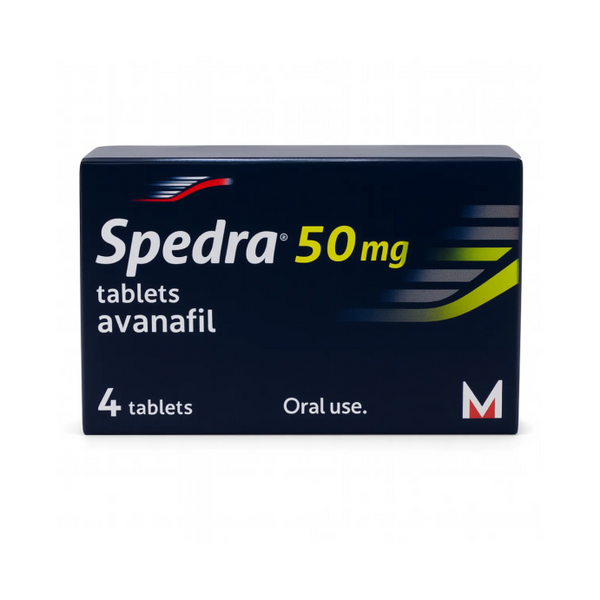
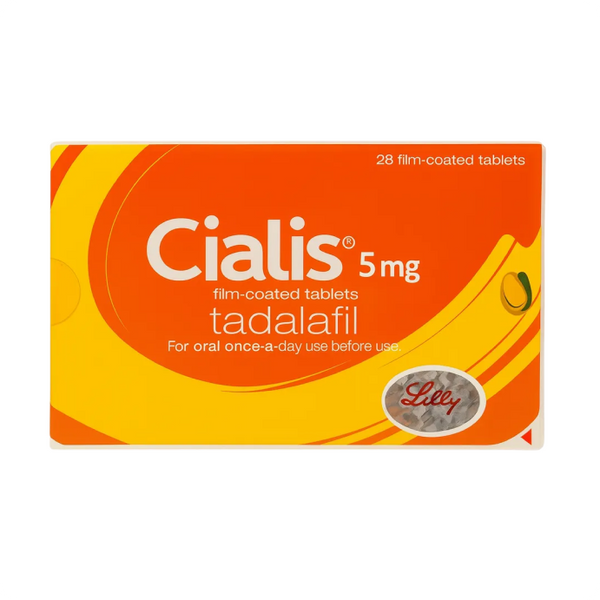
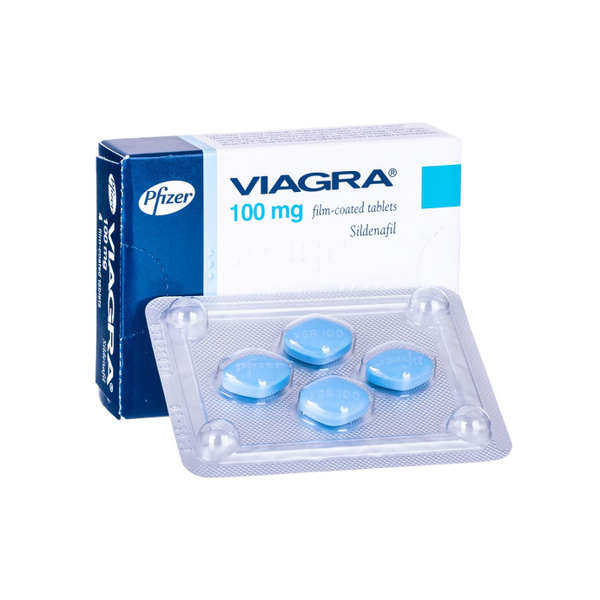
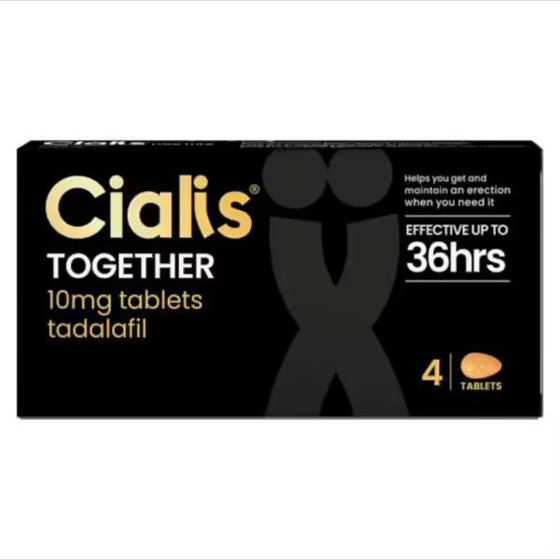
Phosphodiesterase type 5 inhibitors such as sildenafil citrate are standard medical treatments for ED and require sexual stimulation to help produce a penile erection.
European guidance concludes that testosterone therapy can improve milder forms of ED and desire in men with testosterone deficiency. It recommends testosterone therapy as a first-line treatment for hypogonadal men with mild ED.
However, the improvement is not universal.
In men with more severe ED, correcting testosterone alone may not be sufficient because vascular, neurological or metabolic factors may also be contributing.
European guidance therefore allows consideration of testosterone alongside an established PDE5 inhibitor for more severe ED associated with hypogonadism.
Will Testosterone Cure ED?
Not necessarily.
Testosterone replacement treats testosterone deficiency, not every possible cause of erectile dysfunction or broader sexual dysfunction.
If low testosterone is the major contributor to a man's symptoms, restoring hormone levels may improve erectile function.
However, testosterone treatment may improve sexual desire or sexual interest more consistently than erectile quality in some men.
However, if ED is mainly caused by:
- Diabetes-related nerve damage
- Severe vascular disease
- Cardiovascular disease
- Psychological factors
- Medication
- Previous pelvic surgery
Testosterone treatment may provide limited improvement unless these other factors are also addressed.
Some trials in men with diabetes and low testosterone have shown improvements in desire without consistent improvement in erectile function, highlighting how complex the relationship can be.
Can Testosterone Help if ED Tablets Are Not Working?
Low testosterone may sometimes contribute to a poor response to ED treatment.
BSSM guidance recognises testosterone deficiency as a potentially reversible contributor to poor response to ED treatment.
For men who have confirmed hypogonadism and more severe ED, European guidance allows a combination of testosterone therapy and PDE5 inhibitors.
This does not mean testosterone should automatically be added whenever an ED medicine does not work.
First, testosterone deficiency should be properly confirmed and other explanations for poor treatment response should be assessed, including timing, correct use and whether adequate arousal is present.
Should You Take Testosterone if Your Levels Are Normal?
No, testosterone should not be used as a routine ED treatment in men without confirmed testosterone deficiency.
European guidelines give a strong recommendation not to use testosterone therapy in eugonadal men, meaning men with testosterone levels that are not deficient.
Taking testosterone unnecessarily does not address common non-hormonal causes of ED and exposes the user to unnecessary treatment risks.
Erectile dysfunction with normal testosterone should instead be investigated for other causes and treated appropriately.
Can Testosterone Treatment Affect Fertility?
Yes, and this is an important consideration before treatment begins.
External testosterone suppresses the hormonal signals that stimulate sperm production. European guidance states that testosterone therapy can impair spermatogenesis and specifically recommends against its use in men seeking fertility treatment or wishing to become fathers.
Anyone who may want children should therefore discuss fertility plans with a clinician before testosterone therapy is considered.
Other approaches may sometimes be considered when low testosterone occurs alongside fertility concerns.
Does Testosterone Treatment Need Monitoring?
Yes.
Testosterone is a medical treatment that requires appropriate diagnosis, prescribing and ongoing monitoring.
Current European guidance recommends confirming testosterone deficiency with symptoms and laboratory tests before treatment. Monitoring is then needed to evaluate response and identify adverse effects.
Current guidance recommends confirming testosterone deficiency with symptoms and laboratory tests before treatment.
One recognised effect is an increase in haematocrit, the proportion of blood made up of red blood cells. European guidance describes elevated haematocrit as the most common adverse effect of testosterone treatment.
Treatment decisions should consider potential benefits, adverse effects and the individual's cardiovascular and other medical risks.
Can Lifestyle Changes Increase Testosterone and Improve ED?
Lifestyle changes can be particularly relevant when obesity, inactivity or metabolic disease contributes to both low testosterone and ED.
European guidance describes obesity and associated medical conditions as major causes of functional hypogonadism and notes that some suppression of testosterone production may be potentially reversible when underlying conditions improve.
Useful areas to address can include:
- Excess weight
- Physical inactivity
- Diabetes management
- High blood pressure
- Abnormal cholesterol
- Smoking
- Overall cardiovascular health
Lifestyle improvements cannot guarantee that either testosterone levels or erectile function will return to normal.
However, they may address factors contributing to both problems rather than treating each condition separately.
Can Weight Loss Improve Low Testosterone and ED?
It may help some men, particularly when obesity is a major contributor.
Low testosterone is common in men with obesity, and European guidance notes that functional suppression of testosterone production associated with obesity can potentially improve when the underlying condition is addressed.
Weight reduction can also improve several cardiovascular and metabolic risk factors that contribute to erectile dysfunction.
This makes weight management an important consideration when appropriate, regardless of whether testosterone medication is eventually required.
When Should You Seek Medical Advice?
Consider medical assessment if erection difficulties keep happening, particularly when they occur alongside possible symptoms of low testosterone such as reduced sexual interest or decreased libido.
These may include:
- Reduced desire
- Fewer morning erections
- Persistent fatigue
- Reduced strength
- Low mood
- Reduced motivation
Symptoms alone cannot determine whether testosterone is low because many other health and lifestyle issues can produce similar complaints.
The NHS emphasises that symptoms commonly blamed on falling testosterone can also result from stress, depression, anxiety, inadequate sleep, poor diet, lack of exercise and other factors.
A clinical assessment can help distinguish possible testosterone deficiency from other causes and determine whether blood testing is appropriate.
Low Testosterone and Erectile Dysfunction: The Key Takeaway
Can low testosterone cause erectile dysfunction? Yes, but it is only one of several possible causes of ED.
Low testosterone is more strongly suspected when erection problems occur alongside other characteristic symptoms, particularly reduced desire and fewer spontaneous or morning erections.
However, erectile dysfunction is frequently multifactorial. Diabetes, obesity, cardiovascular disease, blood-vessel problems, neurological conditions, medicines and psychological factors can contribute independently or alongside testosterone deficiency.
Low testosterone should therefore not be diagnosed based only on ED. Current guidance recommends confirming relevant symptoms with appropriately timed morning blood tests, with low testosterone measurements repeated before treatment is considered.
For men with confirmed hypogonadism, testosterone treatment may improve desire and some milder forms of erectile dysfunction. It should not, however, be used as a general ED treatment when testosterone levels are normal.
The most effective approach is to identify whether ED is genuinely related to testosterone deficiency, or whether another cardiovascular, metabolic, neurological, psychological or medication-related factor needs attention.
Frequently Asked Questions
Can low testosterone cause ED?
Can erectile dysfunction be caused by low testosterone?
What does low testosterone do to a man?
What is the effect of low testosterone in men?
Does low testosterone always cause erectile dysfunction?
Can you have ED with normal testosterone?
What are signs that ED might be related to low testosterone?
Can low testosterone cause fewer morning erections?
Does testosterone treatment improve ED?
Will testosterone cure erectile dysfunction permanently?
How do you know if testosterone is low?
Can I take testosterone just because I have ED?
Can testosterone treatment affect fertility?
Can ED Be Cured? Curable vs Treatable, Explained
Performance Anxiety and ED: How Are They Linked?
Related Posts


Cheap Tadalafil UK: How to Compare Prices Safely