
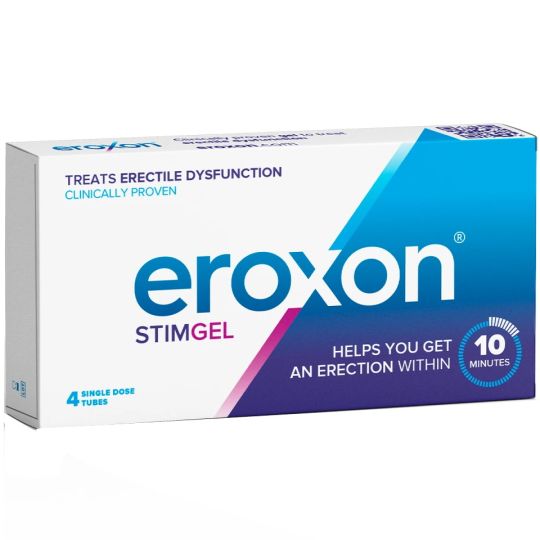
Eroxon Stimgel - 4 Pack
From £19.89
10% OFF
All Treatments
Account
Overview
Account
Overview
Treatments
Account
Understanding how long Viagra lasts becomes crucial when it doesn't work as expected. Many men experience situations where Viagra's typical 4-6 hour duration seems shortened or ineffective, leading to frustration and concerns about treatment failure. The duration of Viagra's effectiveness can be influenced by numerous factors, from timing and dosage to underlying health conditions and lifestyle choices. When Viagra appears to have a reduced duration or fails to work entirely, it's essential to understand the potential causes rather than assuming the medication is ineffective. This comprehensive guide explores why Viagra's duration may be compromised and what steps can be taken to optimise treatment outcomes.
From £19.89
From £3.99

From £28.99

From £22.99

From £27.99

From £44.99

From £23.99

From £8.49
From £32.99


When PDE5 is suppressed, blood is able to flow more freely through the body—including to the (you guessed it) penis.

More blood flow to the penis means harder, more satisfying erections once you're sexually stimulated.
When Viagra doesn't seem to last as long as expected, several physiological and external factors may be at play. The medication's typical 4-6 hour window represents the time sildenafil remains active in your system, not the duration of an erection. High-fat meals consumed before taking Viagra can significantly delay absorption and reduce peak effectiveness, making the active duration feel shorter. Similarly, excessive alcohol consumption can impair blood flow and interfere with the medication's mechanism of action, leading to reduced duration of effectiveness.
Cardiovascular health plays a crucial role in Viagra's duration. Conditions like diabetes, high blood pressure, or atherosclerosis can compromise blood circulation, reducing both the intensity and duration of the medication's effects. Age-related changes in metabolism can also affect how long sildenafil remains effective, with older men sometimes experiencing shorter durations due to slower drug processing and reduced vascular responsiveness.
An inadequate dose is often the culprit when Viagra's duration seems insufficient. Starting with 25mg or remaining on a low dose when 50mg or 100mg might be more appropriate can result in suboptimal duration and effectiveness. However, it's equally important to understand that taking more than prescribed won't extend duration and may increase side effects. The maximum recommended dose is 100mg within 24 hours, and exceeding this doesn't improve duration outcomes.
Timing also affects perceived duration. Taking Viagra too close to sexual activity may not allow sufficient time for peak blood levels to develop, whilst taking it too early may mean levels are declining when needed. The optimal timing is typically 30-60 minutes before sexual activity, allowing for peak effectiveness during the intended timeframe.
Performance anxiety and stress can significantly impact Viagra's perceived duration and effectiveness. When men are anxious about the medication working, the resulting stress response can interfere with normal arousal mechanisms, making it seem as though Viagra isn't lasting as long as expected. This creates a cycle where concern about duration leads to anxiety, which further reduces effectiveness.
Unrealistic expectations can also contribute to the perception that Viagra isn't lasting long enough. Some men expect the medication to maintain readiness for erection throughout the entire 4-6 hour period, when in reality, sexual arousal and stimulation are still required each time. Understanding that Viagra doesn't create constant readiness but rather enables response to arousal can help set appropriate expectations about duration.
Certain medical conditions can significantly reduce Viagra's effective duration. Diabetes often affects nerve function and blood circulation, potentially shortening the time Viagra remains effective. Hormonal imbalances, particularly low testosterone, can reduce sexual response despite adequate Viagra levels in the system. Neurological conditions affecting nerve signals to the penis may also impact both effectiveness and duration.
Sleep disorders, particularly sleep apnoea, can affect overall cardiovascular health and reduce Viagra's duration of effectiveness. Chronic fatigue and stress-related conditions may also impact the body's response to sildenafil, leading to shorter periods of effectiveness than typically expected.
Various medications can interfere with Viagra's duration and effectiveness. Alpha-blockers used for prostate conditions may interact with sildenafil, potentially affecting blood pressure and reducing effective duration. Some antidepressants, particularly SSRIs, can impact sexual function and may reduce the perceived effectiveness and duration of Viagra.
Certain supplements and herbal remedies can also interfere with sildenafil absorption or metabolism, potentially reducing duration. It's crucial to disclose all medications, supplements, and recreational substances during clinical assessment to identify potential interactions that might affect Viagra's duration.
If Viagra consistently fails to provide adequate duration despite proper use, it's important to consult with a healthcare provider rather than increasing doses independently. They may recommend switching to generic sildenafil or adjusting the dosage within safe limits. EverydayMeds offers both branded Viagra and generic sildenafil options, allowing patients to choose based on effectiveness and budget considerations.
Sometimes, switching to a different PDE5 inhibitor with a longer duration of action may be more appropriate. A healthcare provider can assess whether underlying conditions require treatment before ED medication can be fully effective, or whether additional interventions might improve Viagra's duration and overall effectiveness.
It's one of the most common conditions we treat, and one of the most treatable.

Achieve your goals in just a few simple steps.

Select safe UK treatments. Quick answers.

Our expert team will use your consultation as the basis of our recommendation and communicate with you.

We’ll deliver direct to you, as quickly as tomorrow.