
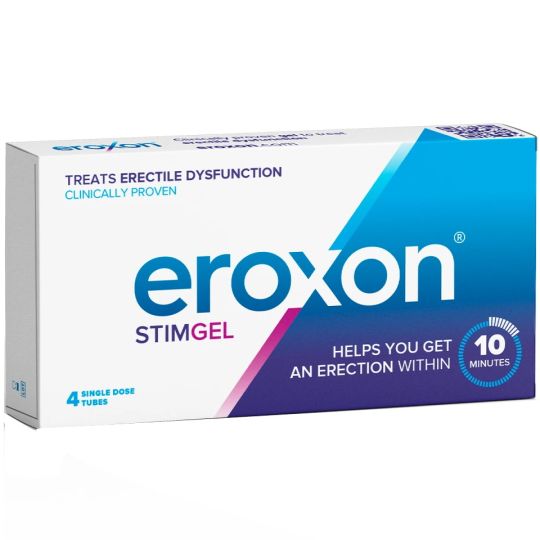
Eroxon Stimgel - 4 Pack
From £19.89
10% OFF
All Treatments
Account
Overview
Account
Overview
Treatments
Account
Understanding when to take Viagra is crucial for achieving optimal results. The timing, dosage, and various factors affecting absorption can significantly impact effectiveness. This comprehensive guide covers evidence-based strategies to help you get the most from your ED treatment, whether you choose branded Viagra or the generic sildenafil alternative available through EverydayMeds.
From £19.89
From £3.99

From £28.99

From £22.99

From £27.99

From £44.99

From £23.99

From £8.49
From £32.99


When PDE5 is suppressed, blood is able to flow more freely through the body—including to the (you guessed it) penis.

More blood flow to the penis means harder, more satisfying erections once you're sexually stimulated.
Viagra (sildenafil citrate) typically begins working within 30-60 minutes after oral administration. The medication reaches peak blood concentration approximately 1-2 hours after taking it, though individual response times may vary. Both branded Viagra and generic sildenafil contain the same active ingredient and follow identical timing patterns. EverydayMeds offers both options, allowing patients to choose based on their preferences and budget.
Food intake significantly affects Viagra's absorption rate. Taking the medication on an empty stomach generally produces faster results, with effects beginning within 30-45 minutes. Heavy or high-fat meals can delay absorption by up to 2 hours, potentially reducing peak effectiveness. If you must eat before taking Viagra, opt for light meals with minimal fat content. This timing consideration applies equally to both Viagra and sildenafil formulations.
The standard starting dose is typically 50mg, taken approximately one hour before sexual activity. Some patients may require dosage adjustment to 25mg or 100mg based on individual response and tolerability. These adjustments should only be made under medical supervision following proper consultation. Never take more than one dose within a 24-hour period, regardless of effectiveness. The maximum recommended dose is 100mg daily.
Moderate alcohol consumption may not significantly impact Viagra's effectiveness, but excessive drinking can impair erectile function and delay the medication's onset. Limiting alcohol to 1-2 units when using ED treatment often produces better results. Smoking can also affect blood circulation, potentially reducing treatment effectiveness. Maintaining good cardiovascular health through regular exercise and a balanced diet may enhance overall treatment outcomes.
Patient response to Viagra timing can vary based on age, overall health, concurrent medications, and psychological factors. Younger patients often experience faster onset times, whilst older individuals may require longer for the medication to take effect. Stress and anxiety can also impact timing and effectiveness. Some patients find that the medication works better on certain days, which is normal and not necessarily indicative of treatment failure.
Whilst Viagra requires advance planning due to its 30-60 minute onset time, the effects can last 4-6 hours, providing a reasonable window for sexual activity. This doesn't mean an erection will last this entire period, but rather that the medication remains active in your system. Planning ahead whilst maintaining spontaneity requires understanding your individual response pattern to the medication.
Several factors can delay Viagra's effectiveness beyond the typical timeframe. These include taking the medication with heavy meals, concurrent illness, increased stress levels, or interaction with certain medications. If you consistently experience delayed results, consult with a healthcare provider who may adjust your dosage or timing recommendations. Remember that both Viagra and sildenafil are available through EverydayMeds following appropriate medical consultation.
Successful treatment timing involves consistent results across multiple uses. Keep track of factors such as meal timing, alcohol consumption, and stress levels to identify optimal conditions for effectiveness. This information can be valuable during follow-up consultations with healthcare providers. Regular monitoring ensures you're achieving the best possible outcomes from your chosen ED treatment, whether branded or generic sildenafil.
It's one of the most common conditions we treat, and one of the most treatable.

Achieve your goals in just a few simple steps.

Select safe UK treatments. Quick answers.

Our expert team will use your consultation as the basis of our recommendation and communicate with you.

We’ll deliver direct to you, as quickly as tomorrow.