
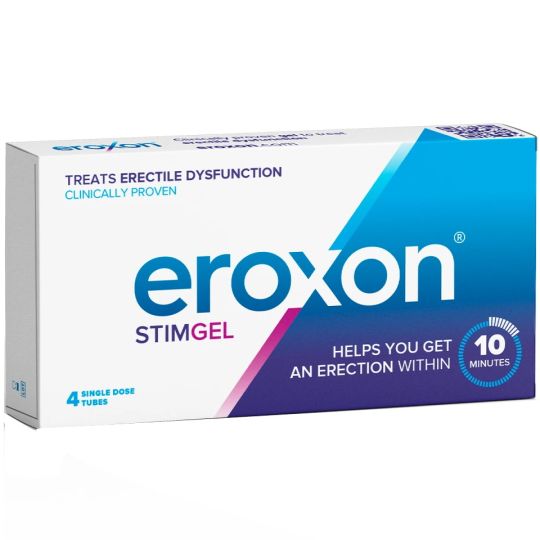
Eroxon Stimgel - 4 Pack
From £19.89
10% OFF
All Treatments
Account
Overview
Account
Overview
Treatments
Account
Finding that sildenafil isn't working as expected can be frustrating and concerning. However, this is more common than you might think, affecting approximately 20-30% of men who try this PDE5 inhibitor. Understanding why sildenafil might not be effective is the first step towards finding a solution. Various factors can influence how well this medication works, from timing and dosage to underlying health conditions and lifestyle factors. The good news is that there are often adjustments that can be made to improve effectiveness, and alternative approaches available through consultation with healthcare professionals.
From £19.89
From £3.99

From £28.99

From £22.99

From £27.99

From £44.99

From £23.99

From £8.49
From £32.99


When PDE5 is suppressed, blood is able to flow more freely through the body—including to the (you guessed it) penis.

More blood flow to the penis means harder, more satisfying erections once you're sexually stimulated.
When sildenafil doesn't work, it's important to understand that this doesn't necessarily mean you have treatment-resistant erectile dysfunction. Research indicates that up to 30% of men may not respond adequately to their initial sildenafil prescription, but many of these cases can be resolved through proper adjustments and guidance.
The most frequent reason for apparent sildenafil failure is improper usage. Many men expect immediate results or don't follow the correct timing guidelines. Sildenafil requires 30-60 minutes to take effect and needs sexual stimulation to work - it doesn't create automatic erections. Taking the medication too close to a large meal, particularly one high in fat, can significantly delay its onset and reduce effectiveness.
Starting with an incorrect dose is another common factor in treatment failure. Most men begin with 50mg sildenafil, but this may not be optimal for everyone. Some men require the lower 25mg dose due to sensitivity or side effects, whilst others may need the maximum 100mg dose for adequate effectiveness. Your prescriber can adjust your dosage based on your response and tolerability.
Timing plays a crucial role in sildenafil's effectiveness. Taking it too early (more than 4 hours before sexual activity) or too late (less than 30 minutes) can result in poor performance. The medication's effects typically peak between 1-2 hours after taking it, making this the optimal window for sexual activity.
What you eat and drink can significantly impact sildenafil's effectiveness. High-fat meals can delay absorption by up to 60 minutes and reduce the medication's peak effectiveness. Excessive alcohol consumption not only interferes with sildenafil's mechanism of action but also contributes to erectile dysfunction independently. Moderate alcohol intake is generally acceptable, but heavy drinking can prevent the medication from working properly.
Smoking is another major factor that can render sildenafil less effective. Tobacco use damages blood vessels and reduces blood flow throughout the body, including to the penis. This vascular damage can be so severe that PDE5 inhibitors like sildenafil cannot overcome the reduced blood flow.
Certain medical conditions can make sildenafil less effective or completely ineffective. Severe diabetes with vascular complications, advanced cardiovascular disease, or hormonal imbalances may require additional treatment beyond sildenafil alone. Low testosterone levels, in particular, can significantly impact erectile function and may need to be addressed separately.
Neurological conditions, recent prostate surgery, or severe psychological factors such as depression or anxiety may also interfere with sildenafil's effectiveness. In these cases, a comprehensive approach addressing the underlying condition alongside ED treatment is often necessary.
Certain medications can interfere with sildenafil's effectiveness or prevent its safe use altogether. Some blood pressure medications, particularly alpha-blockers, can interact with sildenafil and may require careful timing or dosage adjustments. Other medications that affect liver enzymes can alter how your body processes sildenafil, potentially reducing its effectiveness.
It's crucial to inform your prescriber about all medications, supplements, and recreational substances you use, as these interactions aren't always obvious and can significantly impact treatment success.
If sildenafil isn't working for you, don't give up on ED treatment entirely. The first step is to review your usage with a healthcare professional. They may recommend trying the medication for several more attempts with proper timing and conditions, as some men need multiple trials to achieve optimal results.
Your prescriber might suggest increasing your dose to 100mg if you started with a lower amount, or they may recommend trying a different PDE5 inhibitor such as tadalafil or vardenafil. These medications work through similar mechanisms but have different pharmacokinetic profiles that may suit some men better than sildenafil.
At EverydayMeds, patients can choose between branded Viagra and generic sildenafil during checkout, both containing the same active ingredient but offering different options based on personal preference and budget considerations.
When oral medications like sildenafil prove ineffective, several alternative treatments are available. These may include vacuum erection devices, intracavernosal injections, or urethral suppositories. For some men, addressing underlying psychological factors through counselling or therapy can significantly improve treatment outcomes.
Lifestyle modifications should also be considered as part of a comprehensive approach. Regular exercise, weight management, stress reduction, and smoking cessation can all improve erectile function and may make sildenafil more effective in future attempts.
It's one of the most common conditions we treat, and one of the most treatable.

Achieve your goals in just a few simple steps.

Select safe UK treatments. Quick answers.

Our expert team will use your consultation as the basis of our recommendation and communicate with you.

We’ll deliver direct to you, as quickly as tomorrow.