
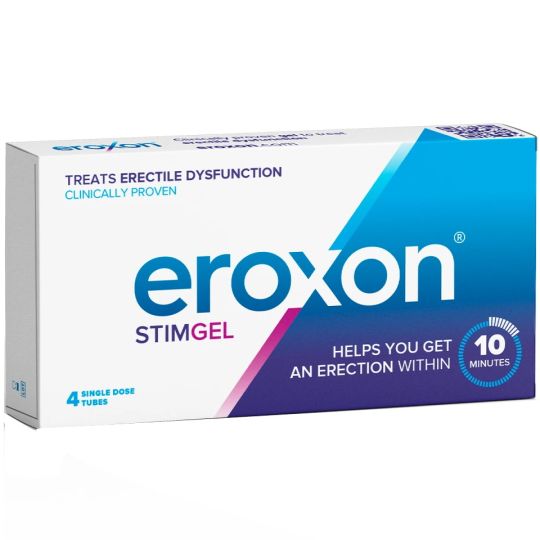
Eroxon Stimgel - 4 Pack
From £19.89
10% OFF
All Treatments
Account
Overview
Account
Overview
Treatments
Account
Sildenafil may not work effectively for various reasons outlined in the British National Formulary (BNF). Understanding why sildenafil might fail to provide expected results can help identify potential solutions or alternative approaches. This comprehensive guide explores common reasons for sildenafil ineffectiveness, dosage considerations, and when to consult healthcare professionals. Both branded Viagra and generic sildenafil contain the same active ingredient and may experience similar efficacy challenges.
From £19.89
From £3.99

From £28.99

From £22.99

From £27.99

From £44.99

From £23.99

From £8.49
From £32.99


When PDE5 is suppressed, blood is able to flow more freely through the body—including to the (you guessed it) penis.

More blood flow to the penis means harder, more satisfying erections once you're sexually stimulated.
When sildenafil fails to produce expected results, several factors may be responsible. The BNF indicates that improper dosing represents one of the most frequent causes of treatment failure. Many patients expect immediate results, but sildenafil typically requires 30-60 minutes to become effective. Taking the medication too close to sexual activity may result in perceived ineffectiveness.
Food intake significantly impacts sildenafil absorption. High-fat meals can delay the medication's onset by several hours, leading to frustration and the mistaken belief that the treatment isn't working. The BNF recommends taking sildenafil on an empty stomach or after a light meal for optimal results.
The standard starting dose of 50mg may not be sufficient for all patients. According to BNF guidelines, doses can be adjusted between 25mg and 100mg based on individual response and tolerability. Some men may require the maximum 100mg dose to achieve satisfactory results, whilst others may need dose reduction due to side effects.
Patients often discontinue treatment after a single unsuccessful attempt, but the BNF suggests that multiple attempts may be necessary. Some individuals require several doses before experiencing optimal effectiveness, as the body may need time to adjust to the medication.
Underlying health conditions can significantly impact sildenafil effectiveness. Diabetes, cardiovascular disease, and neurological conditions may impair the normal physiological response to PDE5 inhibitors. The BNF emphasises that these conditions require comprehensive management alongside ED treatment.
Severe psychological stress, anxiety, or depression can override sildenafil's physical effects. Performance anxiety, in particular, can create a cycle where concern about medication effectiveness actually prevents it from working properly. Both Viagra and sildenafil may experience reduced efficacy in these circumstances.
Certain medications can interfere with sildenafil effectiveness. Alpha-blockers, some antihypertensives, and other drugs may reduce the medication's efficacy or create dangerous interactions. The BNF provides comprehensive interaction information that healthcare providers use to assess treatment suitability.
Alcohol consumption can also impair sildenafil effectiveness. Whilst moderate alcohol intake is generally acceptable, excessive consumption can prevent the medication from working properly and may increase the risk of side effects.
If sildenafil continues to be ineffective after proper dosing and timing adjustments, consultation with a healthcare provider is essential. Alternative treatments may be more appropriate, or additional medical investigation might be necessary to identify underlying causes.
The BNF outlines various treatment options beyond sildenafil, including other PDE5 inhibitors, injection therapies, and mechanical devices. Healthcare professionals can assess whether switching treatments or addressing underlying conditions might improve outcomes.
It's one of the most common conditions we treat, and one of the most treatable.

Achieve your goals in just a few simple steps.

Select safe UK treatments. Quick answers.

Our expert team will use your consultation as the basis of our recommendation and communicate with you.

We’ll deliver direct to you, as quickly as tomorrow.