
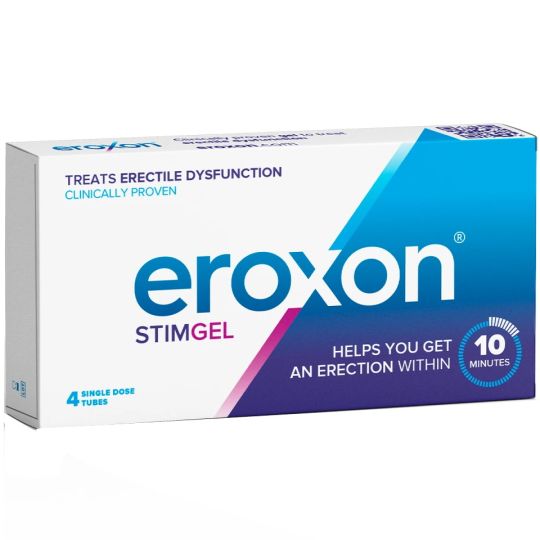
Eroxon Stimgel - 4 Pack
From £19.89
10% OFF
Overview
Account
Overview
Treatments
Account
Viagra demonstrates impressive effectiveness rates, with clinical studies showing it works for approximately 70-80% of men with erectile dysfunction. Understanding what Viagra does and its success rate is crucial when considering treatment options. This medication works by increasing blood flow to the penis during sexual arousal, with effectiveness varying based on individual factors such as dosage, underlying health conditions, and proper usage. EverydayMeds offers both branded Viagra and generic sildenafil, providing patients with choice whilst maintaining the same proven effectiveness rates that have made this treatment a trusted solution for millions of men worldwide.
From £19.89
From £3.99

From £28.99

From £22.99

From £27.99

From £44.99

From £23.99

From £8.49
From £32.99


When PDE5 is suppressed, blood is able to flow more freely through the body—including to the (you guessed it) penis.

More blood flow to the penis means harder, more satisfying erections once you're sexually stimulated.
Viagra's effectiveness stems from its action as a PDE5 inhibitor, blocking the enzyme that restricts blood flow to the penis. Clinical trials consistently demonstrate that approximately 70-80% of men experience improved erections when using Viagra correctly. This success rate represents one of the highest amongst erectile dysfunction treatments, making it the gold standard for ED therapy. The medication works by enhancing the natural erectile response during sexual arousal, rather than creating artificial erections, which contributes to its reliable effectiveness profile.
What makes Viagra particularly effective is its targeted approach to addressing the physiological causes of erectile dysfunction. When sexually aroused, the medication facilitates increased blood flow to penile tissue, helping achieve and maintain erections sufficient for sexual activity. This mechanism explains why success rates remain consistently high across diverse patient populations, from men with mild ED to those with more severe symptoms.
Several key factors determine individual success rates with Viagra. Age plays a significant role, with younger men typically experiencing higher success rates, though studies show the medication remains effective across all age groups. Men in their 40s often see success rates approaching 85%, whilst those over 70 still achieve meaningful improvements in approximately 60-70% of cases. The severity of erectile dysfunction also impacts effectiveness, with men experiencing mild to moderate ED showing higher response rates than those with severe symptoms.
Underlying health conditions significantly influence Viagra's success rate. Men with diabetes may experience slightly lower effectiveness rates due to vascular complications, though studies still show 60-65% success rates in this population. Those with cardiovascular disease require careful evaluation but often achieve good results when medically appropriate. Psychological factors such as anxiety or depression can impact effectiveness, highlighting the importance of addressing both physical and emotional aspects of erectile dysfunction.
Viagra's effectiveness rate can be optimised through proper dosage selection and timing. The standard starting dose of 50mg proves effective for most men, but success rates can improve with dose adjustment. Some men achieve better results with 100mg, whilst others find 25mg sufficient with fewer side effects. Clinical evidence suggests that approximately 30% of men benefit from dose optimisation after initial treatment, potentially increasing success rates from moderate to excellent response.
Timing significantly affects Viagra's effectiveness rate. Taking the medication 30-60 minutes before sexual activity typically yields optimal results, with effectiveness peaking around one hour after consumption. Food intake influences absorption, with high-fat meals potentially reducing effectiveness by delaying onset. Men who take Viagra on an empty stomach often report higher satisfaction rates and more consistent results, contributing to overall treatment success.
EverydayMeds offers both branded Viagra and generic sildenafil, with identical effectiveness rates between the two options. This equivalence is supported by extensive clinical data showing no difference in success rates, safety profiles, or patient outcomes. The active ingredient, sildenafil citrate, remains identical in both formulations, ensuring consistent therapeutic effects regardless of brand choice. Many patients choose generic sildenafil for its cost-effectiveness whilst maintaining full confidence in achieving the same proven success rates.
The decision between branded and generic options often comes down to personal preference and budget considerations rather than effectiveness concerns. Both medications undergo identical quality controls and regulatory approval processes in the UK, ensuring consistent therapeutic outcomes. Clinical studies comparing branded and generic sildenafil consistently show equivalent success rates, with patient satisfaction remaining high across both options.
Long-term studies demonstrate that Viagra maintains its effectiveness over extended periods, with success rates remaining stable for most men. Research following patients over several years shows that approximately 75% continue achieving satisfactory results with consistent use. Some men experience improved effectiveness over time as they become more comfortable with the medication and optimise their usage patterns.
Treatment continuation rates serve as another measure of Viagra's effectiveness, with studies showing that 80-85% of men who achieve initial success continue using the medication long-term. This high continuation rate reflects both effectiveness and tolerability, key factors in treatment success. Men who work with healthcare providers to address any side effects or optimise dosing typically achieve the highest long-term success rates, emphasising the importance of proper medical supervision throughout treatment.
It's one of the most common conditions we treat, and one of the most treatable.

Achieve your goals in just a few simple steps.

Select safe UK treatments. Quick answers.

Our expert team will use your consultation as the basis of our recommendation and communicate with you.

We’ll deliver direct to you, as quickly as tomorrow.