
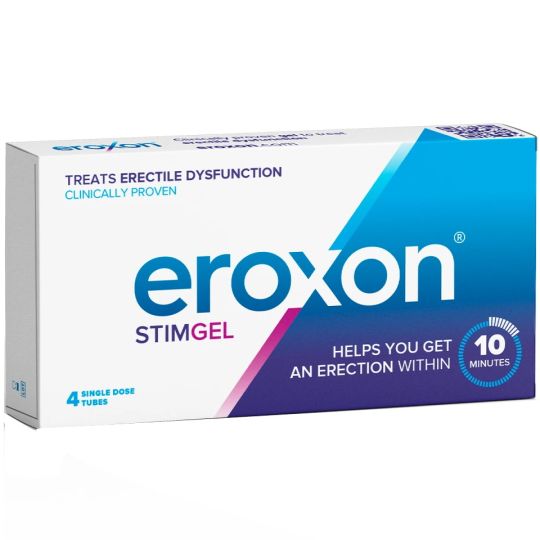
Eroxon Stimgel - 4 Pack
From £19.89
10% OFF
All Treatments
Account
Overview
Account
Overview
Treatments
Account
Viagra demonstrates high effectiveness rates for treating erectile dysfunction, with clinical studies showing success in approximately 70-80% of men. Understanding these effectiveness rates helps inform treatment decisions and set realistic expectations. The medication's proven track record spans over two decades of clinical use, with consistent results across different age groups and underlying health conditions. When considering Viagra for erectile dysfunction treatment, effectiveness rates provide valuable insight into potential outcomes. EverydayMeds offers both branded Viagra and generic sildenafil, allowing patients to choose based on their preferences whilst maintaining identical effectiveness rates.
From £19.89
From £3.99

From £28.99

From £22.99

From £27.99

From £44.99

From £23.99

From £8.49
From £32.99


When PDE5 is suppressed, blood is able to flow more freely through the body—including to the (you guessed it) penis.

More blood flow to the penis means harder, more satisfying erections once you're sexually stimulated.
Viagra's effectiveness rate has been extensively documented through rigorous clinical trials involving thousands of participants. Research consistently demonstrates that approximately 70-80% of men with erectile dysfunction experience improved erections when using Viagra. These success rates were established through randomised, placebo-controlled studies where participants reported significant improvement in their ability to achieve and maintain erections sufficient for sexual activity.
The effectiveness rate varies slightly depending on the underlying cause of erectile dysfunction and individual patient factors. Men with psychogenic erectile dysfunction often show higher success rates, sometimes reaching 85-90%, whilst those with diabetes or cardiovascular conditions may experience effectiveness rates around 60-70%. However, these rates remain substantially higher than placebo responses, confirming Viagra's therapeutic value across different patient populations.
Several factors can influence Viagra's effectiveness rate in individual patients. Dosage optimisation plays a crucial role, with many men requiring 2-3 attempts to establish their optimal dose. Starting with the standard 50mg dose, effectiveness may improve when adjusted to 25mg for those experiencing side effects or increased to 100mg for enhanced response. This titration process means initial effectiveness rates may improve over time as the ideal dosage is determined.
Timing of administration significantly affects success rates. Taking Viagra 30-60 minutes before sexual activity provides optimal effectiveness, whilst consuming large or fatty meals beforehand may delay onset and reduce effectiveness. Men who follow timing guidelines typically report higher success rates compared to those taking the medication immediately before sexual activity or after substantial meals.
Viagra's effectiveness rate shows interesting patterns across different age groups. Younger men, typically those under 50, often experience success rates approaching 80-85%, reflecting the fact that their erectile dysfunction may have fewer underlying vascular or hormonal components. Middle-aged men between 50-65 years demonstrate effectiveness rates around 75-80%, whilst men over 65 may experience slightly lower but still clinically significant success rates of 65-75%.
These age-related variations in effectiveness don't necessarily reflect reduced drug response but rather the increased likelihood of comorbid conditions that can affect erectile function. Diabetes, cardiovascular disease, and certain medications become more prevalent with age, potentially influencing overall effectiveness rates. However, even in older populations, Viagra maintains clinically meaningful success rates that justify its use as first-line treatment.
An important consideration for patients is that generic sildenafil demonstrates identical effectiveness rates to branded Viagra. Both medications contain the same active ingredient in identical concentrations, ensuring equivalent therapeutic outcomes. Clinical studies comparing branded and generic formulations show no statistically significant differences in effectiveness rates, with both achieving the same 70-80% success rate in treating erectile dysfunction.
The choice between branded Viagra and generic sildenafil often comes down to personal preference and cost considerations rather than effectiveness differences. Some patients prefer the familiarity and reassurance of the original branded medication, whilst others opt for generic alternatives to reduce treatment costs whilst maintaining identical therapeutic benefits. EverydayMeds provides both options, allowing patients to make informed decisions based on their individual preferences and circumstances.
Understanding what constitutes treatment success helps contextualise effectiveness rates. Clinical trials typically define success as the ability to achieve and maintain an erection sufficient for satisfactory sexual intercourse. This definition encompasses both the physical response and the practical outcome that matters most to patients and their partners.
Effectiveness rates also consider the consistency of response across multiple attempts. A successful treatment outcome means reliable improvement rather than occasional success. Most men who respond to Viagra experience consistent results with each properly timed dose, contributing to the high satisfaction rates associated with the medication. Studies show that men who initially respond to Viagra typically continue to experience similar effectiveness rates over extended treatment periods.
Several strategies can help maximise individual effectiveness rates with Viagra treatment. Following proper timing guidelines, taking the medication 30-60 minutes before sexual activity, typically produces the best results. Avoiding excessive alcohol consumption and large meals before taking Viagra can also enhance effectiveness rates.
Honest communication with healthcare providers about medical history, current medications, and treatment response helps optimise effectiveness. Some drug interactions or underlying health conditions may affect success rates, and addressing these factors can improve outcomes. Additionally, managing stress and anxiety, which can interfere with sexual function, may enhance overall treatment effectiveness beyond the medication's direct effects.
It's one of the most common conditions we treat, and one of the most treatable.

Achieve your goals in just a few simple steps.

Select safe UK treatments. Quick answers.

Our expert team will use your consultation as the basis of our recommendation and communicate with you.

We’ll deliver direct to you, as quickly as tomorrow.