
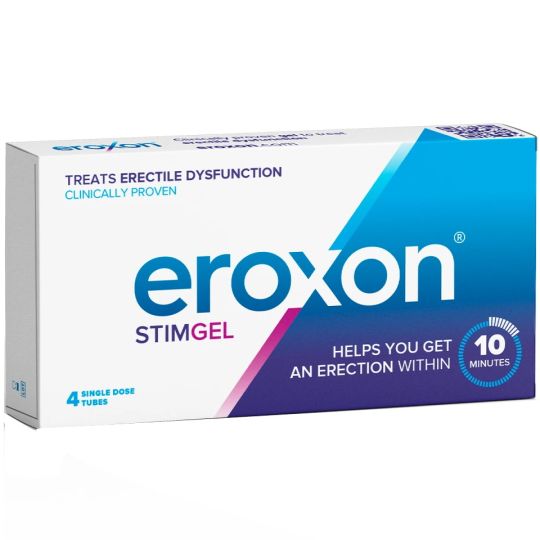
Eroxon Stimgel - 4 Pack
From £19.89
10% OFF
All Treatments
Account
Overview
Account
Overview
Treatments
Account
Understanding the best and worst case scenarios for Viagra in male patients helps set realistic expectations for erectile dysfunction treatment. Whilst many men experience excellent results with Viagra (sildenafil citrate), outcomes can vary significantly depending on individual factors, underlying health conditions, and proper usage. The best cases typically involve men with mild to moderate ED who respond well to standard doses, whilst worst cases may include those with severe underlying health conditions or significant drug interactions. At EverydayMeds, we offer both branded Viagra and generic sildenafil, allowing patients to choose their preferred option following clinical assessment. Proper understanding of these scenarios ensures safer, more effective treatment outcomes.
From £19.89
From £3.99

From £28.99

From £22.99

From £27.99

From £44.99

From £23.99

From £8.49
From £32.99


When PDE5 is suppressed, blood is able to flow more freely through the body—including to the (you guessed it) penis.

More blood flow to the penis means harder, more satisfying erections once you're sexually stimulated.
The optimal outcomes for Viagra in male patients typically occur in men aged 30-60 with mild to moderate erectile dysfunction caused by psychological factors or minor circulation issues. In these best cases, men often respond excellently to the standard 50mg dose, experiencing reliable erections within 30-45 minutes that allow for satisfactory sexual activity. These patients usually experience minimal side effects, perhaps only mild facial flushing or slight headache that diminishes with continued use.
Best case patients often have good cardiovascular health, maintain healthy body weight, don't smoke, and have minimal alcohol consumption. They typically aren't taking medications that interact with sildenafil and have realistic expectations about the treatment. Success rates in this population can exceed 80-85%, with many men reporting significant improvement in both erectile function and sexual confidence. At EverydayMeds, both branded Viagra and generic sildenafil options are available for these patients, with many choosing the more cost-effective generic alternative without compromising effectiveness.
Many men fall into the moderate response category, where Viagra provides beneficial effects but may require dose adjustments or additional considerations. These cases often involve men over 60, those with well-controlled diabetes, or patients with mild cardiovascular conditions. Initial results with 50mg may be partial, requiring careful dose titration to either 25mg (if side effects are problematic) or 100mg (if effectiveness needs improvement).
Moderate cases may also include men taking certain medications that slightly reduce Viagra's effectiveness, such as some blood pressure medications or antidepressants. These patients often achieve good results but may need to plan timing more carefully, avoid large meals before taking the medication, and work closely with their prescriber to optimise their treatment regimen. Response rates in this group typically range from 60-75%, which still represents meaningful improvement for most patients.
More challenging scenarios involve men with multiple underlying health conditions, severe diabetes with nerve damage, or significant cardiovascular disease. These patients may experience reduced effectiveness even with optimal dosing, though some improvement is often still possible. Men who have undergone prostate surgery, particularly radical prostatectomy, represent another challenging group where Viagra may provide limited benefit initially, though effectiveness sometimes improves over time with consistent use.
Patients taking multiple medications face increased complexity, as drug interactions can either reduce Viagra's effectiveness or increase side effect risks. Age-related factors also play a role, with men over 70 sometimes requiring longer for the medication to work and experiencing more variable results. Success rates in these challenging cases may drop to 40-60%, but many men still find meaningful benefit with proper medical supervision and realistic expectations.
The worst case scenarios for Viagra treatment involve patients with absolute contraindications who cannot safely use the medication at all. Men taking nitrate medications for heart conditions face potentially life-threatening blood pressure drops if they use Viagra, making it completely unsuitable. Similarly, those with severe heart disease, recent heart attacks or strokes, or severe liver impairment cannot safely use sildenafil-based treatments.
Other worst case scenarios include men who experience serious side effects such as priapism (prolonged painful erections lasting over four hours), sudden vision or hearing loss, or severe allergic reactions. Whilst these complications are rare, occurring in less than 1% of users, they represent genuine medical emergencies requiring immediate treatment and permanent discontinuation of the medication. Men with hereditary eye conditions affecting the retina also face increased risks and may not be suitable candidates.
Several key factors determine whether a patient will experience best or worst case scenarios with Viagra treatment. Cardiovascular health stands as perhaps the most crucial factor, as erectile function closely relates to blood circulation. Men with good heart health, normal blood pressure, and healthy blood vessels typically achieve better results than those with circulation problems.
Psychological factors significantly influence outcomes, with stress, anxiety, and relationship issues potentially limiting Viagra's effectiveness even when the medication works physiologically. The best cases often involve men who address both physical and psychological aspects of erectile dysfunction, sometimes with counselling support alongside medical treatment. Lifestyle factors including smoking cessation, weight management, regular exercise, and moderate alcohol consumption can dramatically improve treatment success rates.
Men seeking the best possible outcomes with Viagra should ensure they receive proper medical assessment through services like EverydayMeds' clinical consultation process. Honest disclosure of medical history, current medications, and lifestyle factors allows prescribers to identify potential issues before they become problems. Starting with appropriate doses and allowing time for the body to adjust often improves results over several attempts.
Understanding that both branded Viagra and generic sildenafil contain identical active ingredients helps patients make informed choices based on their preferences and budget rather than concerns about effectiveness. The best case scenarios often involve patients who work collaboratively with their healthcare providers, report any side effects promptly, and maintain realistic expectations about the treatment's capabilities and limitations.
It's one of the most common conditions we treat, and one of the most treatable.

Achieve your goals in just a few simple steps.

Select safe UK treatments. Quick answers.

Our expert team will use your consultation as the basis of our recommendation and communicate with you.

We’ll deliver direct to you, as quickly as tomorrow.