
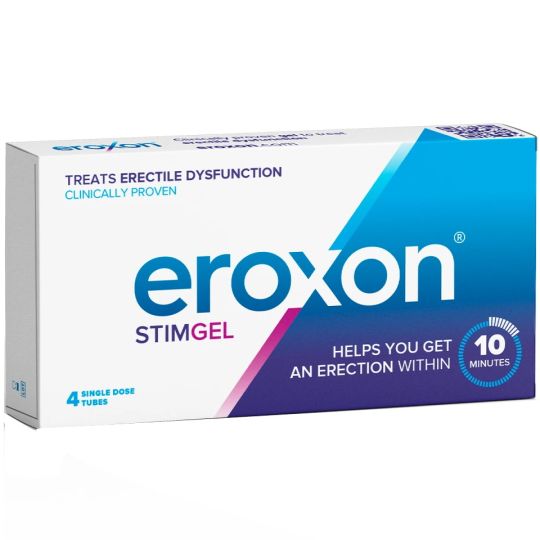
Eroxon Stimgel - 4 Pack
From £19.89
10% OFF
All Treatments
Account
Overview
Account
Overview
Treatments
Account
Understanding Viagra's effectiveness rate is crucial when considering erectile dysfunction treatment options. Clinical studies demonstrate that Viagra helps approximately 70-80% of men with ED achieve and maintain erections suitable for sexual activity. The effectiveness depends on various factors including dosage, underlying health conditions, and proper usage. As a prescription medication containing sildenafil citrate, Viagra's proven track record spans over 25 years of clinical use. At EverydayMeds, patients can choose between branded Viagra or generic sildenafil during checkout, both offering identical effectiveness rates whilst requiring proper clinical assessment through our licensed prescribers.
From £19.89
From £3.99

From £28.99

From £22.99

From £27.99

From £44.99

From £23.99

From £8.49
From £32.99


When PDE5 is suppressed, blood is able to flow more freely through the body—including to the (you guessed it) penis.

More blood flow to the penis means harder, more satisfying erections once you're sexually stimulated.
Extensive clinical research demonstrates Viagra's effectiveness across diverse patient populations. In pivotal trials involving over 3,000 men with erectile dysfunction, approximately 82% of patients experienced improved erections compared to 25% taking placebo. The International Index of Erectile Function (IIEF) scores showed significant improvements, with patients achieving successful intercourse in 69% of attempts versus 22% before treatment. These effectiveness rates remain consistent across different age groups, though older patients may require dosage adjustments or show slightly reduced response rates.
Response rates vary according to ED severity levels. Men with mild erectile dysfunction typically show effectiveness rates of 80-85%, whilst those with severe ED demonstrate success rates around 60-70%. The medication's PDE5 inhibitor mechanism ensures effectiveness only occurs during sexual arousal, making it a targeted treatment rather than causing automatic erections.
Viagra's effectiveness correlates directly with appropriate dosage selection. The standard starting dose of 50mg proves effective for approximately 74% of men, whilst dose escalation to 100mg increases effectiveness to roughly 82% in clinical studies. Patients requiring dose reduction to 25mg due to side effects still maintain effectiveness rates around 63%, demonstrating the medication's flexible dosing profile.
Healthcare providers at EverydayMeds conduct thorough clinical assessments to determine optimal starting doses. Factors influencing dosage decisions include age, cardiovascular health, concurrent medications, and liver function. The maximum recommended frequency remains one dose per 24-hour period, ensuring both safety and sustained effectiveness over time.
Multiple variables affect individual response rates to Viagra treatment. Cardiovascular health significantly impacts effectiveness, as the medication requires adequate blood flow mechanisms. Men with diabetes may experience slightly reduced effectiveness rates, typically around 60-65%, due to underlying vascular complications. However, many diabetic patients still achieve satisfactory results with appropriate dose optimisation.
Psychological factors also influence effectiveness rates. Studies indicate that men with performance anxiety may initially show lower response rates, which often improve with continued use and increased confidence. Relationship dynamics, stress levels, and overall mental health contribute to treatment success beyond the medication's physiological effects.
Long-term studies reveal that Viagra maintains its effectiveness over extended periods. Research following patients for five years demonstrated sustained improvement rates, with 78% continuing to report satisfactory treatment outcomes. Treatment satisfaction scores remain consistently high, with patients appreciating the medication's reliability and predictable onset of action within 30-60 minutes.
Tolerance development proves minimal with Viagra use. Unlike some medications, patients rarely require dose increases to maintain effectiveness over time. The medication's efficacy profile remains stable, providing reassurance for long-term treatment planning. Regular clinical reviews ensure continued suitability and optimal dosing strategies.
Clinical evidence confirms identical effectiveness rates between branded Viagra and generic sildenafil formulations. Both contain the same active ingredient concentration and demonstrate bioequivalence in absorption and effectiveness. Patients choosing generic sildenafil achieve the same 70-80% success rates whilst benefiting from reduced medication costs.
EverydayMeds offers both options during the checkout process, allowing patients to select based on personal preferences and budget considerations. Some patients prefer branded formulations for psychological reassurance, whilst others opt for generic alternatives without compromising treatment outcomes. Clinical assessments remain identical regardless of branded versus generic selection, ensuring appropriate treatment monitoring and safety protocols.
It's one of the most common conditions we treat, and one of the most treatable.

Achieve your goals in just a few simple steps.

Select safe UK treatments. Quick answers.

Our expert team will use your consultation as the basis of our recommendation and communicate with you.

We’ll deliver direct to you, as quickly as tomorrow.