
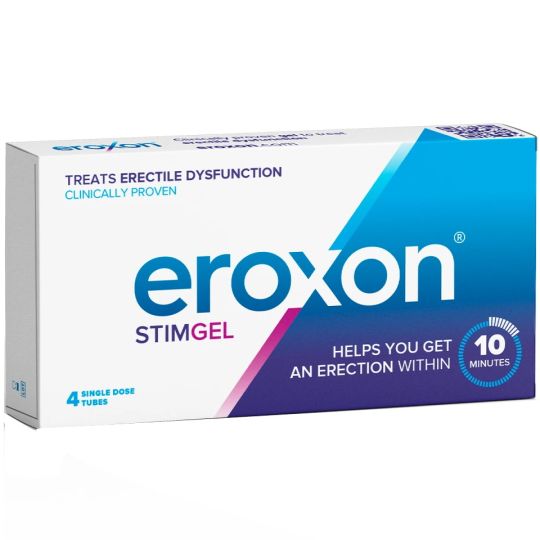
Eroxon Stimgel - 4 Pack
From £19.89
10% OFF
All Treatments
Account
Overview
Account
Overview
Treatments
Account
Getting the best results from sildenafil tablets requires understanding proper timing, dosing, and lifestyle factors. This comprehensive guide provides evidence-based tips to help you optimise your sildenafil treatment effectively. From timing your dose correctly to understanding food interactions, these practical recommendations can significantly improve your treatment outcomes. EverydayMeds offers both branded Viagra and generic sildenafil, allowing you to choose the option that best suits your needs whilst following these essential effectiveness guidelines.
From £19.89
From £3.99

From £28.99

From £22.99

From £27.99

From £44.99

From £23.99

From £8.49
From £32.99


When PDE5 is suppressed, blood is able to flow more freely through the body—including to the (you guessed it) penis.

More blood flow to the penis means harder, more satisfying erections once you're sexually stimulated.
The timing of your sildenafil tablet is crucial for achieving the best results. Most men find that taking sildenafil 30-60 minutes before planned sexual activity provides optimal effectiveness. The medication typically begins working within 30 minutes on an empty stomach, though it can take up to 60 minutes with food. Effects can last for 4-6 hours, giving you a suitable window for spontaneous intimacy. Remember that sildenafil requires sexual arousal to work effectively - it won't cause an automatic erection without stimulation.
What you eat and drink significantly impacts sildenafil's effectiveness. High-fat meals can delay absorption by up to an hour, so consider taking your tablet on an empty stomach or after a light meal for faster results. Grapefruit and grapefruit juice should be avoided as they can increase sildenafil levels in your bloodstream, potentially intensifying side effects. Moderate alcohol consumption is generally acceptable, but excessive drinking can reduce the medication's effectiveness and worsen side effects like dizziness or flushing.
For optimal results, avoid heavy, fatty foods for at least two hours before taking sildenafil. If you must eat, choose lighter options such as salads, grilled fish, or vegetables. Staying well-hydrated with water throughout the day also supports the medication's effectiveness.
Sildenafil tablets are available in 25mg, 50mg, and 100mg strengths. Most men start with 50mg, which can be adjusted up to 100mg or down to 25mg based on effectiveness and tolerability. Never take more than your prescribed dose or exceed one tablet in any 24-hour period. If your current dose isn't providing satisfactory results, consult your prescriber about adjusting the strength rather than taking additional tablets.
Some men find that their optimal dose differs from the starting recommendation. This is normal, and working with your healthcare provider ensures you receive the most effective dose with minimal side effects. At EverydayMeds, both branded Viagra and generic sildenafil are available in all strengths, giving you flexibility in your treatment approach.
Several lifestyle modifications can improve your sildenafil treatment outcomes. Regular cardiovascular exercise enhances blood circulation, which supports the medication's mechanism of action. Maintaining a healthy weight reduces strain on your cardiovascular system and may improve erectile function overall. Managing stress through relaxation techniques, adequate sleep, and open communication with your partner creates optimal conditions for treatment success.
Smoking significantly impairs blood circulation and can reduce sildenafil's effectiveness. If you smoke, consider seeking support to quit, as this single change can dramatically improve your results. Similarly, managing underlying health conditions like diabetes or high blood pressure through proper medical care supports better treatment outcomes.
Common side effects like headaches, facial flushing, or nasal congestion often diminish as your body adjusts to sildenafil. Taking your tablet with plenty of water and staying hydrated can reduce headache intensity. If you experience facial flushing, remaining in cooler environments and avoiding hot beverages immediately after taking sildenafil may help. For nasal congestion, saline nasal sprays provide gentle relief without interfering with the medication.
If side effects persist or become bothersome, don't discontinue treatment without consulting your prescriber. Often, adjusting the dose or timing can significantly reduce side effects whilst maintaining effectiveness. Keep a simple diary noting when you take sildenafil, what you eat beforehand, and any side effects experienced to identify patterns and optimise your routine.
If sildenafil isn't providing satisfactory results after several attempts at your prescribed dose, consult your healthcare provider rather than increasing the dose yourself. Sometimes, underlying health conditions, medication interactions, or psychological factors may need addressing. Your prescriber can evaluate whether dose adjustment, alternative treatments, or additional support might improve your outcomes.
It's one of the most common conditions we treat, and one of the most treatable.

Achieve your goals in just a few simple steps.

Select safe UK treatments. Quick answers.

Our expert team will use your consultation as the basis of our recommendation and communicate with you.

We’ll deliver direct to you, as quickly as tomorrow.