
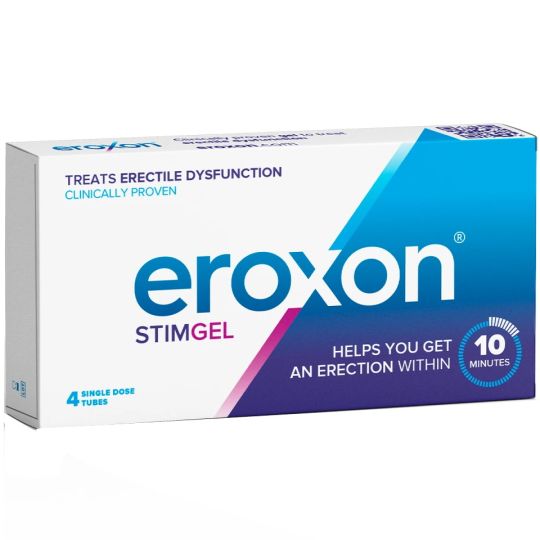
Eroxon Stimgel - 4 Pack
From £19.89
10% OFF
All Treatments
Account
Overview
Account
Overview
Treatments
Account
Sildenafil (Viagra) has undergone extensive clinical research since its development in the 1990s. Originally investigated as a cardiovascular medication, researchers discovered its remarkable effectiveness for erectile dysfunction. Today, decades of peer-reviewed studies support its safety and efficacy profile. EverydayMeds offers both branded Viagra and generic sildenafil, allowing patients to choose the most suitable option following clinical assessment.
From £19.89
From £3.99

From £28.99

From £22.99

From £27.99

From £44.99

From £23.99

From £8.49
From £32.99


When PDE5 is suppressed, blood is able to flow more freely through the body—including to the (you guessed it) penis.

More blood flow to the penis means harder, more satisfying erections once you're sexually stimulated.
Sildenafil citrate was originally developed by Pfizer researchers in the early 1990s as a potential treatment for angina pectoris, a heart condition characterised by chest pain. During Phase I clinical trials investigating its cardiovascular effects, researchers observed an unexpected side effect: improved erectile function in male participants. This serendipitous discovery led to a complete shift in research focus, with subsequent studies specifically targeting erectile dysfunction.
Research has established that sildenafil works as a selective phosphodiesterase type 5 (PDE5) inhibitor. Clinical studies demonstrate that it blocks the PDE5 enzyme, which breaks down cyclic guanosine monophosphate (cGMP). When cGMP levels remain elevated, smooth muscle relaxation occurs in penile blood vessels, allowing increased blood flow during sexual arousal. This mechanism has been extensively validated through both laboratory and clinical research.
The landmark studies that led to sildenafil's approval involved over 4,000 men across multiple countries. These randomised, double-blind, placebo-controlled trials demonstrated that approximately 60-80% of men experienced improved erectile function compared to placebo groups. The research included men with various underlying causes of erectile dysfunction, including diabetes, cardiovascular disease, and psychological factors. Dose-response studies established that 50mg represents the optimal starting dose for most patients, with options to adjust to 25mg or 100mg based on individual response and tolerability.
Since its approval, sildenafil has been prescribed to millions of men worldwide, providing extensive real-world safety data. Long-term studies spanning several years have confirmed its safety profile when used appropriately. Research has identified key contraindications, particularly the dangerous interaction with nitrate medications used for heart conditions. UK regulatory bodies continue to monitor safety data, with healthcare professionals required to assess cardiovascular health before prescribing.
Clinical research demonstrates bioequivalence between branded Viagra and generic sildenafil formulations. UK regulatory standards require generic versions to demonstrate identical absorption, distribution, and elimination profiles to the original branded product. Studies show no clinically significant differences in effectiveness or side effect profiles between branded and generic versions. This evidence supports patient choice between options, with cost often being the primary consideration. EverydayMeds provides both Viagra and sildenafil options during the checkout process, allowing patients to make informed decisions following clinical consultation.
The British Society for Sexual Medicine and other UK medical organisations have contributed significantly to sildenafil research. UK-based studies have examined effectiveness across diverse populations, including specific research on optimal dosing strategies and identification of patients who may benefit from alternative approaches. Current UK clinical guidelines recommend sildenafil as a first-line treatment for erectile dysfunction, following appropriate clinical assessment and cardiovascular risk evaluation.
It's one of the most common conditions we treat, and one of the most treatable.

Achieve your goals in just a few simple steps.

Select safe UK treatments. Quick answers.

Our expert team will use your consultation as the basis of our recommendation and communicate with you.

We’ll deliver direct to you, as quickly as tomorrow.