
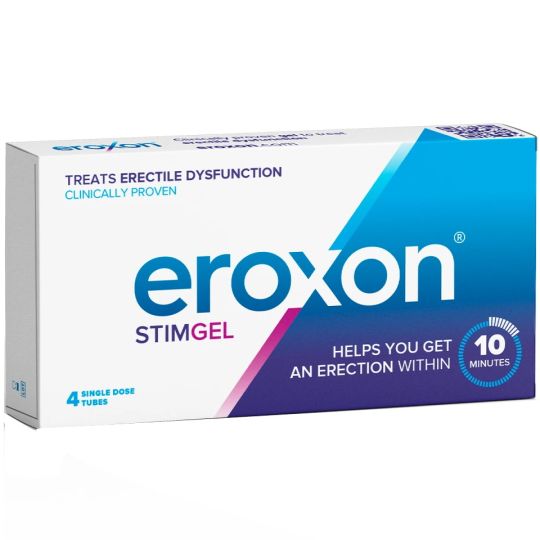
Eroxon Stimgel - 4 Pack
From £19.89
10% OFF
All Treatments
Account
Overview
Account
Overview
Treatments
Account
Understanding the safety and effectiveness of long-term sildenafil use is crucial for men managing ongoing erectile dysfunction. Many patients wonder whether regular sildenafil use remains safe and effective over extended periods. This comprehensive guide examines the clinical evidence surrounding prolonged sildenafil treatment, addressing common concerns about tolerance, side effects, and cardiovascular health. Whether you're considering generic sildenafil or branded Viagra, which EverydayMeds offers at checkout, understanding long-term usage patterns helps ensure optimal treatment outcomes whilst maintaining your health and wellbeing.
From £19.89
From £3.99

From £28.99

From £22.99

From £27.99

From £44.99

From £23.99

From £8.49
From £32.99


When PDE5 is suppressed, blood is able to flow more freely through the body—including to the (you guessed it) penis.

More blood flow to the penis means harder, more satisfying erections once you're sexually stimulated.
Sildenafil citrate, the active ingredient in Viagra, is a widely used treatments for erectile dysfunction (ED) in the UK. A common concern among patients is the long term safety of sildenafil, especially when taken over an extended period or daily. It is natural to wonder whether continuous use leads to tolerance, affects heart health, or causes other risks.
This comprehensive guide provides evidence-based, NHS-aligned information on the long-term safety of sildenafil citrate, helping you understand how it works, potential side effects, and clinical risk management to ensure safe, effective treatment.
Sildenafil belongs to a class of prescription medications called PDE5 inhibitors. It treats erectile dysfunction by relaxing blood vessels, particularly those supplying the penis, thus increasing blood flow to the penis during sexual arousal. This mechanism facilitates the flow to the penis necessary for achieving and maintaining an erection suitable for sexual intercourse. Sildenafil citrate is available in 25mg, 50mg and 100mg strengths. The most appropriate strength depends on the individual and will be determined by a prescriber. It is taken as needed rather than daily for ED, although regular daily dosing is used for other conditions, including pulmonary arterial hypertension.
According to NHS guidance, sildenafil is safe to take for a long time, with no evidence of lasting harmful effects when used appropriately. Clinical research involving thousands of patients over extended periods, including studies lasting up to four years, suggests that sildenafil generally maintains its effectiveness without evidence of clinically significant tolerance developing in most men. Long-term studies have reported high levels of satisfaction and continued effectiveness among men using sildenafil.
In one four-year study, 3.8% of men experienced treatment-related adverse events that led to a dose change or temporary or permanent discontinuation, while 1.1% discontinued because of adverse events. Common side effects like skin flushing, nasal congestion, headache, and dizzy spells are usually mild and transient.
Sildenafil’s effect on relaxing blood vessels means it can lower blood pressure, which is generally safe for most men but requires caution in patients with heart disease or high blood pressure. It is contraindicated in patients taking nitrate medications, as the combination can cause a dangerous drop in blood pressure.
People with recent stroke or heart attack, unstable angina, severe heart failure or other serious cardiovascular conditions may not be suitable for sildenafil and should have their cardiovascular status assessed before treatment. If any symptoms such as chest pain or severe dizziness occur during sexual activity, emergency medical care should be sought immediately.
Most side effects of sildenafil are dose-related and occur shortly after taking the medication rather than accumulating over time. Common side effects include headaches, skin flushing, nasal congestion, indigestion, and dizziness.
In very rare cases, sildenafil has been associated with sudden vision loss affecting one or both eyes due to an eye condition called nonarteritic anterior ischemic optic neuropathy (NAION). Sudden hearing loss and prolonged erections lasting more than four hours (priapism) are also rare but require urgent medical attention to prevent permanent damage. Patients should contact a doctor immediately if they experience any of these serious symptoms.
Sildenafil is not addictive and does not cause physical dependence. Some men may feel psychologically reliant on sildenafil, particularly if anxiety about sexual performance is present, but this is different from physical dependence.
Most men do not appear to develop significant tolerance, and many continue to respond to the same dose over extended periods. If it seems less effective, changes in the underlying cause of ED, health conditions, other medicines, or how the medicine is being taken may need to be considered.
Safe long-term use of sildenafil is supported by appropriate clinical review, particularly if your health or medicines change. Patients should seek periodic clinical review if their health, symptoms or medicines change, so a prescriber can reassess whether sildenafil remains appropriate and check for relevant interactions or underlying causes of ED.
Avoid combining sildenafil with recreational drugs or unregulated products like Kamagra, which pose significant clinical risks may carry additional risks because the contents, strength and manufacturing or storage conditions may not be reliably known. Always obtain sildenafil from regulated UK pharmacies to ensure quality and safety.
By understanding these points and maintaining open communication with healthcare professionals, patients can make informed decisions about long-term sildenafil treatment for erectile dysfunction.
For more detailed guidance on side effects, dose adjustments, and interactions with other prescription medications, consult your doctor or pharmacist.
References: NHS guidance on sildenafil and British Heart Foundation information on heart health
Yes. According to the NHS, "sildenafil is safe to take for a long time. There do not seem to be any lasting harmful effects from taking it for many months and years." It reflects more than two decades of real-world use since sildenafil was first licensed.
That does not mean it is right for everyone, or that it should be taken without any oversight. Long-term safety assumes the medicine is suitable for you in the first place, which is why a clinical assessment matters, and that any change in your health or other medicines is taken into account over time.
For most men who are suitable for sildenafil, though, the evidence and long clinical experience support ongoing use without lasting harm. Sildenafil generally remains effective over time and does not typically cause physical dependence, making it a well-established treatment option for erectile dysfunction.
Sexual stimulation is required for sildenafil to work , as it enhances natural erectile function rather than causing spontaneous erections. Men with penile deformities such as Peyronie's disease should discuss treatment with a healthcare professional before using sildenafil. Taking Viagra or generic sildenafil as prescribed and under medical supervision ensures the best balance of benefits and safety for long-term management of erectile dysfunction.
Sildenafil has been prescribed since the late 1990s and has been studied extensively, so its long-term safety profile is well characterised.
Across long-term follow-up and regular clinical use, serious adverse events remain rare when the medicine is prescribed appropriately, and it does not typically lose its effectiveness over time. Its side effects are generally mild and predictable. Sildenafil is also used on a regular schedule for pulmonary arterial hypertension, although the dose and treatment regimen differ. As with any long-term medicine, the sensible approach is periodic review with a prescriber rather than assuming it never needs a second look.
This is one of the most searched questions, so here is the nuance. For erectile dysfunction, sildenafil is designed to be taken as needed, not every day, and the NHS is clear that you should "not take it more than once a day." Taking it once in any 24-hour period, when you need it, is the standard approach.
Taking sildenafil daily is not usually recommended for erectile dysfunction unless advised by a prescriber , but for ED there is usually no benefit to a daily tablet, because it works on demand. If a daily ED treatment is preferred, tadalafil has a licensed once-daily regimen at low doses for appropriate patients.
Separately, sildenafil is taken on a regular daily schedule for a different condition, pulmonary arterial hypertension, which shows that daily dosing is used safely in medicine, just not as the standard way to treat ED. If you are thinking about daily sildenafil, the safest route is to discuss it with a prescriber rather than simply increasing how often you take it.
A common worry with any long-term medicine is whether it stops working. Reassuringly, sildenafil does not typically cause tolerance, meaning most men continue to respond to the same dose over long periods without needing to increase it.
If sildenafil seems to be working less well over time, that is more often due to a change in the underlying cause of the ED, such as worsening vascular health , diabetes, stress or a new medication, than to the body "getting used to" the drug.
A clinical review can help identify these changes and determine whether the treatment or underlying cause of ED needs reassessment
Sildenafil is not a controlled or addictive substance, and it does not cause physical dependence the way some medicines can.
You will not experience physical withdrawal if you stop taking it. What some men do develop is a psychological reliance, feeling they cannot perform without it, particularly if anxiety is part of the picture.
This can happen, particularly when anxiety about sexual performance is involved. It can often be helped by addressing the underlying confidence or anxiety alongside treatment. If you feel you have come to rely on sildenafil more than you would like, a prescriber or GP can talk through the options with you.
Because sildenafil affects blood vessels, its relationship with the heart is worth understanding, and it is central to safe long-term use. For men who are medically suitable for treatment, sildenafil is not generally considered harmful to the heart, but cardiovascular suitability should be assessed before treatment because sexual activity itself carries some cardiac risk.
The most critical is that sildenafil must never be taken with nitrate medicines used for chest pain (angina), because the combination can cause a dangerous drop in blood pressure. It is also used with caution, or avoided, in men who have recently had a heart attack or stroke, have unstable angina, very low blood pressure, or a serious heart condition, because sex itself puts some extra strain on the heart. This is why an assessment asks about your heart health. The NHS advises that if you have recently had a stroke, heart attack or heart problem, your doctor should carefully check whether your heart can cope with the exertion of sex before you use sildenafil. For men who are suitable, long-term cardiovascular safety is well supported, and ongoing blood pressure awareness is part of sensible monitoring.
Most side effects of sildenafil are mild, short-lived and linked to each dose rather than to long-term use building up in the body. According to the NHS, common side effects, affecting more than 1 in 100 people, include headaches, flushing or hot flushes, indigestion, a stuffy nose, feeling dizzy and feeling sick. These often ease as your body gets used to the medicine and are not a sign of long-term harm.
Serious side effects are rare, affecting fewer than 1 in 1,000 people, but you should act on them promptly. Stop taking sildenafil and get medical help straight away for a sudden decrease or loss of vision or hearing, an erection lasting longer than four hours (priapism), which requires emergency medical attention , chest pain during or after sex, seizures, or signs of a serious allergic reaction. These are reasons to seek help regardless of how long you have been taking it.
Sildenafil is not suitable for everyone. Sildenafil is not suitable for everyone. You should not take it with nitrate medicines or if you have certain serious cardiovascular conditions, severe liver disease, very low blood pressure, or certain inherited retinal disorders. Speak to a doctor or pharmacist before taking sildenafil if you have conditions such as sickle cell anaemia, leukaemia, multiple myeloma, a stomach ulcer, a bleeding disorder or Peyronie's disease. This is why the medicine is prescription-controlled and why an individual clinical assessment is important, especially for ongoing, long-term use.
Searches for "Kamagra side effects long term" are common, so this needs a clear answer. Kamagra is an unlicensed product marketed as containing sildenafil, and it is not approved for sale in the UK. Because it is unregulated, its contents, strength, quality and manufacturing or storage conditions cannot be reliably assured. How much active ingredient is in each tablet, or how it was made and stored, so its long-term safety simply cannot be assured.
The safe way to take sildenafil long term is to use a genuine, licensed product dispensed by a regulated pharmacy after a clinical assessment, not an unlicensed alternative bought without oversight. If you want the low cost that Kamagra advertises, licensed generic sildenafil is widely available and, unlike Kamagra, is properly regulated.
Concerns about taking sildenafil for many months or years are common across different countries. Although prescribing practices and available products vary, the underlying question is similar: can sildenafil be used safely over the long term? For people who are suitable for treatment, the available evidence supports continued use when sildenafil is taken as prescribed and reviewed appropriately over time.
Sildenafil treats the symptom, but looking after the underlying causes of ED improves your results and your overall health over the long term. Erectile dysfunction is often associated with cardiovascular and metabolic health , so the same habits that protect your heart tend to help your erections too. Regular exercise, stopping smoking, keeping alcohol within moderate limits, managing stress and maintaining a healthy weight all contribute to better long-term outcomes.
Weight can also be relevant to erectile function, as being overweight is a recognised risk factor for erectile dysfunction and may affect cardiovascular and metabolic health. For some men, losing weight may help improve erectile function as well as overall health. If weight is a factor, you may find it helpful to explore the different weight loss treatment options available, including how different approaches work and who they may be suitable for.
If you use sildenafil regularly, a registered online pharmacy makes ongoing treatment straightforward while keeping clinical safety in place:
Because heart health and other medicines can change over time, an assessment is a good opportunity to make sure sildenafil is still the right long-term choice for you. You can begin a confidential assessment when you are ready, and returning customers can log in to reorder. Prices are updated regularly and may change.
This guide is for general information and educational purposes only and is not a substitute for personalised medical advice, diagnosis or treatment. Information about sildenafil, its long-term use, side effects, interactions and suitability is based on UK medical guidance and product information available at the time of publication. Sildenafil is a prescription medicine and is not suitable for everyone. Do not start, stop or change your dose without speaking to a doctor, pharmacist or other qualified healthcare professional. In particular, sildenafil must not be taken with nitrate medicines and may not be suitable for people with certain cardiovascular or other medical conditions. If you experience chest pain, a sudden change or loss of vision or hearing, or an erection lasting more than four hours, seek urgent medical attention. In an emergency, call 999 or attend A&E.
It's one of the most common conditions we treat, and one of the most treatable.

Achieve your goals in just a few simple steps.

Select safe UK treatments. Quick answers.

Our expert team will use your consultation as the basis of our recommendation and communicate with you.

We’ll deliver direct to you, as quickly as tomorrow.