
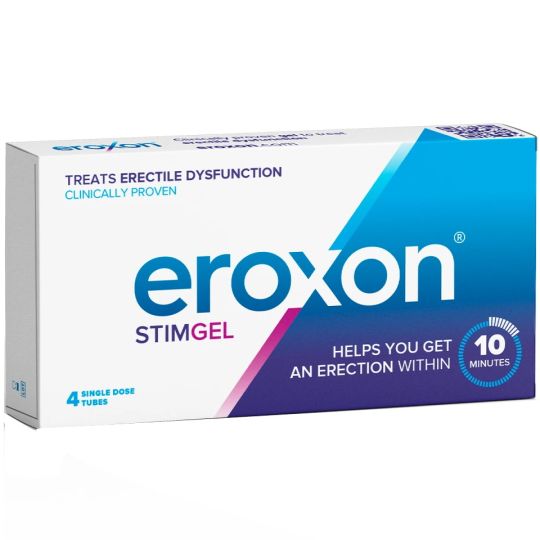
Eroxon Stimgel - 4 Pack
From £19.89
10% OFF
All Treatments
Account
Overview
Account
Overview
Treatments
Account
Sildenafil is one of the most widely prescribed treatments for erectile dysfunction, offering millions of men an effective solution to improve their sexual health. As the generic version of Viagra, sildenafil contains the same active ingredient at a more affordable price point. This comprehensive guide covers everything you need to know about sildenafil, from how it works and dosage options to potential side effects and important safety considerations. Understanding these key aspects can help you make informed decisions about your ED treatment and ensure you use sildenafil safely and effectively.
From £19.89
From £3.99

From £28.99

From £22.99

From £27.99

From £44.99

From £23.99

From £8.49
From £32.99


When PDE5 is suppressed, blood is able to flow more freely through the body—including to the (you guessed it) penis.

More blood flow to the penis means harder, more satisfying erections once you're sexually stimulated.
Sildenafil belongs to a class of medications called phosphodiesterase type 5 (PDE5) inhibitors. When you become sexually aroused, your body naturally releases nitric oxide in the penis, which triggers a cascade of chemical reactions that ultimately increase blood flow to the erectile tissue. Sildenafil works by blocking the PDE5 enzyme, which normally breaks down the chemicals responsible for maintaining this increased blood flow. By inhibiting PDE5, sildenafil allows these chemicals to persist longer, helping you achieve and maintain an erection when sexually stimulated.
It's crucial to understand that sildenafil does not create automatic erections or increase sexual desire. Sexual arousal and stimulation are still necessary for the medication to be effective. The treatment simply enhances your body's natural response to arousal, making it easier to achieve satisfactory erections.
One of the most common questions about sildenafil concerns its relationship to Viagra. Sildenafil is the generic name for the active ingredient, whilst Viagra is the branded version manufactured by Pfizer. Both medications contain identical amounts of sildenafil citrate and work in exactly the same way, with the same effectiveness and safety profile.
The primary difference lies in cost and branding. Generic sildenafil typically costs significantly less than branded Viagra whilst providing identical therapeutic benefits. At EverydayMeds, we offer both options, allowing you to choose between generic sildenafil and branded Viagra based on your personal preference and budget considerations. Some patients prefer the reassurance of the original branded product, whilst others opt for the cost-effective generic alternative.
Sildenafil is available in three strengths: 25mg, 50mg, and 100mg tablets. The standard starting dose for most men is 50mg, taken approximately 30-60 minutes before planned sexual activity. Based on effectiveness and tolerability, your prescriber may adjust your dose to either 25mg (if you experience side effects) or 100mg (if 50mg proves insufficient).
Several factors influence the optimal dosage for each individual, including age, overall health, other medications, and the severity of erectile dysfunction. Older adults or those with certain medical conditions may require lower doses, whilst some men with more severe ED may benefit from the maximum 100mg dose. It's essential to follow your prescriber's recommendations and never exceed one dose within a 24-hour period.
The timing of your dose can also affect effectiveness. Taking sildenafil on an empty stomach generally produces faster results, typically within 30-45 minutes. However, taking it with food is also acceptable, though high-fat meals may delay the onset of action by up to an hour.
Whilst sildenafil is generally safe and well-tolerated, certain medical conditions and medications make it unsuitable for some men. The most serious contraindication involves nitrate medications, commonly prescribed for heart conditions. The combination of sildenafil with nitrates can cause a dangerous drop in blood pressure, potentially leading to fainting, heart attack, or stroke.
Men with severe cardiovascular disease, recent heart attacks or strokes (within six months), severe liver problems, or very low blood pressure should not use sildenafil. Additionally, those taking medications for pulmonary hypertension (such as riociguat) cannot safely use sildenafil due to serious drug interactions.
Before starting sildenafil treatment, you'll complete a thorough clinical assessment with a qualified prescriber who will review your medical history, current medications, and overall cardiovascular health. This evaluation ensures that sildenafil is safe and appropriate for your specific circumstances.
Most men tolerate sildenafil well, but some may experience mild side effects, particularly when first starting treatment. The most common side effect is headache, affecting more than one in ten users. Other frequently reported side effects include facial flushing, indigestion, nasal congestion, dizziness, and temporary visual changes such as a blue tinge to vision or increased light sensitivity.
These side effects are typically mild and temporary, often diminishing as your body adjusts to the medication. Staying well-hydrated can help reduce headaches, whilst taking sildenafil with a light meal may minimise stomach upset. If side effects persist or become bothersome, your prescriber may recommend reducing your dose.
Beyond nitrates, several other medications can interact with sildenafil. Alpha-blockers used for prostate problems or high blood pressure may cause excessive blood pressure reduction when combined with sildenafil. Certain antibiotics, antifungals, and HIV medications can increase sildenafil levels in your blood, potentially intensifying side effects.
Always inform your prescriber about all medications, supplements, and recreational substances you use. This includes over-the-counter medicines, herbal remedies, and any recreational drugs. Grapefruit juice should also be avoided as it can affect how your body processes sildenafil.
To get the best results from sildenafil treatment, timing and lifestyle factors matter significantly. Take your dose 30-60 minutes before planned sexual activity, and remember that the effects can last up to four to six hours. This doesn't mean you'll have an erection for this entire period, but rather that you'll be able to achieve erections more easily during this timeframe when sexually aroused.
Excessive alcohol consumption can reduce sildenafil's effectiveness and increase the risk of side effects. Moderate alcohol intake is generally acceptable, but it's best to limit consumption when planning to use sildenafil. Smoking also impairs blood flow and can reduce the medication's effectiveness, making smoking cessation beneficial for overall sexual health.
Whilst serious side effects are rare, certain symptoms require immediate medical attention. Priapism, an erection lasting longer than four hours, is a medical emergency requiring prompt treatment to prevent permanent damage. Sudden vision or hearing loss, severe chest pain during sexual activity, or signs of allergic reaction also warrant immediate medical care.
If sildenafil stops being effective after previously working well, or if you develop new symptoms, consult your prescriber. Sometimes adjusting the dose or timing can restore effectiveness, whilst other situations may require alternative treatment approaches.
It's one of the most common conditions we treat, and one of the most treatable.

Achieve your goals in just a few simple steps.

Select safe UK treatments. Quick answers.

Our expert team will use your consultation as the basis of our recommendation and communicate with you.

We’ll deliver direct to you, as quickly as tomorrow.