
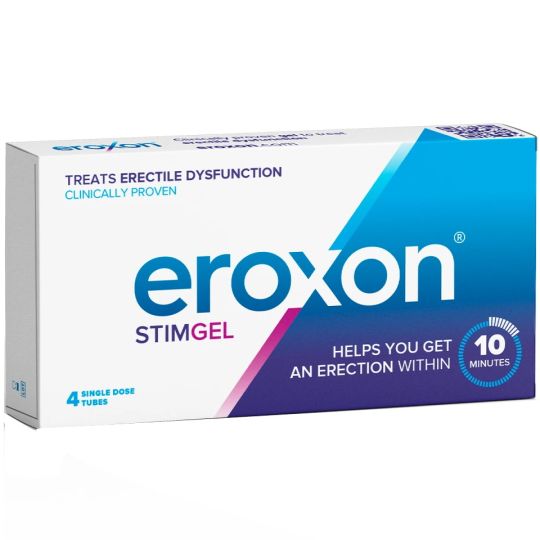
Eroxon Stimgel - 4 Pack
From £19.89
10% OFF
All Treatments
Account
Overview
Account
Overview
Treatments
Account
Sildenafil 50mg represents decades of pharmaceutical research in treating erectile dysfunction. Originally developed for cardiovascular conditions, clinical trials revealed its effectiveness for ED, leading to extensive scientific validation. Understanding the research behind sildenafil helps patients make informed decisions about their treatment options, whether choosing generic sildenafil or branded Viagra.
From £19.89
From £3.99

From £28.99

From £22.99

From £27.99

From £44.99

From £23.99

From £8.49
From £32.99


When PDE5 is suppressed, blood is able to flow more freely through the body—including to the (you guessed it) penis.

More blood flow to the penis means harder, more satisfying erections once you're sexually stimulated.
Sildenafil 50mg works by selectively inhibiting phosphodiesterase type 5 (PDE5), an enzyme that breaks down cyclic guanosine monophosphate (cGMP). Clinical research has demonstrated that when sexual arousal occurs, nitric oxide is released in penile tissue, activating the cGMP pathway. By blocking PDE5, sildenafil allows cGMP levels to remain elevated, promoting smooth muscle relaxation and increased blood flow to the corpus cavernosum.
The landmark clinical trials for sildenafil involved over 4,000 men across multiple studies. Research published in international journals showed efficacy rates of 60-85% depending on underlying causes of erectile dysfunction. The IIEF (International Index of Erectile Function) scores improved significantly compared to placebo groups, with 50mg demonstrating optimal balance between effectiveness and tolerability for most patients.
Clinical pharmacology studies reveal sildenafil reaches peak plasma concentrations within 30-60 minutes of oral administration. The bioavailability is approximately 40%, with food intake potentially delaying absorption. Research indicates the half-life averages 3-5 hours, explaining why effects may persist for 4-6 hours post-dose. These pharmacokinetic properties support the recommended timing of administration 30-60 minutes before anticipated sexual activity.
Comparative studies examining 25mg, 50mg, and 100mg dosages established 50mg as the optimal starting dose for most patients. Research demonstrates that while higher doses may increase efficacy marginally, they also increase the likelihood of side effects. Clinical guidelines recommend starting with 50mg, then adjusting based on individual response and tolerability.
Extensive cardiovascular safety studies have been crucial in establishing sildenafil's clinical profile. Research shows minimal impact on blood pressure in healthy individuals, though significant interactions occur with nitrate medications. Clinical data supports its safety in patients with stable cardiovascular disease, though careful assessment remains essential.
Bioequivalence studies demonstrate that generic sildenafil contains the same active ingredient as branded Viagra, meeting stringent regulatory standards. Clinical research confirms equivalent therapeutic outcomes between formulations. At EverydayMeds, patients can choose between generic sildenafil or branded Viagra at checkout, both offering the same clinical benefits supported by decades of research.
It's one of the most common conditions we treat, and one of the most treatable.

Achieve your goals in just a few simple steps.

Select safe UK treatments. Quick answers.

Our expert team will use your consultation as the basis of our recommendation and communicate with you.

We’ll deliver direct to you, as quickly as tomorrow.