
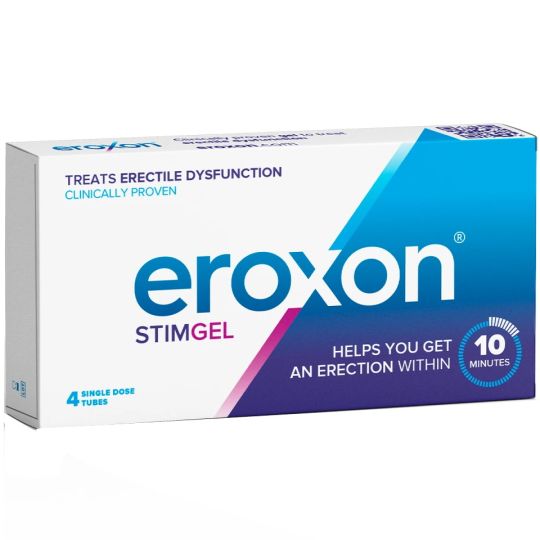
Eroxon Stimgel - 4 Pack
From £19.89
10% OFF
All Treatments
Account
Overview
Account
Overview
Treatments
Account
Understanding how Viagra works requires examining decades of clinical research into sildenafil citrate. Originally developed for cardiovascular conditions, scientists discovered its remarkable effectiveness for erectile dysfunction through rigorous clinical trials. This evidence-based approach continues to inform treatment protocols today. At EverydayMeds, we offer both branded Viagra and generic sildenafil, allowing patients to choose based on their preferences whilst receiving the same clinically-proven active ingredient.
From £19.89
From £3.99

From £28.99

From £22.99

From £27.99

From £44.99

From £23.99

From £8.49
From £32.99


When PDE5 is suppressed, blood is able to flow more freely through the body—including to the (you guessed it) penis.

More blood flow to the penis means harder, more satisfying erections once you're sexually stimulated.
Sildenafil's journey began in Pfizer's laboratories during the 1990s, initially researched for treating pulmonary arterial hypertension and angina. Clinical researchers noticed an unexpected but significant side effect during trials - improved erectile function in male participants. This serendipitous discovery led to extensive clinical research programmes specifically targeting erectile dysfunction.
The science centres on phosphodiesterase type 5 (PDE5) enzyme inhibition. During sexual arousal, nitric oxide releases in penile tissue, activating cyclic GMP - a chemical messenger that relaxes smooth muscle and increases blood flow. PDE5 enzyme normally breaks down cyclic GMP, ending the erection. Sildenafil blocks PDE5, allowing cyclic GMP levels to remain elevated, maintaining increased blood flow when sexually stimulated.
Landmark studies involving over 3,000 men demonstrated sildenafil's effectiveness across various demographics. Clinical trials showed 70-80% of participants experienced improved erectile function compared to placebo groups. Research included men with diabetes, cardiovascular conditions, and psychological erectile dysfunction, establishing broad treatment applications.
Double-blind, placebo-controlled studies remain the gold standard for evaluating treatment effectiveness. These rigorous protocols eliminate bias and provide reliable evidence for clinical decision-making. Participants underwent comprehensive medical assessments, ensuring safety whilst measuring treatment outcomes.
Clinical research established optimal dosing protocols through careful titration studies. Starting doses of 50mg proved effective for most men, with adjustments to 25mg or 100mg based on individual response and tolerability. Studies confirmed maximum safety with once-daily dosing, establishing the 24-hour interval between doses.
Extensive cardiovascular safety studies examined sildenafil's effects on heart function. Research demonstrates generally favourable safety profiles in men without significant cardiovascular contraindications. However, clinical evidence clearly shows dangerous interactions with nitrate medications, leading to strict prescribing protocols.
Long-term safety studies followed participants over several years, monitoring adverse effects and treatment satisfaction. This ongoing research continues informing clinical guidelines and prescribing practices worldwide.
Clinical research confirms generic sildenafil contains identical active ingredients to branded Viagra. Bioequivalence studies demonstrate comparable absorption, distribution, and effectiveness between formulations. This scientific evidence supports offering both options, allowing patients to choose based on preference and budget whilst maintaining treatment quality.
EverydayMeds provides both branded Viagra and generic sildenafil following comprehensive clinical assessment by UK-licensed prescribers. Our evidence-based approach ensures appropriate treatment selection whilst prioritising patient safety and choice.
It's one of the most common conditions we treat, and one of the most treatable.

Achieve your goals in just a few simple steps.

Select safe UK treatments. Quick answers.

Our expert team will use your consultation as the basis of our recommendation and communicate with you.

We’ll deliver direct to you, as quickly as tomorrow.