
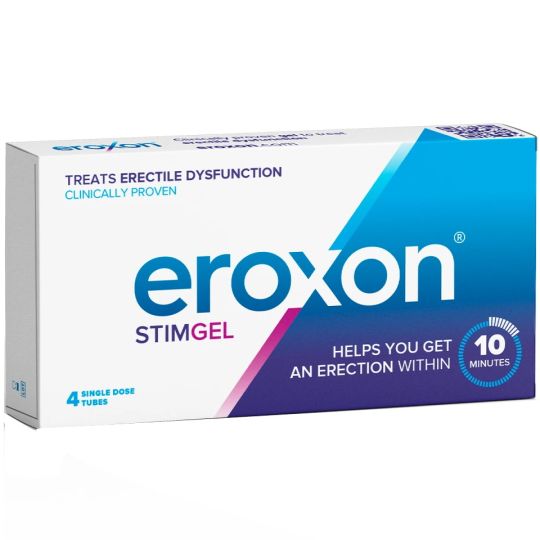
Eroxon Stimgel - 4 Pack
From £19.89
10% OFF
All Treatments
Account
Overview
Account
Overview
Treatments
Account
Understanding drug interactions with sildenafil 100mg is crucial for safe and effective erectile dysfunction treatment. Sildenafil can interact with various medications, potentially causing serious health risks or reducing effectiveness. This comprehensive guide explains which medications to avoid, drugs requiring careful monitoring, and essential safety considerations when taking sildenafil 100mg. Whether you choose branded Viagra or generic sildenafil through EverydayMeds, knowing these interactions helps ensure your treatment remains both safe and effective whilst preventing potentially dangerous complications.
From £19.89
From £3.99

From £28.99

From £22.99

From £27.99

From £44.99

From £23.99

From £8.49
From £32.99


When PDE5 is suppressed, blood is able to flow more freely through the body—including to the (you guessed it) penis.

More blood flow to the penis means harder, more satisfying erections once you're sexually stimulated.
Sildenafil 100mg must not be taken with nitrate medicines such as glyceryl trinitrate or isosorbide mononitrate, with nicorandil, or with riociguat, because these combinations can cause a dangerous drop in blood pressure, alpha-blockers and some blood pressure medicines call for caution rather than automatic avoidance, and certain antibiotics and antifungals can raise sildenafil levels and may require a lower dose.
Sildenafil 100mg is the highest standard strength of one of the most widely prescribed treatments for erectile dysfunction in the UK.
For adults in the UK who are considering sildenafil 100mg or have been prescribed it and want clear, evidence-based guidance, this guide explains how it works, how it compares with branded Viagra, its contraindications and medicine interactions, key safety precautions with antibiotics and blood pressure treatments, common side effects, quality standards, regulated UK pharmacy availability, and pricing.
This is general information, not personal medical advice. Always tell your prescriber and pharmacist about every medicine, supplement and substance you use, because checking for contraindications and interactions is essential to avoid unsafe combinations and confirm that treatment is suitable for you.
Sildenafil belongs to a class of medicines called phosphodiesterase type 5 (PDE5) inhibitors. During sexual arousal, the body releases nitric oxide, which triggers a chain of chemical signals that relax blood vessels in the penis, allowing increased blood flow and an erection.
An enzyme called PDE5 normally breaks down part of that chemical signal, limiting the effect. Sildenafil blocks PDE5, allowing the signal to last longer and making it easier to achieve and maintain an erection during stimulation.
Importantly, sildenafil does not create arousal or desire by itself. It requires sexual stimulation to have any effect. It only works when you are sexually excited and is normally taken before sexual activity, a heavy, high fat meal can delay it's onset. Sildenafil typically starts working within 30 to 60 minutes for many people and may last for up to four hours.
Sildenafil is used to treat erectile dysfunction, and 100mg is the highest of the three standard strengths generally available (alongside 25mg and 50mg). The usual starting dose of sildenafil is 50mg, with the specific strength appropriate for you decided by your prescriber based on your response and health circumstances, not something to select for yourself.
Yes, in terms of the active ingredients. Sildenafil citrate is the medicine originally developed and sold under the brand name viagra, and both viagra and generic sildenafil contain the same ingredient.
Generic sildenafil, including the 100mg tablets available through EverydayMeds, contains the same active ingredient and strength and must meet the same UK regulatory standards for quality, safety and bioequivalence as the branded product.
The difference is primarily branding and price, not how the medicine works in the body.
Nitrate medicines, including glyceryl trinitrate (GTN) spray, isosorbide mononitrate and isosorbide dinitrate, used for angina and chest pain, must never be taken with sildenafil.
Nicorandil, another angina medicine, and riociguat, used to treat pulmonary arterial hypertension, carry the same serious risk, and combining sildenafil with guanylate cyclase stimulators is unsafe.
All of these relax blood vessels through a related pathway, and when combined with sildenafil can cause a potentially dangerous fall in blood pressure due to additive hypotensive effects.
Recreational drugs known as poppers (amyl nitrite, amyl nitrate, butyl nitrite) work the same way and carry the same danger.
Blood pressure drugs can interact with sildenafil by adding to its blood pressure-lowering effect, and alpha-blockers, such as tamsulosin, doxazosin, alfuzosin and terazosin, often prescribed for an enlarged prostate or high blood pressure, can cause symptomatic low blood pressure when combined with sildenafil, particularly on standing up. This is a genuine, well-documented interaction that calls for a cautious approach, such as a lower starting dose, rather than an outright ban.
Other blood pressure medicines, including ACE inhibitors, calcium channel blockers, beta-blockers and diuretics, may add to sildenafil's own mild blood pressure-lowering effect. For example, medicines such as Losartan are used to treat high blood pressure and, in some cases, heart failure, the combination may require clinical review, particularly where blood pressure or cardiovascular status is a concern. These combinations should be reviewed by an appropriate prescriber before sildenafil is started.
Most antibiotics have no significant interaction with sildenafil. The two worth knowing about specifically are clarithromycin and erythromycin, both macrolide antibiotics, which inhibit the liver enzyme mainly responsible for clearing sildenafil from the body.
This can meaningfully raise sildenafil levels, which is why a lower starting dose may be recommended if you need both together. If you are prescribed a different antibiotic, it is unlikely to be a specific concern. Mentioning it to your pharmacist is always a sensible check.
Ketoconazole and itraconazole, strong inhibitors of the same liver enzyme, can significantly increase sildenafil levels. Fluconazole may also increase sildenafil levels, although generally to a lesser extent.
HIV protease inhibitors, including ritonavir, saquinavir and indinavir, can also substantially raise sildenafil levels and typically call for a reduced dose and closer monitoring. None of these interactions automatically mean sildenafil cannot be used, they simply require your prescriber to know the full picture, including any other medications and over the counter products, so they can check for potential interactions and adjust accordingly.
Most people tolerate sildenafil well. Commonly reported side effects include headache, facial flushing, indigestion, nasal congestion, and dizziness. Some people notice a temporary blue tinge to vision or increased sensitivity to light, which relates to sildenafil's mild effect on a related enzyme found in the retina, and this typically passes as the medicine clears from the body.
Extra precautions are needed in people with certain eye disorders or blood conditions. People with rare inherited retinal disorders such as retinitis pigmentosa should discuss sildenafil with a clinician before using it, and anyone with a history of NAION should avoid taking sildenafil unless specifically advised otherwise by a clinician.
Side effects tend to be more likely at higher doses, including 100mg, than at lower strengths.
Seek urgent medical attention for an erection lasting more than four hours, whether painful or not, especially if you have blood disorders such as sickle cell anemia or multiple myeloma, as in rare cases this can cause permanent damage if not treated promptly, or for any signs of a serious allergic reaction or sudden vision loss.
You may see products labelled 'sildenafil tablets BP 100mg'. Here, BP stands for British Pharmacopoeia, an official UK quality and manufacturing standard that generic medicines are tested against, not an abbreviation for blood pressure. It indicates that the tablet meets recognised UK quality standards and is a normal label on appropriately manufactured generic sildenafil products.
You may come across sildenafil sold under names such as Aurogra, often through unregulated overseas websites. These products are not licensed for sale in the UK and are not available through regulated UK pharmacies, including EverydayMeds.
The MHRA has reported seizing large quantities of illegal erectile dysfunction medicines in recent years, some of which contained undeclared or unpredictable ingredients.
Sourcing sildenafil through a UK-regulated pharmacy following a genuine clinical assessment is the way to know what you are actually taking, and in what dose.
| Medicine or substance | What's known |
|---|---|
| Nitrates (GTN, isosorbide mono/dinitrate), nicorandil, riociguat | Never combine. Risk of a dangerous, potentially fatal drop in blood pressure |
| Recreational nitrates ('poppers') | Same danger as prescription nitrates. Never combine |
| Alpha-blockers (tamsulosin, doxazosin, alfuzosin, terazosin) | Caution, not avoidance. Can cause symptomatic low blood pressure, particularly on standing |
| ACE inhibitors, calcium channel blockers, beta-blockers, other blood pressure medicines | Caution. May add to sildenafil's blood pressure-lowering effect |
| Clarithromycin, erythromycin | Can meaningfully increase sildenafil levels in the blood. A lower starting dose may be advised |
| Ketoconazole, itraconazole, fluconazole | Can increase sildenafil levels, ketoconazole and itraconazole more strongly than fluconazole |
| Ritonavir, saquinavir, indinavir (HIV protease inhibitors) | Can significantly raise sildenafil levels, usually requiring a reduced dose |
| Grapefruit juice | Can modestly increase sildenafil levels, a real but not dangerous effect |
| Alcohol | No officially stated safe unit figure. Both can lower blood pressure, and heavy drinking may worsen dizziness, flushing and erectile difficulties. If you plan to drink alcohol while taking sildenafil, ask your prescriber or pharmacist for advice. |
This table summarises general information. Always check your specific combination with a pharmacist or prescriber.
Sildenafil should not be taken more than once a day.
This article is for general information only and does not constitute medical advice. It is not a substitute for a consultation with a qualified healthcare professional. Treatment suitability depends on an individual clinical assessment.
This medicine should only be used under the supervision of an appropriately qualified prescriber, who will review your medical history, health conditions, and other medicines to determine the appropriate strength and whether sildenafil is suitable, particularly where certain medical conditions may affect safety. Sildenafil may be suitable for some older adults following an individual clinical assessment. Results vary between individuals. If you develop severe dizziness, fainting or a prolonged erection lasting more than four hours, seek urgent medical attention, call 999 in an emergency.
It's one of the most common conditions we treat, and one of the most treatable.

Achieve your goals in just a few simple steps.

Select safe UK treatments. Quick answers.

Our expert team will use your consultation as the basis of our recommendation and communicate with you.

We’ll deliver direct to you, as quickly as tomorrow.