
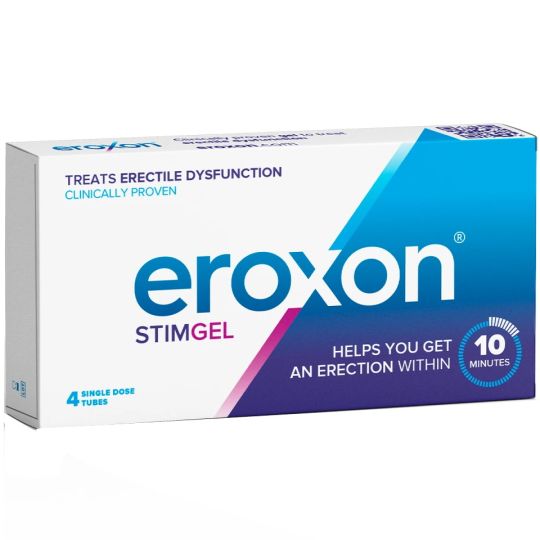
Eroxon Stimgel - 4 Pack
From £19.89
10% OFF
All Treatments
Account
Overview
Account
Overview
Treatments
Account
Taking sildenafil 100mg on an empty stomach can significantly improve its effectiveness and speed of onset. This comprehensive guide explains the official MHRA recommendations for optimal timing, what constitutes an empty stomach, and how food affects sildenafil absorption. Whether you're considering branded Viagra or generic sildenafil, understanding proper timing can help maximise treatment effectiveness. EverydayMeds offers both options following clinical assessment by UK-registered prescribers, ensuring you receive the most suitable treatment approach.
From £19.89
From £3.99

From £28.99

From £22.99

From £27.99

From £44.99

From £23.99

From £8.49
From £32.99


When PDE5 is suppressed, blood is able to flow more freely through the body—including to the (you guessed it) penis.

More blood flow to the penis means harder, more satisfying erections once you're sexually stimulated.
There is a lot of advice online about taking sildenafil on an "empty stomach". Some of it is accurate, but some of it makes the effect of food sound more dramatic than the evidence suggests. In simple terms, sildenafil is absorbed faster on an empty stomach and reaches a higher peak concentration. Food, particularly a high fat meal, can delay absorption by about an hour and lower the peak concentration by around 29%. However, it does not significantly change the total amount of sildenafil absorbed.
This guide explains what the product's Summary of Product Characteristics (SmPC), the official prescribing information for the medicine, says about sildenafil and food. It also looks at what this means in practical terms for adults in the UK using sildenafil for erectile dysfunction. Sildenafil works by increasing blood flow to the penis, but sexual stimulation is still needed for it to have an effect.
It is also worth being clear about what this guide can and cannot tell you. This is a plain English explanation of the available pharmacokinetic evidence, including how meals can affect the absorption of sildenafil and why meal timing may matter. It is not a set of personal instructions about exactly when you should take your medicine. Your prescriber can advise you based on your individual circumstances and the patient information leaflet (PIL). This is particularly important if you are seeking treatment through EveryDayMeds or another UK prescriber.
Yes, food can affect how quickly sildenafil is absorbed. The effect is particularly noticeable after a high fat meal. According to the product's SmPC, sildenafil is rapidly absorbed when taken on an empty stomach. Peak blood concentrations are typically reached within 30 to 120 minutes after taking a dose, with a median of around 60 minutes.
Sildenafil may start to work within around 30 to 60 minutes and its effects can last for around 4 to 6 hours, although individual responses vary.
When sildenafil is taken with a high fat meal, absorption follows a different pattern. The average time needed to reach peak concentration is around 60 minutes longer than when it is taken in a fasted state. The average peak concentration is also around 29% lower.
In simple terms, food does not switch sildenafil off. Instead, a high fat meal can make the medicine take longer to reach its peak level and can lower that peak level.
Importantly, the total amount of sildenafil absorbed is not significantly affected by food, according to the available pharmacokinetic data. This means that the effect of food is mainly about the speed and peak level of absorption, rather than preventing the medicine from being absorbed altogether.
So, the advice that you must always take sildenafil on an empty stomach for it to work is too absolute. A high fat meal can delay its onset, but it does not necessarily mean that sildenafil will not work. If meal timing is affecting your experience, speak with your prescriber or check the patient information leaflet for advice specific to your medicine.
There's no single official clinical definition that requires hours of strict fasting before taking sildenafil. The distinction that actually matters in the pharmacokinetic data isn't "food versus no food," it's the fat content of what you've eaten. A high-fat meal is what's specifically documented as slowing absorption. Water and other light, non-fatty fluids aren't documented as significantly affecting absorption in the available evidence.
This is worth knowing if you've come across advice suggesting you need to avoid all food, or fast for several hours, before taking sildenafil. The evidence points to a specific culprit, fat content, rather than the simple presence of food in your stomach.
Not necessarily. This is one of the points that can be confusing when you read advice online. The information in the SmPC specifically describes the effect of a high fat meal. Lighter meals and meals that are lower in fat are not associated with the same degree of delay in sildenafil absorption in the available pharmacokinetic data.
For example, a meal such as a fried breakfast is more likely to have the type of high fat content described in the product information, while a lighter meal may have less effect on how quickly sildenafil reaches its peak concentration. This does not mean that every high fat meal will affect everyone in exactly the same way, but it is a useful distinction rather than treating all food as if it affects sildenafil equally.
Some people may experience side effects such as nausea, dizziness or headache when taking sildenafil. These effects can occur whether or not the medicine is taken with food, and individual responses vary.
If you notice that you regularly feel uncomfortable when taking sildenafil without food, mention this to your prescriber. They can consider your symptoms, other medicines and overall health when advising you on how to use your treatment. It is better to discuss this rather than changing your dose or treatment routine on your own.
Headache, flushing, indigestion, nasal congestion, dizziness and nausea are among the known side effects of sildenafil. Alcohol can also make it more difficult to achieve an erection and may increase the risk of some side effects, such as dizziness. Keeping alcohol intake moderate may therefore be helpful when using sildenafil.
Staying well hydrated is generally sensible, although it should not be relied on as a way to prevent or treat a particular side effect. If you experience persistent or troublesome symptoms, speak with your prescriber.
If you have a digestive condition such as gastro-oesophageal reflux disease (GORD) that makes taking medicine without food uncomfortable, it is worth mentioning this to your prescriber. They can consider your digestive symptoms alongside your other health conditions and medicines when advising you about sildenafil.
Digestive conditions can vary from person to person, so there is not one approach that will be suitable for everyone. Your prescriber can also check whether any other medicines you take could affect the suitability or use of sildenafil.
The food related information for sildenafil is based on the active ingredient, sildenafil citrate, rather than the brand name. Branded Viagra and approved generic sildenafil contain sildenafil as the active ingredient, so there is no reason to expect a different food related effect simply because one is branded and the other is generic.
The choice between branded Viagra and generic sildenafil can therefore depend on factors such as availability, price and personal preference, rather than expecting one option to work differently with food.
Generic sildenafil is available in 25mg, 50mg and 100mg strengths in the UK. The usual starting dose for adults with erectile dysfunction is 50mg, although a prescriber may recommend 25mg or 100mg depending on individual circumstances. The maximum recommended dose is 100mg in a 24 hour period.
| Sildenafil (Generic) | Viagra (Branded) | |
|---|---|---|
| Active ingredient | Sildenafil citrate | Sildenafil citrate |
| Food effect | High-fat meals delay and soften absorption | High-fat meals delay and soften absorption |
| Effectiveness | Clinically equivalent | Clinically equivalent |
It is worth explaining where the information on food timing comes from, especially because many websites describe it as "official guidance" without explaining what that means.
The figures discussed here, including the delay in Tmax (the time taken to reach the highest blood concentration) and the reduction in Cmax (the highest blood concentration reached) after a high fat meal, come from the pharmacokinetic data in the Summary of Product Characteristics (SmPC) for sildenafil. The SmPC forms part of the medicine's licensed prescribing information.
This information helps explain how food can affect sildenafil absorption. However, it should not be treated as a personal instruction about exactly when you should take your medicine. Your patient information leaflet (PIL) is the most relevant source for your specific medicine, while your prescriber or pharmacist can explain how the information applies to you.
Treatment suitability depends on your individual clinical assessment. Your prescriber will decide whether sildenafil is appropriate for you, and how well it works can vary between individuals. No treatment can be guaranteed to work in exactly the same way for everyone.
Seek urgent medical attention if you experience:
Do not take sildenafil with nitrate medicines or riociguat. These combinations can cause a potentially dangerous drop in blood pressure.
You should also avoid grapefruit juice while taking sildenafil, as it may increase sildenafil levels in the blood and could increase the risk of side effects.
If you are unsure whether sildenafil is suitable for you, take other medicines, experience troublesome side effects, or feel that your treatment is not working as expected, speak with your prescriber or pharmacist.
Sildenafil should be used under the supervision of an appropriately qualified prescriber. Always read the patient information leaflet supplied with your medicine for the full instructions, and ask your prescriber or pharmacist if anything is unclear.
It's one of the most common conditions we treat, and one of the most treatable.

Achieve your goals in just a few simple steps.

Select safe UK treatments. Quick answers.

Our expert team will use your consultation as the basis of our recommendation and communicate with you.

We’ll deliver direct to you, as quickly as tomorrow.