
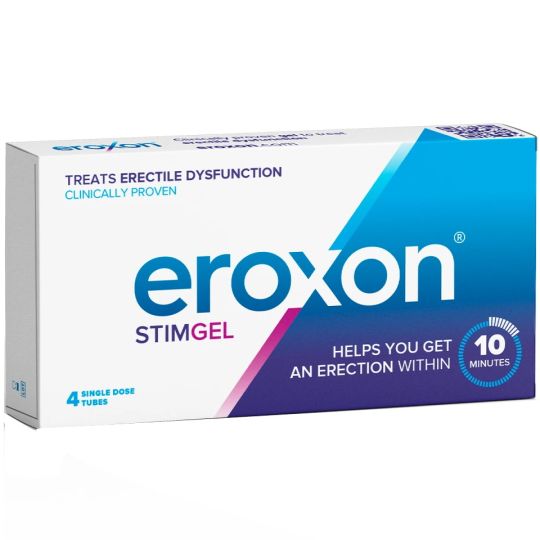
Eroxon Stimgel - 4 Pack
From £19.89
10% OFF
All Treatments
Account
Overview
Account
Overview
Treatments
Account
Viagra, containing the active ingredient sildenafil citrate, is a prescription medication that helps men achieve and maintain erections suitable for sexual activity. Understanding how Viagra works can help you make informed decisions about erectile dysfunction treatment. This comprehensive guide explains the mechanism of action, effects, and what to expect when taking this well-established medication.
From £19.89
From £3.99

From £28.99

From £22.99

From £27.99

From £44.99

From £23.99

From £8.49
From £32.99


When PDE5 is suppressed, blood is able to flow more freely through the body—including to the (you guessed it) penis.

More blood flow to the penis means harder, more satisfying erections once you're sexually stimulated.
Viagra works by inhibiting an enzyme called phosphodiesterase type 5 (PDE5). During sexual arousal, the body naturally releases nitric oxide in the penis, which triggers the production of cyclic guanosine monophosphate (cGMP). This chemical relaxes the smooth muscles in penile blood vessels, allowing increased blood flow that creates an erection.
The PDE5 enzyme normally breaks down cGMP, ending the erection. By blocking PDE5, Viagra allows cGMP levels to remain elevated for longer periods, helping maintain the erection throughout sexual activity. This is why sexual stimulation remains essential - Viagra enhances the body's natural response rather than creating artificial arousal.
Most men experience Viagra's effects within 30-60 minutes of taking the tablet. However, several factors can influence this timing. Taking Viagra with a large or fatty meal may delay absorption and slow the onset of effects. For optimal results, consider taking Viagra on an empty stomach or with a light meal.
The effects of Viagra can last approximately 4-6 hours, though this doesn't mean you'll have an erection for the entire duration. Instead, this represents the window during which you may find it easier to achieve erections when sexually aroused. The medication gradually leaves your system, with effects typically diminishing after this timeframe.
At EverydayMeds, patients can choose between branded Viagra and generic sildenafil at checkout. Both contain identical active ingredients and work in exactly the same way. The main differences lie in appearance, packaging, and price, with generic sildenafil typically offering a more cost-effective option for long-term treatment.
Whether you choose Viagra or sildenafil, the recommended starting dose is usually 50mg, taken approximately one hour before sexual activity. Your prescriber may adjust this to 25mg or 100mg depending on how well you respond to treatment and whether you experience any side effects.
Several factors can affect how well Viagra works for individual patients. Age, overall health, and the severity of erectile dysfunction all play roles in treatment response. Men with diabetes, cardiovascular disease, or other health conditions may require dose adjustments or additional considerations.
Alcohol consumption can reduce Viagra's effectiveness and increase the risk of side effects like dizziness or low blood pressure. While small amounts of alcohol are generally acceptable, excessive drinking should be avoided when planning to use this medication.
When taking Viagra for the first time, it's important to have realistic expectations. The medication may work differently from person to person, and some men find that effectiveness improves over the first few doses as they become accustomed to the treatment.
Common mild side effects include headaches, facial flushing, and nasal congestion. These typically resolve quickly and often become less noticeable with continued use. If you experience any concerning symptoms or the medication doesn't seem effective after several attempts, consult with your healthcare provider about alternative approaches.
It's one of the most common conditions we treat, and one of the most treatable.

Achieve your goals in just a few simple steps.

Select safe UK treatments. Quick answers.

Our expert team will use your consultation as the basis of our recommendation and communicate with you.

We’ll deliver direct to you, as quickly as tomorrow.