Talking to Your GP About Erectile Dysfunction
- Directly addresses a common worry: does the GP's gender matter?
- A real, practical framework for describing symptoms clearly and efficiently
- Explains what a GP actually does with the information you give them
- Online consultation with UK-registered prescribers
A GP can help with erectile dysfunction, it is one of the most common reasons men book an appointment, and GPs are trained to handle this conversation professionally and without judgement, regardless of their own gender. Erectile dysfunction is common, particularly as men get older, so if you are experiencing it, you are far from alone. The GP's gender does not affect their ability to assess and help you properly, this is a completely normal, routine consultation from their side, even if it does not always feel that way from yours.
This guide covers how to prepare, how to describe what is happening clearly, and what actually happens during and after the appointment, so the conversation itself feels less like the hardest part. If erection problems are persistent or keep happening, it is worth speaking to a GP.
Key things to know
- A GP can assess and help with erectile dysfunction, this is a routine, common consultation for them.
- The GP's gender does not affect their ability to help you, or their professional obligation to treat the conversation seriously and confidentially.
- Describing the pattern and timing of your symptoms clearly helps the GP identify the likely cause more efficiently.
- You do not need to have a theory about the cause before your appointment, that is what the assessment is for.
- A short list of specific details prepared beforehand makes the conversation considerably easier for most men.
Can a GP Actually Help With This?
Yes. Erectile dysfunction is a common reason men see a GP, and it is a condition GPs are specifically trained to assess, considering physical, hormonal, and psychological causes, as well as underlying health conditions and other medical conditions, and to either manage directly or refer on for further investigation where needed. This is not an unusual or awkward request from the GP's perspective, even if it can feel that way from yours, it is a routine part of general practice.
A GP can also check for health conditions sometimes linked to erectile dysfunction, and assess cardiovascular disease and metabolic risk factors that may affect blood flow through the blood vessels, including heart disease, high blood pressure, and hormone levels, making the appointment useful beyond just the immediate symptom. Erectile dysfunction can sometimes be associated with cardiovascular disease and diabetes, so it may prompt a review of underlying health risks.

Does It Matter If Your GP Is Male or Female?
No, it does not affect the quality or appropriateness of the assessment. GPs are trained to assess erectile dysfunction regardless of the patient's or GP's gender, and the same professional confidentiality requirements apply. This is a common worry, but it is not something GPs find unusual to discuss, and a female GP will approach this consultation with the same clinical professionalism as a male GP would.
If you'd still prefer to see a specific GP for personal comfort, most practices allow you to request a particular doctor where possible, though this is not necessary for the consultation to be handled properly, and waiting specifically for a preferred GP should not delay you from seeking help if the wait would be significant.
It is worth being honest that this worry is common and understandable, raising a personal, physical topic can feel different depending on who you are speaking to, this is a normal reaction, not something to feel embarrassed about. What is worth remembering is that from the GP's side, this is one of many routine consultations they handle regularly, they have had this exact conversation many times before, with patients of every background, and their focus is entirely on understanding your situation properly, not on any social awkwardness you might be anticipating.
Preparing Before Your Appointment
- How long this has been happening, roughly, days, weeks, or months.
- Whether it is a gradual change or came on suddenly.
- Whether spontaneous or waking erections still occur
- Any medications you are currently taking, including anything started around when symptoms began, as some medicines can cause erectile dysfunction and the timing may help your GP assess whether the medicine could be contributing.
- Any other symptoms, such as low energy, low mood, or changes noticed alongside this.
- Be ready to discuss relevant health and symptom history if asked, as this is a routine part of the assessment and helps build a complete medical picture.
You do not need a polished explanation or a theory about what may cause erectile dysfunction. Jotting down a few honest notes beforehand is enough to help your GP build a clearer medical and symptom history, making the conversation easier and more efficient.
How to Describe Your Symptoms Clearly
Being specific rather than general helps a GP identify the likely cause more efficiently, this does not need to be clinical or technical, just accurate and honest.
Timing and Pattern
Mention roughly when this started, and whether it happens consistently or only in certain situations. A gradual change over months points differently to a sudden change over days, and consistent difficulty differs from something that only happens occasionally.
What's Changed
If you have noticed that spontaneous or waking erections have become less frequent, mention this during your assessment, as it may provide useful information about possible causes. If they remain unchanged, that is also worth mentioning. Differences in erectile function between situations can provide additional clinical information and help your GP build a clearer picture of the possible contributing factors.
What Else Is Relevant: Medical History
Mention any new medications, significant stress, changes in mood, energy, or mental health, including mental health conditions and other mental health issues, or other health changes around the same time, even if you are not sure they are connected. A GP is better placed to judge relevance than you are, so it is worth including anything that comes to mind rather than filtering it out yourself. Psychological factors such as stress, anxiety, depression and relationship difficulties can contribute to erectile dysfunction, either on their own or alongside physical factors.
What a GP Actually Works From
GPs assessing erectile dysfunction generally work from structured clinical reference material summarising the recognised causes, assessment approach, and red flags for this condition, rather than relying purely on individual judgement or memory. This typically means considering your medical history, current medications, cardiovascular risk factors, and the specific pattern of your symptoms, following an established, evidence-based structure rather than an ad hoc approach. A clinician may also use a validated questionnaire, such as the IIEF or SHIM, as part of the assessment.
This is worth knowing, since it means your GP is not improvising, they are working through a structured process designed to identify which of several recognised causes, vascular, hormonal, neurogenic, psychogenic, or mixed, applies to your specific situation.
This structured approach also means the specific details you provide, timing, pattern, whether spontaneous erections occur, recent medication changes, feed directly into a recognised assessment process, rather than simply being background colour.
As part of that process, where appropriate, your GP may carry out a targeted physical exam, including blood pressure and cardiovascular status checks, arrange blood or urine tests where appropriate, which may include checks related to blood glucose, cholesterol or hormone levels.
The more precisely you can describe your situation, the more efficiently that structured process can identify the likely cause, which is exactly why the preparation covered above makes a practical difference to how the appointment goes.
What Happens During the Appointment
A typical appointment involves the GP asking about your symptoms, medical history, medications, and lifestyle, similar to the preparation points above, and they will usually review lifestyle choices and any medicines that might contribute to erection problems, including common examples such as beta-blockers or SSRI antidepressants.
Depending on what emerges, they may suggest blood tests, particularly for hormone levels, or a review of cardiovascular risk factors like blood pressure and cholesterol, and erectile dysfunction treatment often starts in primary care with lifestyle changes and PDE5 inhibitors as first-line care, with follow-up to assess how well treatment is working and whether side effects of erectile dysfunction medicines need review.
This is not usually a single-visit process to a final answer, it is often the start of a structured assessment that may continue over one or two further contacts.
It is worth knowing that most of this appointment is conversation, not examination, in many cases, a physical examination is not required at all for an initial assessment, though a physical exam may be included when clinically indicated, and where one is needed, it will be explained clearly beforehand, you are never examined without understanding why.
Many men find the appointment itself considerably more straightforward than they'd anticipated, largely because it is mostly a structured conversation rather than anything more involved.
What Happens After: Erectile Dysfunction Medicines and Next Steps
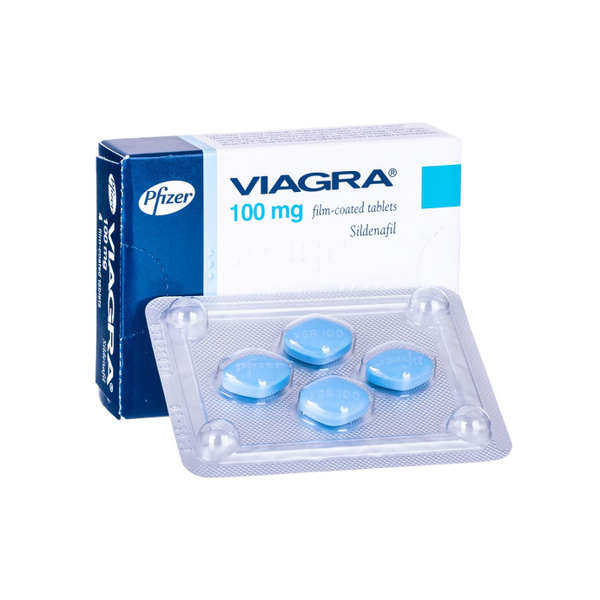
Depending on what is identified, next steps might include addressing an underlying cause, discussing treatment options suited to your circumstances, or arranging further tests or a referral if something more specific needs investigating. PDE5 inhibitors such as sildenafil or tadalafil are commonly used treatments when appropriate. Tadalafil can remain effective for up to around 36 hours, providing a longer window in which sexual stimulation may lead to an erection. If tablets are not suitable or do not work well enough, other treatments, including alprostadil or vacuum erection devices, may be considered. Treatment suitability depends on your individual assessment.
A Simple Way to Structure What You Say
If you are worried about how to actually start the conversation, a simple, honest opening works better than trying to find the perfect wording. Something like "I have been having difficulty with erections for the past few months and wanted to get it checked" gives the GP everything they need to begin, directly and without unnecessary detail upfront. You do not need a build-up or an apology, GPs are used to patients getting straight to the point on this topic, and appreciate it.
From there, the GP will typically ask follow-up questions themselves, guiding the conversation through the areas covered earlier, timing, pattern, other symptoms, rather than expecting you to deliver a complete, organised account unprompted. Trust that the structure of the conversation is largely their job, your job is simply to answer honestly.
Common Worries About This Conversation and Mental Health
| Worry | Reality |
|---|---|
| Will the GP judge me? | This is a routine, common consultation for GPs, not something they find unusual or awkward |
| Will a female GP react differently? | No, all GPs are trained to the same clinical standard and bound by the same confidentiality obligations, regardless of gender |
| Do I need to know the cause before I go? | No, identifying the cause is what the assessment is for, you do not need a theory prepared |
| Will this take a long, awkward appointment? | A focused, prepared description of your symptoms generally makes this a straightforward, efficient consultation |
Red Flags Worth Mentioning Immediately
- Chest pain, breathlessness, or other symptoms occurring alongside this, mention this immediately, it needs prompt medical attention.
- A sudden, significant change in erectile function, particularly if accompanied by other new symptoms, is worth mentioning to your GP.
- Persistent low energy, low mood, or other symptoms alongside the erectile symptoms.
- Any pain, or a noticeable change in structure or appearance, including Peyronie's disease, is worth mentioning promptly.
Mentioning these clearly and early in the conversation helps ensure they are properly addressed, rather than left as an afterthought, and it can also help flag whether longstanding diabetes with high blood sugar levels may have damaged blood vessels and contributed to erectile problems.
Medical Disclaimer
This page provides general information about discussing erectile dysfunction with a GP. It is not a substitute for personalised medical advice. Treatment suitability depends on an individual clinical assessment. Your prescriber will determine the appropriate treatment for you. Results vary between individuals. If you experience chest pain or breathlessness, seek urgent medical attention; for ongoing symptoms, seek medical advice rather than self-treating or relying on unverified herbal remedies.
Frequently Asked Questions
Q: Can a GP help with erectile dysfunction?
Q: Does it matter if my GP is female?
Q: How do I describe erectile dysfunction to a doctor?
Q: How do you talk to your GP about erectile dysfunction?
Q: Do I need to know what is causing my erectile dysfunction before seeing a GP?
Q: What does a GP actually do during an erectile dysfunction appointment?
Q: Will I be judged for talking about erectile dysfunction with my GP?
Q: Can I request a specific GP to discuss this?
Q: What should I mention immediately during the appointment?
Q: What happens after the first GP appointment about this?
Q: What is a good way to start the conversation with my GP?
Q: Will I need a physical examination for erectile dysfunction?
How to Help With Erectile Dysfunction (You or a Partner)
ED and Blood Flow: How It Actually Works | EveryDayMeds
Related Posts


Viagra Pharmacy UK: How Sildenafil Supply Works

Do You Need a Prescription for Viagra in the UK?

Can You Buy Viagra Over the Counter in the UK?


Viagra Price UK: Understanding Sildenafil Costs