Erectile Dysfunction and Blood Flow: How It Actually Works
An erection depends on two separate blood flow processes working correctly together, sufficient blood flowing into the erectile tissue, and that blood then being retained there under pressure. Erectile difficulties can involve problems with blood entering the erectile tissue, maintaining the pressure needed for rigidity, or other factors that affect the erectile response.
This guide explains both halves of the mechanism clearly, what commonly impairs each, and exactly how different treatments address blood flow specifically, rather than treating it as one vague, undifferentiated concept.
Key things to know
- An erection depends on two separate processes, blood flowing in, and blood being retained, either can fail independently.
- Cardiovascular health is an important modifiable factor affecting blood flow to the erectile tissue.
- Diabetes has a particularly strong, well-documented link to blood-flow-related erectile dysfunction.
- Different treatments target different parts of the mechanism, tablets, devices, and injections do not all work the same way.
- Blood flow is not always the whole picture, hormonal and psychological factors are also genuinely relevant for many men.
The Two-Part Blood Flow Mechanism
During the body's normal erectile response, nerves release chemicals such as nitric oxide. This relaxes the blood vessels controlling circulation to the penis, allowing more blood to enter the erectile tissue. This is the inflow stage.
As the erectile tissue fills, it presses against the surrounding sheath and compresses the veins that would normally carry blood away. This helps retain blood under pressure and maintain the erection, known as the retention stage. Both stages need to work correctly and in sequence for a normal, sustained erection.
Reduced blood inflow can make it harder to achieve or maintain an erection, while problems maintaining the pressure within the erectile tissue can contribute to an erection that fades. In practice, the pattern alone cannot establish the underlying cause.
This tight coordination is exactly why relatively small disruptions, whether to blood vessel health, nerve signalling, or the venous compression mechanism, can have a noticeable effect on the overall outcome, even when the disruption itself seems minor in isolation.
What Impairs Blood Flow Into the Erectile Tissue
Inflow problems are frequently a vascular issue, related to the health of the arteries supplying the erectile tissue. Narrow or damaged blood vessels, including clogged arteries, often linked to high cholesterol, diabetes, smoking that damages blood vessels and restricts blood flow, or high blood pressure that can impair circulation and lead to ED, reduce how effectively blood can flow in during arousal.
Since these arteries are relatively small, they can be among the first in the body to show the effects of broader vascular changes, sometimes before symptoms appear elsewhere.
Erectile dysfunction can be associated with cardiovascular risk factors, which is one reason persistent ED may warrant a wider health assessment.
Nerve signalling also plays a role at this stage, since the initial nitric oxide release depends on intact pathways in the nervous system carrying the arousal signal through the spinal cord. Damage to these nerves, whether from a nerve-affecting condition, injury, or certain surgeries, can impair the inflow stage even when the blood vessels themselves are entirely healthy, this is why a proper assessment considers nerve function alongside vascular health, rather than assuming vascular causes explain every inflow-related pattern.
What Impairs Blood Retention Once It is There
As the erectile tissue fills with blood, pressure within the penis increases and helps restrict blood leaving the erectile tissue. The surrounding tissues and pelvic floor muscles also contribute to maintaining rigidity.
If this pressure is not maintained effectively, an erection may become less firm or fade. However, an erection that fades does not by itself mean that you have a "venous leak", as many other physical and psychological factors can cause the same pattern. A clinician can assess the likely cause if erection-maintenance problems persist.
Pelvic-floor muscle training may improve erectile function in some men and can be discussed with a healthcare professional or physiotherapist.
Cardiovascular Health: The Single Biggest Modifiable Factor
Since the inflow stage depends entirely on healthy blood vessels, cardiovascular health is genuinely the single most significant modifiable factor affecting blood-flow-related erectile dysfunction.
Lifestyle modifications can significantly improve erectile dysfunction and improve erectile function, especially when they include a heart-healthy diet that supports vascular health, regular activity, and not smoking.
Managing blood pressure, cholesterol and blood sugar is important for overall cardiovascular health, and maintaining a healthy weight matters because excess weight increases the risk of conditions that lead to poor blood flow.
This connection also works in the other direction, worth knowing specifically, erectile dysfunction linked to blood flow can be an early warning sign of cardiovascular disease, which is exactly why a proper assessment considering your wider cardiovascular health, not just the erectile symptom in isolation, is genuinely valuable.
Diabetes and Blood Flow
Diabetes has a strong and well-established association with erectile dysfunction because persistently high blood glucose can damage both blood vessels and nerves involved in normal erectile function. Erectile dysfunction is common among men with diabetes, and the risk generally increases with factors such as longer duration of diabetes, older age and poorer metabolic control.
This connection works through consistently high blood sugar gradually damaging blood vessels and nerves over time, which is exactly why good blood sugar control is genuinely protective for this specific mechanism, not just for diabetes management generally.
Erectile difficulties may sometimes prompt a wider health check, particularly when other risk factors for diabetes or cardiovascular disease are present.
How Treatments Actually Address Blood Flow
Different treatment types work through genuinely different parts of the blood flow mechanism, worth understanding rather than treating them as interchangeable.

PDE5 Inhibitor Tablets
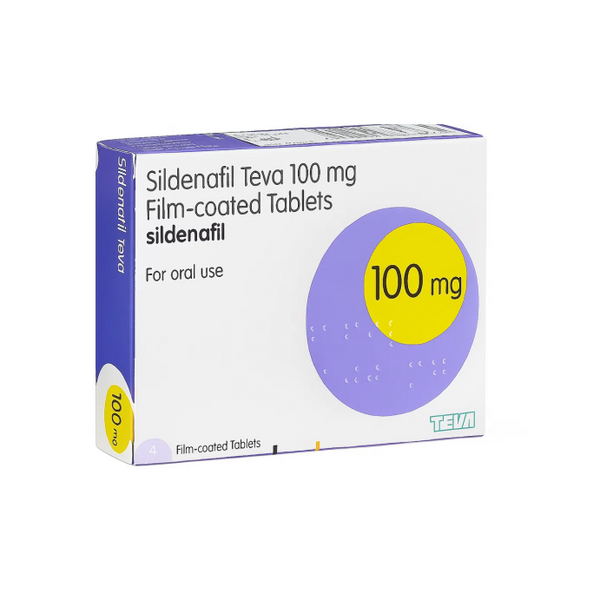
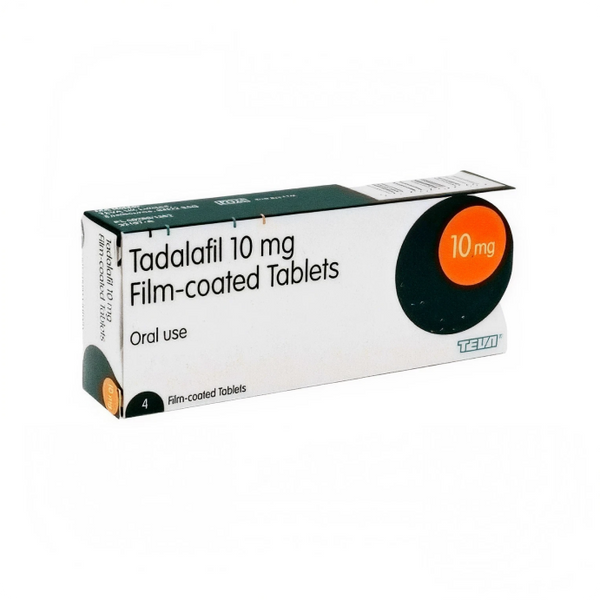
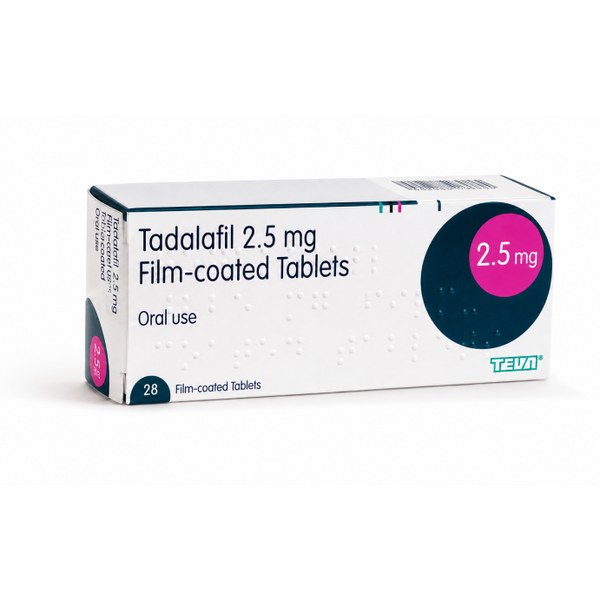
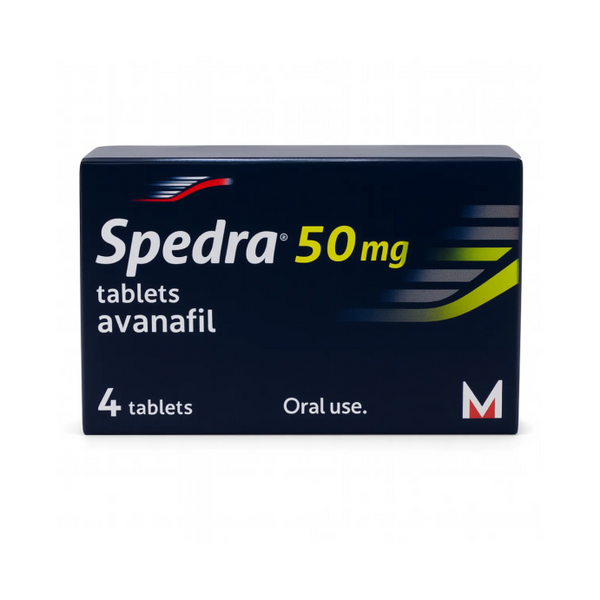
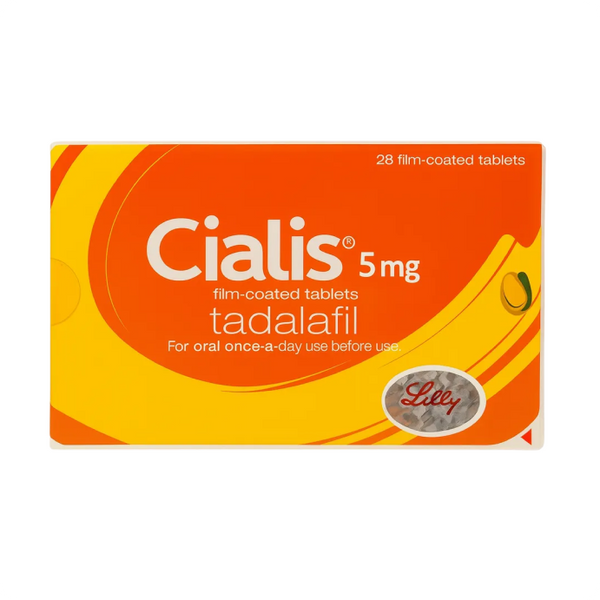
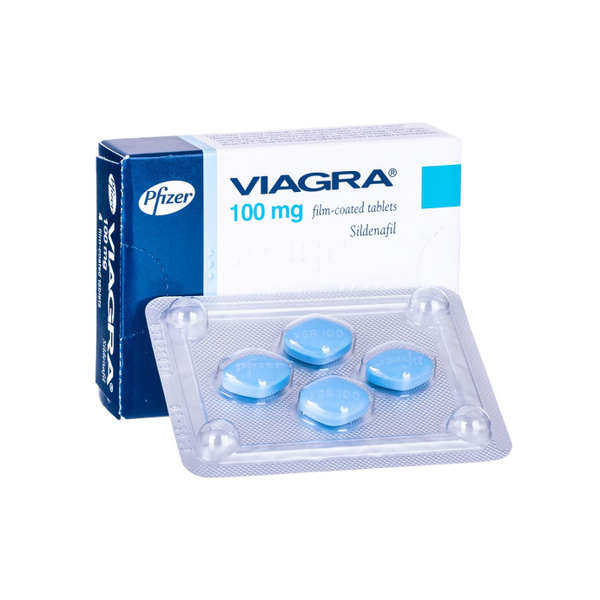
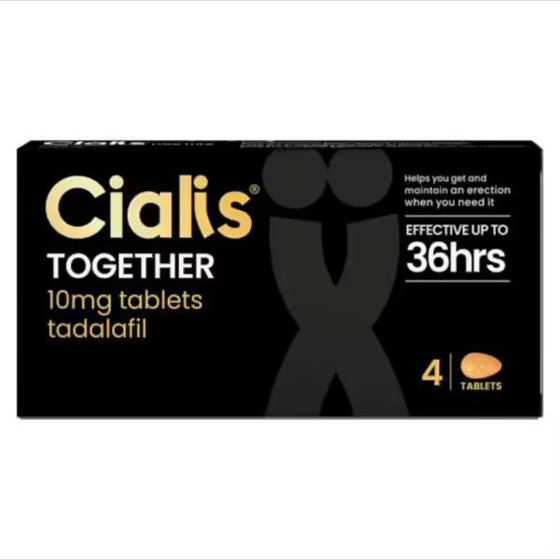
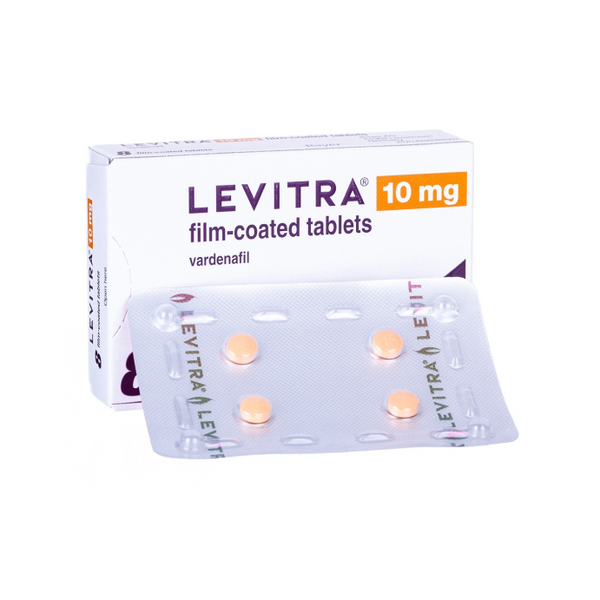
These oral medicines work at the inflow stage by blocking an enzyme that normally reduces nitric oxide's blood-vessel-relaxing effect. This helps improve blood flow to the penis by supporting the natural process involved in developing an erection, although the body's normal response still needs to be triggered for the medicines to work effectively and support penile rigidity.
The underlying nitric oxide signalling pathway also needs to remain functional, which is why these tablets may be less effective when nerve signalling is significantly disrupted. Response rates vary depending on the specific medicine and individual circumstances. Some treatments have a shorter period of action, while others may remain effective for considerably longer.
Vacuum Erection Devices
These work mechanically rather than pharmacologically: a vacuum erection device, also called a penis pump, draws blood into the erectile tissue directly using a vacuum, then uses a constriction ring to address the retention stage, holding that blood in place, which can also be useful for men with only partial erections. Vacuum erection devices can be effective for many men and may be useful when tablets are unsuitable or ineffective.
Alprostadil
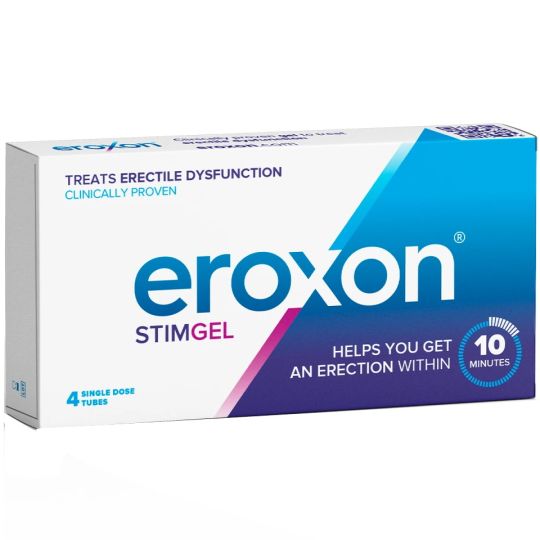
Alprostadil acts directly on erectile tissue and can be given in different formulations, including injections and certain urethral or topical preparations depending on the product and country. It may be considered when oral PDE5 inhibitors are unsuitable or ineffective. Priapism, including a prolonged or painful erection, is a potentially serious adverse effect requiring urgent medical attention.
What Genuinely Improves Blood Flow Over Time
| Approach | Why it helps blood flow specifically |
|---|---|
| Regular aerobic exercise | Includes cardiovascular exercises that help increase blood flow by improving heart function and blood vessel flexibility |
| Managing blood pressure and cholesterol | Addresses the arterial health the inflow stage depends on |
| Not smoking | Smoking progressively damages the blood vessels involved |
| Good blood sugar control | Protects against the vascular and nerve damage diabetes can cause |
| Pelvic floor exercises | Targets the muscles involved in the retention stage specifically |
| Reducing alcohol intake | Can improve erectile function over time |
| Stress reduction | Can help reduce psychological factors such as stress and anxiety that may interfere with erectile function. |
These changes work gradually, over weeks to months of sustained effort, rather than producing an immediate effect, which is worth setting as a realistic expectation from the outset.
When Blood Flow Is not the Whole Picture
Blood flow is an important physical factor, but it is not the only one. Hormonal causes, particularly low testosterone, ageing and psychological factors can also contribute to erectile difficulties, sometimes alongside vascular problems rather than instead of them. Low testosterone may affect normal erectile function and overall wellbeing, and appropriate management may be considered following clinical assessment.
Psychological factors, particularly anxiety and depression, can also contribute by affecting the body's normal response and blood-flow processes involved in achieving an erection. A proper assessment considers vascular, hormonal, psychological and other possible contributors together rather than assuming blood flow explains every case.
Red Flags Worth Knowing
- Chest pain, breathlessness, or other symptoms occurring alongside erectile difficulty, this combination needs prompt medical attention.
- A sudden significant change, particularly if accompanied by other new symptoms.
- Erectile difficulties alongside symptoms of poor circulation, such as leg pain when walking, are worth discussing with a clinician.
- Persistent difficulty despite genuine, sustained lifestyle changes.
Medical Disclaimer
This page provides general information about erectile dysfunction and blood flow. It is not a substitute for personalised medical advice. Treatment suitability depends on an individual clinical assessment. Your prescriber will determine the appropriate treatment for you. Results vary between individuals. If you experience chest pain or breathlessness, seek urgent medical attention.
Frequently Asked Questions
How does blood flow cause erectile dysfunction?
What medicine helps with blood flow for ED?
Does poor circulation cause erectile dysfunction?
Can improving blood flow reverse erectile dysfunction?
What is the difference between an inflow and a retention problem?
Does diabetes affect blood flow and erectile function?
How do vacuum erection devices work for blood flow?
Can exercise improve blood flow for erectile dysfunction?
Is erectile dysfunction from blood flow always a vascular problem?
When should I see a doctor about blood-flow-related erectile difficulty?
Do PDE5 inhibitors and vacuum devices work through the same mechanism?
Can nerve damage affect blood flow to the erectile tissue even if blood vessels are healthy?
Talking to Your GP About Erectile Dysfunction | EveryDayMeds
Buy ED Treatment Online: A Safe, Step-by-Step Guide
Related Posts


Viagra Pharmacy UK: How Sildenafil Supply Works

Do You Need a Prescription for Viagra in the UK?

Can You Buy Viagra Over the Counter in the UK?


Viagra Price UK: Understanding Sildenafil Costs