Tadalafil Reviews: How to Read Patient Experiences Critically
- A genuine guide to critically evaluating tadalafil reviews and patient experiences
- Confirmation that Accord Healthcare is a genuine, UK-licensed tadalafil manufacturer
- Clear explanation of what counts as real evidence versus anecdote
- Online consultation with UK-registered prescribers for a genuine, individual assessment
Yes, Accord Healthcare is a genuine, UK-licensed manufacturer of generic tadalafil tablets, regulated by the MHRA. That's the straightforward part. The more useful question, and the one this page actually focuses on, is how to read reviews and patient experiences of any tadalafil product critically, since a review, however genuine, tells you something quite different from what it might seem to at first glance. This distinction is worth holding onto throughout: confirming a manufacturer is genuine is a factual, checkable question with a simple answer; evaluating what a review actually tells you is a thinking skill, and it's the more useful one to build.
This isn't a page of reviews, and it deliberately doesn't pretend to summarise or represent what other people have said. Instead, it's a guide to the thinking skill itself: what a review can and can't actually tell you, and what genuinely counts as reliable evidence when you're trying to work out whether a medicine might suit you. Each section stands on its own, so you can go straight to whichever question brought you here.
Is Accord Healthcare Tadalafil Genuine? The Direct Answer
Yes. Accord Healthcare, also operating in the UK as Accord-UK Ltd, is a genuine pharmaceutical manufacturer with UK regulatory approval to produce generic tadalafil tablets. Their tadalafil products are listed on the UK's official medicines information register, with the manufacturer correctly identified, which is exactly what you'd expect from a genuinely licensed generic product. This part of the question has a simple, checkable answer; the more interesting question is what to do with reviews about it, or about tadalafil generally. Being a genuine manufacturer says nothing, either way, about what any individual review of their product actually proves, which is precisely the distinction the rest of this guide focuses on.
Why Read Reviews Critically? The Core Problem
A review tells you what happened for one person, described in their own words, often some time after the event, and shaped by their own expectations going in. It doesn't tell you what will happen for you, and it isn't designed to. Treating a review, or a collection of reviews, as though it carries the same weight as genuine clinical evidence is a common but significant misunderstanding of what reviews actually are. This isn't a criticism of anyone who writes or reads reviews; it's simply an honest account of what kind of information a review structurally is, and isn't, capable of providing.
What Reviews Can't Tell You
One Person Isn't a Trial
A single account, however detailed and honest, is one data point. Individual response to any medicine varies considerably, for reasons that include genuine biological differences, other health conditions, other medicines being taken, and simple chance. None of these individual factors are visible in a typical review, which is exactly why a review can't account for how they might apply to you specifically. A review that says something worked brilliantly, or didn't work at all, is describing what happened in one specific case, not a reliable prediction for anyone else, including you. Controlled evidence is more useful here: in studies of treatment for erectile dysfunction, tadalafil has been shown to improve erectile function and sexual satisfaction compared with placebo. Reports of better firmness and more reliable erections during sexual activity are common, but even that does not let one review predict an individual result. Reading ten reviews doesn't fix this either, unless those ten reviews happen to reflect a genuinely representative sample, which, for reasons covered next, they usually don't.
The Placebo Effect Is Real
Expecting a medicine to work can genuinely influence how an experience is perceived and reported, entirely separately from what the medicine itself is doing pharmacologically. This isn't a criticism of anyone writing a review; it's a well-established feature of how human perception and reporting work, and it's exactly why genuine clinical trials use a placebo comparison group in the first place, to separate a real effect from this kind of expectation-driven perception. This applies to genuinely honest reviewers just as much as anyone else; it isn't a matter of dishonesty, but of how perception itself works, which no amount of good faith on the reviewer's part can fully correct for.
Who Actually Leaves a Review?
People with unusually strong reactions, either very positive or very negative, are considerably more likely to write a review than people with an unremarkable, middling experience. Even highly positive user feedback for Accord Healthcare’s tadalafil, which can suggest reliability, may still reflect selection bias rather than a complete picture. This means the reviews that exist for almost any product are rarely a representative sample of everyone who's actually used it; they skew towards the extremes, which distorts the overall picture in a way that's easy to miss if you're reading a handful of reviews and assuming they reflect the typical experience. Aggregate figures can sound persuasive, but averages such as 8.4 to 8.5 out of 10, 4.8 out of 5, or 4.47 out of 5 from 3636 reviews still may not represent all customers. The person for whom a medicine did exactly what was expected, with no notable side effects and no dramatic story either way, is precisely the person least likely to ever write about it, which quietly removes what might actually be the most common experience from the visible picture entirely.
Genuine Evidence vs Anecdote: What's the Difference?
| Clinical trial evidence | A review or anecdote | |
|---|---|---|
| Comparison | Controlled, often against placebo | None; a single uncontrolled account |
| Population | Defined, measured group of participants | One person |
| Bias control | Designed to minimise expectation and selection bias | Fully subject to both |
| Outcome measurement | Pre-defined, consistent criteria | Subjective, described in the reviewer's own words |
| What it can tell you | Whether an effect is genuinely attributable to the medicine, on average | What happened for one specific person |
None of this means reviews are dishonest. It means they're answering a fundamentally different question from the one clinical evidence answers, and conflating the two leads to conclusions the underlying information doesn't actually support. Recognising which question you're actually getting an answer to is the single most useful habit this whole comparison is meant to build.

Red Flags in Reviews Worth Recognising
Suspiciously Uniform Language
A cluster of reviews using strikingly similar phrasing, structure, or specific word choices is a genuine signal worth noticing, since authentic, independently written reviews from different people tend to vary considerably in how they're expressed. Similarity across supposedly unrelated reviews is more consistent with coordinated or fabricated content than with genuine, independent experiences. Genuine people describing genuinely different experiences rarely land on nearly identical sentence structures by coincidence.
Overly Dramatic Claims
Reviews describing an effect far beyond what's plausible for the medicine in question, particularly language resembling “miracle” or “instantly transformed”, are worth treating with real scepticism. Genuine individual experiences, even very positive ones, are usually described with more ordinary, specific language than sweeping, superlative claims. The gap between a genuinely enthusiastic but plausible account and an implausibly dramatic one is usually noticeable once you're specifically looking for it.
Reviews With No Detail At All
A review that's entirely generic, with nothing specific to the actual product, condition, or experience, is harder to trust than one with genuine, plausible specifics. This isn't proof of fabrication on its own, but a pattern of vague, interchangeable reviews across a product is worth noticing. A genuine reviewer usually has something specific to say, even briefly; a review that could be copy-pasted onto an entirely different product without anyone noticing is a reasonable thing to be sceptical of.
A Simple Question to Ask Yourself
Before treating any review as meaningful, it's worth asking a simple question: is this the kind of thing one person's account could genuinely tell me, or is this a question that actually needs a controlled comparison, or my own individual clinical picture, to answer properly? This one habit of pausing to ask is more valuable than any specific list of things to check. Delivery speed, packaging, or how a query was handled genuinely can be reasonably judged from someone else's account. These are the kinds of details a review is genuinely well suited to describing. Whether a medicine will work, or is safe for you, generally can't. Keeping these two categories separate is the practical core of reading reviews critically. Applying this one question consistently does most of the real work of reading reviews critically, more than any specific checklist of red flags.
Does This Mean Reviews Are Worthless?
No, not entirely, but their genuine usefulness is more limited than it's often treated as. A review might reasonably tell you something about a company's customer service, delivery experience, or communication, areas where individual anecdote is actually a reasonable source of information. These are practical, logistical questions where one person's account genuinely does carry some relevance to what you might expect. What a review can't reliably tell you is whether a medicine will work for your specific situation, or what your own individual risk of a particular side effect might be; those are genuinely clinical questions that anecdote isn't equipped to answer. The honest position sits between two extremes, treating reviews as gospel, and dismissing them as entirely meaningless; the useful skill is knowing which of these two categories any given question actually falls into.
What Actually Counts as Reliable Information
For questions about how a medicine works, its licensed uses, and its safety profile, the genuinely reliable sources are a medicine's official prescribing information, approved by UK regulators, and the clinical trial evidence behind its licensing, including that tadalafil is used for ed and benign prostatic hyperplasia, typically starts working within 30 to 60 minutes, and can remain effective in the body for up to 36 hours. That longer duration may improve quality of life by reducing pressure compared with shorter-acting treatments. For a question specific to you, whether tadalafil is appropriate given your own health, other medicines, and personal circumstances, the reliable source is an individual clinical assessment with a prescriber, not a review written by someone in a completely different situation. These two categories, general evidence and individual assessment, cover what reviews genuinely can't. Between the two, almost every genuine question about a medicine has a proper home; the gap reviews are left to fill is smaller, and less important, than it might first appear.
Getting Started in the UK
What an Online Consultation Covers
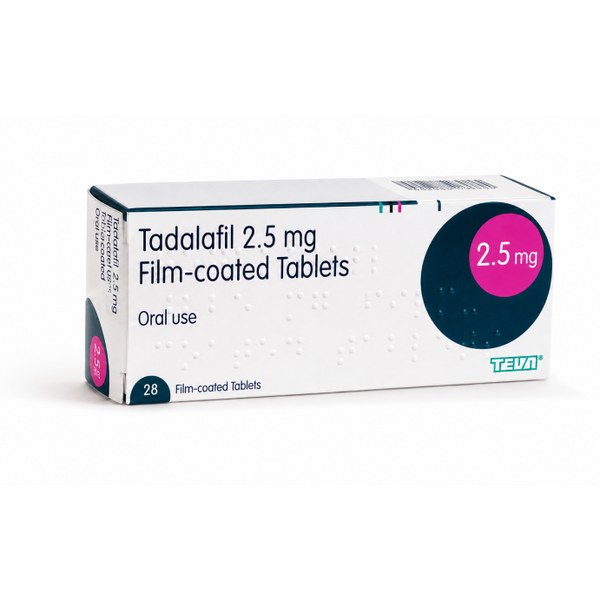
An online consultation with UK-registered prescribers covers your medical history and current medicines, and helps the prescriber check the right dose for you, including 2.5mg, 5mg, tadalafil 10mg, and tadalafil 20mg, so a prescriber can determine whether tadalafil is suitable for you specifically, based on your own circumstances rather than anyone else's reported experience. It isn't a fast-track to a prescription regardless of suitability. A prescriber will only prescribe where it's safe and appropriate for you. The consultation should also cover common side effects and possible symptoms, including headache, indigestion, muscle aches that may occur 12 to 24 hours later, and a stuffy nose; severe side effects are less common but possible, and an erection lasting more than 4 hours needs immediate medical attention from a doctor. If something you've read in a review has raised a genuine question, that's worth bringing to this conversation rather than trying to resolve it by reading more reviews.
Getting Started
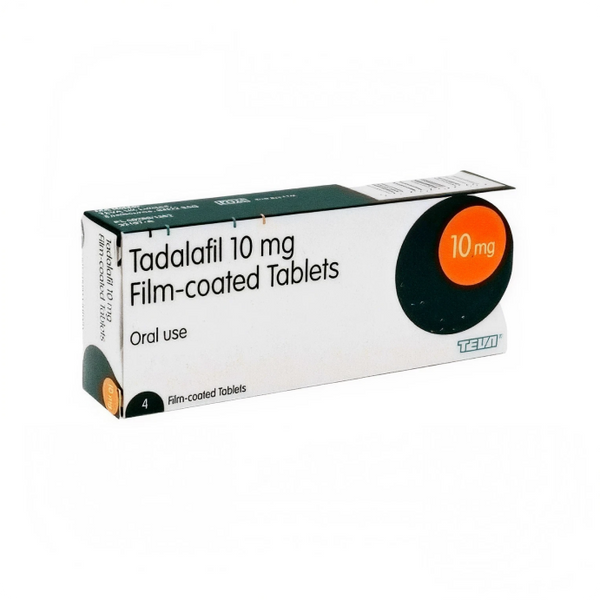
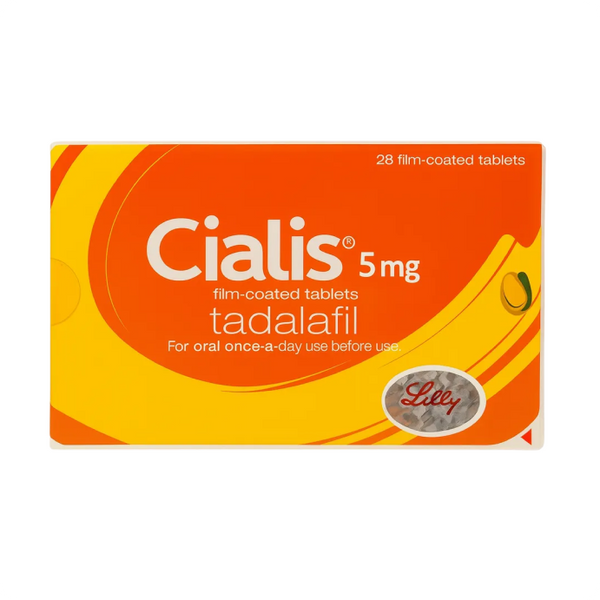
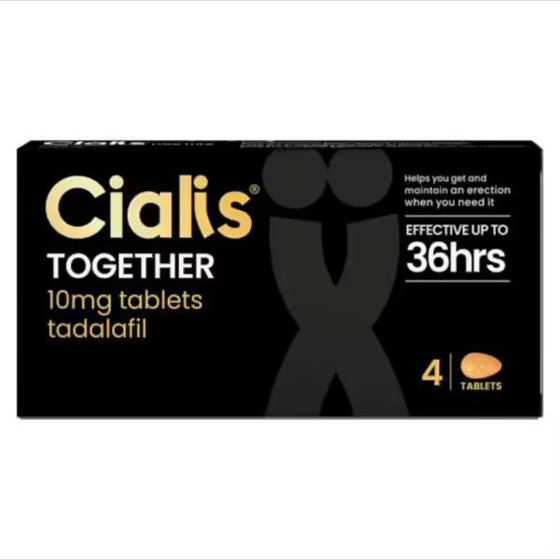
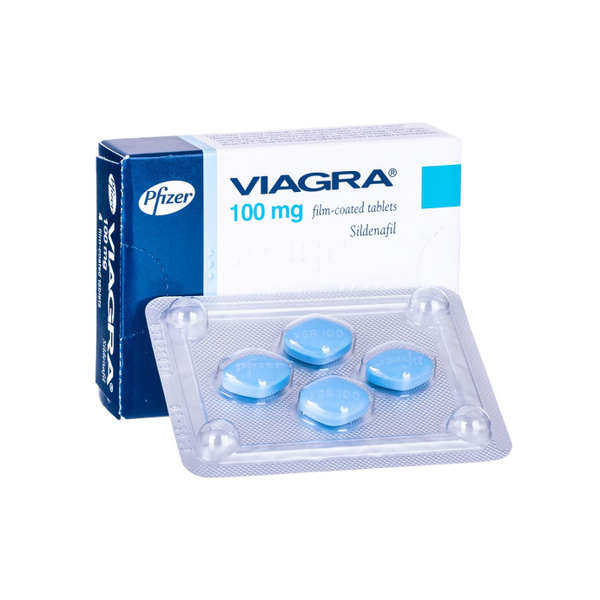
If you're considering tadalafil, start with an online consultation with UK-registered prescribers. They can talk through what's actually relevant to your situation, rather than what a stranger's review happened to describe. Medicine is dispensed from a GPhC-registered pharmacy and sent out in discreet packaging, with ongoing support available if treatment continues. As one of the common oral generic medications, tadalafil is generally regarded as a cost-effective alternative to branded options such as cialis. There can be a big difference in price: tadalafil 10mg costs £8.49 for 4 tablets versus £38.99 for 4 tablets of Cialis, and tadalafil is £2.75 per pill compared with £6.25 per pill for viagra. There's no need to have read every available review before reaching out; a proper assessment is a far more direct route to an answer specific to you.
When to Seek Further Help
None of these situations mean you've done anything wrong by reading reviews in the first place; they're simply reasonable points to bring in a more reliable source. Speak to a pharmacist or your GP promptly, rather than waiting, if:
- You're relying on reviews to decide whether to try, continue, or stop a medicine, rather than discussing it with a prescriber.
- You're unsure whether a specific tadalafil product you've been offered is genuine.
- You experience chest pain, severe dizziness, fainting, or sudden vision or hearing changes; treat these as a medical emergency and call 999.
- If an erection lasts more than 4 hours, seek emergency medical attention.
- You have questions about your own individual suitability for tadalafil.
Medical Disclaimer
This article is for general information only and does not replace individual clinical advice. Treatment suitability depends on an individual clinical assessment; your prescriber will determine the right option for you. Never start, stop, or change the dose of any prescription medicine without speaking to a qualified prescriber first.
Frequently Asked Questions
Is Accord Healthcare tadalafil genuine?
Can I trust tadalafil reviews?
Why isn't a positive review reliable evidence?
What is the placebo effect, and why do side effects matter for reviews?
How do I spot a fake review?
Are negative reviews more reliable than positive ones?
What's the difference between a review and clinical trial evidence?
Should I ignore reviews completely?
Does Accord Healthcare's tadalafil work differently from other manufacturers'?
How do I get genuine tadalafil in the UK?
Back Pain and Tadalafil: Why It Happens, What to Do
Tadalafil and Antidepressants: What You Need to Know
Related Posts


Cheap Tadalafil UK: How to Compare Prices Safely