Tadalafil and Ejaculation Problems: Can It Affect Ejaculation?
- Every case reviewed individually through an online consultation with UK-registered prescribers, not a generic checklist
- Genuine UK-sourced tadalafil, dispensed by a GPhC-registered pharmacy
- Ongoing clinical support if a medicine or a new symptom needs reviewing
- Clear, evidence-based information you can actually act on, not vague reassurance
If you've started tadalafil and now find it hard, slow or impossible to ejaculate, it's natural to assume the tablet is the cause. The short answer is that ejaculation difficulty is not currently listed as a recognised side effect of tadalafil in UK product information, and the limited research that exists points in the opposite direction. This page explains what tadalafil actually does, what the evidence says, and the other, better-documented explanations worth ruling out first.
What Does Tadalafil Actually Do for Erectile Dysfunction?
Tadalafil belongs to a group of medicines called PDE5 inhibitors. It works by relaxing smooth muscles in the blood vessels of the penis, allowing more blood to flow in when sexual stimulation triggers the natural signal for an erection. It has no effect without that stimulation, and it does not directly target the neurological mechanisms that control ejaculation timing or increase sexual desire.
Ejaculation is controlled by a separate system: nerve signals and muscle contractions around the prostate, bladder neck and pelvic floor, coordinated mainly through the sympathetic nervous system. This is a mechanically and chemically different process from the one tadalafil targets. That distinction matters, because it's the main reason ejaculation difficulty isn't an expected effect of a medicine built to improve blood flow to erectile tissue.
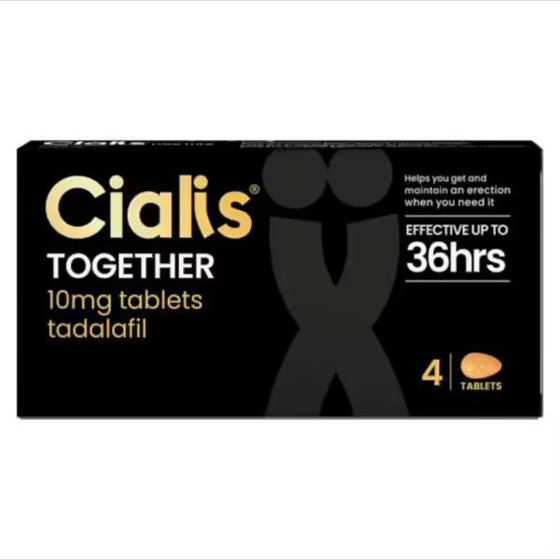
Tadalafil also stays in the body longer than some other medicines in its class. It generally takes effect within 30–60 minutes after ingestion and can last up to 36 hours after taking, and taken daily it reaches a steady level in the body within around five days. If you're wondering whether a dose from a day or two earlier could still be involved, that longer duration is real, but it still doesn't change which biological pathway the medicine is acting on.
Is a Prostate Medicine and Tadalafil for Lower Urinary Tract Symptoms Taken Together Common?
Yes, and this matters here specifically because tadalafil is also licensed to treat benign prostatic hyperplasia alongside erectile dysfunction, and it has been approved for treating erectile dysfunction since 2003. Men who have both conditions are sometimes prescribed tadalafil and an alpha-blocker together for lower urinary tract symptoms, or move from one to the other over time. That overlap is exactly why an alpha-blocker is often the more likely explanation when ejaculation problems appear during a period of tadalafil use, rather than tadalafil itself. If you're taking both, this is the first combination worth reviewing with your prescriber, especially because alpha-blockers can affect blood pressure and delayed ejaculation is a recognised side effect, making them a more plausible cause than tadalafil when both are being used.
Is Ejaculation Difficulty a Recognised Side Effect of Tadalafil?
No. Reviewing the undesirable effects table in current UK tadalafil product information, the reproductive system category lists prolonged erections (uncommon), and priapism, penile bleeding and blood in the semen (all rare). Ejaculation disorder, delayed ejaculation and anejaculation do not appear anywhere in that table.
This doesn't mean no man taking tadalafil has ever reported the symptom. Individual case reports exist for unusual reactions to almost any medicine, including tadalafil. But a symptom that shows up occasionally in isolated reports is a very different thing from a symptom that's been established, in double-blind, placebo-controlled study designs, as something the medicine actually causes. For tadalafil, including Cialis, and ejaculation, the balance of evidence sits firmly on the "not established" side.
What the Research Actually Shows
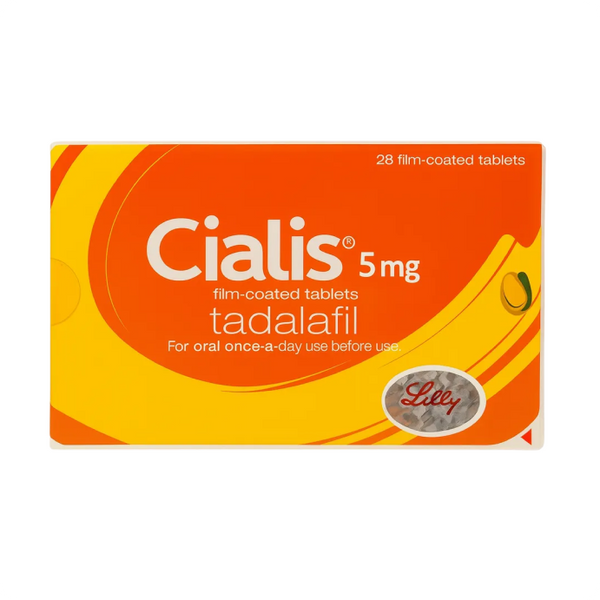
If anything, the research points toward tadalafil supporting ejaculatory function rather than impairing it. In a randomised, placebo-controlled trial in men with erectile dysfunction (ED) and urinary symptoms linked to an enlarged prostate, once-daily tadalafil improved ejaculatory function in 60.7% of participants and improved sexual satisfaction in men with erectile function difficulties; any benefit around ejaculation may be indirect through better erections. Studies of daily 5 mg tadalafil showed modest improvement in ejaculatory control. In the same trial, men taking a comparator prostate medicine (an alpha-blocker) experienced a decrease in both.
Separately, a small number of studies have looked at whether tadalafil can help extend the time to ejaculation in men with premature ejaculation, a different and essentially opposite complaint. Results have been mixed and modest. Intravaginal ejaculatory latency time has been used as an outcome in these studies, with one report noting an improvement of about 83 seconds. Another study reported intravaginal ejaculatory latency time increasing from 37 to 120.5 seconds, though that finding was study-specific. Tadalafil has shown effectiveness in some studies involving both ED and PE, which commonly overlap, with around 30% of men with erectile dysfunction also experiencing premature ejaculation, while remaining off-label and not specifically approved for premature ejaculation treatment in the UK. Some studies also found 76% of men with premature ejaculation had erectile dysfunction, but whether changes were statistically significant or showed a significant difference varied by study. The relevant point for this page is simpler: nothing in the trial evidence supports tadalafil as a cause of reduced, delayed or absent ejaculation. What it does support is looking elsewhere for the explanation.
If It's Not Tadalafil, What Else Could Be Causing This?
Several better-documented causes are worth ruling out, especially anything else you're taking at the same time.
A prostate or urinary symptom medicine
Alpha-blockers such as tamsulosin are commonly prescribed for urinary symptoms linked to the prostate, and tadalafil is sometimes taken alongside one when treating men with lower urinary tract symptoms caused by benign prostatic hyperplasia. Alpha-blockers relax smooth muscle at the bladder neck and around the prostate. Delayed ejaculation is also a recognised side effect in this class of drugs. That relaxation, which is exactly what relieves the urinary symptoms, can also stop the bladder neck closing properly during ejaculation. The result can be semen passing backward into the bladder (retrograde ejaculation) or very little semen being produced at all (anejaculation). This is a recognised, well-documented effect of this medicine class, unlike anything currently attributed to tadalafil. In sexual medicine, both alpha-blockers and tadalafil are used, but they can affect ejaculation differently, and reviewing all drugs being taken together can help identify interaction or timing issues affecting ejaculation.
Antidepressant medicines
Selective serotonin reuptake inhibitor antidepressants are well known to delay or reduce ejaculation as a class effect. Sertraline is one example, and SSRIs like sertraline may help delay ejaculation in some clinical contexts. If you started a concurrent medication such as an SSRI around the same time as tadalafil, the timing overlap can easily be mistaken for a tadalafil effect.
Alcohol
Alcohol can numb sensation and disrupt the nervous-system pathways involved in ejaculation, as well as affect general arousal. In moderation-focused terms, alcohol consumption may make ejaculation slower or harder to reach, independent of any medicine you're taking. It can also interact with ED meds and make things less reliable during sex.
Nerve-related conditions
Medical conditions and other conditions that affect nerve function, including long-standing diabetes, can interfere with the signals needed for ejaculation. This tends to develop gradually and is usually linked to other symptoms rather than appearing suddenly after starting a new tablet.
Previous prostate or pelvic procedures
Some prostate procedures alter the anatomy around the bladder neck permanently, leading to retrograde ejaculation that has nothing to do with any medicine. Peyronie's disease is another urological issue worth separating from medication-related causes, even though it does not work through the same mechanism.
Psychological factors
Anxiety, stress, low mood, unrealistic expectations, and worry about performance itself can all delay or prevent ejaculation. Performance anxiety can inhibit ejaculation during sexual activity even when erections are otherwise adequate. This is common, genuinely physical in its effects even though the trigger is psychological, and worth mentioning honestly to whoever is reviewing your care. Some people also feel embarrassed about changes in sexual performance, but discussing them openly can help guide the right support.
Low testosterone
Reduced testosterone can lower interest and delay ejaculation. It's usually confirmed with a simple blood test rather than assumed.
| Possible cause | How it's linked to ejaculation | Typical pattern |
|---|---|---|
| Alpha-blocker (e.g. for prostate symptoms) | Relaxes the bladder neck, allowing semen to enter the bladder or reducing volume | Often starts soon after beginning the alpha-blocker, not tadalafil |
| Antidepressant | Class effect on ejaculatory timing | Overlaps with when the antidepressant was started or its dose changed |
| Alcohol | Affects nerve signalling and arousal | Worse with heavier or more frequent drinking |
| Nerve-related conditions (e.g. long-standing diabetes) | Interferes with the nerve signals needed for ejaculation | Gradual onset, often alongside other symptoms |
| Previous prostate or pelvic procedure | Alters bladder neck anatomy | Present from soon after the procedure, consistent every time |
| Psychological factors | Anxiety or stress can inhibit the physical process | Often variable, better in some situations than others |
| Low testosterone | Reduces drive and can delay ejaculation | Confirmed by a blood test, not assumed |
Understanding the Different Types of Ejaculation Problems
These terms get used loosely, but they describe different things, and the difference matters for working out the cause. Erectile dysfunction can also be associated with orgasm or ejaculation difficulties, which is why sorting the exact symptom matters.
Anejaculation
Anejaculation means no ejaculation happens at all, despite otherwise normal arousal and orgasm sensation, or sometimes without orgasm either. It's most often linked to alpha-blocker medicines, nerve-related conditions or, less commonly, hormonal causes.
Retrograde ejaculation
Retrograde ejaculation means semen travels backward into the bladder rather than out through the urethra. It's usually painless and can produce cloudy urine afterward. It's a recognised effect of alpha-blockers and of some prostate procedures.
Delayed ejaculation
Delayed ejaculation means it takes noticeably longer than usual, or requires more stimulation, to reach ejaculation. It can be caused by certain antidepressants, alcohol, psychological factors, or occasionally nerve-related conditions.

Other Ejaculation-Related Effects Sometimes Linked to Tadalafil
Two effects genuinely are listed in UK tadalafil product information, and they're worth knowing about even though they're different from the difficulty ejaculating that this page focuses on. More common side effects include headache, indigestion, muscle aches and flushing, and most settle spontaneously over time.
Blood in the semen
Blood in the semen, known clinically as haematospermia, is listed as a rare effect of tadalafil. It's usually a one-off and resolves without treatment, but it's worth mentioning to whoever is reviewing your prescription so it can be checked isn't linked to anything else.
Prolonged erection
Prolonged erection is listed as an uncommon effect. Most cases settle on their own, but this needs to be distinguished from priapism, which is a medical emergency, covered below.
When This Needs Urgent Attention
An erection lasting four hours or more is priapism, and it's a medical emergency regardless of what's caused it or whether it's linked to ejaculation at all. Left untreated, it can cause permanent damage to the tissue involved. If this happens, seek emergency medical care immediately rather than waiting to see if it settles. The same applies to chest pain during or after sexual intercourse. Sudden dizziness after taking tadalafil also needs immediate medical attention. A rare allergic reaction also requires urgent assessment.
Difficulty ejaculating on its own is not a medical emergency. It's a genuine reason to contact a healthcare provider if this happens while taking tadalafil, but it doesn't need an emergency response.
What Should You Do If You're Experiencing This?
Start by listing everything you're currently taking, including anything started or changed around the same time the symptom began, and bring that list to a review with your prescriber so they can assess timing, symptoms, and whether your ejaculatory concerns may be linked to treatment. Tadalafil is generally used either as 10 mg on demand before sex or as 2.5 mg to 5 mg once daily, depending on assessment. Do not exceed one dose of tadalafil per 24 hours. Don't stop tadalafil or any other prescribed medicine abruptly without advice, since some medicines, particularly alpha-blockers, are better adjusted under guidance than stopped suddenly. Avoid self medication or trying to add another treatment without prescriber advice. Mention any psychological factors honestly, since they're a genuine and treatable part of the picture, not something to be embarrassed about. Depending on the cause, non-drug approaches such as the start-and-stop technique or pelvic floor exercises may also help improve ejaculatory control. Condoms may reduce sensation, and some topical treatments numb the penis to delay ejaculation, though those approaches are usually more relevant to premature ejaculation than to tadalafil-related delay. Effective foreplay may also support better sexual engagement by improving arousal. If a blood test for testosterone hasn't been done and the symptom has been ongoing, ask whether one would be useful.
A healthcare provider reviewing your case can look at the full picture, including everything you're taking and when each symptom started, in a way a product leaflet alone cannot. They can also prescribe medications safely after reviewing certain medications and your timeline. It can also help to note roughly how many days after starting or changing any medicine the symptom first appeared, since that timeline is often the most useful clue in working out what's actually responsible. A review with healthcare providers can also help identify possible interactions affecting ejaculation.
Why Is It Easy to Blame the Newest Medicine?
It's a natural, well-recognised pattern to assume that whatever changed most recently is the cause of a new symptom, even when the timing is coincidental rather than causal. Tadalafil is often the medicine someone notices first, simply because it's the one most directly linked in their mind to that part of the body. But a genuinely useful review looks at everything that changed around the same time, including other new medicines, dose changes, alcohol intake and stress levels, rather than settling on the most obvious answer by default.
How Tadalafil Is Taken
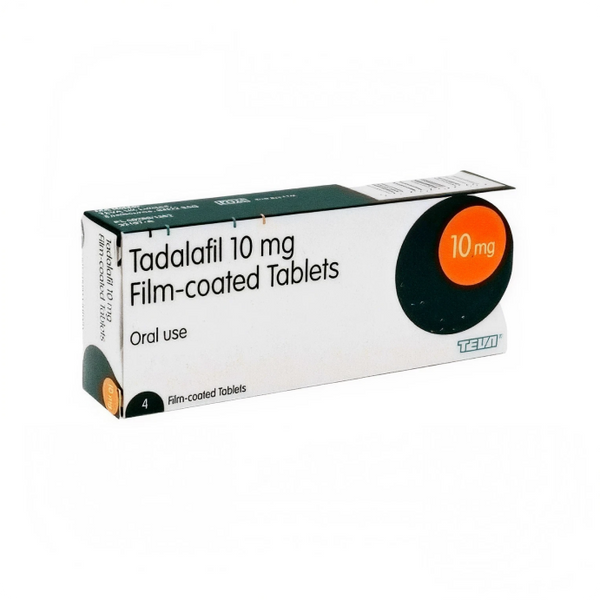
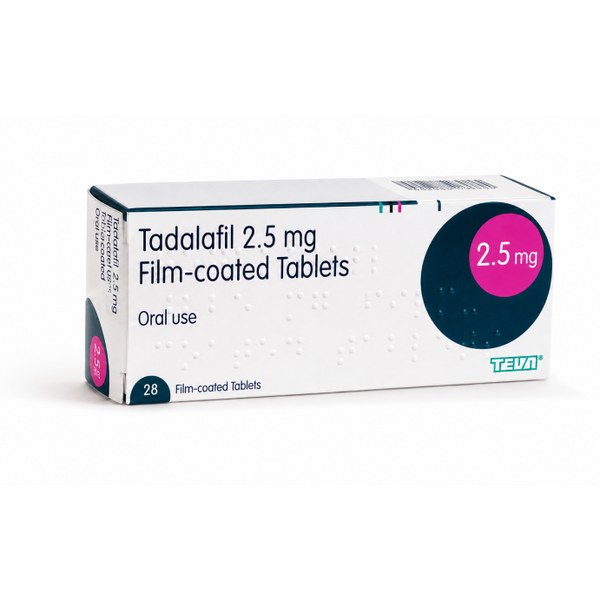
Tadalafil is taken either as a single dose before anticipated activity or, for some men, as a lower daily dose. On-demand use is generally started at 10 mg before sex, while daily use is typically 2.5 mg to 5 mg once daily. Tadalafil usually starts working within 30–60 minutes and can remain active for up to 36 hours. Treatment suitability, including which approach fits your circumstances, depends on an individual clinical assessment. This medicine should only be used under the supervision of an appropriately qualified prescriber, and results vary between individuals. Do not exceed one dose in 24 hours.
Medical Disclaimer
This page is for general information and does not replace individual medical advice. It is not a diagnosis of your symptoms and should not be used to start, stop or change any medicine. If you are experiencing ejaculation difficulty, or any other new or worsening symptom, speak to a healthcare provider, as consulting a healthcare professional is recommended to review your full medical history and current medicines. If you experience an erection lasting four hours or more, seek emergency medical attention immediately.
Frequently Asked Questions
Can tadalafil stop me from ejaculating?
Is ejaculation difficulty a listed side effect of tadalafil?
Why might I be struggling to ejaculate while taking tadalafil?
What's the difference between anejaculation and retrograde ejaculation?
Could a prostate medicine be responsible instead of tadalafil?
Can antidepressants cause this alongside tadalafil?
Does alcohol make ejaculation problems worse?
Is this the same as premature ejaculation?
What is haematospermia, and is it linked to tadalafil?
Should I stop taking tadalafil because of this?
When should I seek urgent medical help?
Will this resolve on its own?
Can nerve damage or diabetes cause this?
Does tadalafil affect fertility or sperm?
Does the dose of tadalafil make a difference?
Could this just be a coincidence rather than caused by anything specific?
Who should I speak to about this?
Tadalafil and Antidepressants: What You Need to Know
Tadalafil and Heart Health: Who Needs Extra Care?
Related Posts


Cheap Tadalafil UK: How to Compare Prices Safely