Neurological Causes of Erectile Dysfunction: What You Need to Know
- Online consultation with UK-registered prescribers who can work alongside your wider care team
- GPhC-registered pharmacy dispensing, UK-sourced medication
- A proper clinical assessment before any treatment is recommended
- Ongoing clinical support if your treatment plan needs to change
Erectile dysfunction (ED) with a neurological cause, often called neurogenic ED or neurogenic erectile dysfunction, happens when a condition affecting the brain, spinal cord or nerves interrupts the signal an erection depends on, rather than the difficulty coming from blood flow alone. This pattern is seen with neurological conditions such as multiple sclerosis (MS), spinal cord injury, stroke, Parkinson's disease and diabetic neuropathy, and it is treatable, though the right approach can differ slightly from ED with a purely vascular cause because the underlying mechanism is not the same.
This guide is for men in the UK dealing with erectile dysfunction that may be linked to nerve damage or neurological disease and looking for clear treatment and support options. It explains how the nervous system is involved in getting an erection, which neurological conditions are most commonly linked to ED, the emotional impact, how neurological ED is assessed, and the main approaches to treating erectile dysfunction, including what this means practically if you have MS specifically, so you can have an informed conversation with your care team rather than assuming the standard approach won't apply to you.
Key Things to Know
- An erection depends on nerve signals travelling between the brain, spinal cord and the local nerves involved, so conditions affecting any part of this pathway can cause ED.
- Multiple sclerosis is one neurological condition commonly associated with erectile difficulties.
- Neurogenic ED is treatable, and standard options, including tablets, remain relevant for many men.
- Some treatments that do not rely on the same nerve signal, such as vacuum devices and certain specialist treatments, can be particularly useful where the nerve pathway itself is affected, and may help achieve or maintain an erection.
- Working with both your neurology team and a prescriber experienced in ED tends to give the most complete picture.
How the Nervous System Is Involved in an Erection
Getting an erection depends on nerve signals travelling from the brain, down through the spinal cord, and out through local nerves to the blood vessels involved, with blood flow and sexual arousal all playing a role in triggering the process that allows blood to flow in and be retained.
This shows that erections depend on coordinated nerve signalling as well as healthy blood flow, which is why a condition affecting any part of this pathway, or disrupting responses to genital stimulation, can still cause erectile dysfunction even when the blood vessels themselves are not the main issue. It is a useful distinction to understand, since it explains why a neurological cause of ED can occur even in someone with otherwise healthy blood vessels, and why the treatment approach sometimes differs slightly as a result.
The target is not always the blood flow itself, sometimes it is finding a way to support or work around the interrupted signal so a man can get and maintain an erection instead.
Conditions That Can Cause Neurological ED
Multiple Sclerosis (MS)
Erectile dysfunction is common among men with multiple sclerosis, although reported rates vary between studies and individuals. This happens because MS can affect the nerve pathways involved in the process described above, and the specific impact varies depending on where MS activity is affecting the nervous system for a given individual, which is part of why the experience differs so much between different men with MS. Some men notice a gradual change over time, while others notice it more suddenly during a relapse, and both patterns are recognised, which is another reason a proper assessment rather than a general assumption is the most useful next step.
It is also worth knowing that ED in MS is not always purely about the nerve pathway itself. Fatigue, muscle stiffness or spasms, bladder or bowel symptoms, depression, and other lifestyle factors can each independently affect erectile function too, sometimes alongside the more direct neurological cause rather than instead of it, and sexual dysfunction in MS can reflect both direct neurological effects and psychogenic ED factors. This matters practically, because it means a treatment plan that only targets the nerve pathway itself may leave some of these other contributing factors unaddressed, which is why a broader conversation, covering fatigue and symptom management alongside ED-specific treatment, tends to give a more complete result.

Spinal Cord Injury or Compression
Because the spinal cord carries the signal between the brain and the local nerves, an injury or compression affecting it can interrupt that pathway. This is covered in more detail, including the specific pattern that points to this cause and the emergency red flags worth knowing, in a dedicated guide.
Stroke
A stroke can affect the parts of the brain involved in initiating or coordinating the erection signal, and erectile difficulty is a recognised experience for some men after a stroke, alongside the wider recovery process.
Parkinson's Disease
Parkinson's disease affects the nervous system in ways that can also involve the pathways relevant to erectile function, and erectile difficulties are commonly reported among men living with the condition. Standard ED treatments may still be suitable for some men, but blood pressure, other medicines and potential side effects should be reviewed carefully before treatment is recommended.
Diabetic Neuropathy
Diabetes is one of the most common causes of erectile dysfunction through its effect on blood vessels, but it can separately cause nerve damage, known as diabetic neuropathy, which affects the same nerve pathways described above.
This means men with diabetes may experience ED because high blood sugar can damage both blood vessels and nerves over time, so diabetes can contribute through two distinct routes at once, vascular and neurological, which is worth knowing since it can affect which treatment approach works best.
Coping With the Emotional Side
Erectile dysfunction alongside a neurological condition can carry a particular weight, since it is arriving on top of everything else the condition already involves, and it can have a significant impact on sexual health, relationships, and overall quality of life, so it is reasonable for that to feel like a lot at once. This does not need to be managed alone. Ongoing erection problems can affect confidence and day-to-day life, which is why psychological support, whether through a counsellor experienced in chronic condition support or more general talking therapy, is a legitimate part of addressing this, not a separate issue from the physical side of things. Many men find that addressing the emotional impact directly makes a difference to how manageable the physical difficulty feels, even before any physical treatment has changed anything.
How Do You Get an Erection With MS?
The same range of ED treatments used more broadly remains relevant, and many men with MS may benefit from standard first-line options such as PDE5 inhibitor tablets. Where these are not sufficient, or where nerve signalling is significantly affected, other treatments that work through different mechanisms, such as vacuum erection devices or specialist treatments such as intracavernosal injections, may be useful. Vacuum devices work mechanically to draw blood into the erectile tissue, while intracavernosal injections act directly on the erectile tissue rather than relying on the same nerve signalling pathway. This means some treatment options can remain effective even when neurological signalling is affected.
Addressing the wider picture matters too. Fatigue, spasticity, mood, and bladder or bowel symptoms can all affect erectile function, while some medications used to manage MS or its symptoms may also contribute. Managing these factors as part of your overall MS care, alongside ED-specific treatment and a medication review where appropriate, can provide a more complete approach than treating the erectile difficulty in isolation.
Signs Your ED Might Be Neurological
A neurological cause is more likely when erectile dysfunction symptoms appear alongside other neurological symptoms, such as numbness, tingling, weakness, coordination changes, or changes to bladder or bowel function, particularly if these developed around the same time. This is not a way to self-diagnose the specific cause, but it is a useful pattern to mention at an assessment, since it helps guide which investigations and which treatment approach are most appropriate.
Erectile difficulty without other neurological symptoms does not necessarily indicate a neurological cause and can have many other explanations, including vascular, hormonal, medication-related or psychological factors.
Diagnosis and Assessment
If you already have a diagnosed neurological condition such as MS, your existing care team is a valuable part of the picture, alongside a proper assessment specifically for the erectile difficulty. This assessment should still cover the same ground as any ED assessment, your medical history, current medications, including common medications that may contribute to ED, and relevant health factors, but with your neurological condition and its current status factored in specifically, since this can affect which treatment options are most suitable.
There is no single percentage that applies across all populations, because the prevalence of neurogenic ED varies depending on the underlying neurological condition and the population studied.
There is no need to choose between the two, or to feel like you are duplicating effort by raising it in more than one place, your neurological care team and an ED-focused prescriber are looking at different, complementary parts of the same picture, and both perspectives add value.
If you do not have an existing neurological diagnosis but notice the pattern described above, a proper assessment can help identify whether further investigation is warranted, rather than assuming a neurological cause without one, especially as ED can also be linked to broader health issues. This is not something to be alarmed about, a neurological cause without any prior diagnosis is far less common than the more everyday causes covered elsewhere, but it is a reasonable thing to raise so it can be properly ruled in or out rather than left unaddressed.
Treatment Options for Neurological ED
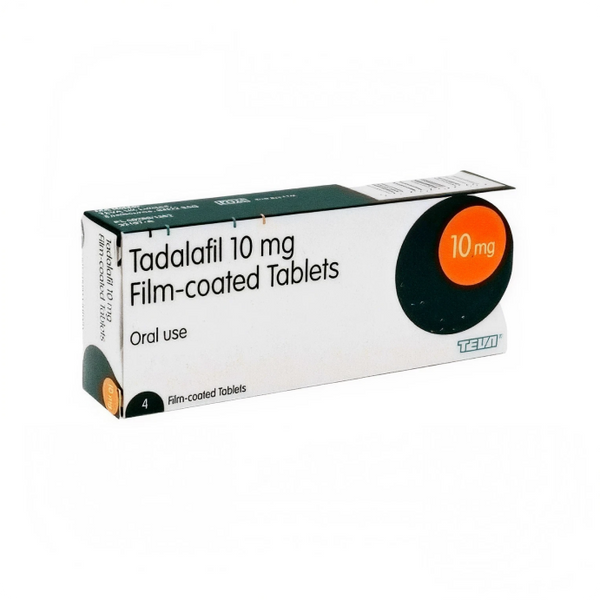
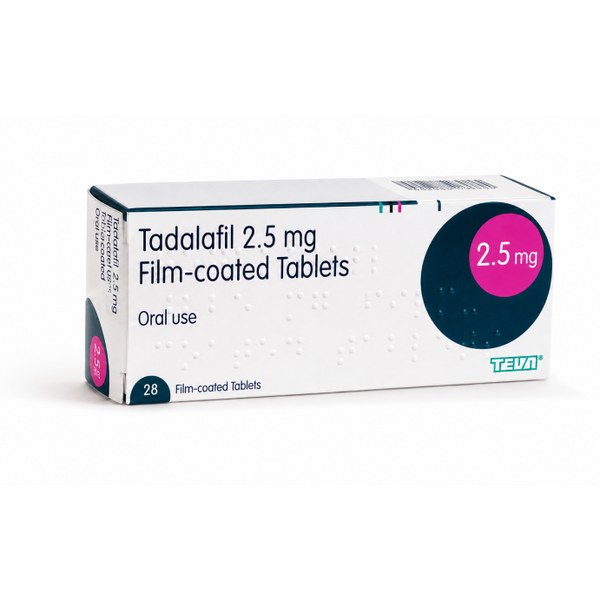
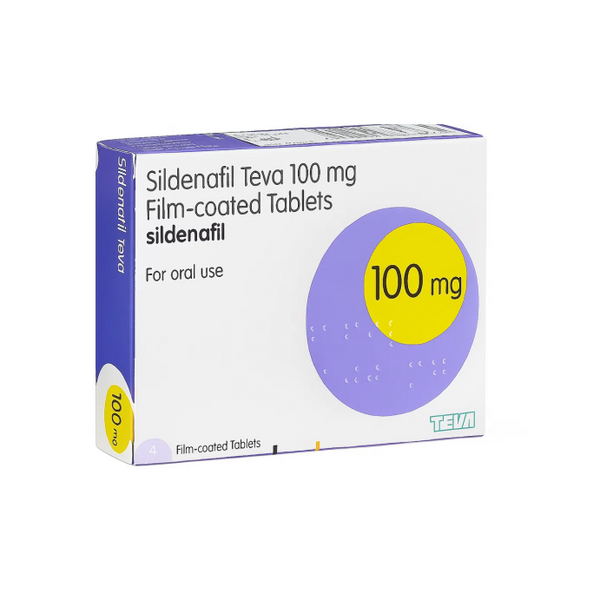
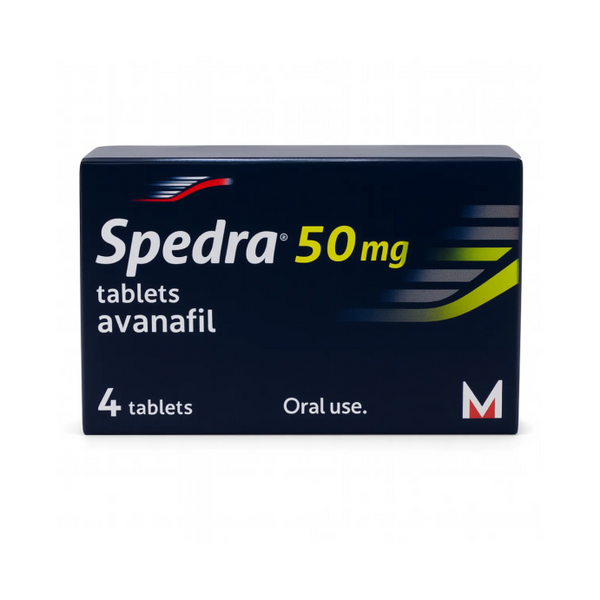
PDE5 inhibitor tablets remain a reasonable first option for many men with a neurological cause, and are commonly used as part of an overall erectile dysfunction treatment plan.
Vacuum erection devices can be particularly useful where the nerve signal itself is significantly affected, since they work mechanically rather than depending on that signal.
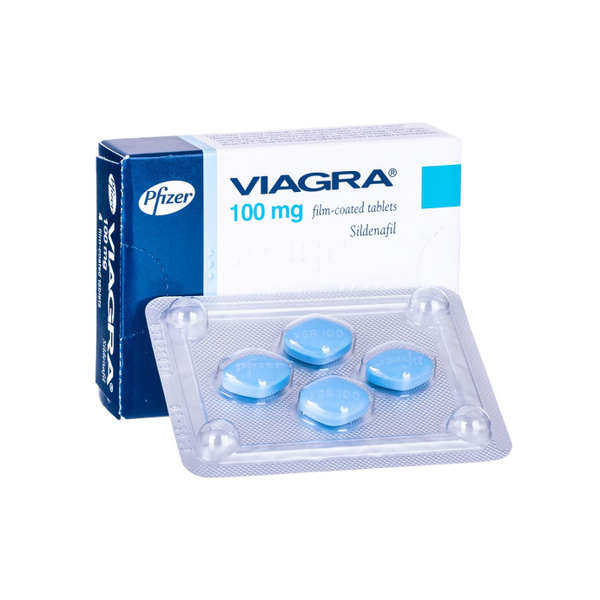
Drug-based options may include Viagra and other prescription drugs, and any potential side effects should be reviewed with a prescriber.
Specialist treatments such as alprostadil acts directly on erectile tissue and may be considered when oral treatments are unsuitable or ineffective.
Penile implants may be considered when other erectile dysfunction treatments are ineffective or inappropriate.
Psychological support is also worth considering, since mood and the emotional impact of a neurological condition can independently affect erectile function alongside the more direct physical cause, and assessment may need tailoring in men affected by pelvic surgery, prostate-related nerve injury, or urinary incontinence.
It is also worth knowing that if one option does not work as well as hoped, that is a reason to try a different approach with your prescriber rather than a sign that neurological ED can not be effectively treated, the range of available options exists precisely because different mechanisms suit different situations.
| Cause | How it affects the nerve pathway | Key consideration |
|---|---|---|
| Multiple sclerosis | Can affect the central nervous system pathways involved | Fatigue, spasticity, mood and bladder/bowel symptoms may also contribute |
| Spinal cord injury or compression | Interrupts the signal travelling through the spinal cord | Sudden erectile difficulty alongside new neurological symptoms needs urgent assessment. |
| Stroke | Can affect the brain regions involved in initiating the signal | Often part of a wider recovery picture |
| Parkinson's disease | Affects nervous system pathways relevant to erectile function | Commonly reported alongside other symptoms of the condition |
| Diabetic neuropathy | Nerve damage from diabetes, separate from its vascular effect | Diabetes can contribute through two routes at once |
Medical Disclaimer
This page is for general information only and is not a substitute for a one-to-one clinical assessment. It does not cover every possible neurological cause or treatment and should not be used to self-diagnose or to start, stop or change any medication or existing treatment plan. If you experience an erection lasting more than 4 hours, this is a medical emergency: seek immediate care at A&E or call 999.
Frequently Asked Questions
Q: Can multiple sclerosis cause erectile dysfunction?
Q: How do you get an erection with MS?
Q: What are the neurological causes of erectile dysfunction?
Q: Is erectile dysfunction common with MS?
Q: Does treatment for neurological ED work the same as for other causes?
Q: Can nerve damage from diabetes cause erectile dysfunction?
Q: How do I know if my erectile dysfunction is neurological?
Q: Can a stroke cause erectile dysfunction?
Q: Does Parkinson's disease affect erectile function?
Q: Should I speak to my neurologist or an ED prescriber first?
Q: Can fatigue or mood affect erectile function in MS separately from the nerve damage itself?
Q: Are vacuum devices better than tablets for neurological ED?
Q: Can neurological erectile dysfunction be treated if the underlying condition can not be cured?
Q: What should I mention at my assessment if I have a neurological condition?
Q: Can medication for MS itself contribute to erectile dysfunction?
Q: Is it worth getting a second opinion if my first ED treatment did not work?
Buy ED Treatment Online: A Safe, Step-by-Step Guide
Spedra 100mg (Avanafil): Dosage, Side Effects, Price
Related Posts


Viagra Pharmacy UK: How Sildenafil Supply Works

Do You Need a Prescription for Viagra in the UK?

Can You Buy Viagra Over the Counter in the UK?


Viagra Price UK: Understanding Sildenafil Costs