Can Kidney Problems Cause Erectile Dysfunction? A Complete Guide
- Guidance built on NICE evidence summaries and MHRA safety information
- Online consultation with UK registered prescribers if you want a clinical assessment
- GPhC registered pharmacy, clear and jargon free explanations throughout
- A clear explanation of what is genuinely linked and what usually is not
Yes, kidney disease, particularly more advanced kidney disease and kidney failure, is linked to erectile dysfunction through several different mechanisms acting together. For men in the UK who have kidney problems and ED, or who are worried the two may be connected, the link can be clinically relevant rather than coincidental.
The evidence is less clear for common urological procedures such as a stent or straightforward kidney stone removal, where temporary factors such as pain, stress and recovery may be more relevant than the procedure itself.
This guide sets out exactly how kidney disease affects erectile function, why more advanced kidney disease and dialysis tend to have a bigger impact, an important point about diabetes that often gets missed, what is and is not well established about stents and stone removal specifically, when to seek assessment, treatment options, and what to do if you are experiencing both erectile difficulty and kidney-related symptoms. Some men feel guilt or embarrassment about these symptoms, which can delay speaking to a doctor.
It is worth being honest from the outset about the difference between these two groups of keywords, since they do not have equally strong evidence behind them. Kidney disease itself, especially advanced disease, has a well understood connection to erectile function through several recognised mechanisms, including changes to blood vessels, hormones, nerves, anaemia, and sometimes the effects of medicines. Specific procedures such as a stent or stone removal do not have the same level of established connection, and this guide reflects that difference rather than treating every kidney-related question as equally certain.
Key things to know
- Kidney disease, especially more advanced disease, is linked to erectile dysfunction through several mechanisms working together, not just one.
- Kidney failure and dialysis are associated with a higher likelihood of erectile dysfunction than earlier stage kidney disease.
- Diabetes is a common shared cause behind both kidney disease and erectile dysfunction, and is sometimes the real driver when kidney disease gets the blame.
- There is no well-established evidence that a routine kidney stent or straightforward stone removal directly causes erectile dysfunction.
- Erectile dysfunction does not itself cause kidney or back pain, though both can sometimes share an underlying cause.
- Treatment options exist and a clinical assessment can identify which factors are relevant to you specifically.
How Are Kidney Disease and Erectile Dysfunction Linked?
Kidney disease affects erectile function through several overlapping mechanisms, which is part of why the relationship is well established even though no single explanation covers every case. In practice, many men with chronic kidney disease have more than one of these factors contributing at once, rather than a single clear cause.
Vascular Factors
Kidney disease and cardiovascular disease share many of the same risk factors and often occur together, including high blood pressure and changes to blood-vessel health. Since an erection depends on healthy blood flow, vascular changes can also affect the blood vessels involved in an erection and make it harder to achieve or maintain one.
Hormonal Changes
More advanced kidney disease can disrupt the hypothalamic-pituitary-gonadal axis and alter hormone levels involved in testosterone production, often resulting in low testosterone levels than would otherwise be expected. Kidney disease and cardiovascular disease share many of the same risk factors and often occur together, including high blood pressure and changes to blood-vessel health. Since an erection depends on healthy blood flow, vascular changes can also affect the blood vessels involved in an erection and make it harder to achieve or maintain one.
Anaemia
The kidneys produce a hormone that signals the body to make red blood cells, and this process is often reduced in kidney disease, leading to anaemia. Anaemia can cause fatigue and reduced overall wellbeing. Lower energy levels can also affect sexual function and contribute to erectile difficulties.
Nerve Related Changes
Longstanding kidney disease can lead to a build-up of waste products that the kidneys would normally clear, and this can cause nerve damage over time, sometimes called uraemic neuropathy. Since nerve signalling is an important part of the erectile response, this can be a contributing factor in more advanced kidney disease and may also contribute to erection problems.
Medication Related Causes
Kidney disease is often managed with multiple medicines, including blood pressure treatments such as beta blockers and diuretics, which are recognised causes of erectile dysfunction in some patients. This does not mean any particular medicine should be stopped without advice, since managing the underlying condition remains the priority. Selective serotonin reuptake inhibitors (SSRIs) can also contribute to erectile difficulties in some men, although they are not kidney treatments.
Psychological and Quality of Life Factors
Living with a long-term condition such as kidney disease, particularly where dialysis is involved, can place a genuine emotional and practical burden on someone. Stress, anxiety, low mood, fatigue and concerns about body image or sexual function can all contribute to erectile difficulties.
Does Kidney Failure Specifically Increase the Risk?
Yes. Kidney failure, meaning the more advanced stages of kidney disease, tends to involve more of the mechanisms above happening at the same time and more significantly, which is why erectile dysfunction is more strongly associated with kidney failure and dialysis than with earlier, milder kidney disease. Hormonal changes and anaemia in particular tend to become more pronounced as kidney function declines further.
This does not mean erectile dysfunction is inevitable at any stage of kidney disease, and it does not mean nothing can be done. It means the underlying contributing factors are worth identifying specifically, since more than one may be relevant at once. A man in earlier stage kidney disease with well managed blood pressure and no significant anaemia may have little to no kidney-related contribution to erectile difficulty, while a man on dialysis with anaemia and hormonal changes may have several factors all contributing simultaneously.
Is Diabetes the Real Driver in Some Cases?
Often, yes, and this is a genuinely useful point that is easy to miss. Diabetes is one of the leading causes of kidney disease, and it is also, independently, one of the most significant causes of erectile dysfunction in its own right, through effects on blood vessels and nerves. High cholesterol and heart disease can further worsen the same vascular pathway that erections depend on.
This means that in a man with diabetes-related kidney disease, some or even most of the erectile difficulty may be more directly explained by diabetes itself rather than by the kidney disease specifically, even though the two conditions are closely linked. This distinction matters practically, because managing diabetes as well as possible is relevant to erectile function regardless of the state of kidney health, and it is worth mentioning both conditions at any assessment rather than assuming kidney disease is the whole explanation.
Kidney-related factors at a glance
| Factor | How It is Linked | Why It Matters |
|---|---|---|
| Vascular changes | Shared risk factors with cardiovascular disease | Affects the same blood flow an erection depends on |
| Hormonal changes | Hormonal changes, including lower testosterone in some men | Testosterone supports erectile function |
| Anaemia | Reduced red blood cell production | Contributes to fatigue and reduced wellbeing |
| Nerve changes | Waste product build-up affecting nerve function | Nerve signalling triggers an erection |
| Medication | Some kidney and blood pressure medicines | Recognised side effect, reviewable with a prescriber |
| Diabetes (shared cause) | Common cause of kidney disease and ED independently | May explain more of the picture than kidney disease alone |
Can a Kidney Stent Cause Erectile Dysfunction?
There is no well-established evidence that a routine kidney or ureteric stent directly causes erectile dysfunction.
That said, a stent can cause genuine discomfort, including flank pain, bladder irritation and general discomfort, and dealing with ongoing discomfort, disrupted sleep or anxiety about an underlying urological problem can indirectly affect erectile function during that period. This is different from the stent itself causing a direct physical effect on the erectile mechanism. If erectile difficulty continues well beyond the period the stent is in place, it is worth mentioning at an assessment rather than assuming it will resolve once the stent is removed.
Can Erectile Dysfunction Happen After Kidney Stone Removal?
There is no well-established evidence that standard kidney stone treatment directly causes erectile dysfunction. Since these procedures target the kidney and ureter rather than the nerve pathways involved in an erection. As with a stent, temporary factors around the procedure, including pain, recovery, anxiety and any short-term medicines used, are more likely explanations for erectile difficulty noticed around the same time.
If erectile difficulty appears for the first time shortly after a procedure and does not improve as recovery continues, this is worth raising with a prescriber. It may reflect a temporary factor related to the procedure or recovery, an unrelated cause, or another underlying factor, so persistent symptoms are worth discussing with a prescriber.
Does Erectile Dysfunction Cause Kidney or Back Pain?
No, erectile dysfunction does not itself cause kidney or back pain. These would generally be separate symptoms, and if you are experiencing both together, it is more useful to think about whether a shared underlying cause could explain both, rather than assuming one is causing the other.
A kidney stone, for example, can cause significant flank or back pain on its own, entirely separately from any erectile symptoms. Occasionally, a shared cause such as a spinal problem can affect both back symptoms and erectile function through a nerve related mechanism, which is a different topic to kidney health specifically. If you are experiencing new back pain alongside erectile dysfunction, both are worth mentioning together at an assessment so the full picture can be considered.
When to Seek Assessment
Most of the factors described on this page are managed through an ordinary clinical assessment rather than needing urgent care. Certain symptoms are different and need prompt medical attention.
- Severe flank or back pain with fever, which can be a sign of a kidney infection or another condition requiring prompt assessment.
- Visible blood in the urine.
- Sudden, severe pain that is significantly worse than any previous episode.
- New numbness in the saddle area, or new bladder or bowel changes, alongside erectile dysfunction, which needs same-day emergency attention.
For erectile dysfunction linked to kidney disease without any of these features, speak to a GP or other suitably qualified healthcare professional for assessment of both kidney symptoms and erectile dysfunction.
What Can Help?
Once the relevant contributing factors have been identified, several approaches can help, and more than one is often relevant at the same time. Managing the underlying kidney disease and any related conditions such as diabetes as well as possible is a genuine part of the picture, alongside specific treatment for erectile dysfunction itself where appropriate.
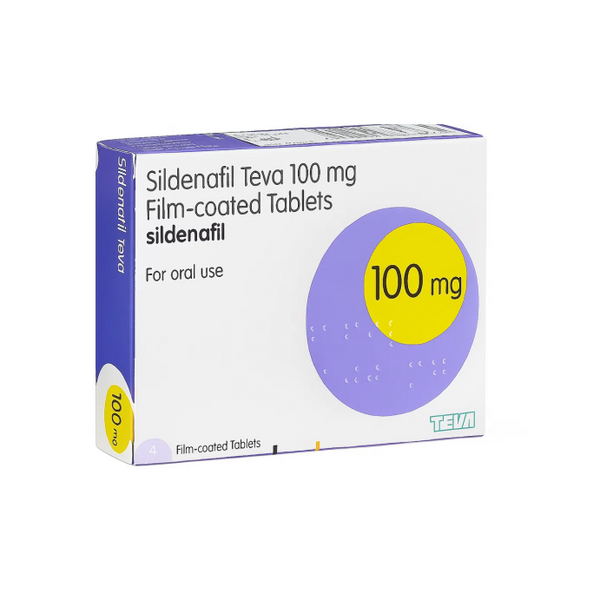
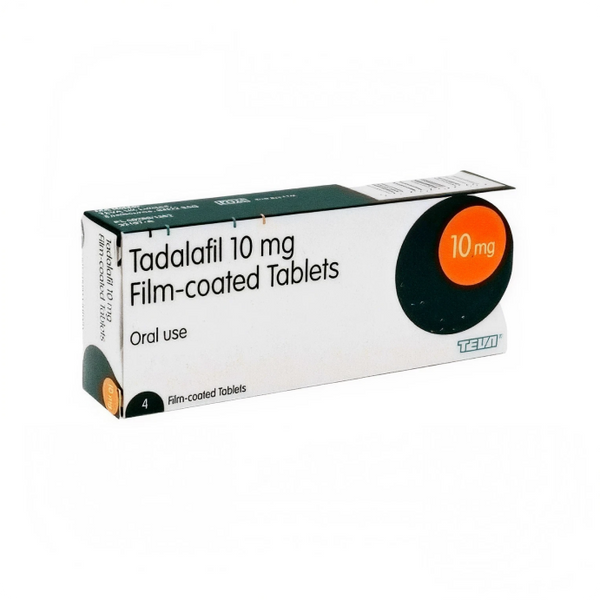
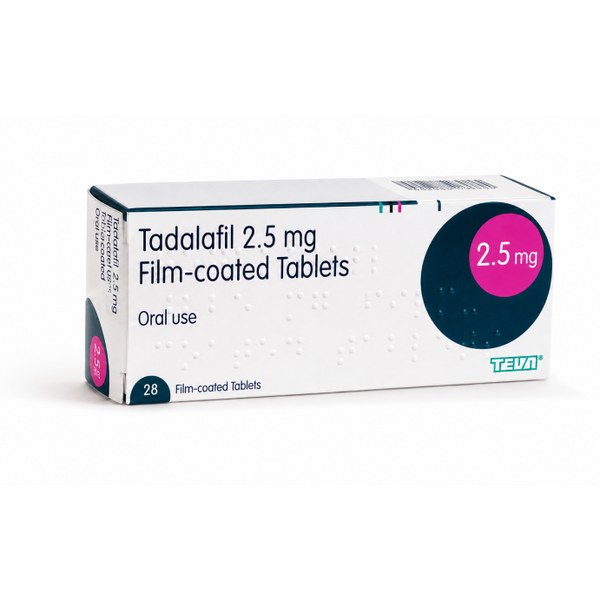
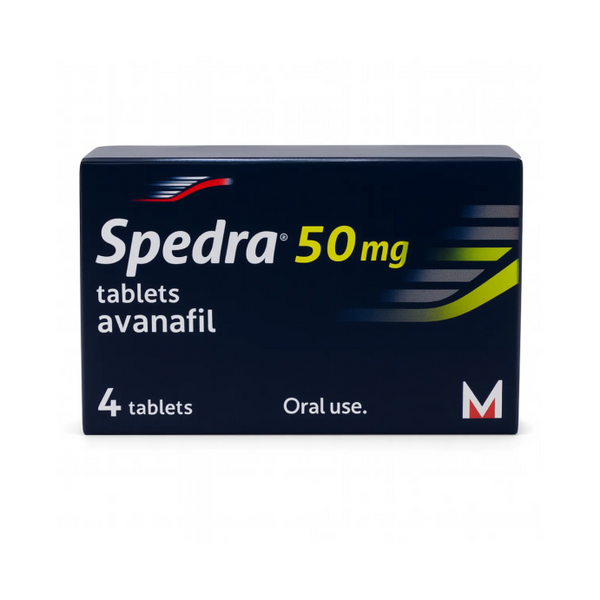
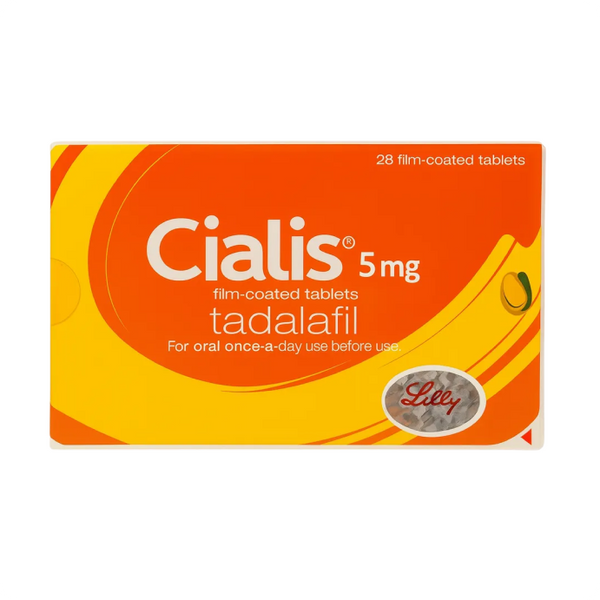
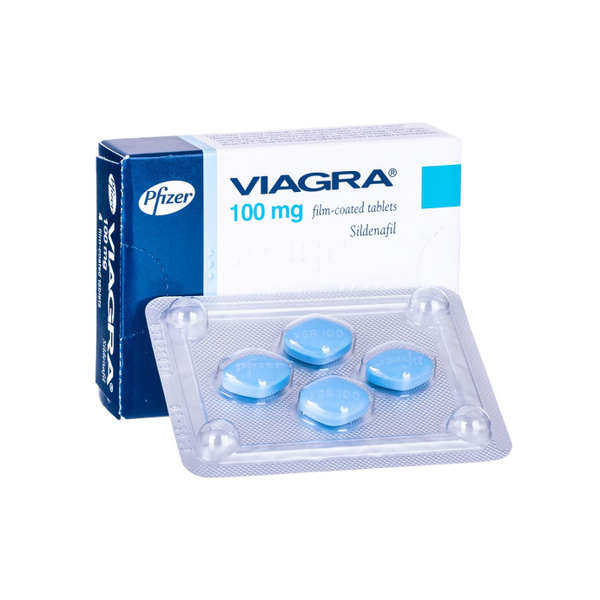
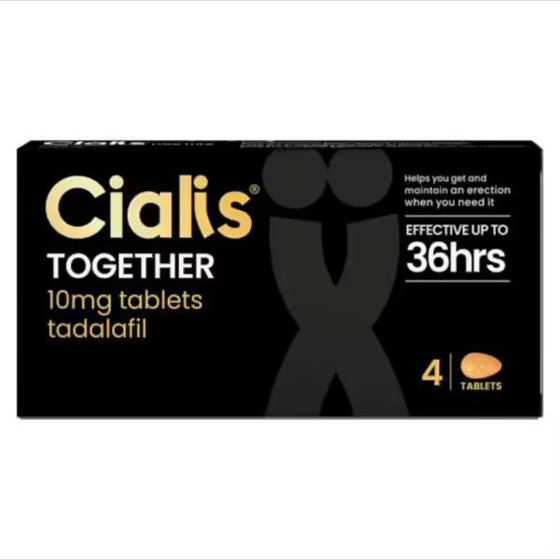
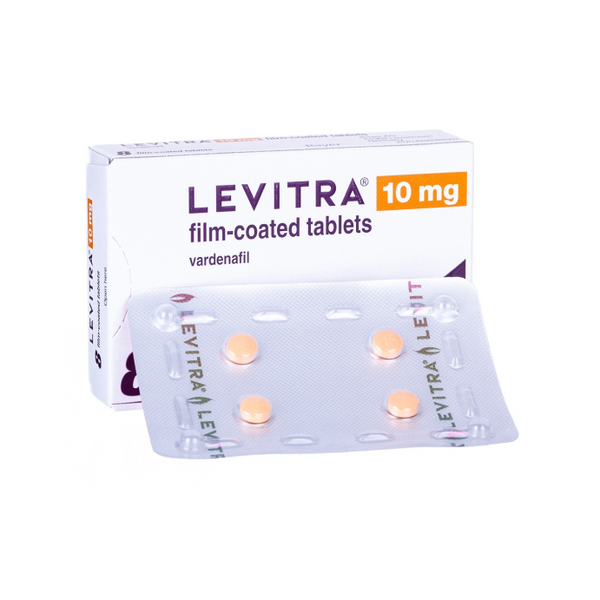
PDE5 inhibitors may be prescribed after an individual assessment, but kidney function can affect the choice or dosing of some medicines. They should not be taken with nitrate medicines because the combination can cause a dangerous drop in blood pressure.
Treatment suitability depends on an individual clinical assessment, and your prescriber will determine which option, if any, is appropriate for you, ideally with awareness of your kidney health and any specialist already involved in your care.
After a kidney transplant, erectile dysfunction may improve in some men, although some may still need treatment for ED. If you would like to discuss your options, you can start an online consultation with UK registered prescribers, or check your treatment eligibility to get a clinical assessment based on your own circumstances.
Medical Disclaimer
This article is for general information only and does not replace individual medical advice. It should not be used to self-diagnose or self-treat. If you experience severe flank pain with fever, visible blood in your urine, or new erectile dysfunction alongside saddle numbness or bladder or bowel changes, seek urgent medical attention. For any other kidney or erectile concern, speak to a suitably qualified prescriber. Prescription medicines should only be used as directed by an appropriately qualified prescriber, and results vary between individuals.
Frequently Asked Questions
Can kidney disease cause erectile dysfunction?
Does kidney failure make erectile dysfunction more likely?
Can a kidney stent cause erectile dysfunction?
Can erectile dysfunction happen after kidney stone removal?
Does erectile dysfunction cause kidney or back pain?
Is diabetes or kidney disease more likely to be causing my erectile dysfunction?
Can dialysis affect erectile function?
Should I stop my kidney medicines if I think they are affecting erectile function?
Can treating my kidney disease improve erectile function?
What should I mention at an assessment if I have kidney disease and erectile dysfunction?
Is erectile dysfunction from kidney disease treatable?
When should I seek urgent care for kidney and erectile symptoms together?
Can anaemia from kidney disease really affect erectile function?
Is it common to have both kidney disease and erectile dysfunction?
Can Spinal Cord Injury or Compression Cause Erectile Dysfunction? A Complete Guide
Can Injury Cause Erectile Dysfunction? A UK Guide
Related Posts


Cheap Tadalafil UK: How to Compare Prices Safely