Can an Injury Cause Erectile Dysfunction? Back, Brain, Knee and Penile Injuries Explained
- Guidance built on NICE evidence summaries and MHRA safety information.
- Online consultation with UK registered prescribers if you want a clinical assessment.
- GPhC registered pharmacy, clear and jargon free explanations throughout.
- A clear explanation of which injuries are genuinely linked and which usually are not.
A back injury can cause erectile dysfunction, but usually only when it affects the spinal cord or the nerve roots involved in erection, common back injuries such as muscle strains or ligament sprains do not usually cause erectile dysfunction directly. It depends entirely on the type of injury. Some injuries have a clear, direct and well understood connection to erectile function, others have a weaker or more indirect connection, and one of the injuries covered on this page has, on its own, no established direct mechanism at all.
For men in the UK who have had an injury and are now dealing with erectile difficulty, or are worried there may be a link, treating every injury as equally likely to affect erectile function would be misleading. This page looks at four specific injuries people commonly ask about: injury to the penis itself, back injury, brain or head injury, and knee injury. Each works through a different pathway, or in one case no clearly established pathway, and it also explains when urgent medical attention matters and how assessment and treatment decisions are made after clinical review.
If you have experienced an injury and are now noticing erectile difficulty, it is worth resisting the urge to assume a direct connection just because the two happened around the same time. Working out whether there is a genuine mechanism, an indirect factor, or simply unrelated timing is the key to getting the right diagnosis, avoiding the wrong assumptions, and choosing appropriate treatment.
Can an Injury to Your Penis Cause Erectile Dysfunction?
Yes, and this is the most direct and clearly understood connection of the four injuries covered on this page. The erectile tissue, its blood vessels and its nerve supply can all be directly affected by a physical injury to the penis itself, unlike the other injury types covered here, which act through more indirect or distant pathways.
Penile Fracture: A Red Flag Emergency
A penile fracture is a tear in the fibrous tissue surrounding the erectile chambers and is a medical emergency. It typically happens during a firm erection, when the tissue is under tension and more vulnerable to a sudden bending force.
The typical signs are a sudden cracking or popping sensation, immediate pain, rapid loss of firmness, and swelling or bruising that develops quickly. If this happens, seek emergency medical attention immediately. Prompt treatment significantly reduces the risk of long-term erectile dysfunction, curvature, or painful scarring, while delayed treatment increases that risk considerably.
Other Penile Injuries
Less severe blunt trauma or other direct injury can still affect the blood vessels or nerves involved in an erection, depending on the severity and exact location of the injury. Injury is also a recognised contributing factor to Peyronie's disease, a separate condition involving curvature and scar tissue formation within the erectile tissue, which can develop in the weeks or months after an injury even if the initial injury seemed to heal without issue.
This delayed pattern is worth knowing about specifically, since it means a normal-looking recovery in the days after an injury does not rule out a problem developing later. Any new curvature, lump, or pain during an erection appearing weeks or months after a penile injury is worth a clinical assessment, even if the original injury seemed minor at the time.
Can a Back or Spinal Cord Injury Cause Erectile Dysfunction?
Sometimes, but only when the injury affects the spinal cord itself or the nerve roots that travel through it, which is not the case for most everyday back injuries. A muscle strain, ligament sprain, or minor vertebral injury that does not involve the spinal cord or nerve roots is very unlikely to affect erectile function directly, however painful it may be.
The nerve signals that trigger an erection travel through specific parts of the spinal cord, one pathway starting in the brain and travelling down to the lower back, a separate reflex pathway involving the sacral segments S2-S4, which contributes to reflexogenic erections. Psychogenic erections depend on descending signals from the brain, and back injuries can disrupt these as well if the relevant pathways are involved.
A back injury is more likely to affect erectile function when it involves the spinal cord or relevant nerve roots, including through conditions that cause significant nerve compression.
This is a more detailed topic in its own right, and a back injury involving the spinal cord or nerve roots is covered in full elsewhere on this site, including the specific red flags that mean it needs same-day emergency attention.
A herniated disc or spinal stenosis can affect erectile function if it significantly compresses nerves involved in sexual function.
If you have had a back injury and are also experiencing numbness, weakness, or bladder or bowel changes alongside erectile dysfunction, this combination needs urgent medical attention rather than a routine assessment, which is covered further down this page.

Can a Brain, Head, or Traumatic Brain Injury Cause Erectile Dysfunction?
Yes, though through quite different mechanisms to a back or penile injury. Head trauma can affect physical health and sexual function at their starting point in the brain, where signals linked to thoughts, mood, and general arousal begin, rather than further along their route. Traumatic brain injury is also associated with erectile dysfunction in some patients. Some people also find it difficult to resume physical activity after a traumatic brain injury, sometimes for an extended period.
Direct Effects on the Arousal Pathway
A significant head injury can affect brain regions involved in sexual arousal and erections, independently of any changes to physical sensation or the spinal reflex pathways. These changes can also affect sexual desire or sexual drive, not just erection quality.
Hormonal Changes After Brain Injury
The pituitary gland can be affected by significant head trauma, and hormonal abnormalities may develop after a traumatic brain injury. If symptoms persist, a clinician may consider whether hormone testing is appropriate.
A significant head injury can sometimes lead to reduced hormone production, a condition that can develop gradually and is not always obvious immediately after the injury, which is why it is worth mentioning erectile changes at any follow-up appointment after a significant head injury, even if they appear later. Treatable hormonal imbalances can affect physical health and overall health, so they are worth investigating during follow-up.
Psychological and Medication Related Factors
Mood changes, including low mood and anxiety, are recognised after brain injury and can contribute to erectile difficulties. Anxiety and depression may also reduce sexual desire. Some medicines used after a brain injury can affect erectile function as a side effect, so this is worth discussing with a prescriber rather than stopping treatment independently.
Some medicines used after a brain injury, including certain anti-seizure medicines prescribed to reduce the risk of seizures, are also recognised to affect erectile function as a side effect, which is worth discussing with a prescriber rather than assuming it is unrelated.
Chronic pain can also contribute to low self esteem, self esteem difficulties, and physical strain.
Psychological support may be helpful where anxiety, low mood or other psychological factors are contributing to ED.
Can a Knee Injury Cause Erectile Dysfunction?
There is no well-established evidence that a knee injury itself directly causes erectile dysfunction. Indirect factors can still be relevant in some situations.
Chronic pain following a significant knee injury can affect comfort, confidence, physical activity and overall wellbeing, which may contribute to erectile difficulty.
Reduced physical activity can also affect overall cardiovascular health, which is relevant because erectile function depends partly on healthy blood vessels. Pain medication is also worth considering.
Long-term use of some opioid pain medicines can affect testosterone levels and sexual function in some people.
None of these indirect factors are unique to a knee injury specifically.
The same pattern could apply after any significant injury involving chronic pain and reduced mobility.
If you have experienced both a knee injury and erectile difficulty, the erectile difficulty may be related to one of these indirect factors or to an unrelated cause, rather than the knee injury itself being a direct cause.
Injury type and erectile function, at a glance
| Injury Type | Strength of Link | Typical Mechanism |
|---|---|---|
| Penile injury | Direct and well-established | Physical damage to erectile tissue, blood vessels or nerves |
| Back injury (spinal cord or nerve roots involved) | Direct, but only for specific injuries | Disruption to the nerve pathways controlling an erection |
| Back injury (muscle or ligament only) | Very unlikely to be direct | No established mechanism for most everyday back injuries |
| Brain or head injury | Recognised association, through several mechanisms | Effects on the arousal pathway's origin, hormones, and mood |
| Knee injury | No well-established direct mechanism | Indirect factors only, such as chronic pain or medication |
When to Seek Urgent Care
Most injury related erectile concerns are appropriately managed through a routine clinical assessment. Certain situations need urgent or emergency attention instead.
- A sudden injury during a firm erection, with pain, a cracking sound, rapid swelling or loss of firmness, needs emergency attention immediately.
- New numbness in the saddle area, sudden loss of bladder or bowel control, or other warning signs after a back injury, especially with severe lower back symptoms alongside erectile dysfunction, needs immediate emergency assessment because this may indicate cauda equina syndrome.
- Worsening confusion, severe or persistent headache, repeated vomiting, loss of consciousness, seizure or new neurological symptoms following a head injury needs urgent medical assessment.
- Significant, worsening curvature or pain during an erection following any penile injury is worth an urgent, rather than routine, assessment.
What Treatment Options Can Help?
Once the relevant injury and its effect on erectile function have been properly assessed, an individualised treatment plan can be built around the specific mechanism involved.
Where nerve pathways are affected, options that do not rely on the same nerve signalling, such as vacuum erection devices or intracavernosal alprostadil, may be considered, with appropriate instruction on their use.
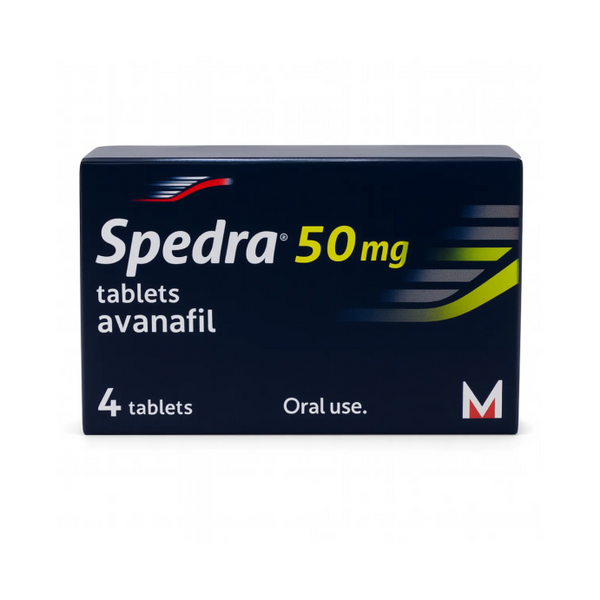
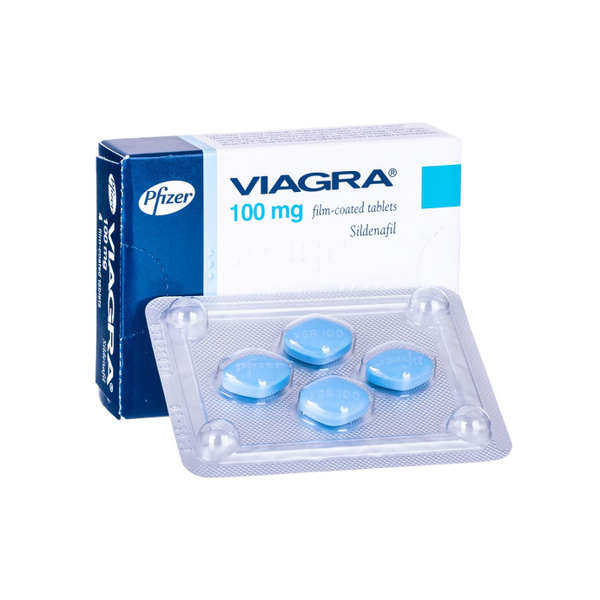
When suitable, PDE5 inhibitors such as sildenafil are commonly used as first-line pharmacological treatment for erectile dysfunction. When a compressive spinal condition is treated, surgical decompression may improve erectile function in some cases if the compression was contributing to the problem.
Where hormonal changes are relevant, such as after a significant brain injury, these may be assessed through blood tests as part of a clinical assessment that may include checking relevant hormone levels. Where contributing factors are more indirect, such as pain, mood or medication following an injury, addressing the underlying factor may be an important part of treatment.
Treatment suitability depends on an individual clinical assessment, and your prescriber will determine which option, if any, is appropriate for you, taking into account the specific injury and any specialist already involved in your care.
Medical Disclaimer
This article is for general information only and does not replace individual medical advice. It should not be used to self-diagnose or self-treat. If you experience a sudden penile injury during an erection, new numbness or bladder or bowel changes following a back injury, or worsening symptoms following a head injury, seek emergency medical attention immediately. For any other injury related erectile concern, speak to a suitably qualified prescriber. Prescription medicines should only be used under the supervision of an appropriately qualified prescriber, and results vary between individuals.
Frequently Asked Questions
Can an injury to your penis cause erectile dysfunction?
What is a penile fracture and why is it an emergency?
Can a back injury cause erectile dysfunction?
How do I know if my back injury is the type that could affect erectile function?
Can a brain injury cause erectile dysfunction?
Can a head injury cause hormone problems that affect erectile function?
Can a knee injury cause erectile dysfunction?
Can pain medication after an injury cause erectile dysfunction?
Should I see a doctor urgently for erectile dysfunction after an injury?
Can erectile dysfunction after an injury be treated?
Will erectile dysfunction after an injury go away on its own?
What should I mention at an assessment for erectile dysfunction after an injury?
Is it common for erectile dysfunction to follow an injury?
Can a minor injury still cause erectile dysfunction?
Kidney Disease and Erectile Dysfunction Explained
Herbal Remedies for ED: What Actually Works
Related Posts


Cheap Tadalafil UK: How to Compare Prices Safely