ED Remedies and Solutions: What Actually Helps
- An honest answer to "what is the best thing for ED", because the real answer depends on the cause, not a single product.
- Evidence-backed lifestyle remedies you can start today, alongside clinical options.
- A clear-eyed look at which online "remedies" are worth trying and which are not.
- Online consultation with UK-registered prescribers, when lifestyle changes are not enough on their own.
There is no single best solution for ED, and any remedy claiming to be one deserves scepticism. What genuinely helps falls into two categories: lifestyle changes that improve the underlying health of your blood vessels, nerves and hormones, and clinical treatments assessed and prescribed for your specific cause. Most men benefit most from a combination of both, not a single fix.
This page sets out what is actually evidence-backed, in plain terms, so you can tell a genuine remedy from a marketing claim.
Is There a Single Best Solution for ED?
No, and that is a genuinely useful answer, not an evasive one. The causes of erectile dysfunction vary from person to person, so the remedy that helps most with erectile dysfunction (ED) and other erection problems depends entirely on what is driving it for you. Marketing language built around "the best" or "the number one" solution tends to ignore this, because a genuine answer has to start with your specific cause rather than a single product.
Why "Best" Is the Wrong Question
A remedy that helps when reduced blood flow is a major contributor may not address ED when anxiety or other psychological factors are the main contributors, and vice versa.
Asking "what is the best thing for ED" is a bit like asking "what is the best medicine for pain": the honest answer depends on what is causing the pain, not a single universal winner.
What Determines the Right Solution for You
The right remedy or treatment depends on whether the cause is mainly physical, mainly psychological, or a mix of both, alongside your general health, any medicines you take and your own preferences. Diabetes and atherosclerosis can contribute to ED, while some medicines, including certain medicines used to treat high blood pressure, can also cause or worsen erection problems. A proper assessment can help identify what may be driving the problem rather than leaving you to work it out alone.
Evidence-Backed Lifestyle Remedies
Lifestyle changes are genuine, evidence-backed remedies for ED, not a consolation prize before "real" treatment.
Exercise
Regular aerobic exercise is linked to improved erectile function, particularly where inactivity or excess weight is contributing to the problem, because it improves the same blood vessel health an erection depends on. This does not mean intense training is required. Consistent physical activity over time is what the evidence links to improvement, rather than a single intense session.
Weight and Diet
Carrying significant excess weight is associated with a higher likelihood of ED and can affect factors involved in erectile function, so losing weight where relevant is a genuine remedy rather than a generic health tip. A diet that supports healthy blood pressure and cholesterol works in the same direction, since both affect the blood flow an erection depends on. A diet high in fruits and vegetables supports erectile health.
Together, diet and weight management can improve overall health in ways that also support erectile function.
Alcohol and Smoking
Reducing high alcohol intake and stopping smoking, including quitting smoking, both improve blood vessel health over time, and smoking in particular is one of the more significant modifiable risk factors for ED. In the short term, alcohol also directly blunts the physical arousal response on any given occasion, separately from its longer-term effects on blood vessels. Clinicians may suggest lifestyle changes such as reducing alcohol and quitting smoking where these factors contribute.
Sleep
Poor sleep and sleep disorders can be associated with lower testosterone and changes in nocturnal erections, so improving sleep is a reasonable part of supporting overall sexual health. This tends to matter more as a sustained pattern than as an occasional bad night.
Pelvic Floor Exercises
Pelvic floor exercises strengthen the muscles involved in maintaining an erection and may improve erectile function in some men. They may be particularly useful for men whose erections are difficult to maintain, although this pattern does not by itself identify the cause of ED. They do not involve medication and can be performed alongside other approaches. Like other lifestyle measures, consistency over time matters more than any single session.
Managing Stress and Underlying Health Conditions
Stress and anxiety are genuine, common causes of ED in their own right, so managing stress directly, rather than only addressing physical factors, is a legitimate remedy, particularly where difficulty varies by situation rather than happening every time or with a specific relationship partner. Once ED happens once, worry about it happening again can itself become the reason it keeps happening, so approaches that reduce that worry, rather than only the original stressor, tend to be the most effective. When mental health or other psychological conditions are contributing, counselling can be effective, and ED therapy may also help address the cycle.
Clinical Solutions: Proven Erectile Dysfunction Treatment Options
Clinical treatments have measured response rates, which is useful for understanding roughly how well each option tends to work, even though no single figure applies to any one person. These figures should be considered alongside lifestyle measures rather than treated as a separate list: both can play a role in managing ED, depending on the underlying cause.
| Remedy or treatment | What the evidence shows | Best thought of as |
|---|---|---|
| Regular exercise, weight and lifestyle changes | Linked to improved erectile function, particularly where inactivity, excess weight or smoking contribute | A foundation, useful alongside any other option |
| Pelvic floor exercises | Can help, particularly for erections that start then fade | A free, low-risk first step |
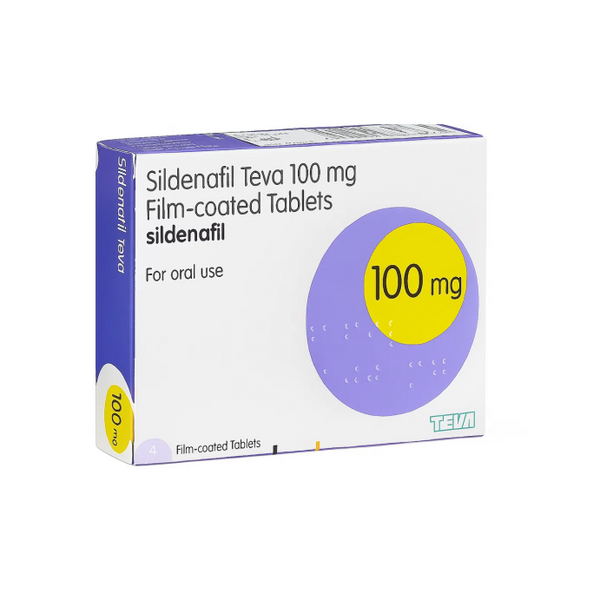
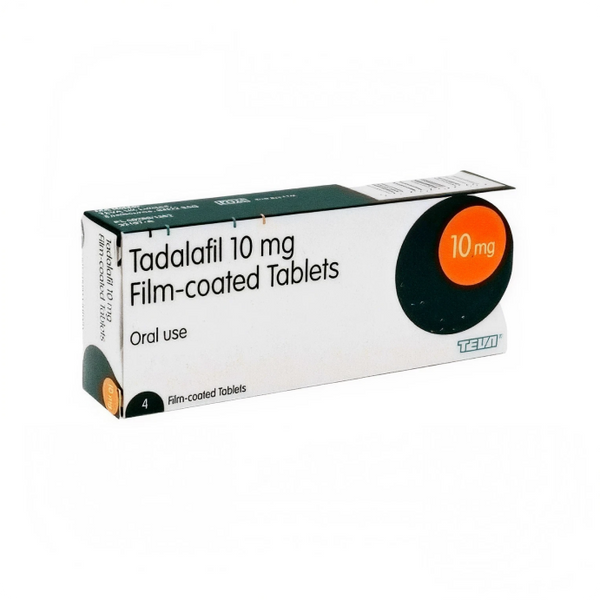
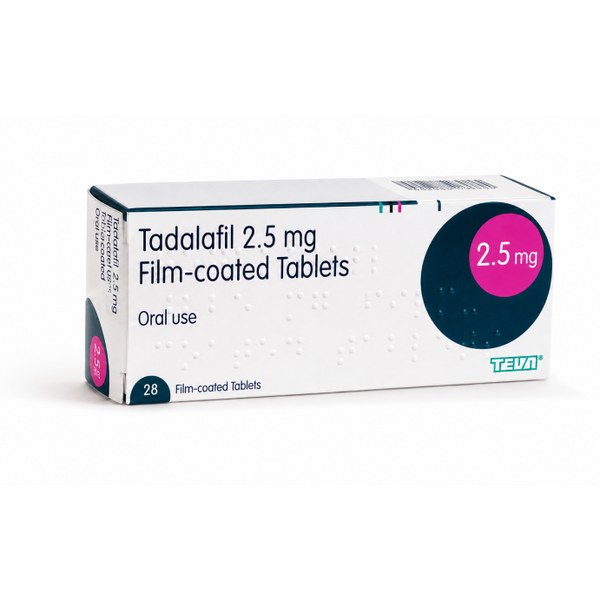
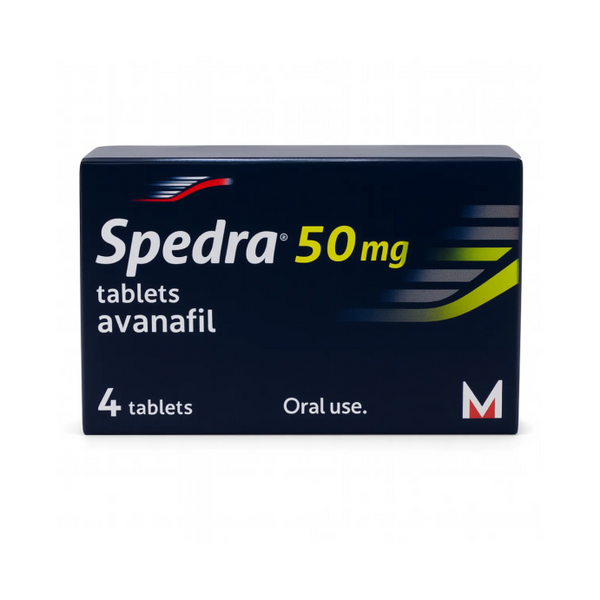
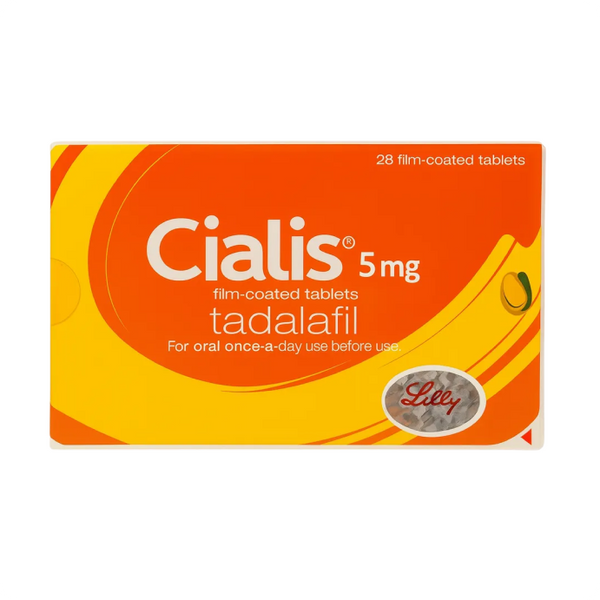
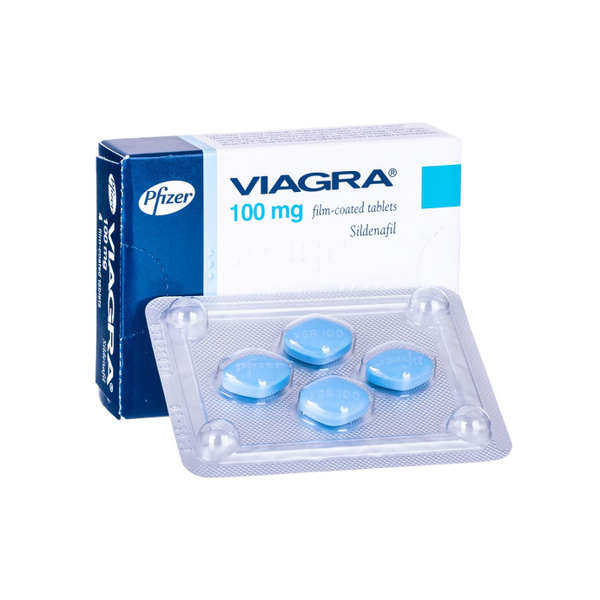
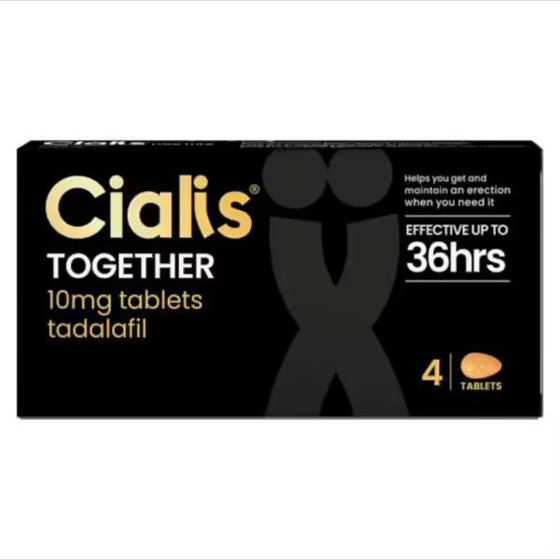
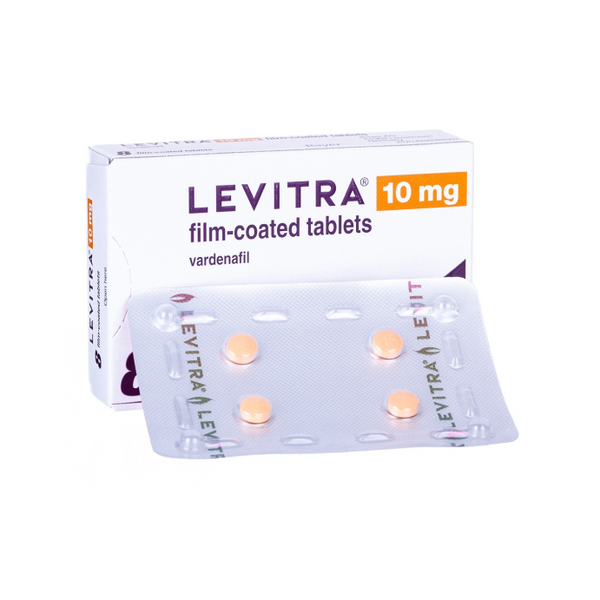
| PDE5 inhibitor tablets | PDE5 inhibitors are effective for many men and are generally recommended as first-line pharmacological treatment. They increase blood flow in response to sexual stimulation rather than causing an automatic erection. Sildenafil, vardenafil and avanafil generally have a shorter duration of action than tadalafil, which can remain effective for up to 36 hours. | A first-line clinical option after appropriate assessment |
| Vacuum erection devices | Reported efficacy can be high in appropriately selected men. | A non-drug clinical option, often overlooked |
| Alprostadil (injection, pellet or cream) | Over 70% (injection); 30–66% (urethral pellet). Penile injections can relax smooth muscle and stimulate blood flow. | An option when PDE5 inhibitors are unsuitable, ineffective or not preferred |
| Psychological therapy | Effective where stress, anxiety or performance-related factors are the main driver; ED therapy is one example. | Addresses a genuine cause, not just physical symptoms |
Testosterone replacement may be considered for men with clinically confirmed testosterone deficiency, while penile implants are a surgical option when other treatments have not worked or are unsuitable.
ED Remedies You will See Online: What is Worth Trying
Not everything marketed as an ED remedy online is backed by real evidence, and that is worth knowing before you spend money or time on one.
Supplements and "Natural" Remedies
Supplements marketed for ED are not regulated in the same way as licensed medicines, which means their contents, doses and claimed effects have not been independently verified in the way a prescribed treatment has.
Some products marketed this way have been found to contain undisclosed prescription-only ingredients, at unknown and unverified doses, which is a genuine safety issue rather than just a question of whether they work, and it may be especially risky for people taking nitrates or certain other medicines because of the risk of low blood pressure.
Treat any product promising a guaranteed or dramatic result with real caution, whatever it is called or however it is marketed.
What About Herbal Remedies Specifically?
Herbal products marketed for ED sit in the same unregulated category as other supplements, and the same caution applies. A product being labelled "natural" or "herbal" says nothing about whether it has been tested for effectiveness or checked for what it actually contains, and natural ingredients can still interact with other medicines, health conditions, or recreational drugs.
Why Online Remedy Content Needs Care
Video and article content about ED remedies varies enormously in quality, and demonstrating a technique or describing a personal experience is not the same as evidence that something works reliably. It can be a useful starting point for ideas, particularly for things like exercise technique, but it is not a substitute for a proper assessment, and it can not tell you whether a given remedy is right for your specific cause.
Combining Remedies: Lifestyle and Clinical Together
Lifestyle changes and clinical treatment work well together, and treating erectile dysfunction usually works best when changes in habits and medical care are combined based on the underlying cause rather than choosing one over the other.
Starting a clinical treatment does not undo the benefit of exercise, weight loss or reducing alcohol, and in many cases lifestyle changes improve how well a clinical treatment works over time.
Equally, lifestyle changes alone can take weeks or months to show an effect, so combining them with a clinical option is not a sign that the lifestyle changes have failed, it is simply a realistic timeline. Many men find the most practical approach is starting the lifestyle changes that apply to them straight away, while getting assessed in parallel so the underlying cause can be addressed rather than waiting to see if lifestyle changes work first.
How To Choose Where To Start
Where to start depends on what your own pattern looks like, and a simple way to think it through is more useful than guessing.
- If a specific event or stressful period seems to have triggered it, managing stress directly and giving it time is a reasonable place to start.
- If it happens consistently across different situations, including when you are alone, it is worth considering both physical and psychological contributors and getting assessed rather than assuming the cause.
- If inactivity, smoking, heavy drinking or poor sleep clearly apply to you, they are worth addressing regardless of the underlying cause, since they are free and evidence-backed either way.
If the problem persists, or you are genuinely unsure where to start, an assessment is a more efficient route than continuing to try remedies at random.
When Remedies Alone Are Not Enough
If lifestyle changes are not making a difference, or the difficulty is happening repeatedly regardless of what you try, that is a reasonable point to get a proper assessment rather than trying more remedies indefinitely.
A pattern that is persistent or keeps happening, or affecting your confidence or relationships, is worth having looked at properly. ED can sometimes be associated with underlying cardiovascular disease and may occur before other cardiovascular symptoms become apparent.
This is not a failure of lifestyle changes, some causes need a clinical assessment to identify properly, however good your general health is.
What Happens If You Get Assessed
An assessment helps clarify your ED symptoms and identify which remedies and treatments are actually likely to help you, rather than leaving it to trial and error. It also means you are not left guessing whether a lifestyle change has not worked yet, or simply is not the right lever for your particular cause, while giving a clearer picture of your wider physical health.
Expect questions about how long the difficulty has been happening, whether it happens in every situation or only some, your general health, relationship history, lifestyle and any medicines you take, and cardiovascular risk factors such as blood pressure, cholesterol and whether you smoke. Some medicines, including some used for high blood pressure, can contribute to erection problems. A prescriber may suggest blood tests or a physical check depending on what comes up, and will look for medicines or conditions that may cause erectile dysfunction, including issues linked to cardiovascular disease or the nervous system, before discussing which options, lifestyle or clinical, are genuinely suitable for you rather than recommending a single default.
Medical Disclaimer
This page is for general information only and does not replace individual medical advice. It does not diagnose erectile dysfunction and should not be used as a substitute for an assessment by a qualified healthcare professional. Treatment suitability depends on an individual clinical assessment, and results vary between individuals. If you experience chest pain or an erection that lasts for several hours or is painful, seek urgent medical attention.
Frequently Asked Questions
Q: What is the best solution for ED?
Q: What is the best thing for ED that I can try myself?
Q: What helps ED the most?
Q: Are there any real solutions to ED, or is it always ongoing?
Q: Do pelvic floor exercises actually help with ED?
Q: Are ED supplements a genuine remedy?
Q: Can lifestyle changes alone fix ED?
Q: How long do lifestyle remedies take to work?
Q: Should I try remedies I have seen online before getting assessed?
Q: When should I stop trying remedies and get assessed instead?
Q: Can I combine lifestyle remedies with a clinical treatment?
Q: How do I find out which solution is right for me?
Erectile Dysfunction Treatment UK: Your Options
How Common Is Erectile Dysfunction? ED Statistics by Age
Related Posts


Cheap Tadalafil UK: How to Compare Prices Safely