
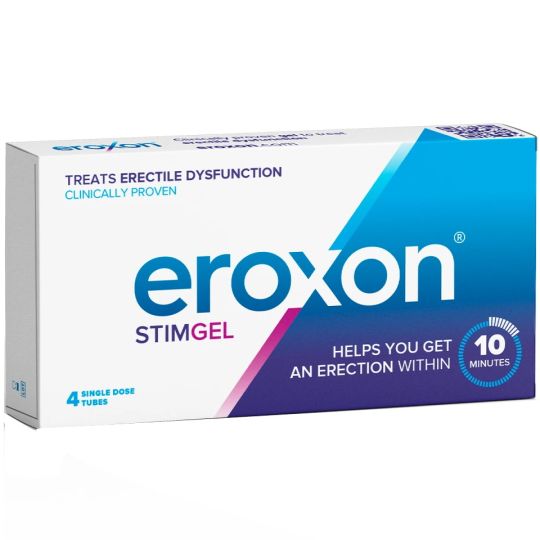
Eroxon Stimgel - 4 Pack
From £19.89
10% OFF
Overview
Account
Overview
Treatments
Account
Understanding how alcohol interacts with sildenafil is crucial for safe and effective ED treatment. While moderate alcohol consumption may not prevent sildenafil from working, excessive drinking can increase side effects and reduce the medication's effectiveness. This comprehensive guide explores the relationship between sildenafil and alcohol, helping you make informed decisions about combining these substances safely.
From £19.89
From £3.99

From £28.99

From £22.99

From £27.99

From £44.99

From £23.99

From £8.49
From £32.99


When PDE5 is suppressed, blood is able to flow more freely through the body—including to the (you guessed it) penis.

More blood flow to the penis means harder, more satisfying erections once you're sexually stimulated.
Sildenafil works by increasing blood flow to the penis through the inhibition of PDE5 enzymes. Alcohol acts as a central nervous system depressant and vasodilator, meaning it can widen blood vessels and potentially lower blood pressure. When combined, these effects may compound, leading to enhanced side effects and reduced therapeutic benefits.
The most frequently reported side effects when combining sildenafil with alcohol include dizziness, headaches, flushing, and nausea. These occur because both substances can cause blood vessels to dilate, potentially leading to a more pronounced drop in blood pressure than when taking sildenafil alone. Patients may also experience increased heart palpitations or feeling lightheaded when standing up quickly.
One of the most serious concerns when combining alcohol with sildenafil relates to cardiovascular effects. Both substances can lower blood pressure, and when used together, this effect may be amplified. This is particularly important for men who already have cardiovascular conditions or are taking medications for high blood pressure. The combination could potentially lead to hypotension (dangerously low blood pressure), which may cause fainting or more serious complications.
Alcohol consumption, particularly in larger quantities, can significantly impact sildenafil's effectiveness. Alcohol is known to impair sexual function independently, affecting both arousal and the ability to maintain an erection. When combined with sildenafil, excessive alcohol may counteract the medication's benefits, making it less likely to achieve the desired therapeutic outcome.
Medical professionals generally advise limiting alcohol consumption when taking sildenafil. Moderate drinking - typically defined as no more than 1-2 units of alcohol - may be acceptable for most men, though individual tolerance varies. One unit equals approximately half a pint of beer, a small glass of wine, or a single measure of spirits. Patients should start with minimal alcohol consumption to assess their individual response before considering slightly higher amounts.
The timing of alcohol consumption in relation to taking sildenafil can influence the severity of interactions. Since sildenafil typically takes 30-60 minutes to become effective and remains active for 4-6 hours, consuming alcohol during this window may heighten side effects. Some patients find that having alcohol well before or after the medication's active period reduces unwanted interactions.
Beer, wine, and spirits all contain ethanol, which is responsible for alcohol's effects on the body. However, the concentration varies significantly. Spirits contain the highest alcohol concentration, followed by wine, then beer. This means that consuming spirits may pose a higher risk of interactions compared to having a beer or glass of wine, assuming equivalent alcohol units.
Several factors influence how alcohol may interact with sildenafil in different individuals. Age, weight, overall health status, liver function, and concurrent medications all play roles in determining risk levels. Older adults may be more susceptible to blood pressure changes, while those with liver conditions may process both alcohol and sildenafil more slowly, potentially increasing interaction risks.
Patients should consult their prescribing clinician if they experience severe side effects when combining alcohol with sildenafil. Warning signs include severe dizziness, chest pain, prolonged erection lasting more than four hours, or fainting. It's also advisable to discuss alcohol consumption habits during the initial consultation to receive personalised guidance based on individual health circumstances.
It's one of the most common conditions we treat, and one of the most treatable.

Achieve your goals in just a few simple steps.

Select safe UK treatments. Quick answers.

Our expert team will use your consultation as the basis of our recommendation and communicate with you.

We’ll deliver direct to you, as quickly as tomorrow.