Why Does My Erection Go Away So Fast?
Losing an erection easily, or feeling like it goes away fast, is one of the more common things men search about, and one of the most misunderstood. An erection can go away quickly because of everyday factors such as distraction, self-consciousness, a pause in physical contact or a change in sensation, and this does not necessarily mean something is medically wrong.
For men worried about erection problems or whether this could mean erectile dysfunction, that distinction matters: occasional loss of an erection is common, while a consistent pattern can point to erectile dysfunction (ED) or another issue worth assessing.
This page is for men trying to work out why it happens, what is normal, and when it is time to get help. It covers the everyday triggers first, then the difference between occasional and repeated problems, the psychological factors and physical causes behind erectile dysfunction, what to do in the moment, longer-term steps that can help, and when a medical assessment makes sense. If it keeps happening, it can reflect broader sexual health, physical and mental health, or underlying conditions that affect blood flow, including cardiovascular disease, so understanding the pattern can reduce unnecessary anxiety and make it clearer when to act.
Key things to know
- Erections fluctuate more than most people assume, even without any underlying issue
- Everyday triggers, distraction, a pause, self-consciousness, can interrupt one even when nothing medical is wrong
- Whether it happens every time or only sometimes during sexual activity is a genuinely useful clue
- Ongoing problems can be linked to both psychological factors and physical causes
- If the pattern is persistent, it can sometimes point to erectile dysfunction and reflect broader sexual health or cardiovascular disease issues, not just everyday triggers
Erections Are More Fragile Than You Might Think
An erection is not a fixed, stable state once it happens, it is actively maintained, and it can soften and firm up again within the same encounter without that meaning anything is wrong. Almost every man has lost an erection at some point for reasons that had nothing to do with an underlying condition, a distraction, a shift in focus, a pause.
- Losing an erection quickly can happen because of both psychological factors and physical causes that affect erectile function.
- Occasional changes are normal, but erectile dysfunction means a repeated inability to get or keep an erection firm enough for intercourse, and persistent problems may call for erectile dysfunction treatment.
Losing one occasionally, especially if it comes back, is a completely normal part of how arousal works, not automatically a symptom of ED.
Why It Can Go Away So Fast: Common, Everyday Triggers
Distraction and interruption
Arousal needs ongoing attention, and anything that pulls focus away, a noise, a thought about something unrelated, a phone going off, can reduce it quickly. This is often the simplest explanation and the easiest to overlook.
Checking in on yourself
Mentally monitoring whether you are still hard, especially with any anxiety attached to the question, pulls attention away from the arousal itself and onto self-observation. When attention breaks, arousal can drop quickly because psychological stress can disrupt signals between the brain and body. This is a well-recognised pattern linked to performance anxiety: the act of checking can itself be what causes the loss, creating a loop where worrying about losing it becomes the reason it happens, often alongside other psychological factors.
A change in position or sensation
Shifting position, a change in sensation, or a break in physical contact can reduce firmness quickly, and performance anxiety is a common form of self-monitoring during intimate relationships that can make this more noticeable. This is a mechanical and attentional effect, not usually a sign of an underlying issue on its own, though it can interrupt the conditions needed for adequate blood flow and healthy erections. Mindfulness or simple cognitive techniques can help reduce performance pressure. Psychological stress can also create a cycle that affects erectile function.
A pause breaking momentum
Any interruption, however brief, whether that is putting on a condom, changing position, or simply a lull, can be enough to lose an erection during intimate that was otherwise entirely normal, especially earlier on before arousal is well established, as changes in position or sensation can briefly reduce the stimulation and adequate blood flow needed for healthy erections.
Stimulants and nicotine
Nicotine can contribute to anxiety and can affect blood-vessel function, while smoking is a recognised risk factor for erectile dysfunction. If a particular stimulant makes you feel anxious or tense, that may also make it harder to maintain an erection on that occasion.
New or unfamiliar situations
Being with a new partner, or being in a new or unfamiliar setting, adds a layer of self-consciousness and performance pressure that is genuinely common and rarely talked about openly.
This is not a sign of attraction or anything being wrong, and nicotine can constrict blood vessels and reduce the blood flow needed to keep an erection.
It is also a normal response to novelty and the added pressure of a first time together, and it tends to ease as familiarity builds, particularly if it is not treated as a crisis when it happens.
Open communication with a partner can also reduce tension, especially if unresolved relationship conflict is adding pressure.
Smoking increases the risk of erectile dysfunction, and quitting can improve vascular health and may improve erectile function.
Does It Happen Every Time, or Only Sometimes? Why That Matters
This is one of the most useful things to notice about your own pattern. If it happens occasionally, in specific situations, or with an obvious trigger you can point to, that is much more likely to be one of the everyday causes above, or a psychological one, than a physical condition affecting sexual function.
If it happens only occasionally, in particular situations or after an obvious trigger, psychological or situational factors may be contributing. If it happens consistently across different situations, a physical or persistent psychological cause becomes more important to consider.
A healthcare provider can also review whether many medications or other prescription medicine could be playing a role. Tension with a partner or unresolved relationship conflict can also reduce arousal and make erections harder to maintain, though relaxing and communicating can reduce pressure.
Does it happen with every partner, or just some?
If it happens only in certain situations or with certain partners, but erections are possible in other circumstances, psychological or situational factors may be contributing. If difficulties occur consistently across different situations, physical causes should also be considered. Because physical and psychological factors can occur together, this pattern is a useful clue rather than a diagnosis.
When "Losing It Easily" Points to Something More
A persistent anxiety loop
Where the worry about losing an erection has become the main driver, rather than an occasional distraction, that is a self-reinforcing pattern worth addressing directly, sometimes with support, rather than something that reliably resolves on its own.
Venous leak
A specific vascular cause where the veins do not hold blood in place effectively, so an erection that starts normally softens on its own even without any distraction or interruption.
A problem with the mechanisms that help maintain blood within the penis can contribute to difficulty keeping an erection, but this cannot be diagnosed from symptoms alone. Other vascular problems that reduce blood flow can also contribute to ED. If erection difficulties are persistent, a healthcare professional can assess the possible causes, including cardiovascular risk factors.
Alcohol
Alcohol can affect the nervous system and sexual arousal, and drinking heavily can make it harder to get or maintain an erection. Longer-term excessive alcohol use can also contribute to health problems that increase the risk of ED.
Alcohol consumption can affect erections differently depending on the amount, but excessive alcohol consumption is more likely to impair performance and damage the blood vessels involved.
Broader cardiovascular health matters too, because atherosclerosis and high blood pressure can restrict the blood vessels needed for an erection.
The same applies to recreational drugs, which can interfere with the physical processes and hormones involved, and substance misuse can also affect physical and mental health more widely. If erection problems keep happening, they can sometimes point to cardiovascular disease or diabetes.
Medication timing
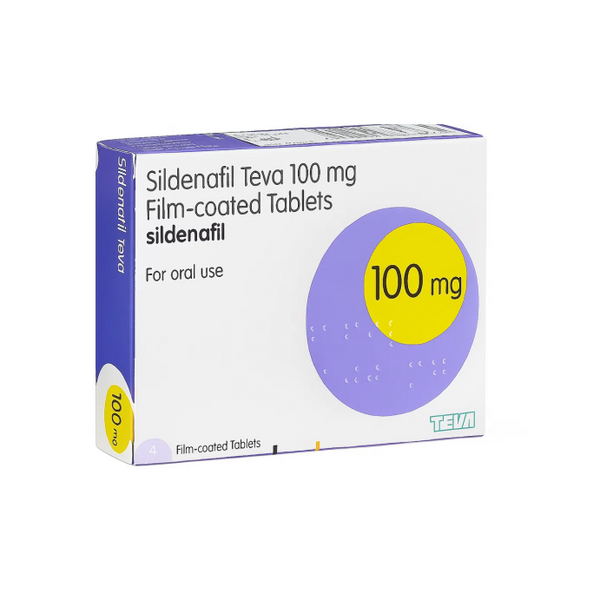
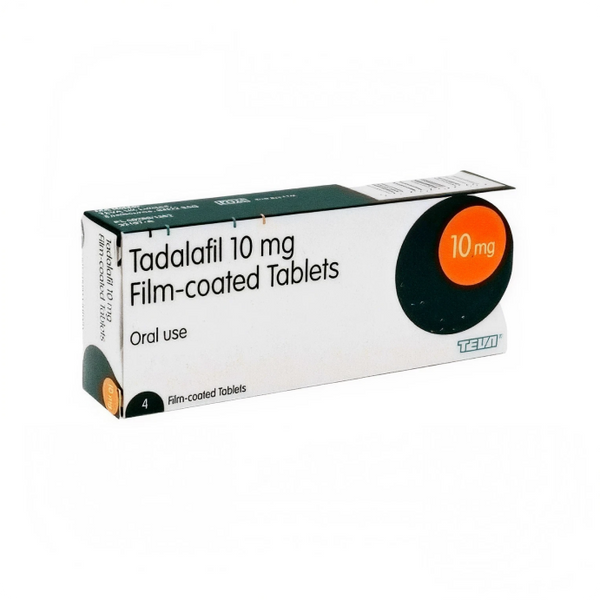
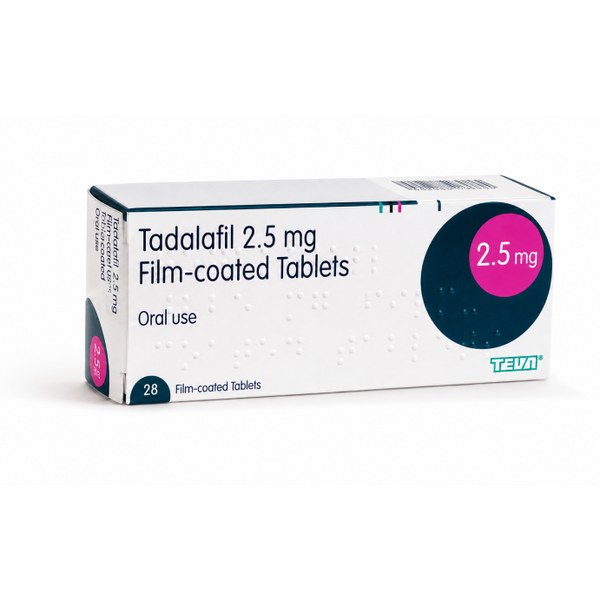
If you are taking a PDE5 inhibitor, losing an erection later in a sexual encounter does not necessarily mean the medicine has stopped working. These medicines support the erectile response when you are sexually stimulated, rather than keeping the penis erect continuously. A prescriber can review the timing, dose, other medicines and alcohol use if you are having problems.
Common oral medications for ED are prescription medications, and substance use, including recreational medicines, can impair erectile function and broader physical and mental health.
Low testosterone
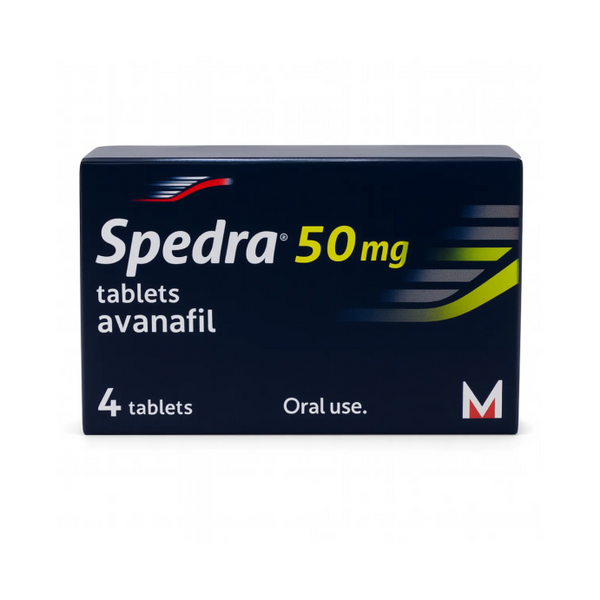
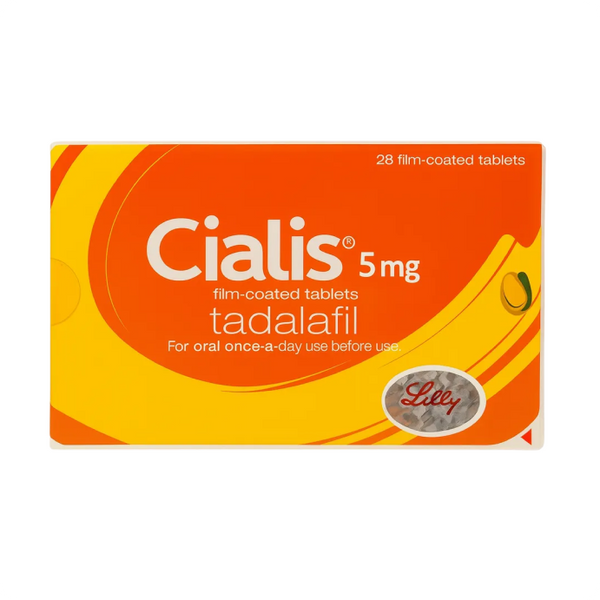
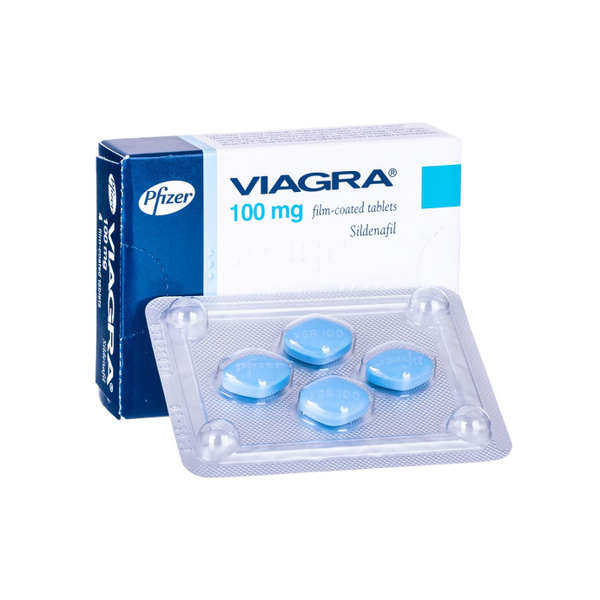
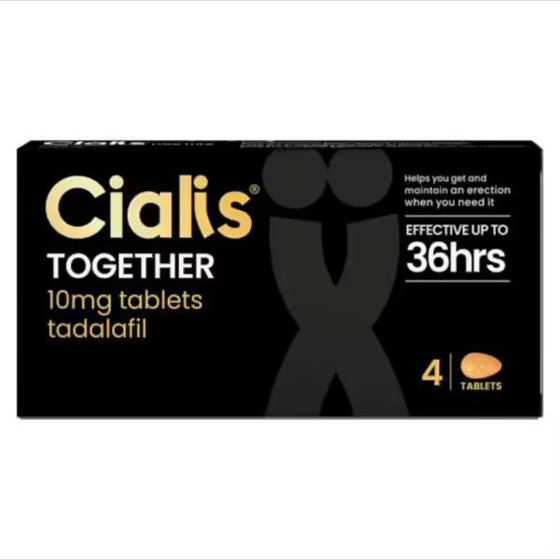
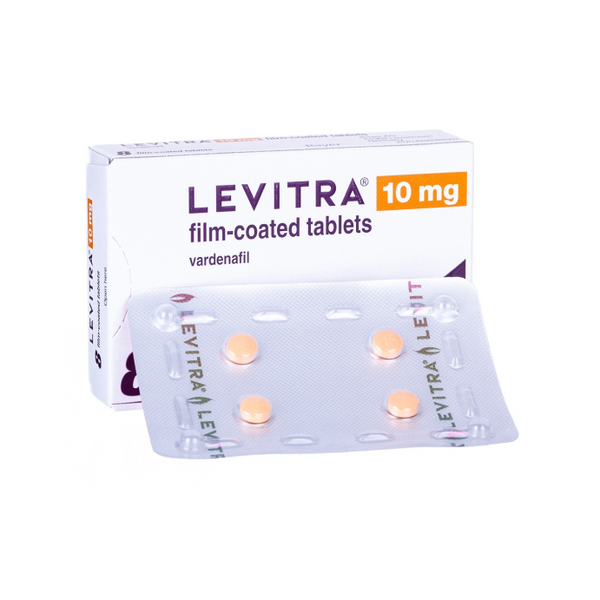
Low testosterone can reduce sexual desire and may contribute to erectile difficulties in some men. If symptoms suggest testosterone deficiency, a healthcare professional can assess whether testing is appropriate. PDE5 inhibitors such as sildenafil, tadalafil and vardenafil are commonly used treatments for ED. Where testosterone levels are genuinely low, reduced desire can also present alongside losing an erection more easily than expected and affect your personal life.
How to Respond in the Moment
Beyond the underlying cause, what happens right after losing an erection can matter too. A few things genuinely help in the moment:
- Naming it out loud rather than going silent. A simple, unpanicked acknowledgement with your partner tends to defuse the pressure far more than pretending nothing happened.
- Continuing physical contact rather than stopping everything. Arousal often returns naturally if the moment is not treated as over during sexual activity.
- Shifting focus away from the erection itself, back onto connection and touch generally, rather than fixating on whether it is returned yet, since that fixation is often what is keeping it away.
- Not rushing to "prove" it is fixed immediately. Trying to force things right away tends to recreate the exact pressure that caused the loss in the first place.
Reacting with panic or frustration tends to add exactly the kind of pressure that makes it harder to regain, while a calmer response allows arousal to naturally return more often than not. Hormonal imbalances, particularly low testosterone, can affect both desire and erectile function. Fatigue and sleep deprivation can also disrupt hormone production and reduce stamina, which can affect your overall life.
What Actually Helps Long-Term
If this is a recurring pattern rather than an occasional occurrence, a few things genuinely help: addressing performance-related anxiety directly rather than hoping it resolves on its own, communicating calmly with a partner during sexual activity, moderating alcohol, reviewing medication timing with whoever prescribed it, and, where a physical cause like venous leak is suspected, a proper assessment rather than continued self-monitoring. Longer term, exercise, weight loss where appropriate, and stopping smoking can improve erectile function and support healthy erections. Pelvic floor muscle exercises may also help some men with erectile difficulties

When to Seek Assessment
It is worth getting assessed if this is happening consistently rather than occasionally, if you can not identify an obvious everyday trigger, if it is affecting your confidence or relationship, or if you have risk factors and physical causes such as high blood pressure, high cholesterol, diabetes, obesity, smoking, cardiovascular disease, kidney diseases, nerve damage, multiple sclerosis, or problems affecting the spinal cord, a healthcare provider can also review your physical health and explain when neurogenic ED occurs.
Reducing alcohol, quitting smoking, improving diet, and regular aerobic or cardiovascular exercise can support blood circulation and healthier erections, while weight loss and a diet high in fruits and vegetables may further improve erectile function. Seek urgent care if an erection is painful and lasts more than a few hours without going down, or if this occurs alongside chest pain, breathlessness or dizziness, particularly during physical activity or intimacy, by calling 999.
Frequently Asked Questions
Why does my erection go away so fast?
Why do I keep losing my erection?
Is it normal to lose an erection easily sometimes?
Why do I lose my erection midway through?
Can overthinking cause me to lose an erection?
Does losing an erection easily mean I have erectile dysfunction (ED)?
What should I do if I lose an erection during intercourse?
Can alcohol make me lose an erection more easily?
Could my tablet be wearing off, causing me to lose it?
When should I actually get this checked rather than just monitoring it?
Is this the same as struggling to maintain an erection generally?
Can this happen even if I am definitely aroused?
Can Tiredness Cause Erectile Dysfunction? Sleep & ED
How to Help With Erectile Dysfunction (You or a Partner)
Related Posts


Viagra Pharmacy UK: How Sildenafil Supply Works

Do You Need a Prescription for Viagra in the UK?

Can You Buy Viagra Over the Counter in the UK?


Viagra Price UK: Understanding Sildenafil Costs