What Is the Treatment for a Weak Erection? A Complete Guide
- Guidance built on NICE evidence summaries and MHRA safety information
- Online consultation with UK registered prescribers to discuss your options
- GPhC registered pharmacy, clear and jargon free explanations throughout
- Practical steps you can take alongside any clinical treatment
If you have noticed your erections are not as firm as they used to be, or that they do not last as long as you would like, you are not alone, and it is not something you have to just live with. Treatment for a weak erection usually combines practical lifestyle changes such as cutting back on alcohol, stopping smoking, improving sleep and managing stress with evidence-based medical options such as PDE5 inhibitor tablets, vacuum erection devices or alprostadil, depending on the cause and your medical history. Weak erections are a common erectile difficulty, and there are several possible causes and treatment options to consider.
This guide is for men in the UK who are experiencing weak erections or other erectile difficulties and want clear, private access to evidence-based treatment options and clinical assessment. It sets out what actually helps a weak erection, from simple lifestyle steps through to the clinical treatments a UK-registered prescriber might discuss with you, what a clinical assessment involves, how weak erections fit within erectile dysfunction, and when it is worth seeking help sooner rather than waiting to see if things improve on their own. Erectile dysfunction becomes more common with age, although it is not an inevitable part of ageing.
Whether you have had one or two episodes recently or this has been building for a while, the approach is broadly the same: understand what is likely contributing, address what can be addressed, and get a proper assessment if it continues. Dealing with it early often leads to better treatment decisions and can help avoid unnecessary worry or delay.
It also helps to know that you are asking a very common question. Weak erections are a common concern, and seeking advice rather than assuming the worst can be a useful first step, especially as ongoing erection problems commonly increase stress and affect self-confidence.

Does a Weak Erection Count as Erectile Dysfunction (ED)?
Yes. Erectile dysfunction is generally defined as persistent difficulty achieving or maintaining an erection firm enough for the activity intended, and a weak erection, meaning one that lacks full firmness or does not hold, fits within that definition. It does not have to mean a complete inability to get an erection at all.
Many men assume erectile dysfunction only describes total inability, and delay looking into a weakness or duration issue because it does not fit that picture. Clinically, the two sit on the same spectrum, and the same range of causes and treatment options generally applies to both. The causes of erectile dysfunction can include physical problems such as atherosclerosis, as well as psychological and other non-physical contributors.
This matters practically because it means the same clinical pathway applies. You do not need to wait until an erection stops happening altogether before it is reasonable to seek an assessment or ask about treatment. A firmness or duration problem is a legitimate reason to look into things on its own.
Is a Weak Erection at 23 Something to Worry About?
Not usually, though it is still worth understanding rather than ignoring. Weak erections can occur in men in their twenties and may be linked to psychological factors such as stress, tiredness or performance anxiety, lifestyle factors such as poor sleep or high alcohol intake, or an isolated episode. Physical causes can also occur.
That said, age on its own does not rule anything out. Hormonal, vascular and other physical causes can occur in younger men too, particularly where there is an existing health condition or family history. If it is a one-off, it is unlikely to need action. If it becomes a repeated pattern at any age, a clinical assessment is a sensible next step rather than something to put off out of embarrassment or an assumption that it only affects older men.
It is also worth knowing that a single stressful or unexpected episode in your twenties can, on its own, lead to performance anxiety and create a cycle of worry that makes it more likely to happen again, even though there may be no underlying physical problem. Recognising this pattern for what it is, rather than assuming a lasting medical problem, is often the most useful first step at this age.
What Actually Helps a Weak Erection?
The right approach depends on what is contributing, but for most men it involves a combination of practical lifestyle steps and, where needed, a clinical treatment. Neither replaces the other, they generally work best together.
Lifestyle Steps Worth Trying First
Several everyday factors are known to affect erectile firmness, and addressing them is a reasonable first step, particularly if your weak erections are recent, mild or linked to an obvious trigger such as a stressful period or a change in drinking habits. None of these need to happen all at once, and even one or two lifestyle changes can improve erectile function for some men.
- Reducing alcohol intake, particularly heavier or more frequent drinking.
- Stopping smoking, which affects the same blood vessels involved in an erection.
- Building in regular physical activity, which can support cardiovascular health and erectile function, particularly where excess weight or inactivity is contributing.
- Improving sleep quality and duration where this has been poor.
- Managing stress and anxiety, including where a single difficult episode has led to worry about it happening again.
- Reviewing weight and general cardiovascular health with your GP where relevant, as weight loss can improve erectile function in some men where excess weight is contributing.
Long periods of cycling, particularly with prolonged pressure on the perineum, may contribute to temporary genital numbness or erectile difficulties in some men. Adjusting bike fit, saddle position and riding habits may help.
These steps will not resolve every cause, but they are low risk, generally beneficial for health overall, and often make a genuine difference on their own, particularly in younger men or where a lifestyle factor is the main contributor.
When Lifestyle Changes Are Not Enough
If lifestyle changes do not lead to improvement, or if the pattern has been ongoing for a while, or if you would simply rather understand the underlying cause and your options properly, a clinical assessment is the next sensible step for treating erectile dysfunction. This is also the right route if you suspect an underlying health condition, are taking prescription drugs including blood pressure medications that may be causing erectile dysfunction or affect erections as a side effect, or want to understand the clinical treatments available.
Clinical Treatment Options for a Weak Erection, Including Penile Implants
Once an assessment has identified what is likely contributing, several evidence based treatment options exist. None of them is universally the best choice, and suitability depends on your individual health, any other medicines you take, and the likely underlying cause. Your prescriber will determine which, if any, is appropriate for you.
PDE5 Inhibitor Tablets
These are the most commonly used clinical treatment and work by supporting the body's own process, helping the blood vessels in the erectile tissue relax when the natural signal is already present. They do not increase sexual desire and require sexual stimulation to help produce an erection. This is a prescription only medicine, and treatment should only be used under the supervision of an appropriately qualified prescriber.
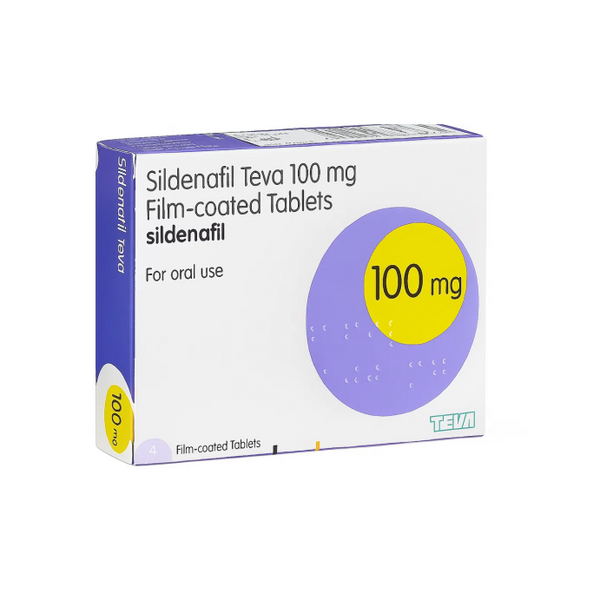
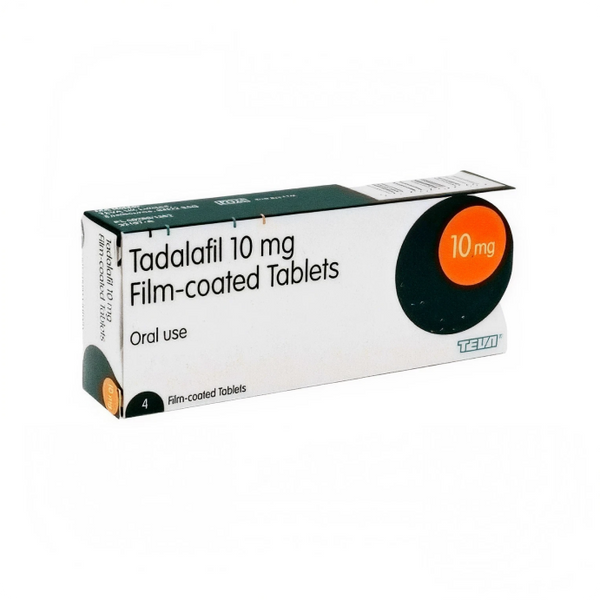
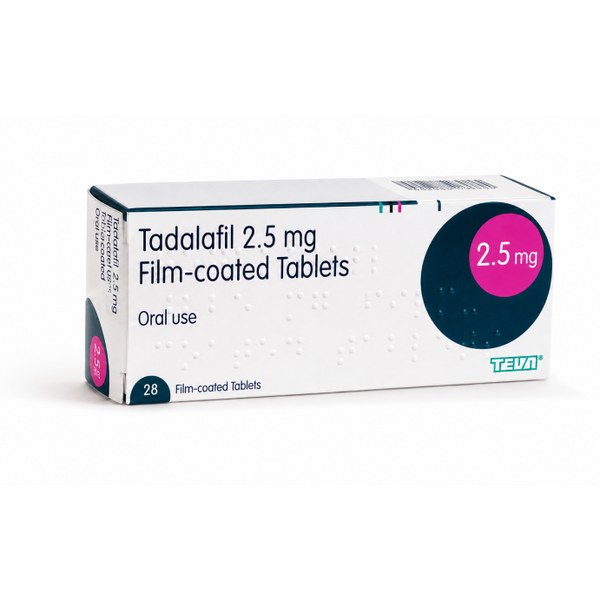
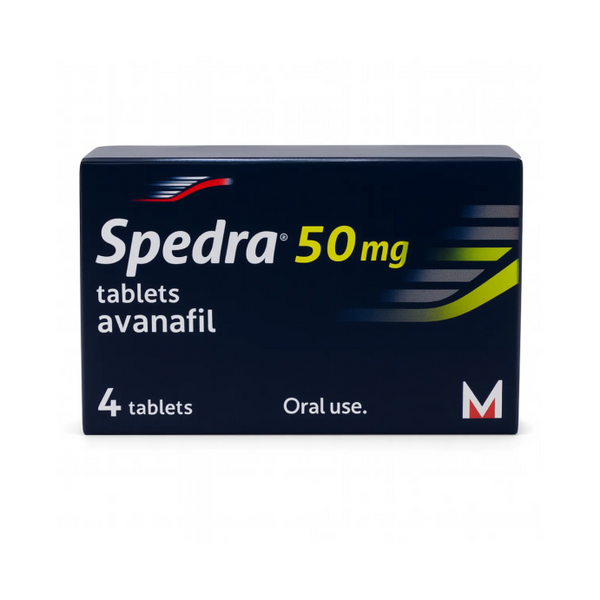
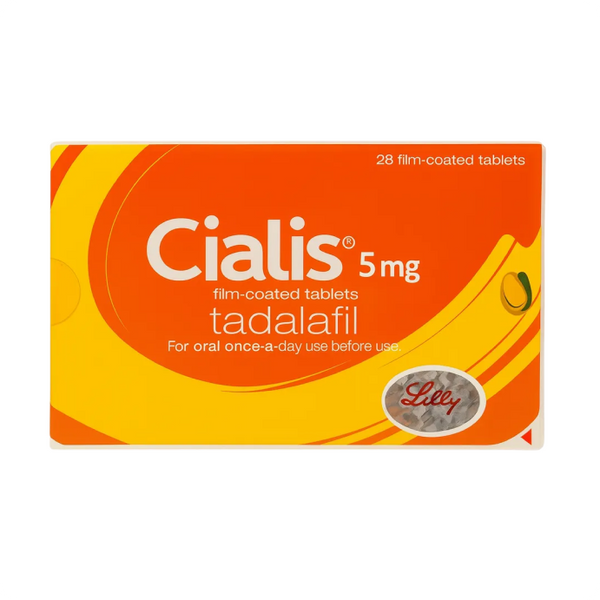
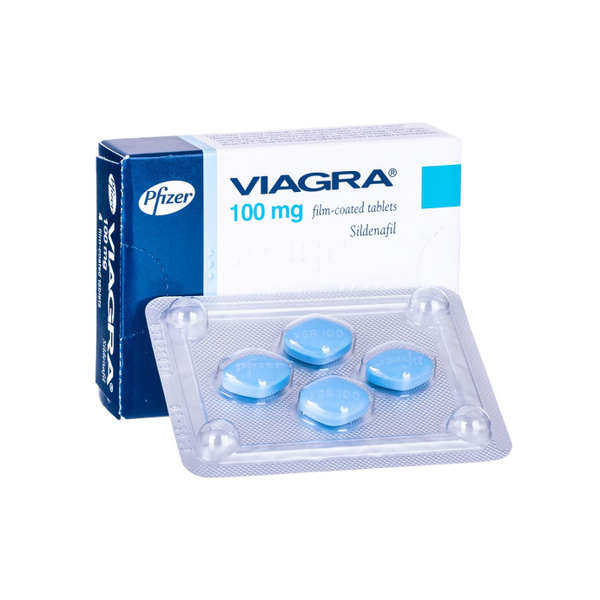
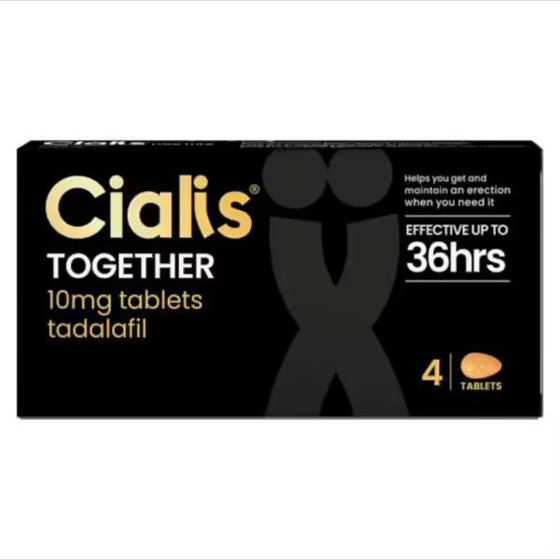
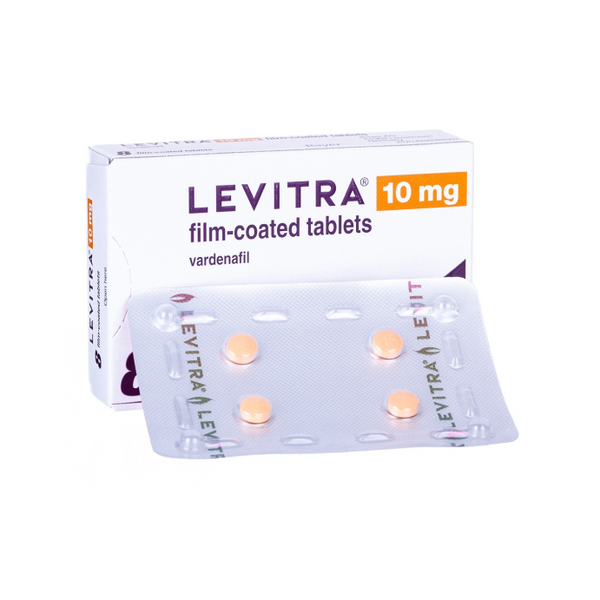
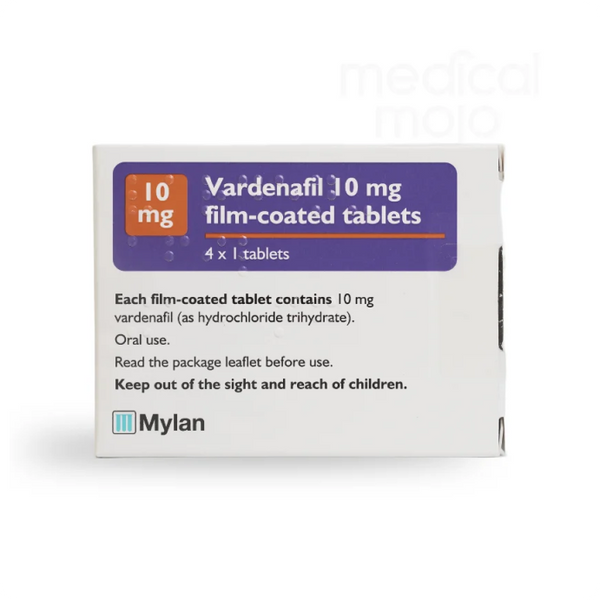
The main medical treatments in this category are sildenafil, tadalafil, vardenafil, and avanafil. Sildenafil is effective for many men with erectile dysfunction, although response varies between individuals. Tadalafil can remain effective for up to 36 hours after ingestion. Which one, if any, is suitable depends on your individual health, any other medicines you take, and factors such as blood flow and medicines that can cause a potentially dangerous drop in blood pressure when combined with PDE5 inhibitors, such as nitrates.
Vacuum Erection Devices
These draw blood into the erectile tissue mechanically using gentle suction, with a ring used afterwards to help maintain firmness. They are sometimes used where tablets are not suitable. They can be effective for some men and may be considered when tablets are unsuitable or ineffective.
Alprostadil
Alprostadil acts directly on the erectile tissue rather than relying on the nerve signal. It is given by injection or as an intraurethral pellet. It is usually started under clinical supervision, and your prescriber will advise whether it is appropriate alongside any other ED treatment.
Addressing an Underlying Cause
Where an assessment identifies a specific contributing factor, such as a medicine that may be affecting erectile function, a health condition such as high blood pressure that has not been well managed, or a hormonal issue such as low testosterone, addressing that factor directly is often part of the plan alongside, or sometimes instead of, a dedicated erectile dysfunction treatment.
Testosterone replacement therapy may be considered where clinically confirmed testosterone deficiency is contributing. A clinician may also investigate thyroid hormone levels during assessment.
This is one of the more overlooked parts of treatment: a tablet can support the mechanism of an erection, but it will not resolve an underlying cause that is still actively contributing, which is why identifying that cause matters as much as choosing a treatment.
Reported response rates (NICE evidence summaries)
| Approach | General role |
|---|---|
| PDE5 inhibitor tablets | Common first-line medicine for many men |
| Vacuum erection devices | Non-drug option that may be useful when tablets are unsuitable or ineffective |
| Intracavernosal alprostadil (injection) | Alternative treatment when oral medicines are unsuitable or ineffective |
| Penile implants | Surgical option when other treatments are unsuitable or unsuccessful |
Some men stop using their first PDE5 inhibitor because of side effects, lack of benefit, incorrect use or other factors. This is one reason a proper assessment and clear instructions are useful before and during treatment.
What to Expect From a Clinical Assessment
A clinical assessment for a weak erection is generally straightforward and does not need to feel daunting. A clinician uses your medical and sexual history to understand your symptoms and possible causes. It typically covers your general health, current medicines, alcohol intake, stress levels, sexual desire, physical activity, relationship factors, whether the problem varies between situations, and whether erections still happen at other times, such as on waking. Some people may also need a physical examination to look for possible physical causes affecting blood supply or anatomy.
You do not need to have a firm idea of the cause yourself before booking an assessment. Working through the relevant questions with a prescriber is generally more reliable than guessing, particularly because some contributing factors, such as psychological concerns, medical conditions, medicine side effects or hormonal problems, are not something you would reasonably identify alone.
Neurological causes may involve the nervous system, spinal cord, or conditions such as multiple sclerosis.
An assessment does not commit you to any particular treatment. Its purpose is to build an accurate picture of what is happening and why, so that if treatment is appropriate, it is the right one for your circumstances rather than a general guess, and it can also identify Peyronie's disease or other physical problems that need a different plan.
Risk factors and other risk factors can include heart disease, cardiovascular disease, high cholesterol, metabolic syndrome, diabetes, and certain medicines. If you want to understand your options, you can start an online consultation with UK registered prescribers, or check your treatment eligibility to get a clinical assessment based on your own health history.
When to Seek Help Sooner
Most weak erections are explained by everyday factors and do not need urgent attention. Certain situations are different and are worth assessing more promptly, since they can point toward a cause that benefits from earlier rather than later attention.
- A pattern that is new, worsening or has lasted several weeks.
- Weak erections alongside other symptoms such as increased thirst or persistent tiredness.
- Weak erections alongside chest pain, breathlessness or reduced exercise tolerance.
- Curvature, lumps or pain in the erectile tissue, which needs assessment for a separate condition.
- A sudden, significant change, particularly if it occurs alongside other new symptoms.
If any of these apply, it is worth arranging an assessment rather than waiting to see if things improve. If psychological causes are suspected, psychological counselling may help address anxiety or relationship difficulties, and cognitive behavioral therapy can be part of that support.
Medical Disclaimer
This article is for general information only and does not replace individual medical advice. It should not be used to self-diagnose or self-treat. If you are experiencing a weak erection, particularly a new, persistent or worsening pattern, speak to a suitably qualified prescriber. Prescription medicines for erectile dysfunction should only be used as directed by an appropriately qualified prescriber, and results vary between individuals.
Frequently Asked Questions
Does a weak erection count as erectile dysfunction?
Is having a weak erection at 23 normal?
Can lifestyle changes alone fix a weak erection?
What is the first treatment usually considered for a weak erection?
Do I need a prescription to treat a weak erection?
How long does it take for treatment to work?
Will a weak erection get worse if left untreated?
What should I mention at a clinical assessment for a weak erection?
Is a weak erection the same for everyone?
Can I try a vacuum device before tablets?
Can weak erections come and go?
Is it embarrassing to ask about treatment for a weak erection?
Sudden Erectile Dysfunction: Causes & What To Do
ED Medication Side Effects: A Complete UK Guide
Related Posts


Cheap Tadalafil UK: How to Compare Prices Safely