What Causes a Weak Erection? A Complete Guide
- Guidance built on NICE evidence summaries and MHRA safety information.
- Online consultation with UK registered prescribers if you want a clinical assessment.
- GPhC registered pharmacy, clear and jargon free explanations throughout.
- A practical red flag checklist so you know when to seek help sooner.
A weak erection does not always mean a complete inability to get one. Many men describe an erection that starts well then fades, one that never feels fully firm, or one that is inconsistent from one occasion to the next. The causes of weak erection are usually overlapping rather than singular, and commonly include blood-flow problems such as high blood pressure or vascular disease, hormonal issues such as low testosterone, nerve damage, anxiety or stress, side effects from medicines, and lifestyle factors including smoking and heavy alcohol use.
This guide is written for men in the UK who want clear, practical advice on why erections feel weaker than usual and what to do next.
It explains what doctors mean by weak erections, the main physical, hormonal, neurological, psychological, medication-related and lifestyle causes, how weak erections can link with quick ejaculation, whether age changes the picture, which warning signs should not be ignored, and which evidence-based treatments are worth considering.
Weak erections are common, and erectile dysfunction affects millions, so do not hesitate to seek help if the problem keeps happening. An occasional off day is not usually a cause for concern, but a repeated pattern, a gradual worsening, or erection changes alongside other health symptoms can point to a treatable cause and sometimes an early sign of wider health problems such as vascular disease. Understanding which category a cause falls into is the first practical step toward getting the right assessment and improving both relationship-related function and overall health.
What Does a Weak Erection Actually Mean?
Clinically, erectile difficulty sits on a spectrum. At one end is a complete inability to achieve any erection. At the other is an erection that develops but does not reach full firmness, or one that starts firm and then softens before it is needed. A weak erection usually describes this second pattern: rigidity, fullness or duration that falls short, rather than a total absence. In that sense, weak erections are one form of broader erection problems within erectile dysfunction.
This distinction matters because the underlying cause can point in different directions. An erection that never really gets going may have a different contributing factor from one that starts well and then fades, although the patterns can overlap.
Both are recognised parts of the same broader condition, erectile dysfunction, which is generally defined as persistent difficulty achieving or maintaining an erection firm enough for the activity intended, or sufficient for satisfactory sexual performance, rather than a single fixed presentation.
It is also worth separating a one off weak erection from a pattern. A single occasion affected by tiredness, stress or drinking more than usual is not unusual and does not, on its own, point to an underlying condition. What matters clinically is whether the pattern repeats, gets worse, or starts to happen in situations where it did not happen before.
The Main Causes of a Weak Erection
Weak erections rarely have one single cause. In most men, two or three factors overlap, and the causes of erectile dysfunction often span physical, psychological, and situational factors, such as a vascular risk factor alongside anxiety about the difficulty itself. The main categories are set out below.
Blood Vessels, Vascular and Circulation Causes
An erection depends on blood flow. Nerve signals trigger the release of nitric oxide in the erectile tissue, which relaxes the muscle in the blood vessel walls and allows blood to flow in and be held there. Anything that reduces blood supply, stiffens these vessels, or lets blood drain away too quickly can produce a weaker erection.
High blood pressure, high cholesterol and atherosclerosis are important physical causes and risk factors for erection problems because they can affect the blood vessels involved in erections.
Diabetes is also an important contributor because prolonged high blood glucose can damage blood vessels and nerves involved in erections.
A less common and more specialised vascular cause is veno-occlusive dysfunction (sometimes called a venous leak), where blood is not adequately retained within the penis during an erection. However, an erection that starts well and then fades can have several possible causes and does not by itself establish a venous leak.
Hormonal Causes
Testosterone plays a supporting role in erectile function, mainly through its effect on desire and the responsiveness of erectile tissue, rather than being the direct trigger for an erection itself.
Low testosterone can contribute to a weaker erection, particularly when combined with low energy, reduced muscle mass, low mood, and reduced sexual desire.
Thyroid conditions, both underactive and overactive, including a thyroid hormone imbalance, and raised prolactin levels are less common but recognised hormonal contributors.
Testosterone replacement therapy is considered only when low testosterone is clinically confirmed, not when levels are normal.
Neurological Causes
The nerve pathway between the brain, spinal cord and erectile tissue, as part of the nervous system, has to be intact for a firm erection to develop. Conditions that affect this pathway, including diabetes related nerve damage, multiple sclerosis, Parkinson's disease, spinal cord injury and previous pelvic surgery, can all interfere with the signal and make it harder to get an erection or maintain a reliable one.
Psychological and Emotional Causes
Anxiety, stress, depression, low mood, and relationship difficulties are common contributors, and recognised mental health conditions and psychological factors can act quickly.
The body's stress response can interfere with the physiological processes needed for an erection, making it harder to achieve or maintain one.
A useful clue is that firm erections during sleep or on waking, alongside situational difficulty, can suggest that psychological factors are contributing, although this does not rule out physical causes.
Depression is also a common psychological cause of erectile dysfunction. Anxiety is also a recognised psychological contributor to erectile dysfunction.
This category can also become self reinforcing. A weak erection on one occasion can create worry about the next one, and that worry itself narrows blood vessels, which makes a repeat more likely, especially when performance anxiety or low self esteem keep the cycle going.
Recognising this cycle for what it is, rather than assuming a physical fault, is often the first useful step for protecting mental health.
Medication Related Causes
Several commonly prescribed prescription drugs list erectile difficulty as a recognised side effect, including some blood pressure medications, antidepressants, and certain hormone treatments.
In some cases, other medications can also contribute, which is one way treatment side effects end up causing erectile dysfunction.
This does not mean a medicine should be stopped without advice, since untreated high blood pressure or untreated low mood carry their own risks. It does mean medication is worth mentioning at any clinical assessment, since a change or adjustment under supervision can sometimes help.
Lifestyle Related Causes
Smoking, high alcohol intake, lack of physical activity, poor sleep and being significantly overweight are all linked to weaker erectile function, largely because they affect the same blood vessels and hormone balance covered above. These factors are also some of the most modifiable, which is why lifestyle changes are usually part of a sensible plan alongside, not instead of, addressing an underlying medical cause.
Causes at a glance
| Category | Typical pattern | Examples |
|---|---|---|
| Vascular | May start well then fade, or may not fully firm | High blood pressure, high cholesterol, venous leak |
| Hormonal | Reduced firmness alongside low desire | Low testosterone, thyroid imbalance |
| Neurological | Reduced sensation or an unreliable response | Diabetes related nerve damage, MS, pelvic surgery |
| Psychological | May be situational, sometimes with normal waking erections | Anxiety, stress, relationship difficulty |
| Medication | Appears after starting a new medicine | Some blood pressure or antidepressant medicines |
| Lifestyle | Gradual decline over time | Smoking, inactivity, high alcohol intake, excess weight |
Weak Erections and Premature Ejaculation: Is There a Connection?
Some men notice weaker erections and quicker than expected ejaculation happening around the same time.
These are two separate conditions with their own definitions. Premature ejaculation is a separate male sexual dysfunction from erectile dysfunction, but they can share overlapping contributors.
Anxiety is a good example: worrying about erection quality can heighten the body's stress response, which can contribute to earlier ejaculation, which then adds to the anxiety around the next occasion.
This cycle is well recognised, even though good quality data specifically quantifying how often the two occur together is limited.
If broader erection dysfunction symptoms are happening together, it is worth mentioning both to a prescriber rather than treating them as unrelated. An assessment can look at whether one is driving the other, whether a shared cause such as anxiety or a vascular factor explains both, or whether they need to be looked at separately.
Does Age Change Why Erections Feel Weaker?
Age itself is not a direct cause of a weak erection, but the conditions that cause it become more common with age.
Erectile dysfunction becomes more common with age, although age itself is not the only cause. Conditions such as cardiovascular disease, diabetes, neurological problems and the use of certain medicines also become more common with age.
In younger men, psychological factors such as anxiety and stress can play an important role, but vascular, hormonal, neurological and medication-related causes can also occur.
In older men, vascular and neurological causes, and the medicines used to manage other long term conditions, tend to play a larger part.
Neither pattern is fixed, and a full picture usually needs an individual assessment rather than assumptions based on age alone.
When a Weak Erection Could Signal Something More Serious
Occasional weak erections, especially at times of stress, tiredness or after drinking more than usual, are common and not automatically a sign of an underlying condition. Certain patterns are worth taking more seriously.
- A new or worsening pattern that keeps happening.
- Weak erections alongside signs of an underlying health condition, such as increased thirst or tiredness that may suggest diabetes.
- Weak erections alongside chest pain, breathlessness or reduced exercise tolerance, which can point to a wider vascular issue.
- Curvature, lumps or pain in the erectile tissue, which needs assessment for a separate condition called Peyronie's disease rather than being treated as a straightforward weak erection.
- A sudden, unexplained change in erectile function, particularly if it occurs alongside other new symptoms
Because the blood vessels involved in an erection are small and often affected early, persistent erectile dysfunction symptoms can sometimes be one of the first noticeable signs of more serious health conditions, especially an underlying health condition such as heart disease, before other symptoms appear. This is one of the more useful reasons not to ignore a pattern that continues beyond a few weeks.
What Can Help? Options Worth Knowing About
Once the likely cause or causes have been identified, several evidence based approaches exist. None of them is universally better, and what suits one man will not suit another. A clinical assessment is the way to work out which fits, and in many cases more than one approach is used together, for example a lifestyle change alongside a medical treatment rather than one instead of the other.
- Addressing an underlying condition, such as improving blood pressure or cholesterol control, or adjusting a medicine that may be contributing, under medical supervision.
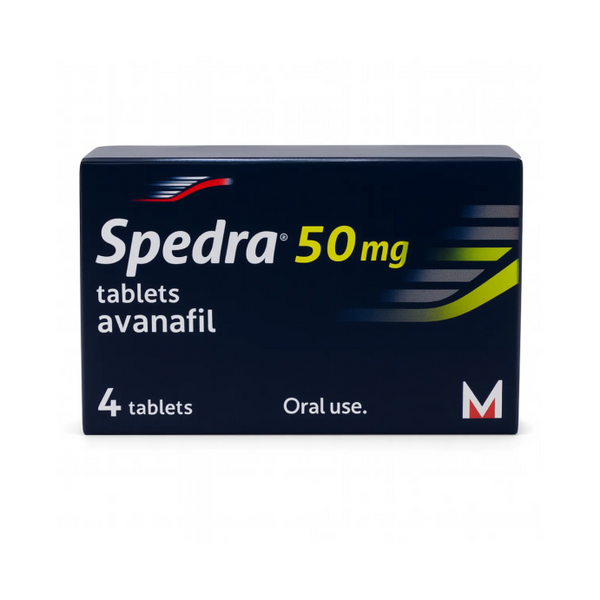
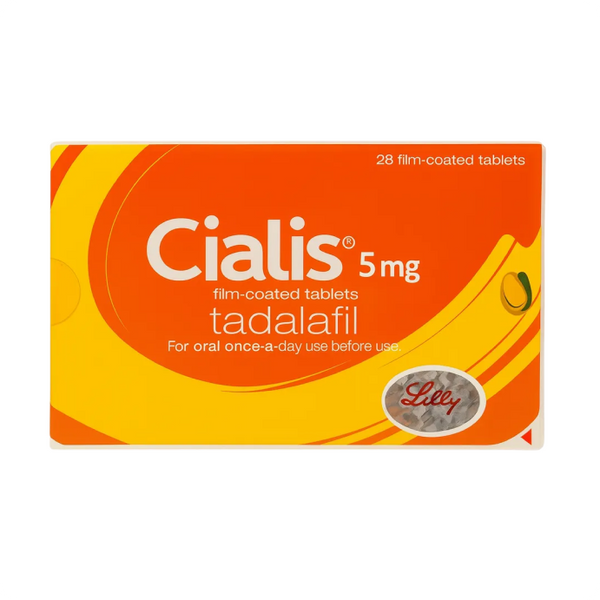
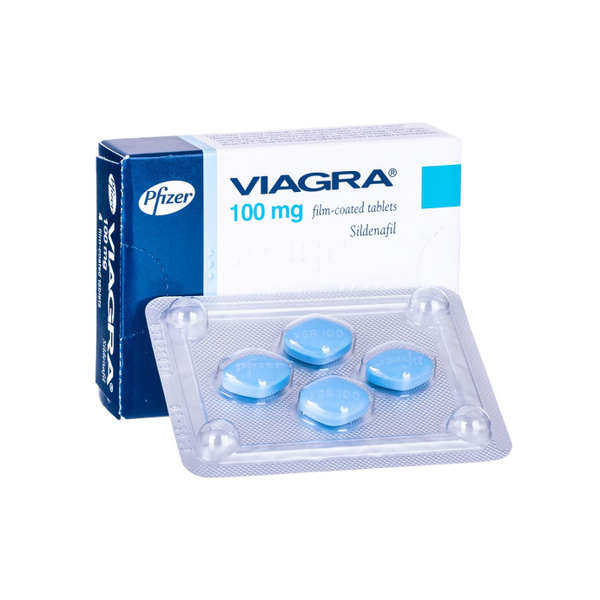
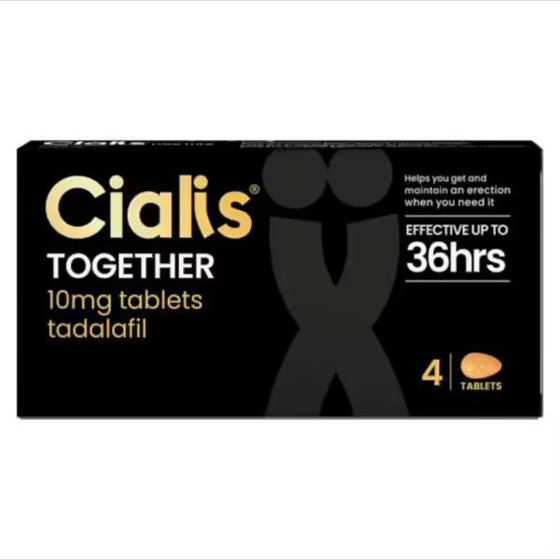
- PDE5 inhibitor tablets, a common prescription medication option for treating erectile dysfunction. Common oral medicines include sildenafil and tadalafil, which can last for different lengths of time depending on the medicine.
- Vacuum erection devices, also called vacuum pumps, which draw blood into the tissue mechanically and are sometimes used where tablets are not suitable.
- Alprostadil, given by injection or as a urethral pellet, which acts directly on the tissue without relying on the same nerve signal.
- Penile implants, a surgical option that can provide a high patient satisfaction rate when other treatments are unsuitable or unsuccessful.
- Pelvic floor exercises, which may help some men with erectile function when appropriately taught and performed.
- Lifestyle changes such as stopping smoking, reducing alcohol intake, improving sleep and increasing physical activity, which support any of the above rather than replacing them.
Reported response rates (NICE evidence summaries)
| Approach | General Role |
|---|---|
| PDE5 inhibitor tablets | First-line medication for many men |
| Vacuum erection devices | Non-drug option that can be useful when medicines are unsuitable or ineffective |
| Intracavernosal alprostadil (injection) | Alternative treatment when oral medicines are unsuitable or ineffective |
| Intraurethral alprostadil (pellet) | Surgical option when other treatments fail or are unsuitable |
Some men stop using their first PDE5 inhibitor because of side effects, lack of benefit, incorrect use or other factors, which is why a proper assessment is preferable to repeated trial and error.
PDE5 inhibitors require sexual stimulation to produce an erection, while other treatments work through different mechanisms. Some can lower blood pressure, so suitability depends on an individual clinical assessment, and your prescriber will determine which option, if any, is appropriate for you.
If you want to understand your options, you can start an online consultation with UK registered prescribers or check your treatment eligibility to get a clinical assessment based on your own health history.
Medical Disclaimer
This article is for general information only and does not replace individual medical advice. It should not be used to diagnose erectile dysfunction yourself or self-treat. If you are experiencing a weak erection, particularly if it is new, persistent or accompanied by other symptoms, speak to a suitably qualified prescriber to diagnose erectile dysfunction and protect your physical health as well as your general health. Any prescription medicine for erectile dysfunction should be used only as directed by an appropriately qualified prescriber, and results vary between individuals.
Frequently Asked Questions
What is the most common cause of a weak erection?
Can a weak erection fix itself?
Is a weak erection the same as erectile dysfunction (ED)?
Can anxiety alone cause a weak erection?
Does age cause weak erections?
Can a weak erection be an early sign of a heart problem?
Why does my erection start well and then go soft?
Can medication cause a weak erection?
What should I do if I have a weak erection and quick ejaculation together?
When should I see a prescriber about a weak erection?
Diet, Food and ED: Does the Keto Diet Help?
Sudden Erectile Dysfunction: Causes & What To Do
Related Posts


Cheap Tadalafil UK: How to Compare Prices Safely