Vardenafil, Tadalafil and Sildenafil: An Honest Comparison
- Online consultation with UK-registered prescribers before any prescription is issued
- GPhC-registered pharmacy dispensing genuine, UK-sourced medication
- A clinical assessment confirms which option is appropriate for you
- Discreet, temperature-controlled delivery
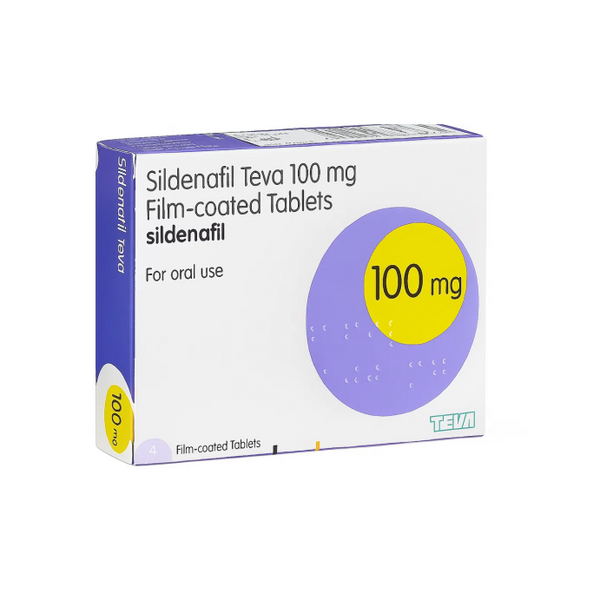
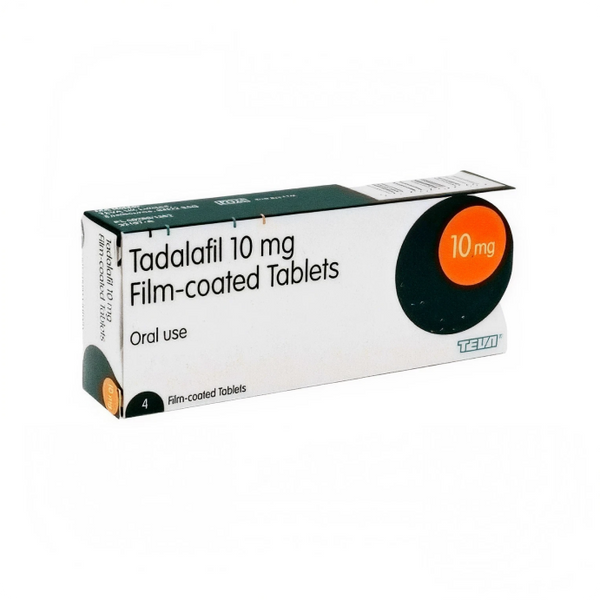
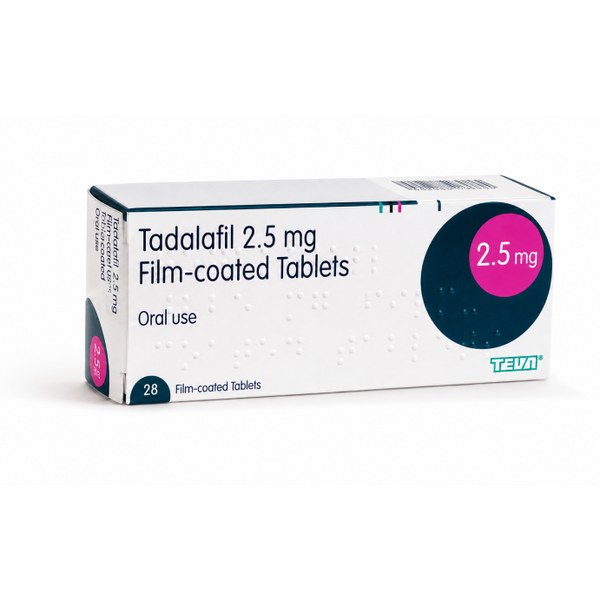
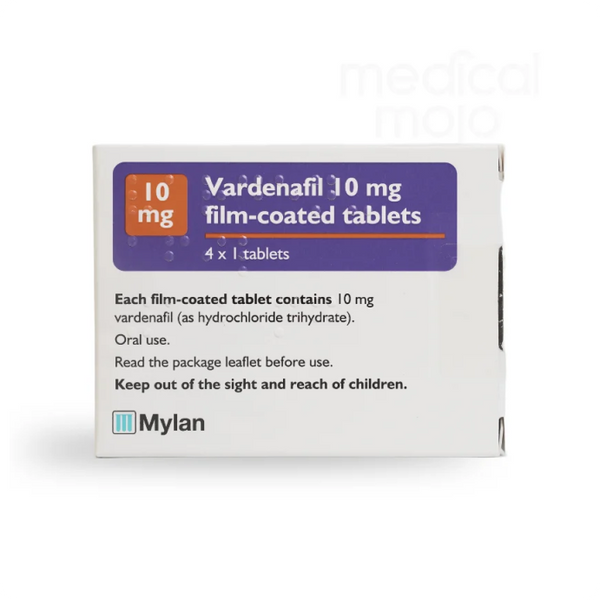
If you searched vardenafil tablets, the short answer is that this article gives you the evidence-based comparison many forum threads do not: vardenafil, tadalafil and sildenafil are all PDE5 inhibitors that work in the same basic way, and the meaningful differences between them include duration, onset, food effects, blood-pressure effects, and certain safety considerations, including the QT-interval consideration associated with vardenafil
Written for adults in the UK who are considering prescription ED treatment and want factual information before speaking to a clinician, this guide sets out the honest, practical comparison people are usually looking for when weighing these three options up, without the marketing language or anecdotal claims that often surround this topic. It also explains why those differences matter in real prescribing: how a medicine fits your health profile, other medicines, and day-to-day use, and how clinical assessment and prescribing work through EveryDayMeds' UK online pharmacy service.
What People Are Actually Looking For When Comparing These Three
Most people comparing vardenafil, tadalafil and sildenafil tablets want practical, honest detail, not sales copy: how long each actually lasts, what genuinely differs in side effects, and whether one is meaningfully "better" for a given situation. That is exactly what this guide sets out to answer directly.
The honest answer is that all three are effective PDE5 inhibitors with a shared core mechanism, and the meaningful differences between them are practical rather than a simple hierarchy. Framing the choice as "which one is best" tends to miss the more useful question, which is "which one's practical profile, duration, food sensitivity, and safety considerations, fits my own circumstances."
Generic informal discussion of these medicines often circulates without reference to verified regulatory information, which can leave real gaps or introduce claims that do not hold up against the actual clinical data. The comparison uses regulatory product information for the key figures and safety points.
Vardenafil, Tadalafil and Sildenafil at a Glance
The table below sets out the genuine, verified differences between the three.
| Feature | Sildenafil | Tadalafil | Vardenafil |
|---|---|---|---|
| Duration | Around 4 hours, tapering after 2 | Up to 36 hours | Around 4 to 5 hours |
| Onset | Roughly 30 minutes to 2 hours | Similar window, though widely used for its longer duration rather than speed | Usually within about 30–60 minutes, although timing can vary |
| Food interaction | High-fat meal delays and reduces absorption | Works independently of food | Milder but still present food effect |
| Blood pressure effect | Can cause a temporary reduction | Can cause a temporary reduction | Can cause a temporary reduction |
| Distinctive safety consideration | Dose-related visual effects | Also affects a related enzyme linked to muscle and back discomfort | Genuine QT-interval prolongation, a heart-rhythm consideration |
No published trial compares all three of these medicines directly against each other for effectiveness, so this table describes verified pharmacological differences, not a ranking of which works best.
Duration and Timing: The Practical Difference That Matters Most
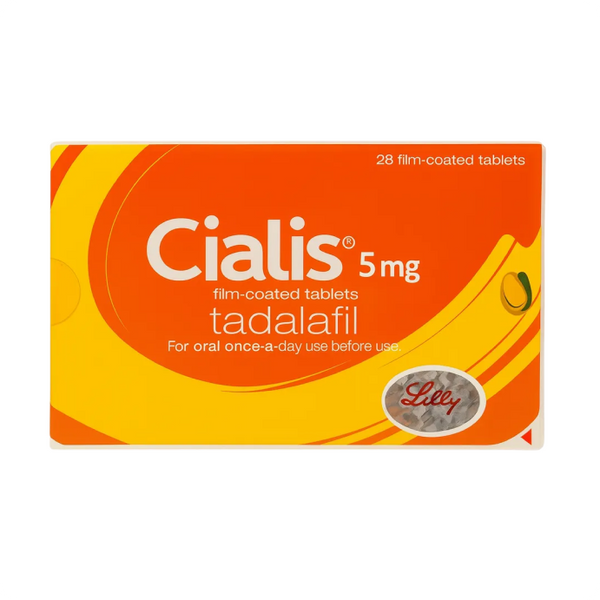
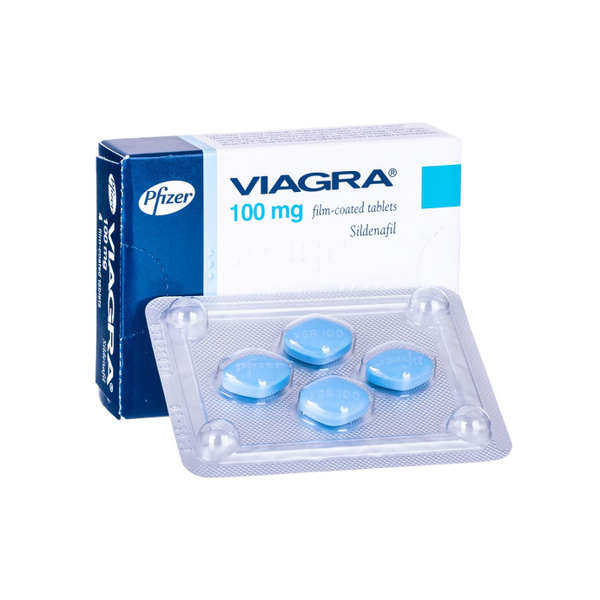
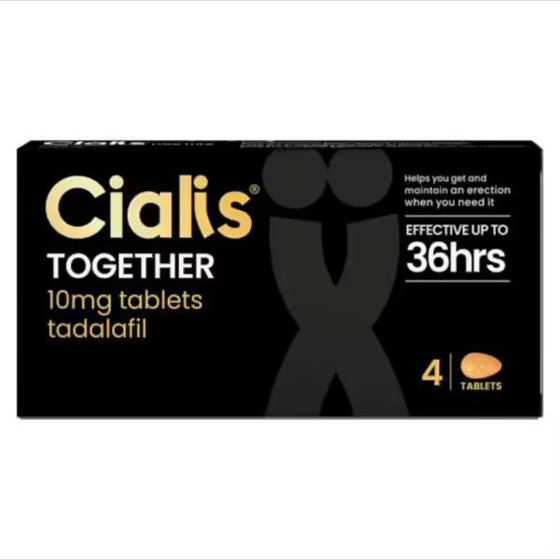
The most significant practical difference between the three is how long each stays active. Sildenafil and vardenafil both last around four to five hours, tapering off well before that window closes. Tadalafil tablets last up to 36 hours, which is the reason it is sometimes described as offering more flexibility around timing, rather than requiring a tablet close to a specific occasion. Those long lasting effects are a key practical reason some people choose this pill.
This difference in duration can be an important practical factor when people are weighing these three options. Someone who values not having to plan closely around a single occasion may find tadalafil's longer window more suited to their circumstances, while someone comfortable with more predictable, shorter-window timing may have no particular reason to prefer it over sildenafil or vardenafil. In vardenafil vs tadalafil comparisons, both tadalafil and vardenafil require a prescription, and the choice can also come down to dosage range and personal preferences, with Tadalafil available in doses of 2.5mg to 20mg and Vardenafil available in doses of 5mg to 20mg.
It is worth being clear that a longer duration does not mean a stronger or more intense effect. Tadalafil's extended window reflects how long it remains active in the body, not a difference in how strongly it works compared to sildenafil or vardenafil at their respective doses. The longer window associated with Cialis does not change the side-effect tradeoff, and back pain is more common in tadalafil users than vardenafil users. Duration and intensity are separate properties, and conflating the two is a common misunderstanding worth avoiding.

Vardenafil's Distinctive Safety Consideration: QT Interval
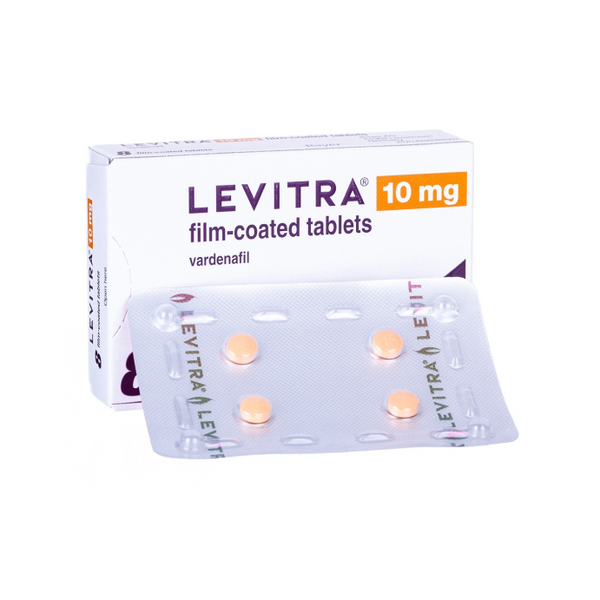
Vardenafil carries a genuine QT-interval consideration that the other two do not share to the same degree. Clinical data shows single doses of vardenafil can prolong the QTc interval by a measurable amount, and this is why it is generally avoided in people with congenital QT prolongation or those taking certain antiarrhythmic medicines, specifically Class IA or Class III agents.
This is a real, clinically established distinction rather than a minor labelling difference, and it is one of the reasons a doctor needs to review your heart history and other medications before this drug is confirmed as appropriate for you. If you have a personal or family history of heart rhythm problems, this is worth mentioning clearly during your assessment, since it may be more directly relevant to vardenafil than to the other two options.
For most people without these specific risk factors, this consideration does not rule vardenafil out. For people without these specific risk factors, the QT-interval consideration does not necessarily mean that vardenafil is unsuitable, but it remains an important part of the prescribing assessment. People using nitrates for chest pain should not combine them with this class of medication. The point of raising it here is not to suggest vardenafil is inherently riskier overall, but to give an honest, specific answer to a real safety difference that a general "they are all basically the same" comparison would miss.
Blood Pressure and Blood Flow Effect Compared
All three PDE5 inhibitors have some effect on blood pressure, since this follows from how they work: they relax smooth muscles and increase blood flow, but the size of that effect genuinely differs between them. All three can produce a temporary reduction in blood pressure. The size of the effect varies between medicines, doses and individuals, so these effects should not be treated as a simple ranking of overall safety.
For many people, these blood-pressure effects are modest, but their significance depends on cardiovascular health, other medicines and individual circumstances. They become more relevant if you have underlying cardiovascular disease, take other medications that lower blood pressure, or drink alcohol in excess, since these factors can compound the effect regardless of which of the three you are taking.
This is another area where the honest comparison is more nuanced than a simple ranking. A smaller blood pressure effect on paper does not automatically make tadalafil the safer overall choice for everyone, since vardenafil's QT consideration and sildenafil's visual-pathway effect are separate factors that matter more for some people than the blood pressure difference does. The full picture, taken together during a proper assessment, is what actually determines which option fits you.
Food and Alcohol: What Actually Differs
Tadalafil is not affected by food in the same way as sildenafil and vardenafil, so it can be taken with or without food. Sildenafil's absorption is meaningfully delayed and reduced by a high-fat meal, and vardenafil has a similar, somewhat milder version of the same effect, since a heavy meal can slow absorption from the stomach and it is also recommended to avoid taking it shortly after one.
Alcohol can contribute to blood-pressure lowering and may also affect erectile function, so excessive alcohol is worth avoiding regardless of which of the three medicines is used.
Grapefruit or grapefruit juice may affect the levels of some PDE5 inhibitors, but the advice can differ between medicines and products. Check the information supplied with the specific medicine.
Does One Work Better Than the Others?
No published trial has directly compared vardenafil, tadalafil and sildenafil against each other for effectiveness, so there is no verified evidence-based answer to which one "works better" in general terms. Claims ranking them this way, wherever they appear, are not backed by head-to-head clinical evidence.
What does vary is individual response. Some people find one option less effective, while others report better firmness and reliability with another treatment than they experienced previously. Individual responses can differ between medicines, but there is no reliable way to predict from general information which medicine will feel more effective or natural for a particular person.
Some people respond more consistently to one than another, and this is often only discovered through trying a treatment under proper clinical supervision, rather than something predictable in advance from general information. This is also why a prescriber may suggest a specific option based on your health profile rather than defaulting to whichever is most commonly discussed.
Common Questions About Switching or Choosing Between Them
If you have tried one of the three without the result you expected, this does not necessarily mean none of them will suit you for erectile dysfunction. Individual responses with ED can genuinely differ between medicines in the same class, and this is a reasonable thing to discuss with your prescriber rather than assuming the entire category is not right for you.
Switching between them is a clinical decision, not something to do independently. Do not combine these PDE5 inhibitors unless specifically instructed by a healthcare professional. There is no established benefit to taking more than one at the same time. Vardenafil and tadalafil are both effective options in ED treatment, but treating ED should be tailored to individual circumstances. If cost, timing flexibility, or a specific safety consideration like the QT-interval point above matters to you, raising this directly during your assessment is the most useful way to find the option that actually fits your circumstances.
It is also worth asking your prescriber directly if you are unsure which factors matter most for your own situation. A clinical assessment is a two-way conversation, and being specific about what you are hoping for from an ED medication, including your personal preferences around longer duration, less concern about food timing, or a particular safety consideration, helps your prescriber give you a more useful, tailored answer than general information alone can provide.
Getting Any of These Through EveryDayMeds
Vardenafil, tadalafil and sildenafil are all available through an online consultation with UK-registered prescribers. Your clinical assessment covers your medical history, other medications, and any relevant heart health considerations, which allows a prescriber to confirm which option is appropriate for you and review dosage suitability. Medication is dispensed by a GPhC-registered pharmacy and sent out with discreet, temperature-controlled delivery.
Treatment suitability depends on an individual clinical assessment, and results vary between individuals. This medicine should only be used under the supervision of an appropriately qualified doctor. The comparison in this guide is a starting point for that conversation, not a substitute for it, since your own health details are what turn general information into a genuinely useful recommendation.
Frequently Asked Questions
Is vardenafil better than tadalafil or sildenafil?
What is the real difference between vardenafil and tadalafil?
How does vardenafil compare to sildenafil?
Which of the three should I choose?
Does vardenafil have more side effects than sildenafil or tadalafil?
What is the QT-interval consideration with vardenafil about?
Can I switch from sildenafil to vardenafil, or vice versa?
Why does tadalafil last so much longer than vardenafil or sildenafil?
Is it true that food does not affect tadalafil the way it affects the other two?
Are honest comparisons of these three medicines hard to find?
Does blood pressure effect differ much between the three?
Is there a "best" PDE5 inhibitor overall?
Sildenafil and Blood Pressure: UK Safety Guide
Vardenafil Reviews: What to Trust and What to Avoid
Related Posts


Viagra Pharmacy UK: How Sildenafil Supply Works

Do You Need a Prescription for Viagra in the UK?

Can You Buy Viagra Over the Counter in the UK?


Viagra Price UK: Understanding Sildenafil Costs