Vardenafil Medication Guide: Uses, Interactions & Dosage
Vardenafil is a prescription medicine used to treat erectile dysfunction (ED) in adult men. It belongs to a group of medicines called phosphodiesterase type 5 inhibitors, or PDE5 inhibitors, and vardenafil is the active ingredient in the well-known brand Levitra. UK-authorised medicine information classifies vardenafil under the pharmacotherapeutic group “urologicals, drugs used in erectile dysfunction” with the ATC code G04BE09.
Vardenafil works by supporting the natural blood-flow response involved in an erection. It inhibits the PDE5 enzyme, allowing chemical signalling involving cyclic guanosine monophosphate, or cGMP, to remain active for longer. Appropriate stimulation is still required, vardenafil does not automatically cause an erection simply because a tablet has been taken.
For adult men in the UK considering vardenafil as a prescription treatment option, the details matter: the standard adult dose is 10mg taken when required approximately 25 to 60 minutes beforehand, with prescribers adjusting to 5mg or up to a maximum of 20mg based on effectiveness and tolerability. Vardenafil should normally be taken no more than once per day.
Drug interactions are particularly important with vardenafil. It must not be combined with nitrate medicines or nitric oxide donors, and important interactions can occur with medicines that strongly inhibit CYP3A4, alpha-blockers, riociguat and certain medicines that affect the heart's QT interval.
This guide explains the vardenafil drug class, drug classification, uses, mechanism, dosing, interactions, side effects and drug-test considerations in a practical UK-focused format, including key contraindications, safe-use points and what to expect from UK prescribing.
What Is Vardenafil Medication?
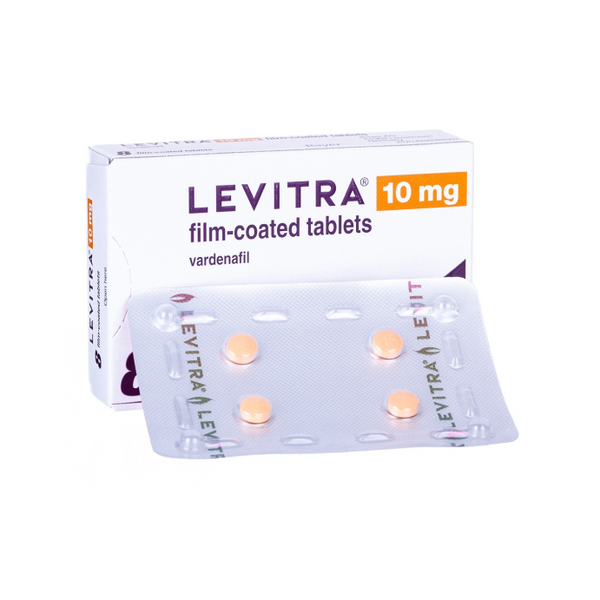
Vardenafil is an oral prescription medicine for erectile dysfunction and is the active ingredient in Levitra.
Erectile dysfunction involves persistent or recurring difficulty achieving or maintaining an erection adequate for the intended activity. Vardenafil can improve erectile function by increasing the effectiveness of the normal blood-flow mechanism involved in an erection.
Vardenafil is not a hormone, stimulant, antidepressant or testosterone medicine.
Its pharmacological action is based on selective inhibition of phosphodiesterase type 5.
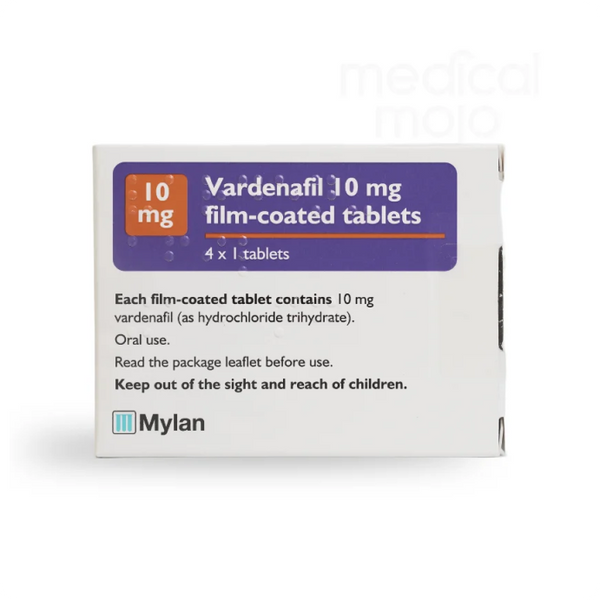
In the UK, vardenafil tablets are supplied as a prescription-only medicine in tablet strengths that commonly include:
- 5mg
- 10mg
- 20mg
Follow the directions on the prescription label, as dosing and use instructions can vary by formulation. Some orally disintegrating versions are handled from a blister pack rather than swallowed like standard tablets.
The appropriate dose depends on response, tolerability, other medicines and relevant medical conditions.
What Is the Vardenafil Drug Class and Drug Interactions?
The vardenafil drug class is phosphodiesterase type 5 inhibitor, normally abbreviated to PDE5 inhibitor.Other terminology used in professional drug classification includes:
- Pharmacotherapeutic group: Urologicals, drugs used in erectile dysfunction.
- ATC classification: G04BE09.
- Mechanistic class: Selective phosphodiesterase type 5 inhibitor.
The classification describes how vardenafil works rather than simply what condition it treats.
What Is the Vardenafil Drug Classification?
Vardenafil can be classified in several ways depending on the type of information being requested.
- Therapeutic classification: Erectile dysfunction medicine.
- Pharmacological classification: PDE5 inhibitor.
- ATC classification: G04BE09.
- UK legal supply classification: Prescription medicine.
This is why someone searching “vardenafil drug classification” may encounter several descriptions that are all technically correct.
The most clinically useful answer is:
Vardenafil is an oral PDE5 inhibitor used for erectile dysfunction.
Vardenafil Drug Card: Quick Reference and Side Effects
For anyone searching for a vardenafil drug card, the key clinical information is:
- Generic name: Vardenafil
- Drug class: PDE5 inhibitor
- Therapeutic use: Erectile dysfunction in adult men
- ATC code: G04BE09
- Common tablet strengths: 5mg, 10mg and 20mg
- Usual starting dose: 10mg
- Timing: Approximately 25–60 minutes beforehand, commonly around 1 hour before sexual activity, it remains effective in the body for about 4 to 5 hours
- Maximum standard dose: 20mg
- Maximum standard frequency: Not more than once every 24 hours
- Food: Can be taken with or without food, a high-fat meal may delay onset
- Requires stimulation: Yes
- Major contraindication: Nitrate medicines or nitric oxide donors
- Important interactions: CYP3A4 inhibitors, riociguat, alpha-blockers and selected QT-prolonging medicines
- Very common side effect: Headache
- Other common effects: Dizziness, flushing, nasal congestion and indigestion
- Metabolism: Predominantly CYP3A4, with contributions from CYP3A5 and CYP2C pathways.
What Is Vardenafil Used For in Erectile Dysfunction?
Vardenafil is authorised for treating erectile dysfunction in adult men.
It can help when someone:
- Has difficulty getting an erection
- Can achieve one but repeatedly loses firmness
- Experiences erections that are less reliable
- Cannot maintain adequate firmness
The medicine treats the erectile response rather than automatically curing the underlying reason ED developed.Persistent ED can have cardiovascular, metabolic, neurological, hormonal, medicine-related or psychological contributors that may need separate assessment.
How Does Vardenafil Work to Improve Blood Flow?
Vardenafil works by inhibiting PDE5.During the normal erectile response, nitric oxide signalling increases concentrations of cGMP in erectile tissue.cGMP helps smooth muscle relaxation.That relaxation supports increasing blood flow and improves flow to the penis.PDE5 normally breaks down cGMP.By blocking PDE5, vardenafil slows this breakdown and supports the blood-flow response.The medicine therefore enhances an existing physiological process.It does not independently initiate the entire erection response. It does not prevent or treat sexually transmitted diseases.
Does Vardenafil Work Without Stimulation?
No.UK-authorised medicine information specifically states that stimulation is required for vardenafil to be effective.This is important because someone may mistakenly assume the medicine has failed if an erection does not appear automatically after taking a tablet. Before taking vardenafil, follow the advice in your consultation and patient information, including when to take it in relation to sexual activity.The medicine improves the blood-flow pathway after the appropriate physiological signals have been triggered, increasing blood flow and supporting better flow to the penis.

What Is the Recommended Vardenafil Dose?
The normal recommended dose for adult men is 10mg taken when needed approximately 25 to 60 minutes beforehand.For a first dose or when starting vardenafil, your prescriber may advise a lower dose depending on your health and any other medicines you take.Depending on response and side effects, the dose can be reduced to 5mg or increased to a maximum of 20mg.The maximum normal dosing frequency is once per day.A higher dose should not be chosen simply because it contains more medicine.The appropriate dose balances adequate response with acceptable tolerability.
What Is Vardenafil 5mg?
Vardenafil 5mg is the lower standard tablet strength.
A 5mg dose can be appropriate when:
- The usual first dose is 10mg, typically taken 1 hour before sexual activity, but a lower starting dose is required.
- The usual 10mg dose is not well tolerated.
- Certain medications or other medications need review before treatment.
- Certain health conditions or broader health conditions mean extra caution is needed.
- Liver or kidney function requires additional caution.
- An alpha-blocker interaction needs consideration.
- Use is limited to not more than once every 24 hours.
For example, patients who are stable on alpha-blocker therapy should generally begin vardenafil at the lowest recommended 5mg starting dose, and a lower dose may be used when clinically appropriate.
What Is Vardenafil 10mg?
Vardenafil 10mg is the usual adult starting dose.It is generally taken approximately 25 to 60 minutes beforehand.If 10mg provides an adequate response without troublesome adverse effects, there may be no reason to increase the dose.
What Is Vardenafil 20mg?
Vardenafil 20mg is the maximum standard tablet dose.It may be considered when the 10mg dose has been used correctly, the response remains inadequate and a higher dose is medically suitable.The standard maximum dose remains 20 mg once per day.Taking more than 20mg does not guarantee improved erectile function and can increase medicine exposure and adverse effects.
How Long Does Vardenafil Take to Work?
The medicine is normally taken 25 to 60 minutes before anticipated activity.Some people may begin to respond in as little as 10 minutes, although the usual advice remains to take it earlier.The exact onset can differ between people.
Factors that may affect the experience include:
- Dose
- Food
- Underlying ED severity
- Individual absorption
- Interacting medicines
- Stimulation
A high-fat meal can delay the onset of vardenafil film-coated tablets.
Can Vardenafil Be Taken With Food?
Yes.Vardenafil can be taken with or without food.However, taking it with a high-fat meal can delay its onset.This means a slower-than-expected response after a heavy meal does not necessarily indicate that the medicine is ineffective.
What Are Vardenafil Drug Interactions?
Understanding vardenafil drug interactions is essential because some combinations can cause significant adverse effects.Vardenafil is metabolised primarily by the liver enzyme CYP3A4, with contributions from CYP3A5 and CYP2C pathways. Medicines that inhibit these enzymes can increase vardenafil concentrations in the body.
The most important interaction groups include:
- Nitrates and nitric oxide donors
- Riociguat
- Potent CYP3A4 inhibitors
- Moderate CYP3A4 inhibitors
- Alpha-blockers
- Certain QT-prolonging medicines
- Grapefruit or grapefruit juice
Each requires different management.
Can Vardenafil Be Taken With Nitrates?
No.Combining vardenafil with nitrate medicines or nitric oxide donors is contraindicated.Nitrates may be used for conditions such as angina.Both nitrates and vardenafil can influence blood pressure. Using them together can produce excessive blood-pressure lowering.This interaction can potentially be serious.Anyone taking a nitrate medicine should make that clear during an ED consultation.
Does Vardenafil Interact With Nicorandil?
Yes, this is an important consideration.Nicorandil acts partly as a nitrate-related medicine. UK vardenafil product information warns that because of its nitrate component, nicorandil has the potential for a serious interaction with vardenafil.A full cardiovascular medicine list should therefore be reviewed before vardenafil is prescribed.
Can Vardenafil Be Taken With Riociguat?
No.Combining a PDE5 inhibitor such as vardenafil with the guanylate cyclase stimulator riociguat is contraindicated because the combination may cause symptomatic hypotension.This interaction applies even though the two medicines work through different mechanisms.
How Do CYP3A4 Inhibitors Interact With Vardenafil?
This is one of vardenafil's most important pharmacokinetic interactions.Because vardenafil is mainly metabolised through CYP3A4, medicines that strongly inhibit this enzyme can substantially increase vardenafil exposure.
Can Vardenafil Be Taken With Ritonavir?
No.Concomitant vardenafil and ritonavir use is contraindicated.Ritonavir strongly inhibits the enzymes responsible for clearing vardenafil and can cause a very large increase in medicine exposure.The interaction also markedly prolongs vardenafil's half-life.
Can Vardenafil Be Taken With Indinavir?
No.Indinavir is another strong CYP3A4 inhibitor and its combination with vardenafil is contraindicated.In interaction testing, indinavir increased overall vardenafil exposure approximately 16-fold and peak concentration approximately seven-fold.
Does Ketoconazole Interact With Vardenafil?
Yes.Oral ketoconazole is a potent CYP3A4 inhibitor.In an interaction study, ketoconazole 200mg increased overall vardenafil exposure around 10-fold and peak concentration approximately four-fold.Potent CYP3A4 inhibitors therefore require avoidance or specific contraindication depending on the patient's circumstances.
Does Itraconazole Interact With Vardenafil?
Yes.Itraconazole is another potent CYP3A4 inhibitor expected to produce substantially increased vardenafil concentrations.UK product information advises avoiding combination with potent CYP3A4 inhibitors such as itraconazole and ketoconazole, with additional formal contraindications applying in some older patients.
Does Clarithromycin Interact With Vardenafil?
Yes.Clarithromycin inhibits CYP3A4 and can increase vardenafil exposure.Current authorised guidance states that when vardenafil is used with CYP3A4 inhibitors such as clarithromycin or erythromycin, the vardenafil dose should not exceed 5mg.A person prescribed an antibiotic should therefore tell the prescriber or pharmacist that they also use vardenafil.
Does Erythromycin Interact With Vardenafil?
Yes.Erythromycin has been shown to increase overall vardenafil exposure approximately four-fold and peak vardenafil concentration approximately three-fold.Dose restriction is therefore required.
Can Vardenafil Be Taken With Alpha-Blockers?
Additional caution is needed.Both vardenafil and alpha-blockers can lower blood pressure.Combining them may therefore produce symptomatic hypotension, including postural dizziness or fainting.Current UK guidance recommends beginning vardenafil at the lowest 5mg dose in patients who are stable on alpha-blocker treatment.Timing separation may also be considered with certain alpha-blockers.
Can Vardenafil Be Taken With Tamsulosin?
Vardenafil may be used in appropriately selected patients who are stable on tamsulosin, but treatment should be clinically assessed.UK interaction data found no symptomatic reduction in blood pressure in one study when vardenafil was used against stable tamsulosin therapy, although transient low standing blood pressures occurred in some participants.The lower 5mg vardenafil starting dose is generally recommended when beginning treatment in someone already stabilised on an alpha-blocker.
Does Vardenafil Interact With Heart-Rhythm Medicines?
Potentially.Vardenafil has been shown to produce a modest prolongation of the QTc interval.UK product information advises avoiding medicines that prolong QTc in people with relevant risk factors and specifically identifies:Class IA antiarrhythmics, such as quinidine and procainamide.Class III antiarrhythmics, such as amiodarone and sotalol.People with congenital long-QT syndrome or other significant rhythm risks require particular caution.
Does Grapefruit Interact With Vardenafil?
Yes.Grapefruit and grapefruit juice can inhibit intestinal CYP3A4 activity and are expected to increase vardenafil blood concentrations.UK-authorised information recommends avoiding the combination.This is not simply a theoretical food preference, it relates to the metabolic pathway responsible for clearing vardenafil.
Can Vardenafil Be Combined With Another ED Medicine?
Routine combination is not recommended.UK product information states that the safety and effectiveness of combining vardenafil with other ED treatments have not been established.Do not independently combine different PDE5 inhibitors because one treatment appears inadequate.Persistent poor response should lead to a treatment review.
Does Vardenafil Interact With Warfarin?
A specific interaction study found no significant interaction between vardenafil 20mg and warfarin 25mg.However, this should not be interpreted as meaning everyone taking anticoagulants can automatically use vardenafil.Vardenafil product information notes limited safety information in people with bleeding disorders or active peptic ulcers, so individual benefit-risk assessment remains appropriate.
Does Vardenafil Interact With Digoxin?
Specific interaction studies did not demonstrate a significant pharmacokinetic interaction between vardenafil 20mg and digoxin.The person's full cardiovascular condition and medicine list must still be considered.
Does Vardenafil Interact With Blood Pressure Medicines?
Vardenafil can have additional blood-pressure-lowering effects when combined with some antihypertensive medicines.For example, a study involving slow-release nifedipine found an additional average reduction of approximately 6mmHg systolic and5mmHg diastolic blood pressure when combined with vardenafil 20mg.This does not mean all blood-pressure medicines are prohibited.It means cardiovascular treatment should be reviewed as part of determining whether vardenafil is suitable.
Does Alcohol Interact With Vardenafil?
In a specific interaction study, vardenafil 20mg did not significantly increase alcohol's effects on blood pressure or heart rate, and alcohol did not alter vardenafil pharmacokinetics under the study conditions.That does not make heavy drinking advisable.Excessive alcohol can itself interfere with erectile performance and can contribute to dizziness or impaired judgement.
Who Should Not Take Vardenafil?
Vardenafil is contraindicated or unsuitable in several circumstances.
These include certain people with:
- Nitrate or nitric oxide donor treatment
- Riociguat treatment
- Severe liver impairment
- End-stage kidney disease requiring dialysis
- Blood pressure below 90/50mmHg
- Recent stroke or heart attack within six months
- Unstable angina
- Certain hereditary retinal diseases
- Previous non-arteritic anterior ischaemic optic neuropathy
- Specific potent CYP3A4-inhibitor combinations
A consultation should consider the complete medical history rather than focusing solely on erectile symptoms.
What Are the Common Vardenafil Side Effects?
The most frequently reported adverse effect is headache, which is classified as very common and occurred in at least 1 in 10 patients in clinical-trial data.
Other common effects include:
- Dizziness
- Flushing
- Nasal congestion
- Indigestion
These effects were generally described as transient and mild to moderate in clinical studies.
Can Vardenafil Affect Vision?
Visual disturbances are listed among the uncommon adverse effects of vardenafil.
Reported effects include:
- Visual disturbance
- Colour distortion
- Eye discomfort
- Light sensitivity
Rare or post-marketing serious visual events have also been reported.Sudden significant loss of vision requires urgent medical assessment.
Can Vardenafil Affect Hearing?
Tinnitus and vertigo are listed as uncommon effects, while sudden deafness has been reported with an unknown frequency.Sudden hearing reduction or hearing loss after taking a PDE5 inhibitor warrants prompt medical attention.
Can Vardenafil Cause a Prolonged Erection?
Priapism is a rare but important adverse effect.An erection lasting four hours or longer requires urgent medical treatment because prolonged erections can damage penile tissue.Vardenafil should also be used cautiously in men with medical conditions or anatomical abnormalities that increase the risk of priapism.
Can Vardenafil Cause Dizziness?
Yes.Dizziness is classified as a common adverse effect.Because dizziness and abnormal vision have occurred during vardenafil treatment, authorised guidance advises users to understand how the medicine affects them before driving or operating machinery.
Does Vardenafil Show Up on a Standard Workplace Drug Test?
Vardenafil is not normally one of the substances targeted by a routine UK drugs-of-abuse screen.
For example, an NHS laboratory's routine urine drugs-of-abuse profile tests for groups including:
- Opiates
- Amphetamines
- Methadone
- Cocaine
- Cannabis
- Benzodiazepines
Vardenafil is not included in that routine profile.
UK police substance-misuse testing similarly focuses on controlled-drug groups such as amphetamines, cannabis, cocaine, opiates and benzodiazepines.
Therefore, a routine workplace or drugs-of-abuse panel would not ordinarily be designed specifically to identify vardenafil.
The exact test panel used by an employer or laboratory can vary, so you should disclose legitimate prescription medicines when asked.
Can a Laboratory Detect Vardenafil in Urine?
Yes.
Vardenafil can be specifically identified in urine when a laboratory deliberately tests for it using suitable analytical methods.
Published research has demonstrated detection of vardenafil and related PDE5 inhibitors in human urine using techniques including:
- LC-MS/MS
- LC-ESI-MS
- GC-MS
This is very different from an ordinary multi-panel workplace screen.In other words routine drugs-of-abuse screen generally does not specifically test for vardenafil.Specialist toxicology test designed for vardenafil can detect it.
Can Vardenafil Cause a False Positive Drug Test?
There is no well-established evidence from UK-authorised medicine information that vardenafil routinely causes a false positive for the major drug groups included in standard workplace screening.
Screening tests can occasionally be affected by medicines, however, and NHS laboratory guidance recommends informing testing staff about prescribed and non-prescribed medicines being taken.
If an initial screening result is disputed, more specific confirmatory laboratory methods may be used.
What Does “Vardenafil Drug Bank” Usually Mean?
Someone searching “vardenafil drug bank” is generally looking for a structured pharmaceutical database-style summary of the medicine.
The key database fields are:
- Drug: Vardenafil
- Class: PDE5 inhibitor
- ATC: G04BE09
- Primary indication: Erectile dysfunction
- Route: Oral
- Usual dose: 10mg as required
- Dose range: 5–20mg
- Metabolism: Mainly CYP3A4
- Important contraindications: Nitrates and riociguat
- Important food interaction: Grapefruit, high-fat meals may delay onset
- Major adverse effect: Headache
- Legal supply: Prescription medicine in the UK.
How Is Vardenafil Metabolised?
Vardenafil is metabolised predominantly in the liver through CYP3A4.There is also some contribution from CYP3A5 and CYP2C isoenzymes.This metabolic pathway explains many of the medicine's interactions.Strong CYP3A4 inhibitors slow vardenafil metabolism, which can lead to much higher concentrations and greater adverse-effect risk.
Why Does CYP3A4 Matter for Vardenafil?
CYP3A4 acts as one of the body's major medicine-metabolising enzymes.If another medicine strongly blocks CYP3A4, vardenafil cannot be cleared at its normal rate.This can dramatically increase exposure.The interaction with ritonavir provides an extreme example, producing a roughly 49-fold increase in overall vardenafil exposure in one study.This is why providing a complete medication list during an online consultation is medically important.
Is Vardenafil a Controlled Drug?
Vardenafil is supplied in the UK as a prescription medicine for erectile dysfunction.It should therefore be obtained through an appropriate prescribing and pharmacy process rather than from unregulated medicine sellers.Its prescription status should not be confused with routine workplace testing for controlled drugs of misuse, which generally targets completely different drug groups.
Is Vardenafil a Stimulant?
No.Vardenafil is not a stimulant.It is a PDE5 inhibitor that works mainly on the chemical pathway regulating blood-vessel relaxation within erectile tissue.It does not work by stimulating the central nervous system.
Is Vardenafil a Blood Thinner?
No.Vardenafil is not classified as an anticoagulant or blood-thinning medicine.Studies found no significant effect on bleeding time when vardenafil was taken alone or alongside aspirin, although authorised guidance notes limited safety information in patients with bleeding disorders or active peptic ulcers.
Is Vardenafil a Blood Pressure Medicine?
No.Vardenafil is not prescribed as a standard treatment for high blood pressure.However, because it relaxes blood vessels, it can influence blood pressure and interact with medicines that also lower blood pressure.That is why combinations with nitrates, riociguat and some alpha-blockers require particular attention.
How Should Vardenafil Be Taken Safely?
General authorised dosing principles include:
- Take the prescribed dose approximately 25–60 minutes beforehand
- Do not normally use more than once per day
- Avoid grapefruit or grapefruit juice
- Be aware that a high-fat meal may delay onset
- Do not combine it with nitrate medicines
- Disclose all current medicines
- Do not combine different ED treatments independently
The exact instructions can differ when another medical condition or interacting medicine is present.
What If Vardenafil Does Not Work?
Do not simply increase the dose beyond the authorised maximum.
First consider whether:
- The correct dose was taken
- Enough time was allowed
- A high-fat meal delayed onset
- Appropriate stimulation occurred
- Another medicine is interfering
- The underlying ED requires further assessment
The standard dose can be adjusted between 5mg and a maximum of 20mg based on effectiveness and tolerability.
Persistent non-response should lead to a clinical review rather than combining medicines or taking extra tablets.
Vardenafil Drug: The Key Takeaway
Vardenafil is a prescription PDE5-inhibitor medicine used for erectile dysfunction in adult men. Its professional pharmacotherapeutic classification is a urological medicine used for ED, with ATC code G04BE09.
The standard adult starting dose is 10mg taken approximately 25 to 60 minutes beforehand, with adjustment to 5mg or a maximum of 20mg based on effectiveness and tolerability. The standard maximum frequency is once per day.
Vardenafil's drug interactions are particularly important because the medicine is metabolised mainly through CYP3A4. Strong inhibitors can produce very large increases in vardenafil concentrations. Ritonavir, for example, produced roughly a 49-fold increase in overall exposure during interaction testing.
Vardenafil must not be combined with nitrates or nitric oxide donors, and it is also contraindicated with riociguat. Alpha-blockers, CYP3A4 inhibitors, grapefruit and medicines affecting the QT interval require additional consideration.
The most common adverse effect is headache, while dizziness, flushing, nasal congestion and indigestion are also common.
For the vardenafil drug test query, standard UK drugs-of-abuse screens do not normally target vardenafil. Routine NHS urine panels commonly focus on drug groups such as opiates, amphetamines, cocaine, cannabis and benzodiazepines. Vardenafil can nevertheless be detected if a specialist laboratory deliberately tests for it using mass-spectrometry methods.
For anyone researching vardenafil drug class, vardenafil medication, vardenafil medicine, vardenafil drug classification, vardenafil drug interactions or a vardenafil drug card, the central point is that vardenafil is a well-defined PDE5 inhibitor with established dosing, metabolism and interaction rules. Safe use depends not only on choosing the correct dose but also on reviewing cardiovascular health and all other medicines before treatment.
Frequently Asked Questions
What type of drug is vardenafil?
What is the vardenafil drug class?
What is vardenafil medication used for?
What is the normal vardenafil dose?
How often can vardenafil be taken?
What are the most important vardenafil drug interactions?
Can vardenafil be taken with nitrate medicines?
Does clarithromycin interact with vardenafil?
Can vardenafil be taken with alpha-blockers?
Can you drink grapefruit juice with vardenafil?
Does vardenafil show up on a drug test?
Can vardenafil be detected in urine?
Can vardenafil cause a false positive drug test?
What are the common side effects of vardenafil?
Can vardenafil cause a prolonged erection?
Is vardenafil a stimulant?
Is vardenafil a blood thinner?
Vardenafil 20mg Guide: Uses, Dosages & Comparisons
Buy Vardenafil UK: Where to Order Vardenafil Safely
Related Posts


Viagra Pharmacy UK: How Sildenafil Supply Works

Do You Need a Prescription for Viagra in the UK?

Can You Buy Viagra Over the Counter in the UK?


Viagra Price UK: Understanding Sildenafil Costs