Tadalafil Dosage UK: Standard Strengths and How Dose Selection Actually Works
- Every licensed tadalafil strength explained clearly, in one place
- A genuine look at how a prescriber decides which dose and pattern suits you
- Online consultation with UK-registered prescribers to find the right starting point
- Ongoing clinical support if treatment continues
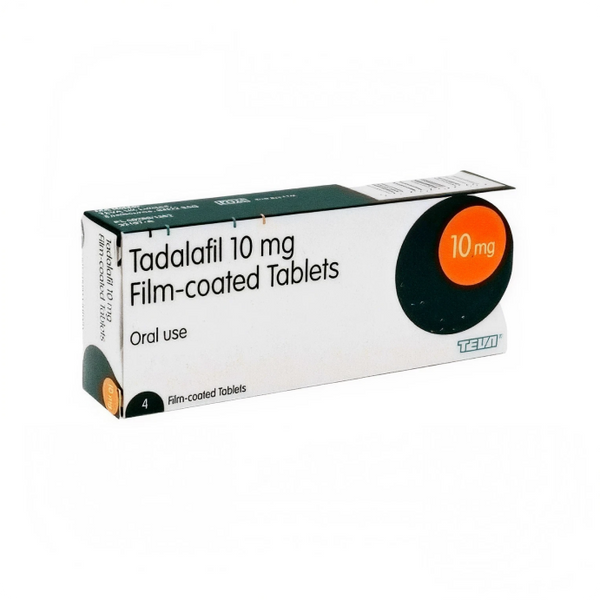
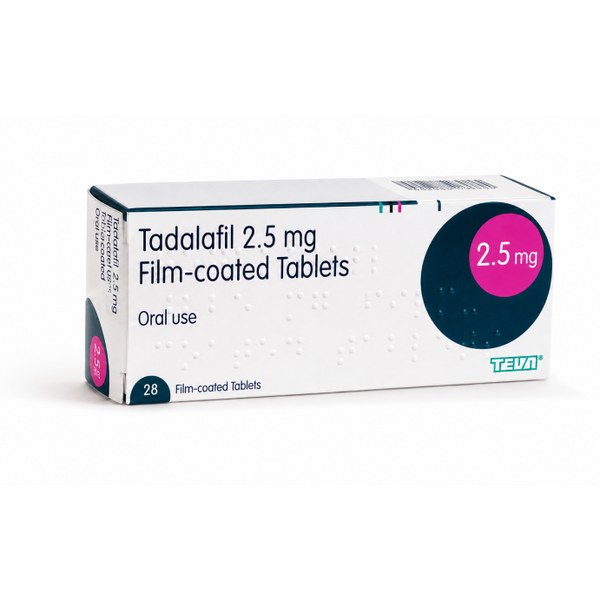
For erectile dysfunction, UK-authorised tadalafil tablets are available in 2.5mg, 5mg, 10mg and 20mg strengths. In the UK, tadalafil is used to treat erectile dysfunction and enlarged prostate symptoms, and it can be prescribed either as a daily regimen or for on-demand use: 2.5mg and 5mg are the daily options, while 10mg and 20mg are taken on demand.
For most adults in the UK looking for clear, accurate guidance, the usual on-demand starting dose is 10mg and the usual daily starting dose is 5mg, but the right dose and dosing pattern are chosen through an individual clinical assessment by a prescriber, not by picking a number yourself.
That distinction matters more than memorising the strengths in isolation. Safe and effective treatment depends on how a prescriber weighs your symptoms, medical history, response, and suitability for daily versus on-demand treatment. The sections below explain the licensed strengths in the UK, how daily and on-demand dosing differ, how dose decisions are made in practice, common misconceptions, and how to start treatment safely through an online consultation.
What Are the Standard Tadalafil Strengths in the UK?
| Strength | Dosing pattern for ED | Role |
|---|---|---|
| 2.5mg | Daily | Lower daily dose, depending on tolerability |
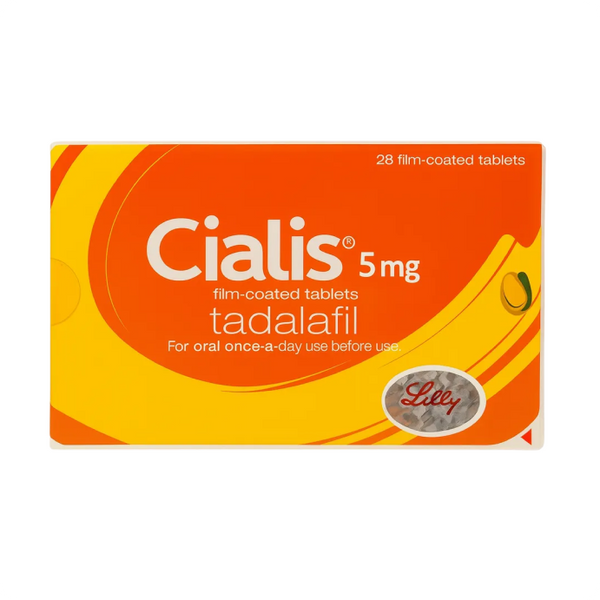
| 5mg | Daily | Usual daily dose |
| 10mg | On demand | Usual starting dose |
| 20mg | On demand | Considered when 10mg is inadequate |
For erectile dysfunction, these are the UK-authorised tadalafil strengths used in the standard dosing regimens. There is no 30mg or 40mg licensed tadalafil strength for routine ED treatment. If you see a higher strength advertised online, do not assume it is an authorised UK ED product.
On-Demand vs Daily: Two Different Dosing Systems, Not Just Different Numbers
On-Demand Dosing: 10mg and 20mg
On-demand tadalafil is taken before anticipated sexual activity rather than at a fixed time every day.
The usual starting dose is 10mg. If 10mg does not produce an adequate effect, a prescriber may consider 20mg. It can be taken at least 30 minutes before sexual activity, and the maximum dosing frequency is once per day.
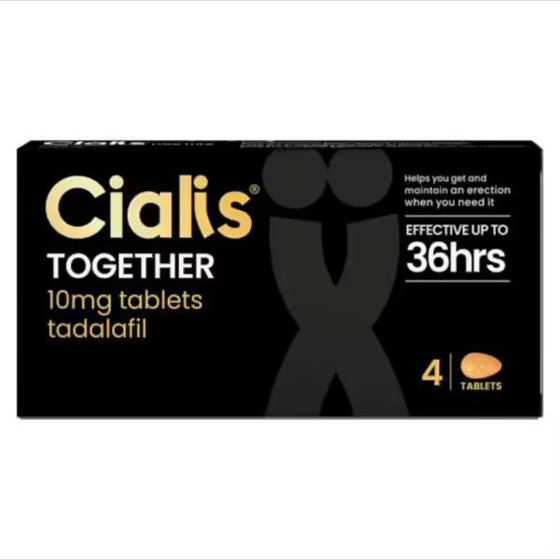
Tadalafil can support erectile function for up to 36 hours after a dose, although this does not mean that an erection lasts for 36 hours. Sexual stimulation is still required for the medicine to work. Clinical studies have shown improved erectile function and successful intercourse compared with placebo.
The longer window can make on-demand tadalafil convenient for some men because sexual activity does not have to be planned around a much shorter time window.
Daily Dosing: 2.5mg and 5mg
Daily tadalafil is taken at approximately the same time each day, regardless of when sexual activity is expected.
For erectile dysfunction, the recommended daily dose is 5mg. Depending on individual tolerability, a prescriber may reduce this to 2.5mg.
Tadalafil 5mg once daily is also the recommended dose for treating the symptoms of benign prostatic hyperplasia. The 2.5mg daily dose should not be presented as an equivalent BPH treatment, because its efficacy for BPH has not been established.
For some men with frequent sexual activity, daily treatment removes the need to plan each dose around sexual activity. The trade-off is taking the medicine every day rather than only when needed.
Why These Are Not Interchangeable Numbers on One Scale
It is tempting to look at 2.5mg, 5mg, 10mg, and 20mg as one continuous ladder, but they actually represent two separate systems with different purposes. Comparing 5mg daily against 10mg on-demand as though one is simply "half as strong" misunderstands why they exist at different strengths in the first place, a low daily dose maintaining a steady background level is not doing the same job as a higher single dose timed around one occasion. Thinking in terms of "which system" rather than "which number" is the more useful mental model here, and it is one that most quick strength lists do not make explicit.
How Dose Selection Actually Works
The First Decision: On-Demand or Daily?
Before any specific strength is chosen, the more fundamental decision is which pattern fits you: taking something only when needed, or taking a lower dose every day regardless. This is not a decision with an objectively correct answer, and there is no sense in which one pattern is the more common or more "normal" choice to default to, it depends on how you would prefer to manage timing, and a prescriber will talk through both patterns with you rather than assuming one is the default.
Both are established treatment options for ED, but which one is appropriate depends on factors such as how frequently you expect to use treatment, your preferences and your clinical circumstances.
The Second Decision: Which Strength Within That Pattern?
Once the pattern is settled, the strength itself follows the prescribed dose framework and established starting points rather than an open choice. For on-demand use, that is 10mg, with 20mg considered only if needed.
For daily ED treatment, 5mg is the usual recommended dose, while 2.5mg may be considered when lower dosing is appropriate based on individual tolerability. Neither decision is something to arrive at independently, both depend on an individual assessment.
This two-step structure, pattern first, then strength, is a more accurate description of how the decision actually unfolds than picturing four options laid out side by side for you to simply pick from, and finding the right tadalafil dose within that pattern depends on response and tolerability.
What a Prescriber Actually Weighs Up
Dose selection is not based on a single formula that produces the same answer for everyone. A prescriber considers your general health, cardiovascular history, other medical conditions, current medicines and how you have responded to treatment if you have used tadalafil before.
Your response and tolerability also matter. If a prescribed dose is not working adequately or is causing troublesome side effects, the prescriber can reassess the dose or dosing pattern.
That is why two men who both prefer on-demand treatment may still receive different advice. The difference reflects their individual medical circumstances rather than an inconsistency in prescribing

Common Misconceptions About Tadalafil Dosage
A few beliefs about tadalafil dosage come up often enough to be worth correcting directly.
- "A higher dose does not guarantee a better result, and some adverse effects become more common at higher doses." A higher licensed dose is not a guarantee of a better outcome, and side effects tend to become more frequent as dose increases. 20mg exists as an option for men who do not get an adequate effect at 10mg, not as the version everyone should aim for. Treating 20mg as the "real" or superior dose, with 10mg as a lesser starting compromise, is not how the licensing actually works.
- "I can mix daily and on-demand doses to get a bigger effect." Daily and on-demand tadalafil are not designed to be combined into a higher total exposure. They are two separate, licensed ways of using the same medicine, not two doses meant to be stacked. These are separate licensed dosing regimens and should not be combined unless a prescriber specifically advises you to do so.
- "If a dose worked for someone else, the same one will work for me." Individual response genuinely varies, which is precisely why dose selection is based on an assessment of you specifically, not a dose that happened to suit somebody else. Anecdotal comparisons between men, however well-intentioned, are not a reliable substitute for an assessment based on your own health and circumstances.
- "I can increase my own dose if 10mg does not feel like enough." Any dose change should go through a prescriber. Self-directed increases skip the safety checks that make a dose change appropriate in the first place. "Does not feel like enough" is also worth unpacking with a prescriber rather than assumed to mean the dose is wrong, several other factors can affect how a dose is experienced, and a conversation is more useful than a guess.
A Practical Way to Think About Your Own Situation
If you are trying to work out which pattern might suit you before an assessment, a few honest questions can help more than trying to guess a specific dose. Do you know in advance when you are likely to need it, or does that tend to be unpredictable? Would you rather take something every day and not think about timing at all, or take something only occasionally? Is there anything about your health, or another medicine you take, that you are already aware might be relevant? None of these questions have a right answer, they are simply the kind of thing a prescriber will ask anyway, so having thought about them beforehand can make the conversation more efficient, not more complicated. Thinking through these beforehand is not about arriving with a fixed decision already made, it is about being ready to answer the questions that shape the decision, which speeds up the assessment without skipping any part of it.
What Happens After You Start
Once a starting dose is agreed, it is not necessarily the final answer. A prescriber can review how it is working and discuss whether a different strength or pattern might suit you better if the starting strength does not deliver the desired results or causes side effects, based on your actual response rather than guesswork. Treatment can be reviewed after you start, particularly if the response is inadequate or side effects occur. The detail of what to expect day to day with a specific strength, timing, food, and correct daily use, is covered in dedicated guides for each strength, since that level of detail deserves its own space. Expecting the very first dose to be a permanent, unchangeable decision sets an unrealistic bar that is not actually how ongoing treatment works, and this review helps identify the right dose over time rather than assuming the first choice is final.
Where to Find More Detail
This page is deliberately built as an overview and decision framework, not the final word on every strength. For the specific detail of comparing 10mg against 20mg directly, correct day-to-day use of a 20mg on-demand dose, or the practicalities of daily dosing, dedicated guides cover each of these in full. Starting here, with the full picture, then moving to the specific guide relevant to your situation, is a reasonable way to approach the topic if you are still working out which pattern and strength might apply to you. There is no need to read every linked guide before an assessment either, a prescriber can fill in detail specific to your situation regardless of how much you have read beforehand.
Getting Started in the UK
What an Online Consultation Covers
An online consultation with UK-registered prescribers checks whether you may be experiencing erectile dysfunction and whether tadalafil is appropriate, covering your medical history, current medicines, and what you are looking for so a prescriber can talk through dosing patterns and determine an appropriate starting strength if suitable. It is not a fast-track to a prescription regardless of suitability, licensed prescribers offer tadalafil only after reviewing your medical history, current medicines, and suitability, and will only prescribe where it is safe and appropriate for you. If you already have a preference between daily and tadalafil on-demand dosing, mentioning it is useful, but it is not a requirement, the assessment works just as well starting from genuine uncertainty.
Getting Started
If you are considering tadalafil, start with an online consultation with UK-registered prescribers to buy tadalafil safely in the UK. Both Cialis and generic tadalafil contain tadalafil as the active ingredient. There is no need to arrive with a specific strength already decided, working through on-demand versus daily, and the appropriate starting dose within whichever pattern suits you, is exactly what the assessment is for. Medicine is dispensed as an oral tablet after approval from a GPhC-registered pharmacy and sent out in discreet packaging, with ongoing support available if treatment continues. The full range of licensed strengths is available through this route, so whichever pattern turns out to suit you, it is covered by a single, straightforward assessment.
When to Seek Further Help
None of these situations mean the original decision was wrong, needs can genuinely change over time. Speak to a pharmacist or your GP promptly, rather than waiting, if:
- Your current dose does not seem to be working, rather than adjusting it yourself.
- you are considering combining daily and on-demand tadalafil, or increasing your dose beyond what has been prescribed.
- You start a new medicine while taking tadalafil and are not sure whether it is relevant to mention.
- Tell your prescriber if you use nitrate medicines or poppers such as amyl nitrate, because tadalafil should not be combined with them due to safety risks.
- Grapefruit juice may increase tadalafil exposure, so check with your pharmacist or prescriber about whether you should avoid it.
- Large amounts of alcohol can increase the risk of dizziness and low blood pressure when taking tadalafil, so avoid heavy drinking.
- You experience chest pain, severe dizziness, fainting, sudden vision or hearing changes, including visual disturbances such as a bluish tinge, or priapism, seek urgent medical attention and call 999.
Medical Disclaimer
This article is for general information only and does not replace individual clinical advice. Treatment suitability, including dose and dosing pattern, depends on an individual clinical assessment, your prescriber will determine the right option for you. Never start, stop, or change the dose of any prescription medicine without speaking to a qualified prescriber first.
Frequently Asked Questions
What are the standard tadalafil doses in the UK?
What is the difference between 10mg and 20mg tadalafil?
Can I choose daily or on-demand tadalafil myself?
What is the starting dose of tadalafil?
Is 20mg stronger than 10mg?
Can I take 2.5mg or 5mg on demand instead of daily?
How does a prescriber decide which dose to start me on?
Can I switch from on-demand to daily dosing?
What if my current dose does not seem to be working?
How do I get tadalafil safely in the UK?
Tadalafil and CYP3A4: Why Metabolism Matters
Buying Viagra Online UK: How to Check It Is Legitimate
Related Posts


Viagra Pharmacy UK: How Sildenafil Supply Works

Do You Need a Prescription for Viagra in the UK?

Can You Buy Viagra Over the Counter in the UK?


Viagra Price UK: Understanding Sildenafil Costs