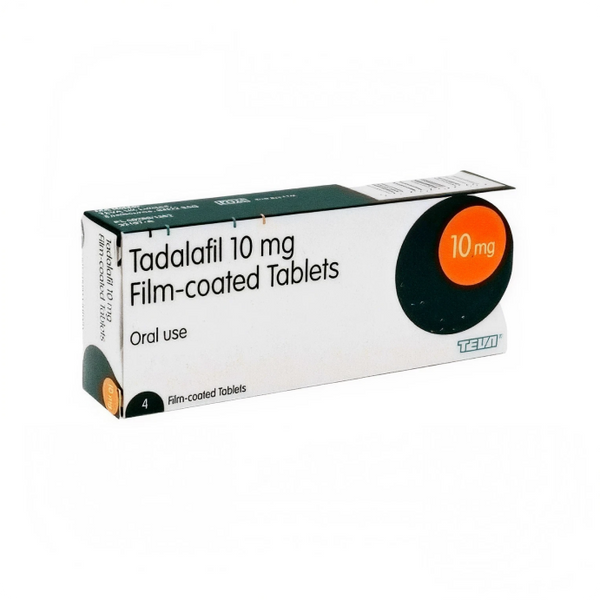
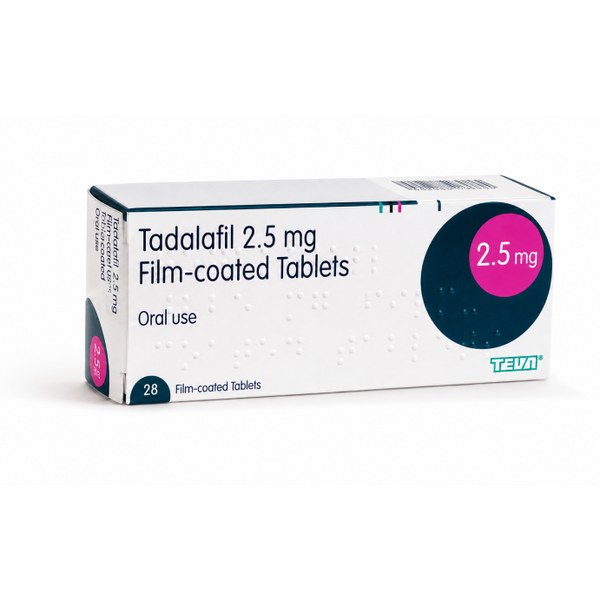
Tadalafil for Diabetics: Safety, Suitability and Erectile Dysfunction
- Explains whether tadalafil may be considered when diabetes is present
- Covers why diabetes can contribute to erectile dysfunction
- Explains which diabetes-related complications can affect treatment suitability
- Shows why cardiovascular health and current medicines need individual review
People with diabetes may be able to use tadalafil for erectile dysfunction when the medicine is clinically appropriate. Diabetes itself does not automatically prevent tadalafil treatment, but the prescribing decision should consider cardiovascular health, blood pressure, kidney function, diabetes-related complications and other medicines being taken.
If you are an adult in the UK with diabetes and want to know whether tadalafil is a safe or suitable option for erectile dysfunction, the answer usually requires more than a simple yes or no. This page explains when diabetics can take tadalafil, why diabetes can contribute to erectile dysfunction, how heart health, kidney function and diabetes complications can affect suitability, which medicine interactions matter, and how dosing and prescribing decisions are assessed.
Diabetes can affect blood vessels and nerves over time, both of which are relevant to normal erectile function. It can also occur alongside cardiovascular disease, high blood pressure, kidney problems and other conditions that may influence medicine suitability.
The key question is whether tadalafil is suitable after a person's diabetes, complications, cardiovascular circumstances and current medicines have been considered.
Treatment suitability depends on an individual clinical assessment.
Key things to know
- Diabetes does not automatically rule out tadalafil treatment.
- NICE recognises PDE5 inhibitors as treatment options for erectile dysfunction, including where type 2 diabetes is present.
- Tadalafil belongs to the PDE5 inhibitor medicine class.
- Diabetes can contribute to erectile dysfunction through vascular, neurological and other health changes.
- Cardiovascular health is particularly important when assessing tadalafil suitability.
- Kidney function can affect medicine considerations in some people with diabetes.
- Current medicines need to be reviewed for clinically important interactions.
- Nitrate medicines are an important contraindication with PDE5 inhibitors.
- A previous tadalafil prescription does not permanently establish suitability if health circumstances have changed.
- Results vary between individuals.
Can Diabetics Take Tadalafil?
Yes, some people with diabetes can take tadalafil when an appropriately qualified prescriber determines that it is suitable. Diabetes alone is not an automatic contraindication to tadalafil.
NICE guidance on type 2 diabetes includes PDE5 inhibitors within the treatment pathway for erectile dysfunction.
However, people with diabetes are not a single uniform patient group.
One person may have recently diagnosed diabetes without significant complications. Another may have cardiovascular disease, impaired kidney function, neuropathy or several additional medicines.
Those differences can materially change the prescribing assessment.
This is why online statements claiming tadalafil is either universally safe or universally unsuitable for people with diabetes are too simplistic.
Why Can Diabetes Mellitus Contribute to Erectile Dysfunction?
Diabetes can contribute to erectile dysfunction because diabetes can damage blood vessels and nerves taking part in erectile function.
Blood-vessel health matters because adequate circulation is necessary for normal erectile responses. Diabetes can contribute to vascular changes over time.
Nerve function matters as well. Diabetes-related neuropathy can affect nerves throughout the body, potentially including those involved in erectile function.
The relationship can also be influenced by other conditions that commonly occur alongside diabetes, including cardiovascular disease and high blood pressure.
This means erectile dysfunction in people with diabetes needs to be considered in a wider health context.
One small 6-month research study has shown improved glycemic control with tadalafil, but that does not change the need for an individual clinical assessment.
How Does Tadalafil Work When Diabetes Is Present?
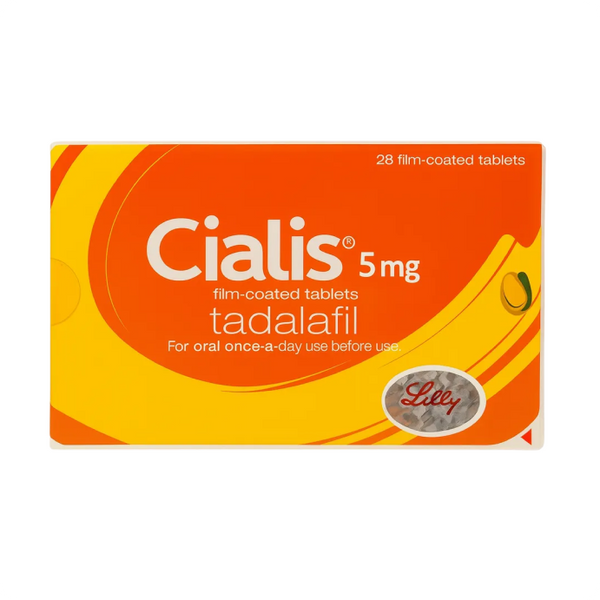
Tadalafil works as a PDE5 inhibitor. Having diabetes does not change the medicine into a different type of treatment. Diabetes related vascular or neurological changes may influence an individual's overall treatment response. It is an approved prescription medicine, and Cialis is one brand used to treat erectile dysfunction.
Tadalafil acts on the biochemical pathway involved in relaxing smooth muscles and supporting increased blood flow to the penis. Its mechanism supports nitric oxide signalling. Impaired nitric oxide signalling in diabetes can contribute to poorer vascular responses involved in sexual erections. Improved blood flow and endothelial responses have also been studied for possible effects on glucose uptake.
However, the medicine does not reverse diabetes-related blood-vessel damage, neuropathy or another underlying health condition, and like other drugs in this class, it addresses symptoms rather than the cause.
This distinction is very important.
Using tadalafil should not replace appropriate management of diabetes or investigation of other contributing factors.
A prescriber may therefore consider both symptom management and the broader health picture. Tadalafil is not a diabetes treatment, although limited research has reported improved HbA1c with tadalafil 5 mg daily in some diabetes patients, and possible effects on testosterone have also been explored.
Is Tadalafil Safe for Diabetics?
Tadalafil is one of the prescription drugs approved to treat erectile dysfunction and can be appropriate for some people with diabetes, but safety depends on more than the diabetes diagnosis itself.
During stimulation, tadalafil (also known by the brand name Cialis) inhibits the PDE5 enzyme, supports nitric oxide signalling, relaxes smooth muscle, and increases blood flow to the penis. In suitable patients, it is generally well tolerated, but individual tolerability depends on the wider clinical picture.
A useful assessment considers:
| Clinical factor | Why it matters |
|---|---|
| Cardiovascular health | Can affect overall treatment suitability |
| Blood pressure | Relevant because tadalafil can affect vascular tone |
| Kidney function | May influence medicine considerations |
| Current medicines | Helps identify important interactions |
| Diabetes complications | Provides a fuller clinical picture |
| Previous tadalafil use | Shows previous response and tolerability |
| Previous adverse effects | Helps assess individual risk |
| Recent health changes | Ensures the decision reflects current circumstances |
For this reason, whether tadalafil is safe or not depends on the individual's health.
Safety is individual.
Why Is Cardiovascular Health Important Before Tadalafil Is Prescribed?
Cardiovascular health deserves particular attention because diabetes can increase cardiovascular risk and tadalafil has clinically important cardiovascular precautions and medicine interactions.
A prescriber may therefore need information about cardiovascular conditions, blood pressure and current cardiovascular medicines, and a qualified doctor may review whether any underlying heart issues affect suitability.
The purpose is not to assume that everyone with diabetes has cardiovascular disease.
Instead, it is to identify whether an individual has factors that alter tadalafil suitability.
If cardiovascular circumstances have changed since a previous tadalafil prescription, disclose those changes during the next assessment.
Previous treatment without problems does not guarantee that treatment remains appropriate indefinitely, although tadalafil is generally well tolerated in many patients when it is appropriately prescribed.
Why Are Nitrate Medicines Important for People With Diabetes?
Nitrate medicines are an important contraindication because they should not be combined with PDE5 inhibitors such as tadalafil. The combination can produce a dangerous reduction in blood pressure.
This concern is relevant regardless of whether diabetes is present.
However, some people with diabetes also have cardiovascular conditions, making an accurate medicine history particularly important.
Tell the prescriber about every prescription medicine being taken.
Do not stop or conceal a cardiovascular medicine in an attempt to obtain tadalafil.
If a nitrate medicine is being used, another clinical approach needs to be considered rather than trying to work around the interaction.
Does Kidney Function Matter When Considering Tadalafil for Diabetics?
Kidney function can matter because diabetes can affect the kidneys, and impaired renal function can influence how some medicines are handled by the body.
This does not mean everyone with diabetes needs a different tadalafil treatment plan.
It means kidney health should be considered where clinically relevant.
A person with known kidney impairment should disclose this during the assessment rather than assuming that standard medicine information applies unchanged to their circumstances.
This article does not provide dose-adjustment instructions.
Your prescriber will determine the appropriate treatment according to the exact medicine information and individual clinical circumstances.
Do Diabetes Complications Affect Tadalafil Suitability?
They can. Diabetes-related complications may provide important information about vascular, neurological, kidney and cardiovascular health.
The presence of a complication does not automatically establish that tadalafil is unsuitable.
Instead, it may change what needs to be assessed before prescribing.
For example, a person with significant cardiovascular disease requires different consideration from someone whose diabetes has not produced recognised cardiovascular complications.
Similarly, kidney impairment can introduce medicine-specific considerations.
The safest approach is therefore to provide a complete health history rather than answering an online consultation as though diabetes is the only relevant condition.
Can Tadalafil Treat the Underlying Effects of Diabetes?
No. Tadalafil can be used to manage erectile dysfunction where clinically appropriate, but it does not treat diabetes itself or reverse the underlying vascular or neurological complications caused by diabetes.
This is an important limitation.
A successful response to tadalafil should not be interpreted as evidence that diabetes-related health risks have resolved.
Likewise, an inadequate response does not necessarily mean tadalafil was prescribed incorrectly.
Several contributing factors can influence erectile dysfunction in diabetes.
Appropriate diabetes management, cardiovascular risk assessment and review of relevant complications remain important independently of tadalafil treatment.
Does Tadalafil Work Differently in People With Diabetes?
Tadalafil works through the same PDE5 inhibitor pathway whether or not a person has diabetes, but individual treatment response can vary. Diabetes-related changes affecting blood vessels, nerves, and general health may influence how well treatment works for a particular person. In some 6-month studies, diabetic men using tadalafil showed improvement on measures of erectile function, including the International Index of Erectile Function short-form (IIEF-5). Once-daily tadalafil has also been associated with improved satisfaction and better success rates for intercourse in some diabetic men.
An inadequate response should not automatically lead to changing medicine use or taking additional tablets.
Instead, a prescriber may review whether there are contributing factors that need attention, including diabetes-related complications, cardiovascular health, other medicines and previous treatment experience.
Results vary between individuals, so treatment should be assessed according to personal response rather than general expectations.

Can Blood Glucose Control Affect Erectile Dysfunction?
Long-term diabetes management is relevant to overall vascular and nerve health, both of which can contribute to erectile function. Tadalafil can be less effective in some people with diabetes because nerve damage may reduce response, and results can vary with the severity of diabetes-related changes. However, improving blood glucose control should not be presented as a guaranteed way to resolve erectile dysfunction.
Diabetes management has broader health benefits that remain important regardless of whether tadalafil is being considered. It is generally used alongside diabetes treatment, including insulin, without being expected to disrupt blood sugar control.
If erectile difficulties have recently appeared or become more noticeable, this may provide a reason to review the wider diabetes picture.
Tadalafil can address the symptom pathway where clinically appropriate, but it does not replace ongoing management of diabetes or its complications.
What Medicines Should Be Declared Before Tadalafil Is Considered?
Provide a complete list of prescription medicines, pharmacy medicines and supplements during a tadalafil assessment. Tadalafil is not generally understood to worsen blood sugar control in diabetic patients. Available evidence does not show a clear effect on insulin sensitivity and does not suggest an added risk of hypoglycemia when used with insulin. This is particularly important because some people with diabetes use several treatments for diabetes and associated cardiovascular conditions.
The prescriber needs the full medicine list to identify clinically important interactions.
Relevant information includes:
| Information | Why it matters |
|---|---|
| Diabetes medicines, including oral hypoglycemic medications | Provides the complete treatment record |
| Blood-pressure medicines | Some can influence cardiovascular assessment |
| Cardiovascular medicines | Important for interaction screening |
| Nitrates | Contraindicated with PDE5 inhibitors |
| Pharmacy medicines | Can still be clinically relevant |
| Supplements | May need consideration during medicine review |
Do not stop another prescribed medicine to make tadalafil appear suitable.
Can Tadalafil Affect Blood Pressure in Someone With Diabetes?
Tadalafil can affect blood pressure because PDE5 inhibition influences blood-vessel relaxation. This does not mean that everyone with diabetes will experience a problematic blood-pressure change.
Individual circumstances determine the clinical significance.
People using medicines that affect blood pressure should disclose them during assessment. The prescriber can then consider the combined effects and whether tadalafil is appropriate.
Symptoms such as significant dizziness, faintness or collapse should not simply be dismissed as expected treatment effects.
If concerning symptoms occur, seek appropriate medical assessment and provide accurate information about medicines recently taken.
Can Someone With Type 1 or Type 2 Diabetes Be Considered for Tadalafil?
Having either type 1 or type 2 diabetes does not by itself determine whether tadalafil is appropriate. The prescribing decision depends on the individual's health circumstances rather than the diabetes label alone.
Relevant differences can include duration of diabetes, cardiovascular health, kidney function, complications and current medicines.
This individual approach is important because two people with the same type of diabetes may have very different clinical profiles.
A prescriber should therefore assess the person rather than applying a universal rule based only on diabetes type.
Does Previous Tadalafil Use Mean It Is Still Safe With Diabetes?
No. Previous tadalafil use does not permanently establish current suitability.
Diabetes and associated health conditions can change over time. New medicines may be prescribed, kidney function can change and cardiovascular circumstances may develop or alter.
A treatment that was previously appropriate may therefore require reassessment.
Tell the prescriber about significant changes since the previous prescription, including new medicines, new diagnoses or previous adverse effects.
An up-to-date assessment is more reliable than assuming that historical tolerance guarantees future suitability.
What if Tadalafil Does Not Work as Expected With Diabetes?
If tadalafil does not provide the expected response, do not independently change the prescribed strength, combine tablets or add another PDE5 inhibitor.
Several factors may need review.
A clinician may consider the underlying cause of the erectile dysfunction, diabetes-related vascular or nerve changes, current medicines, treatment use and other health conditions.
An inadequate response can therefore provide useful clinical information rather than simply indicating that more medicine is required.
Your prescriber will determine whether continued treatment, further assessment or another appropriate option should be considered.
Can Diabetes Medicines Be Taken With Tadalafil?
The answer depends on the complete medicine list rather than simply whether a diabet med is used. A prescriber should review all treatments before determining tadalafil or Cialis suitability.
The important interaction may sometimes involve a medicine being used for another condition rather than the diabetes treatment itself.
This is particularly relevant when cardiovascular medicines are also prescribed.
If tadalafil does not work as expected, a clinician may also review contributing factors such as vascular health, nerve involvement, and low testosterone. Some research has explored whether tadalafil may improve testosterone levels in men with diabetes, but this should not be assumed in individual care.
Do not assume that an online interaction checker provides enough information for a personal prescribing decision.
Provide the exact names of all medicines during clinical assessment so interactions and other safety considerations can be evaluated appropriately.
What Side Effects Should People With Diabetes Know About?
People with diabetes taking tadalafil, including Cialis, alongside diabetes medicines should follow the same product-specific adverse-effect information supplied with their medicine while also considering their individual health circumstances.
Tadalafil is not generally expected to disrupt blood sugar control in diabetes patients, although suitability still depends on the full medicine list.
A diabetes diagnosis does not mean every symptom experienced after tadalafil is caused by the medicine, and common effects such as headache can still have other explanations.
If an adverse effect is persistent, troublesome or unexpected, discuss it with an appropriate healthcare professional.
Serious symptoms require more prompt attention.
Do not independently alter the treatment pattern in an attempt to manage adverse effects. The prescriber can review whether tadalafil remains appropriate and whether another cause of the symptom needs investigation.
Which Symptoms Require Urgent Medical Attention?
Certain serious symptoms require urgent assessment regardless of whether diabetes is present.
Seek urgent medical attention for chest pain, collapse, a prolonged painful erection or sudden significant changes in vision or hearing.
Tell healthcare professionals that tadalafil has been taken and provide a complete list of other medicines.
Do not take additional tadalafil or another PDE5 inhibitor in an attempt to correct a serious reaction.
Suspected medicine adverse reactions can also be reported through the MHRA Yellow Card scheme, but reporting does not replace obtaining appropriate medical care.
What Should Be Reviewed Before Tadalafil Is Prescribed for Someone With Diabetes?
A useful clinical review considers more than the diabetes diagnosis.
Relevant areas can include:
- Current diabetes status and relevant complications.
- Cardiovascular history and blood pressure, plus monitoring for sudden vision or hearing changes that need prompt attention when using PDE5 inhibitors such as tadalafil.
- Kidney function where clinically relevant.
- Current prescription and pharmacy medicines.
- Previous tadalafil or PDE5 inhibitor experience, including perceived efficacy.
- Previous adverse effects and any impact on function.
- Recent changes in health.
- Whether further assessment of the underlying problem is appropriate.
This provides a more complete basis for prescribing than simply answering whether the person has diabetes.
What Is the Practical Takeaway About Tadalafil for Diabetics?
People with diabetes may be considered for tadalafil, but diabetes does not produce a universal yes-or-no answer about suitability.
The important factors are the individual's cardiovascular health, kidney function where relevant, diabetes-related complications, blood pressure, current medicines, previous treatment experience, and whether a daily dose or demand option is more appropriate.
Tadalafil can manage erectile dysfunction where clinically appropriate, but it does not treat diabetes or reverse underlying diabetes-related vascular or nerve changes. If prescribed, this may involve once daily dosing or daily use in some cases, while others may be better suited to as-needed treatment because tadalafil has a longer duration of action than some alternatives.
For people asking whether tadalafil may be suitable for people with diabetes, the most accurate answer is that treatment may be appropriate after individual clinical assessment, including a review of whether the expected benefit for erectile function and broader function has been achieved.
Medical Disclaimer
This article provides general educational information about can diabetics take tadalafil, tadalafil for diabetics, tadalafil for erectile dysfunction in diabetes, is tadalafil safe for diabetics and tadalafil diabetes erectile dysfunction.
It does not provide personalised prescribing, dosing or treatment-changing instructions.
Do not independently change diabetes medicines, cardiovascular medicines or tadalafil treatment. Treatment suitability depends on an individual clinical assessment.
Frequently Asked Questions
Can diabetics take tadalafil?
Is tadalafil safe for diabetics?
Does tadalafil treat diabetes?
Can diabetes make tadalafil less effective?
Can tadalafil be used with diabetes medicines?
Can tadalafil be used if diabetes has affected the kidneys?
Why are cardiovascular checks important for diabetics considering tadalafil?
Can I keep using tadalafil if it was prescribed before my diabetes changed?
What should I do if tadalafil does not work as expected?
Tadalafil vs Levitra: Key Differences Explained
Affordable Tadalafil Online UK: Price and Safety Guide
Related Posts


Cheap Tadalafil UK: How to Compare Prices Safely