Spedra vs Vardenafil: A Deeper Clinical Comparison
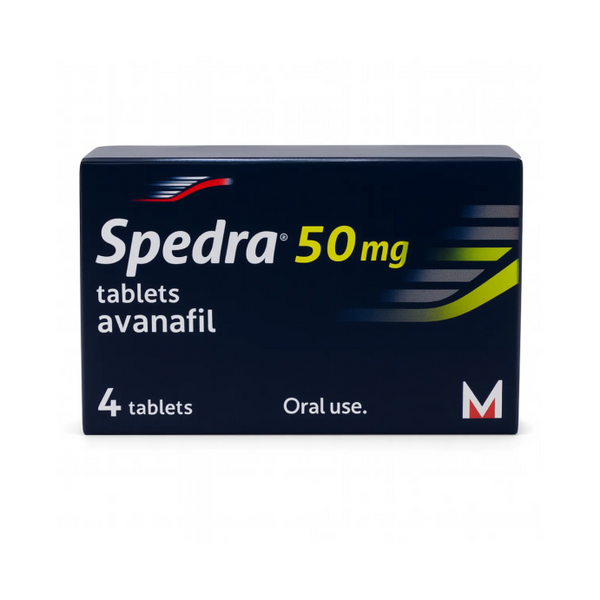
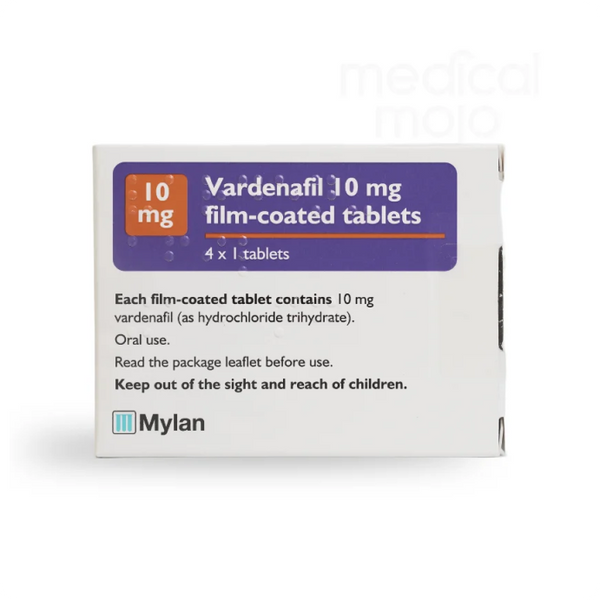
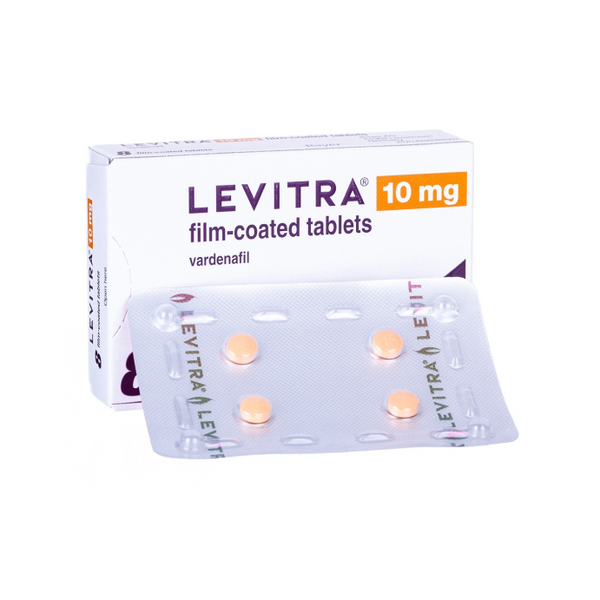
Spedra (avanafil) and vardenafil are both PDE5 inhibitor tablets for ED, and for most men their onset, duration and food sensitivity are broadly similar. One important difference is how they are handled alongside other medicines: Spedra is contraindicated with potent CYP3A4 inhibitors, while vardenafil should also be avoided with certain potent CYP3A4 inhibitors, with specific dose-adjustment recommendations applying to some moderate inhibitors.
That distinction matters most for men considering ED treatment who already take, or may need to take, interacting medicines, but it is also relevant if you want a clearer clinical comparison before discussing options with a prescriber. This page focuses on the practical prescribing differences between Spedra and vardenafil, including metabolism, medicine interactions, onset, duration, food effects, side effects, the QT-interval caution with vardenafil, and the safety points that can influence which option is more suitable.
Key things to know
- Both are metabolised via the same liver enzyme pathway, but interact with certain other medicines differently in practice.
- With potent CYP3A4 inhibitors, Spedra is contraindicated and vardenafil should also be avoided with certain potent inhibitors; dose adjustment applies to some moderate CYP3A4 inhibitors.
- Vardenafil carries a specific QT-interval caution that is relevant to patients with certain QT-risk factors; Spedra does not carry the same specific QTc warning.
- Onset, duration and general side effects are broadly similar between the two
- Neither has been shown more effective than the other in genuine head-to-head evidence.
Spedra vs Vardenafil Erectile Dysfunction Medication at a Glance
| Spedra (avanafil) | Vardenafil | |
|---|---|---|
| Typical onset | 30-45 minutes, though some men may notice effects in as little as 15 minutes | 30-60 minutes |
| Duration | Typically effective for several hours after dosing | Around 4-5 hours |
| Dosage | Available in 50mg 100mg and 200mg strengths; the usual starting dose is 100mg | Varies by product and patient response |
| Metabolism | Hepatic, predominantly CYP3A4-mediated | Hepatic, predominantly CYP3A4-mediated, with an active metabolite (M1) |
| Potent CYP3A4 inhibitor present | Contraindicated | Should be avoided with certain potent CYP3A4 inhibitors |
| How it works / distinctive caution | Works by increasing blood flow to the penis during sexual stimulation; standard PDE5 cautions | QT-interval prolongation; also commonly available as an orodispersible tablet that dissolves on the tongue |
| Nitrate contraindication | Yes, absolute | Yes, absolute |
How Both Are Metabolised
Both Spedra, whose active ingredient is avanafil, and vardenafil are broken down primarily by the same liver enzyme, CYP3A4, which is exactly why both interact with medicines that affect this enzyme. Vardenafil also produces an active metabolite, known as M1, which retains a meaningful share of the parent drug's activity and contributes to its overall effect. Spedra also produces metabolites, including M4, although their contribution to overall PDE5 activity is relatively small. This shared metabolic pathway is the reason both drugs carry interaction cautions around the same broad category of medicines, even though, as the next section covers, they are handled quite differently in practice when a genuine interaction is present.
Drug Interactions: A Genuine, Practical Difference
This is where the two options meaningfully diverge, and it is worth understanding properly if you take other regular medicines. Interaction screening also matters because neither medication should be taken with nitrates due to serious blood pressure risks, so you should mention any other medications before treatment.
When a potent CYP3A4-inhibiting medicine is involved, Spedra is contraindicated, while vardenafil should also be avoided with certain potent CYP3A4 inhibitors. With some moderate CYP3A4 inhibitors, vardenafil instead has specific dose-adjustment recommendations.
Vardenafil is handled differently: rather than being avoided altogether, its dose is reduced, sometimes substantially, and the interval between doses extended, since these medicines can significantly increase how much vardenafil remains active in the body and for how long. This is not a case of one being "safer" than the other in general, it reflects a different regulatory approach to managing the same underlying interaction risk, but it's a genuinely practical difference if you're taking an interacting medicine specifically.
Moderate Interactions: More Similar Handling
Where a moderate, rather than potent, CYP3A4-inhibiting medicine is involved, both drugs are handled more similarly, generally through a reduced maximum dose and, in Spedra's case, a longer minimum gap between doses. This is a less dramatic distinction than the potent-inhibitor scenario above, but still worth raising with a prescriber if you're taking any regular medicine, since the specific adjustment needed depends on exactly which medicine is involved.

The QT-Interval Caution: What's Actually Behind It
Vardenafil's QT-interval caution has a specific, well-studied mechanism behind it: at sufficiently high concentrations, it can affect a particular electrical channel in heart cells (often referred to as the hERG channel) involved in the heart's normal rhythm.
Studies have shown that vardenafil can prolong the QTc interval, although the clinical impact of these changes is unknown. The prescribing information advises avoiding vardenafil in patients with relevant QT-risk factors, including congenital QT prolongation, hypokalaemia and certain Class IA or Class III antiarrhythmic medicines. Spedra does not carry the same specific QTc warning in its prescribing information.
Onset and Duration
Beyond the interaction and safety detail above, the practical day-to-day differences are fairly modest. Spedra generally acts slightly faster, typically 30 to 45 minutes, compared with vardenafil's typical 30 to 60 minutes. Vardenafil has a terminal half-life of around 4 to 5 hours, while Spedra has a longer and more variable terminal half-life; however, half-life should not be interpreted as the exact duration of erectile effect.
Food Sensitivity
Both are affected by a high-fat meal, though not identically. Spedra requires sexual stimulation to work, relaxing blood vessels and promoting blood flow to help achieve and maintain an erection; it does not cause a spontaneous erection. Spedra's absorption is delayed by around 75 minutes with peak concentration reduced by around 39%, though the total amount eventually absorbed isn't meaningfully reduced, so taking it on an empty stomach can help preserve its faster onset. Vardenafil's food effect is comparatively milder, a high-fat meal delays absorption by around an hour with a smaller reduction in peak concentration, and a moderate-fat meal has little clinically relevant effect on it at all.
Side Effects of Erectile Dysfunction Medications
Both share the general PDE5 inhibitor profile, so common effects remain class-typical: headache, flushing, and nasal congestion are among the most commonly reported effects across the class, and some people also notice muscle aches. In clinical trials, about 12% of Spedra users reported side effects, while less than 3% stopped treatment because of them.
Seek urgent medical treatment following serious side effects, as serious side effects of Spedra require immediate medical attention, and check the patient information leaflet for full safety information.
Who This Detail Matters Most For
If you're not taking any regular medicines that interact with this pathway, the metabolic and interaction differences covered above are largely academic, as both are well-tolerated, established erectile dysfunction treatments. Where this detail genuinely matters is if you take a medicine known to significantly affect CYP3A4, the specific interaction rules for each medicine become a practical consideration, particularly because potent inhibitors may make either treatment unsuitable, while some moderate inhibitors require specific dose adjustments.
What This Looks Like in Practice
To make this concrete: a man taking a potent CYP3A4-inhibiting antifungal for a systemic infection would generally not be considered appropriate for Spedra at all while on that treatment, since there's no reduced dose that makes it appropriate.
The same man would also need to discuss the interacting medicine before vardenafil was considered, as potent CYP3A4 inhibitors such as oral ketoconazole and itraconazole should be avoided with vardenafil. With some moderate CYP3A4 inhibitors, a reduced vardenafil dose may be appropriate.
This is exactly the kind of detail a proper assessment, and the sort of issue an online consultation is designed to identify before prescribing, is meant to catch rather than something to work out for yourself from a general comparison.
Does This Affect Whether Either Is "Safer"?
Not in a general sense, no. This is a difference in interaction management for a specific, relatively uncommon scenario, not a broader safety comparison. For men without relevant contraindications or interacting medicines, both are established licensed PDE5 inhibitor treatments, although individual suitability still depends on medical history, other medicines and tolerability.
The distinction becomes relevant specifically when a genuine interacting medicine is part of the picture, which is exactly why disclosing your full current medicine list during an assessment matters more than it might seem.
Is One Actually More Effective Than the Other?
Not according to the evidence available. Each has placebo-controlled trial data showing it works as an effective treatment, but they haven't been directly compared against each other in the same study, so a precise head-to-head answer on erectile function isn't something the evidence actually supports. Clinical trials have shown that Spedra can improve erectile function, although response varies between individuals.
How a Prescriber Weighs This Up
An assessment typically considers your general health, any underlying health conditions, and specifically any regular medicines you take, since the interaction profile is one of the more clinically meaningful differences between these two options. Heart rhythm history is also relevant given vardenafil's specific caution. Beyond these considerations, the decision often comes down to your own priorities around speed and tolerability, individual response, which isn't always predictable from the general profile of either drug, and whether you prefer branded treatments or lower-cost generic medicines when discussing options with a prescriber.
Switching Between Them
Switching between ED treatments on separate occasions, with a prescriber's guidance, is a normal way to find what suits you, since individual response and tolerability vary; if one option is ineffective or poorly tolerated, a prescriber may advise other ed treatments instead of persisting with the same choice. In practice, switching often happens between oral tablets in the same PDE5 inhibitor class rather than between completely different treatment formats. Taking both together, or close together, isn't advised, since they work through the same pathway and combining them adds risk without proven added benefit.
Medical Disclaimer
This article is for general information only and is not intended to replace personalised medical advice, diagnosis or treatment from a qualified healthcare professional. Spedra (avanafil) and vardenafil are prescription medicines and may not be suitable for everyone. Their safety and suitability can depend on your medical history, current health conditions and other medicines you take.
Do not start, stop or change treatment based solely on the information in this article. Always discuss your treatment options with a qualified prescriber and provide a complete list of your current medicines, including medicines bought without a prescription and supplements. If you experience a serious or unexpected reaction after taking an ED medicine, seek appropriate medical attention.
Frequently Asked Questions
Q: What is the main clinical difference between Spedra and vardenafil?
Q: Why is Spedra contraindicated with some medicines that vardenafil is not?
Q: What causes vardenafil's QT-interval caution?
Q: Does Spedra have the same QT caution as vardenafil?
Q: Which works faster, Spedra or vardenafil?
Q: Do Spedra and vardenafil last about the same length of time?
Q: Should I mention my other medicines before choosing between these two?
Q: Is one of these safer overall than the other?
Q: Is Spedra or vardenafil more effective?
Q: Can I switch from Spedra to vardenafil, or the other way round?
Q: Can I take Spedra and vardenafil together?
Q: Does food affect Spedra and vardenafil differently?
Q: If I am not on any other regular medicines, does any of this interaction detail matter to me?
Q: What's the M1 metabolite mentioned with vardenafil?
Q: Why does disclosing my full medicine list matter so much for this specific choice?
Q: Is the QT-interval risk with vardenafil something I should be worried about?
Spedra vs Viagra: Onset, Side Effects and Cost
Spedra 200mg (Avanafil): Dosage, Side Effects, Price
Related Posts


Viagra Pharmacy UK: How Sildenafil Supply Works

Do You Need a Prescription for Viagra in the UK?

Can You Buy Viagra Over the Counter in the UK?


Viagra Price UK: Understanding Sildenafil Costs