Sildenafil, Tadalafil, Vardenafil and Avanafil: How Do They Compare?
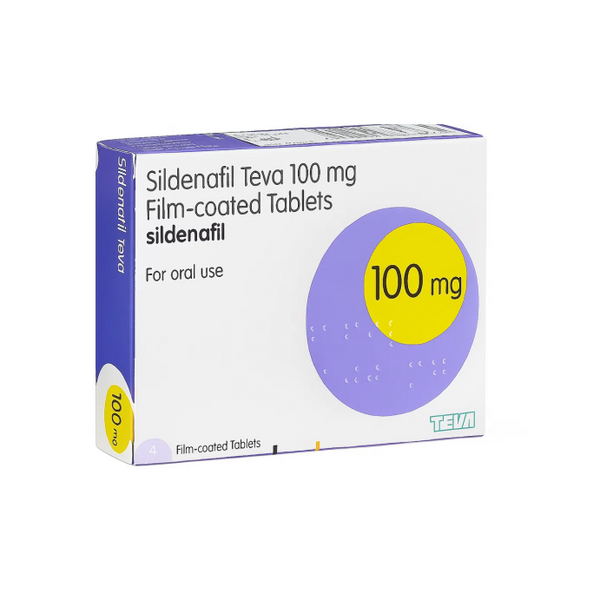
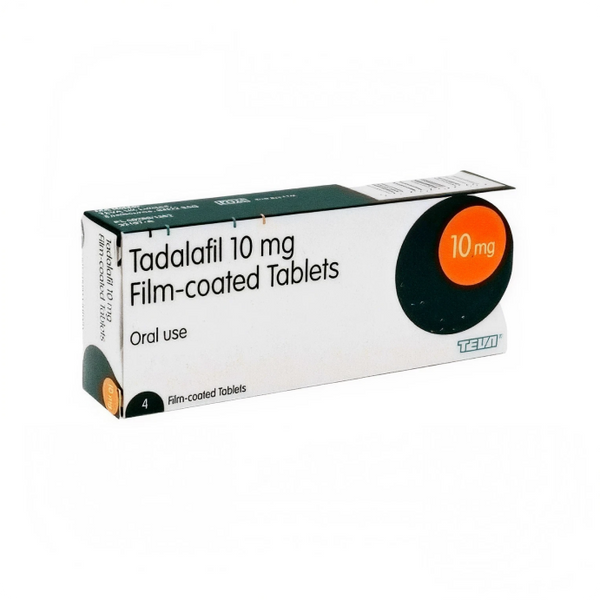
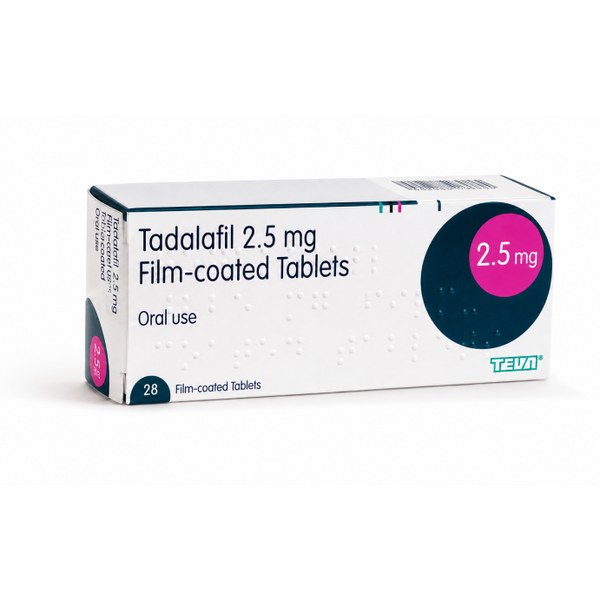
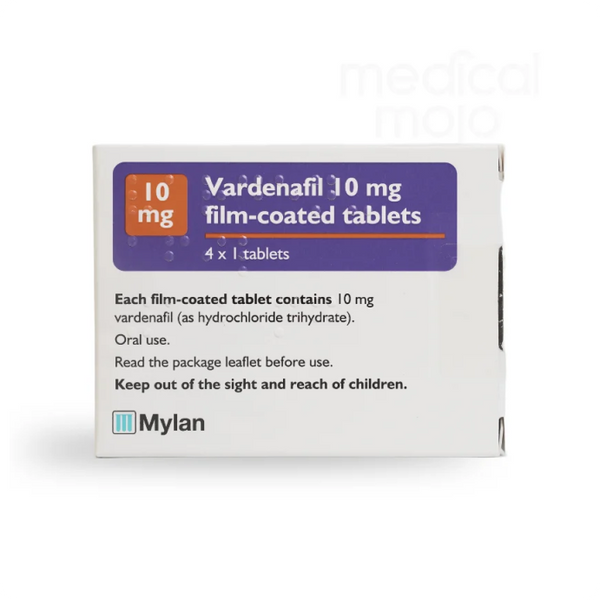
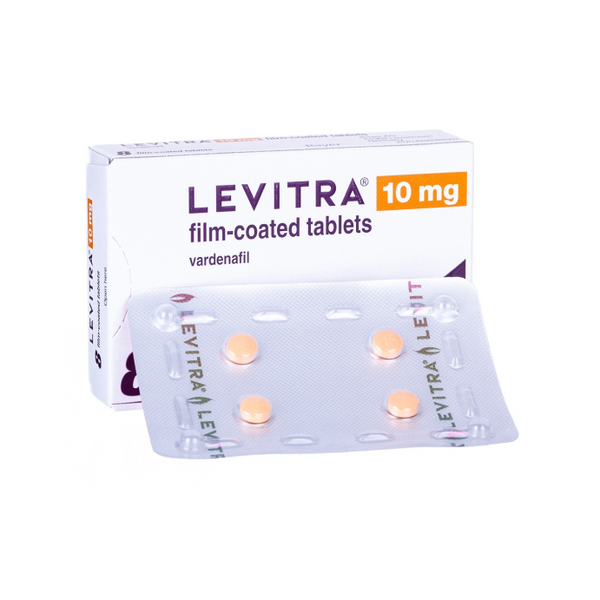
Sildenafil, tadalafil, vardenafil and avanafil all belong to the same medicine class, phosphodiesterase type 5 inhibitors, usually shortened to PDE5 inhibitors. All four are used to treat erectile dysfunction, but they are not interchangeable in every practical respect.
They differ in how long their effects last, how food affects some of them, and how individual health circumstances affect suitability. There is no universal answer to which is best. Suitability depends on medical history, current medicines, contraindications, previous response, tolerability and what you need from treatment.
Key things to know
- All four are PDE5 inhibitors, and share important contraindications and interactions
- Their duration profiles differ, and tadalafil lasts considerably longer than the others
- Food affects the absorption of some more than others
- A longer duration or faster onset does not make a medicine more suitable
- They should not be combined unless a prescriber specifically directs it
- Treatment suitability depends on an individual clinical assessment
How They Work
All four block an enzyme called PDE5. During arousal, the body releases nitric oxide, which relaxes smooth muscle and widens blood vessels in the penis. PDE5 normally reverses that signal, so blocking it allows blood flow to increase.
That means all four only support an erection with sexual stimulation. But sharing a mechanism does not mean they behave identically in the body, and response to one cannot reliably predict response to another.
How They Compare
| Factor | Sildenafil | Tadalafil | Vardenafil | Avanafil |
|---|---|---|---|---|
| Relative duration | Shorter acting, up to around 4 hours | Longer acting, up to 36 hours | Shorter acting, around 4 to 5 hours | Shorter acting |
| Food | High-fat meals can delay absorption | Not significantly affected | High-fat meals can delay absorption | High-fat meals can delay absorption |
| Once-daily option | No | Yes | No | No |
| Nitrate interaction | Contraindicated | Contraindicated | Contraindicated | Contraindicated |
| Individual response | Varies | Varies | Varies | Varies |
The table is not a ranking. A difference that suits one person may be irrelevant, or unsuitable, for another.
Duration
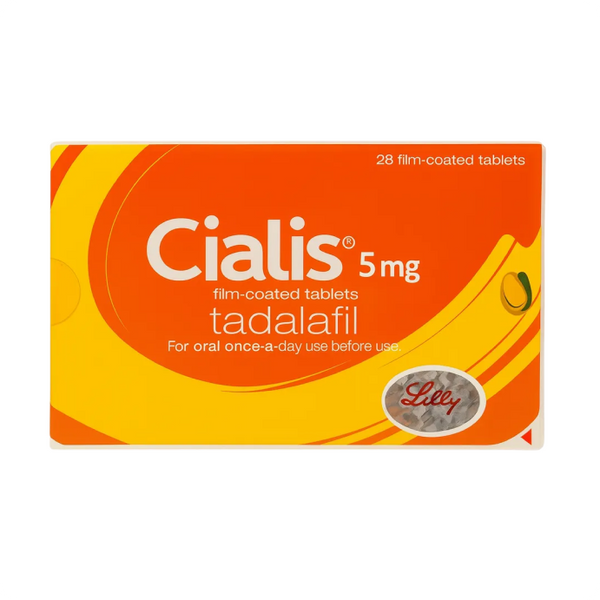
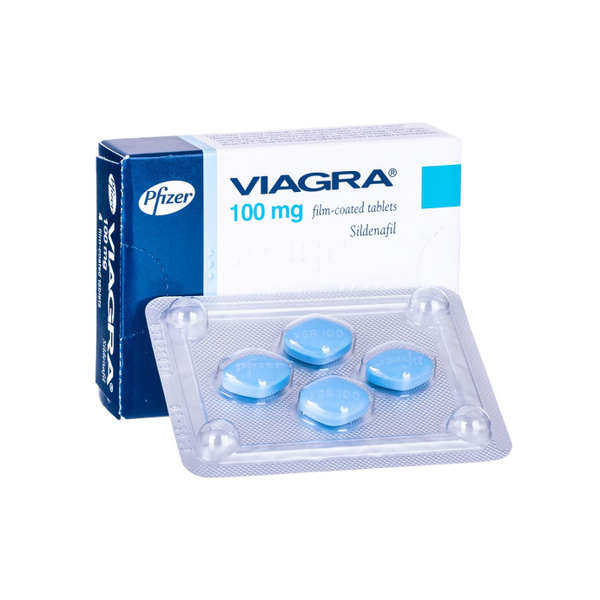
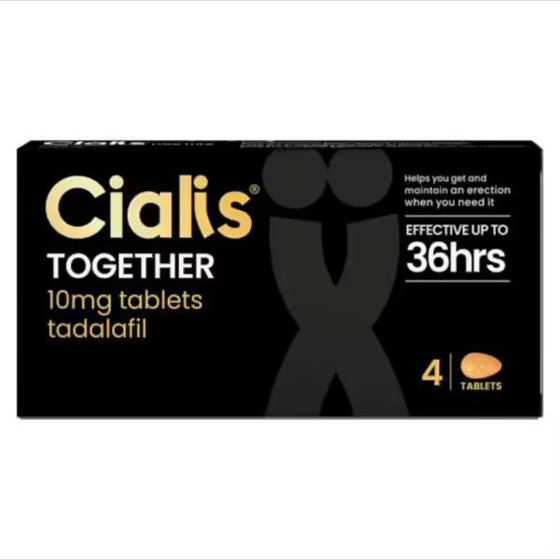
Tadalafil lasts considerably longer than the others, with a half-life of around 17.5 hours. That is why it can be prescribed both as needed and once daily. Sildenafil is usually taken about an hour beforehand, and its effect lasts up to around four hours.
Duration describes how long a medicine stays active, not a continuous effect, and it does not guarantee a response. Longer duration is not inherently better. For some people it matters, and for others tolerability, interactions or another factor matter more.
Onset
Expected onset is one characteristic of a medicine, not a measure of suitability. Food, individual physiology, other medicines and health can all affect when someone responds, so onset figures should never be treated as a promise.
Food
High-fat meals can delay the absorption of sildenafil, vardenafil and avanafil. Tadalafil is not significantly affected by food. That can explain why a medicine sometimes seems to behave differently, but follow the directions for your exact product rather than general comparisons.

How Each One Differs
Sildenafil and Vardenafil
Sildenafil and vardenafil are broadly similar in use, but they are separate medicines with their own dosing and safety profiles.
Sildenafil has some activity at a related enzyme in the eye, PDE6, which is linked to temporary visual disturbances in some people. Vardenafil carries a specific caution around heart rhythm, known as the QT interval. Neither is automatically better tolerated, and vardenafil is not a simple substitute for sildenafil.
Tadalafil
Beyond its long duration and daily option, tadalafil is more specifically associated with back pain and muscle aches.
Avanafil
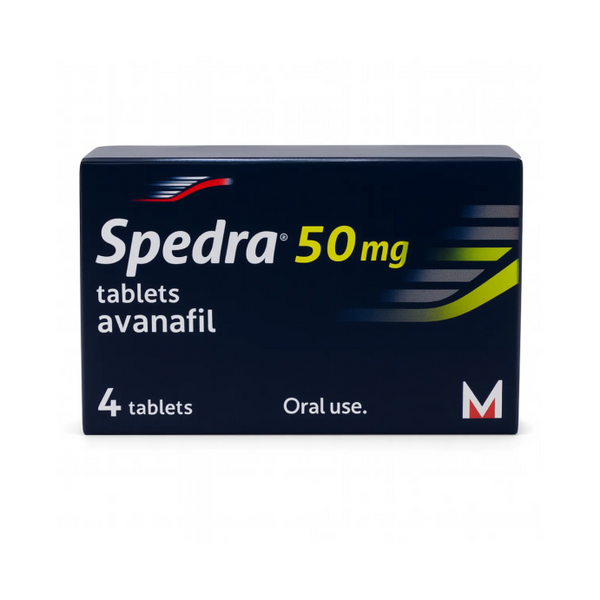
Avanafil, sold as Spedra, is another PDE5 inhibitor with its own profile, often considered for its relatively quick expected onset. It is still a distinct medicine, and its onset should never be read as a guaranteed response time.
Is One More Effective?
No single option is more effective for everyone. The useful question is not which medicine wins, but which characteristics matter for your circumstances. A result from one clinical study does not guarantee the same medicine will work the same way for every person.
What a Prescriber Weighs Up
- Medical history and cardiovascular risk
- Current prescription and non-prescription medicines
- Contraindications and interactions
- Previous response and previous side effects
- The duration profile you want
- Food-related considerations
- Your preferences, where clinically appropriate
Erectile dysfunction is common, particularly with age, and can be linked to underlying health conditions, which an assessment can help identify.
Side Effects
All four share several side effects because of their shared mechanism, including headache, facial flushing, nasal congestion and indigestion. Their individual profiles are not identical, and a person may tolerate one differently from another.
Duration alone does not decide whether someone gets side effects. A longer-acting medicine stays active for longer, but tolerability depends on much more than that. Use the patient information leaflet for your exact product rather than assuming one medicine's safety information applies to all four.
Blood Pressure, Heart Health and Interactions
All four widen blood vessels and can lower blood pressure. For many people that causes no problem, but it matters when other medicines or health conditions add to the effect.
None of the four may be taken with nitrate medicines, because the combined fall in blood pressure can be dangerous. Switching to another PDE5 inhibitor does not remove that risk, and nitrate treatment should never be stopped or changed to make one of these medicines suitable.
Blood pressure medicines can also matter, depending on which medicine and your circumstances. A cardiovascular condition does not automatically rule treatment out, but it does mean suitability needs individual assessment. Give a complete medicines list, including anything recently started, stopped or changed.
Combining, Switching and When One Does Not Work
Do Not Combine Them
The four should not be combined unless a prescriber specifically directs it. Taking more than one medicine from the same class increases exposure and the risk of side effects.
Switching
A switch between PDE5 inhibitors may be considered after clinical review, where response, tolerability, duration or practical factors make another option more appropriate. They are not interchangeable, since each has its own dosing and precautions.
If One Does Not Work
A disappointing response does not automatically mean a higher strength, a different PDE5 inhibitor or a combination is the answer. A review can check whether the medicine was taken as directed, whether food affected it, whether another medicine is interacting, whether side effects are limiting use, and whether a health factor needs assessment.
If standard treatments do not work, a specialist can discuss other options.
| Situation | What to do |
|---|---|
| One medicine seems ineffective | Ask for a clinical review |
| Side effects occur | Discuss tolerability with your prescriber |
| Duration does not suit you | Discuss the alternatives |
| Your medicines change | Have interactions reassessed |
| Another PDE5 inhibitor is to hand | Do not substitute or combine independently |
| Previous treatment worked | Do not assume it will always suit you |
Previous Success Is Not a Guarantee
Previous treatment is useful information, but it cannot guarantee the same response or permanent suitability. A medicine you tolerated before may need reassessing after a significant change in heart health, blood pressure or medicines.
What to Tell a Prescriber
Give accurate information about your current medicines, medical history, heart health, blood pressure and any previous experience with PDE5 inhibitors, including side effects. Mention important changes even if you have used one of these medicines before.
Do not stop another prescribed medicine to make a PDE5 inhibitor seem suitable, and do not leave out previous side effects or use of another medicine in the class. Complete information helps the prescriber choose between the options, or identify when none is currently appropriate.
When to Seek Urgent Help
Seek urgent medical attention for chest pain, severe dizziness, fainting or collapse, sudden changes in vision or hearing, a severe allergic reaction, or an erection lasting four hours or more.
Tell the healthcare professionals treating you which medicine you took, and what else you take. Do not take another tablet, or another PDE5 inhibitor, while waiting for a serious symptom to resolve.
Medical Disclaimer
This page provides general information comparing sildenafil, tadalafil, vardenafil and avanafil. It does not provide personalised medicine selection, prescribing, dosing, switching or strength-selection instructions.
Treatment suitability depends on an individual clinical assessment. Results and tolerability vary between individuals, and medicines from the same class should not be combined or substituted independently.