Sildenafil Pharmacy Prices, Discounts and Delivery Options Compared
A discount code can change what you pay for sildenafil. It cannot change whether treatment is appropriate for you, and that gap explains most of how pricing works in this category.
Many sildenafil products are supplied as prescription medicines in the UK, and the appropriate supply route depends on the specific product and your clinical circumstances. That places limits on how it can be promoted which do not apply to ordinary retail, and those limits shape everything from how discounts work to why a countdown timer on a sildenafil page should make you uneasy rather than hurried.
This page covers three things people compare and rarely compare properly: what actually sets a pharmacy price, at a counter or online; how discount codes, first-order offers and loyalty schemes behave when the product is a medicine; and what delivery really costs once you count it across a year rather than one order.
Key things to know
- A discount changes the price, never the clinical decision, and any page suggesting otherwise is misdescribing what it sells
- Whether you buy online or from a physical pharmacy, the same prescribing and supply requirements apply, although prices vary
- A first-order discount is a one-off, so it tells you nothing about your ongoing cost
- Delivery is charged per order, so a small charge repeats every time you reorder
- Stock at a pharmacy does not mean the medicine can be supplied to you. The prescribing and dispensing requirements still have to be met
- Treatment suitability depends on an individual clinical assessment
What Actually Sets a Pharmacy Price
Several things set the figure, and only one of them is visible on a product page.
Independent Pharmacies
An independent pharmacy sets its own prices rather than following a group policy, so the range across independents is wider than people expect.
That cuts both ways. Some independents price keenly because their overheads are low. Others price higher because they carry small quantities and cannot spread costs. There is no rule that independence means cheaper or dearer.
What an independent often provides is the chance of a conversation. If you already have a prescription and want to talk to a pharmacist before it is dispensed, that is easier to arrange in a setting built for it.
Pharmacy Versus Online: The Honest Comparison
To compare the two properly, put both on the same basis and include everything:
- Match the strength, since strengths are separately priced products
- Match the quantity, since pack size moves the per-tablet figure more than anything else visible
- Convert both to price per tablet
- Add delivery to the online figure, and your travel and time to the counter figure
- Multiply by realistic annual use
Step four is the one people skip in both directions. An online price without delivery understates the total. A counter price that ignores a return trip to collect understates it too.
Both routes follow the same prescribing and dispensing requirements. Where a prescription is required, the clinical decision comes from the prescriber, not from the price or the purchasing route.
How Discounts Behave When the Product Is a Medicine
What a Discount Code Can and Cannot Change
A discount code changes the amount you are charged. That is the entirety of what it does.
It cannot change whether a prescriber decides treatment is appropriate for you. It cannot change the strength or quantity authorised. It cannot bring forward a supply that a clinical review has not yet cleared.
So a code applied at checkout sits after the clinical decision, not before it. If a site presents a discount as though it unlocks access, speeds up approval, or applies to a larger quantity than you were prescribed, it is describing a process where the clinical step is not doing anything.
That is the useful test. A legitimate discount reduces the price of a supply you were going to receive anyway.
Reading Any Code You Find
Three checks make any code useful rather than misleading.
Check what it applies to. A code covering first orders only is a different thing from one covering every order, and only the second changes your ongoing cost.
Check the price it applies against. A discount from an inflated standard price can leave you paying more than an ordinary price elsewhere. Compare standard price to standard price first, then apply the code.
Check whether it changes the quantity. It should not. Quantity follows the prescription, and a code that appears to buy you more tablets is describing something a prescriber has not authorised.
Loyalty Schemes: An Awkward Incentive
Loyalty schemes reward buying more often, and that incentive sits awkwardly with a prescription medicine.
With ordinary retail, buying more often is simply spending more. With a prescription medicine, how often you obtain a supply should follow a clinical review interval, not a rewards balance.
A scheme that rewards you for staying with one pharmacy, without changing when or how much you order, is harmless. Anything encouraging you to stockpile, reorder early, or take more than prescribed is not a loyalty benefit.
Why Urgency Framing Is a Warning Sign
Countdown timers, low-stock warnings and other pressure tactics encourage rushed purchasing. For a medicine that requires clinical assessment, you should have the information and the time to decide properly, rather than feeling pressed to order immediately.
A clinical assessment should be completed carefully and accurately, with a chance to give relevant information before any prescribing decision is made.
Local Collection
Local supply questions run into a sequencing problem before they reach the question of stock.
Same-day collection depends on the prescription or clinical assessment being complete, the medicine being in stock, and the pharmacy's own processing and collection arrangements.
With a prescription already in hand, same-day collection is a straightforward logistics question. Without one, the assessment and prescriber review come first, and no collection arrangement shortens that.
With us, delivery can go to your home or to a local collection point, chosen when you order. The collection route suits people who are out during the day or would rather not have a parcel left. It changes where the parcel goes rather than how fast the clinical stage runs.
Delivery and What It Actually Costs
Delivery is the part of the total most often left out of a comparison, and it behaves differently from pack price because it repeats.
Delivery Charges and the Free Delivery Threshold
Pack price and delivery are both paid once per order, but delivery is a fixed amount rather than a proportional one. On a small order it can be a significant share of the total, and on a monthly reordering pattern it is paid twelve times a year.
The arithmetic worth doing is annual. Take the pack price, add delivery where it applies at that order value, then multiply by how many orders you would place in a year. Two options with similar pack prices can separate considerably at that point.
Cut-Off Times
A cut-off is the point in the day after which an order joins the next day's dispatch rather than today's.
For a prescription medicine, the cut-off applies to the dispatch stage, not the whole order. Your order has to clear clinical review before it can be dispensed, so meeting a cut-off only helps if the prescriber has already made a decision.
That is why a first order and a repeat order behave differently against the same cut-off. Check the current cut-off on the site rather than assuming, because it is the kind of operational detail that changes.
Tracked Delivery
Tracking begins at dispatch, which is later in the process than most people expect.
Until a prescription exists and the pharmacy has dispensed against it, there is no parcel to track. A tracking number that has not appeared usually means the clinical stage is still running, not that something has gone wrong.
Once it does appear, tracking works as it does anywhere else. Confirm your delivery address before you order rather than after, since a prescription medicine is not straightforward to redirect mid-journey.
Weekend Delivery
Weekend options depend on the carrier service selected and on when the order cleared the clinical stage, so they are not a universal feature.
In general, dispatch happens on working days. An order clearing review on a Friday afternoon may or may not make that day's dispatch, and if it does not, the next working day is the next opportunity.
Check our delivery policy and what is offered when you order, rather than relying on a general expectation, because carrier services and their weekend coverage vary and change.

Putting the Total Together
Comparing properly takes about five minutes, and settles the question in a way headline figures never do.
| Element | How to count it |
|---|---|
| Pack price | Standard price, not promotional, for your strength and quantity |
| Per tablet | Pack price divided by tablet count |
| Delivery | Per order, at your typical order value |
| Orders per year | Based on realistic use, not best case |
| Annual total | Per-order cost multiplied by orders per year |
| Any introductory discount | Subtract once, not from every order |
Run that for each option and the differences that matter appear. Run it on headline prices instead and you are comparing numbers that measure different things.
A Worked Example
The figures below are illustrative arithmetic rather than a quotation. Use live figures for whichever options you are weighing.
Picture two suppliers. Supplier A asks £24 for a pack and charges £3.50 to deliver it. Supplier B asks £27 for the same pack and delivers it free. On pack price alone, A looks better by £3.
Now add delivery. A costs £27.50 per order and B costs £27.00, so the ranking has flipped before a single reorder.
Extend it across a year at one order a month. A comes to £330 and B to £324. The gap is small, but it runs the opposite way to the impression the shelf figures gave.
Now change one thing. Suppose you order every two months in larger quantities, and each of those orders clears a free delivery threshold. A's delivery charge disappears, and A becomes the cheaper of the two again.
That is the whole lesson. Delivery does not simply add a fixed amount to a comparison. It interacts with how often and how much you order, which is why the annual figure is the only one that settles anything.
What No Discount Changes
Some things are clinical decisions, and no price mechanism touches them:
- Which strength you take, which is settled in the assessment
- How many tablets you take. Never more than one in any 24-hour period, and do not combine tablets or change your dose unless your prescriber or pharmacist has specifically told you to
- How large a quantity you are supplied, which reflects a review interval
- Whether treatment is appropriate at all
Sildenafil works by increasing blood flow to the penis during arousal, and needs sexual stimulation to be effective. It usually starts working within about 30 to 60 minutes, and the useful window lasts up to around four hours, although that does not mean a continuous erection.
It must not be taken with nitrates, nitric oxide donors, nicorandil, amyl nitrite or riociguat. It is contraindicated in severe low blood pressure, and anyone with uncontrolled high blood pressure, significant cardiovascular disease or certain blood disorders should discuss suitability with a healthcare professional. Tell your prescriber about your medical history and every medicine you take.
Seek medical attention immediately for chest pain, fainting, an erection lasting longer than four hours, or a sudden decrease or loss of vision or hearing. If chest pain develops after taking sildenafil, tell whoever is treating you that you have taken it, and do not take a nitrate for that pain.
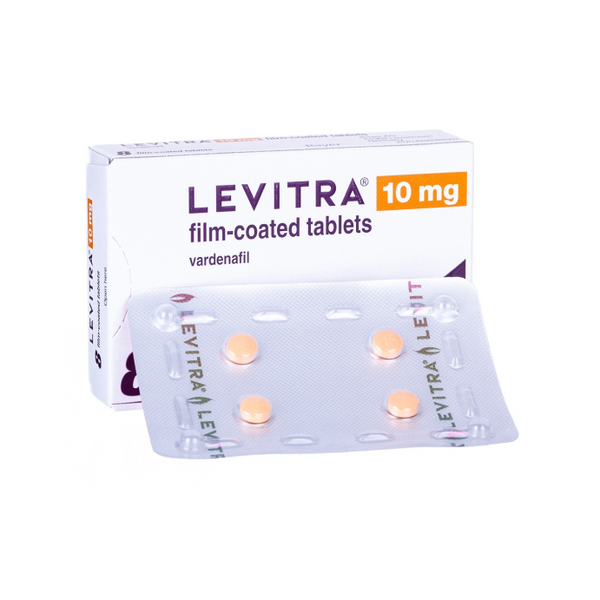
Persistent erectile dysfunction can sometimes be linked to underlying cardiovascular or other health conditions, so proper medical assessment matters. Other options, including tadalafil and vardenafil, differ in duration of action, and our sildenafil FAQs cover usage, dosage and safety in more detail.
Frequently Asked Questions
Do discount codes work on prescription medicines?
Is a first order discount worth choosing a supplier for?
Are loyalty schemes a problem?
Why are countdown timers on a sildenafil page a bad sign?
Is a counter price cheaper than an online price?
Do independent pharmacies charge less?
Can I check whether my local pharmacy has it in stock?
Can I collect the same day?
How much is delivery?
What does a delivery cut off actually cover?
My order has no tracking number yet, what does that mean?
Is weekend delivery available?
Sildenafil Citrate: Where to Buy It Cheaply and Safely
Sildenafil Oral Jelly: Not Licensed in the UK
Related Posts

Tadalafil Price UK: What Affects the Cost?