Sildenafil, Erectile Dysfunction, and Type 2 Diabetes: Can People With Diabetes Take Sildenafil?
- Explains whether people with type 2 diabetes may be considered for sildenafil
- Covers cardiovascular, kidney and blood-pressure factors that can affect suitability
- Explains why a complete medication review is important before sildenafil is supplied
- Keeps clinical evidence neutral and avoids predicting an individual's treatment response
People with type 2 diabetes may be considered for sildenafil, but having diabetes does not by itself determine whether the medicine is appropriate. In practice, sildenafil suitability depends on the individual’s wider health picture, including cardiovascular status, kidney function, blood pressure, other medicines, and any diabetes-related complications.
This information is for adults with type 2 diabetes who want to understand whether sildenafil may be safe and suitable for them, especially if they are concerned about complications linked to diabetes or possible medicine interactions. Men with type 2 diabetes experience erectile dysfunction at significantly higher rates, which is why an individual assessment matters more than the diagnosis alone.
NICE guidance recognises phosphodiesterase-5 inhibitors as a treatment option for erectile dysfunction in men with type 2 diabetes, after relevant contributory factors and contraindications have been considered.This article explains the main checks behind that decision, including cardiovascular, kidney and blood pressure factors, medication review, diabetes-related complications, potential interactions, and the assessment points clinicians use to decide whether sildenafil is appropriate.
The question can diabetics take sildenafil therefore needs a personalised answer. Two people with the same diabetes diagnosis may have very different medical histories, medication profiles and complications.
Key things to know
- Type 2 diabetes alone does not automatically exclude someone from being considered for sildenafil.
- NICE recommends considering relevant cardiovascular factors and contraindications when this medicine class is assessed in people with type 2 diabetes.
- Type 2 diabetes can be associated with heart, kidney, nerve and eye complications that may be relevant to clinical assessment.
- A complete list of current medicines is important because some treatments can interact with sildenafil.
- Previous sildenafil use does not remove the need to consider significant changes in health or medicines.
- Sildenafil does not treat type 2 diabetes or replace blood-glucose management.
- Individual response and tolerability vary.
Can Diabetics Take Sildenafil?
Some adults with diabetes may seek sildenafil because erectile dysfunction is common in this group, but suitability still depends on an appropriate clinical assessment. Diabetes itself is not enough information to determine suitability.
NICE guidance for adults with type 2 diabetes advises healthcare professionals to assess contributory factors, including cardiovascular disease, and states that a phosphodiesterase-5 inhibitor may be considered while taking contraindications into account.
Erectile dysfunction is common among men with diabetes, although the reported prevalence varies between studies and populations.
This means the assessment needs to look beyond the diabetes diagnosis.
Relevant information can include current cardiovascular health, kidney function, blood pressure, prescribed medicines and complications that have developed since diabetes was diagnosed.
The appropriate decision may therefore differ from one person to another even when both have type 2 diabetes.
Is Sildenafil Safe for Diabetics?
It is more accurate to say that sildenafil is generally safe for men with diabetes under medical supervision, but suitability for individual patients must still be assessed rather than describing the medicine as universally safe for everyone with diabetes.
Type 2 diabetes can affect several parts of the body. Cardiovascular disease, kidney disease, nerve damage and eye complications are among recognised long-term complications.
These conditions can be relevant independently when medicine suitability is considered.
For example, someone whose diabetes is accompanied by significant cardiovascular disease may require different clinical consideration from someone without that complication.
The phrase sildenafil safe for diabetics should therefore be answered by focusing on individual risk factors rather than treating people with diabetes as one uniform group.
Why Does Cardiovascular Health Matter With Sildenafil and Diabetes?
Cardiovascular health is important because type 2 diabetes is associated with an increased risk of cardiovascular disease.
Heart attack and stroke are among the macrovascular complications associated with type 2 diabetes. NICE also specifically advises that cardiovascular disease should be considered when relevant treatment options are assessed in adults with type 2 diabetes.
In some men, erectile dysfunction alongside diabetes may also be a marker of underlying cardiovascular disease, which is why cardiovascular review matters.
This does not mean that the presence of cardiovascular risk automatically determines the outcome of a sildenafil assessment.
Instead, it means that conditions affecting the heart and circulation should be disclosed and considered rather than treated as unrelated to sildenafil.
A previous treatment decision should also be reviewed if cardiovascular health has changed.
Does Blood Pressure Affect Sildenafil Suitability?
Blood pressure can form part of the overall clinical assessment because sildenafil affects blood vessels, and high blood pressure itself, as well as some medicines used for cardiovascular care, may also influence erectile function.
A person with type 2 diabetes may be taking several medicines at the same time. These can include treatment for blood-glucose control as well as medicines for blood pressure or other health conditions.
The complete medicine list is therefore more useful than considering diabetes treatment alone.
Do not stop or alter a blood-pressure medicine independently because sildenafil is being considered. The medication combination should be assessed appropriately.

Why Does Kidney Health Matter?
Kidney health can be relevant because type 2 diabetes can lead to kidney disease.
Kidney disease and kidney failure are among recognised complications associated with type 2 diabetes.
For someone considering sildenafil, known kidney impairment should be included in the clinical history. The significance depends on the individual's circumstances rather than the diabetes diagnosis alone.
If kidney function has deteriorated since sildenafil was previously used, that change should be disclosed before assuming that an earlier treatment decision remains appropriate.
An old prescription or previous supply reflects health information available at that time. It does not account for later clinical changes.
Do Diabetes Medicines Interact With Sildenafil?
The complete medication list should be reviewed rather than focusing only on medicines prescribed specifically for diabetes.
People with type 2 diabetes may also receive medicines for cardiovascular health, blood pressure, kidney protection or other conditions. Some of these drugs may also affect erectile function, which is why the full medication review matters. Some of these treatments may have greater relevance to sildenafil assessment than the glucose-lowering medicine itself. Sildenafil is not used to control blood glucose, and its suitability should be assessed alongside all current medicines, including diabetes treatments. It also does not interact with diabetes medicines such as metformin, but a full review is still needed because other medications may still affect suitability.
This means someone should disclose all current medicines accurately.
Relevant treatments used only occasionally should also be mentioned when appropriate.
Do not decide independently that a medicine is unimportant simply because it was prescribed for a condition other than diabetes.
Why Are Nitrate Medicines Important?
Nitrate medicines are an important consideration because sildenafil should not be combined with nitrates due to the risk of severe hypotension.This issue can be particularly relevant when discussing sildenafil and type 2 diabetes, because some people with diabetes also have cardiovascular disease.Changing sildenafil strength independently does not remove an interaction involving sildenafil itself.
Any relevant nitrate treatment should therefore be disclosed during clinical assessment, including medicines used only occasionally.
Do not stop a prescribed nitrate medicine in order to make sildenafil possible. Treatment changes should be considered by an appropriately qualified doctor.
Does Sildenafil Treat Type 2 Diabetes?
No. Sildenafil is not a medicine for controlling type 2 diabetes itself.Searching for ‘sildenafil for type 2 diabetes’ can be misleading, as it may suggest that sildenafil is used to control blood glucose or replace established diabetes treatment. That is not how it should be understood. Some research has explored whether sildenafil enhances insulin sensitivity in people with prediabetes, but that does not make it a treatment for type 2 diabetes or a substitute for insulin.
Type 2 diabetes requires appropriate management of blood glucose and relevant cardiovascular, kidney and other health risks.
Sildenafil, when considered for someone with diabetes, is assessed separately for its authorised clinical use.
Existing diabetes medicines and monitoring should not be changed because sildenafil has been introduced unless an appropriately qualified healthcare professional advises otherwise.
Do Diabetes Complications Change the Assessment?
Yes. Diabetes-related complications can add clinically relevant information to a sildenafil assessment.Cardiovascular disease, kidney problems, nerve damage and eye disease are among complications associated with type 2 diabetes. Diabetes can affect the blood vessels and nerves involved in sexual function. Nerve damage may affect sensation and response, while changes in blood flow can contribute to erectile difficulties.
The presence of a complication does not provide a universal answer about sildenafil suitability. The exact condition, severity, current treatment and wider medical history all matter.
Someone who previously used sildenafil should therefore disclose important new diagnoses or complications before further treatment is considered.
Why Is Eye Health Relevant?
Eye health may require particular attention in someone with diabetes because diabetes itself can affect vision. Diabetic retinopathy and sight problems are recognised complications of type 2 diabetes. The MHRA also provides current medicine information through its Products service, including Patient Information Leaflets containing product-specific precautions and adverse-effect information.
Known significant eye conditions should therefore be included in the medical information provided during assessment.
A sudden significant change in vision after taking any medicine warrants appropriate medical assessment rather than self-adjusting treatment.
What Information Should Be Provided During a Sildenafil Assessment?
Provide an accurate and current picture of your health rather than simply stating that you have type 2 diabetes.
Relevant information may include cardiovascular conditions, blood-pressure problems, kidney impairment, eye complications, current medicines, recent health changes and previous sildenafil use. Symptoms such as difficulty getting or maintaining an erection, low libido, or relevant emotional factors may also be worth discussing
This allows the assessment to consider the person rather than the diagnosis alone.
Treatment suitability depends on an individual clinical assessment, and individual response and tolerability vary.
Does Diabetes Control Determine Whether Sildenafil Is Suitable?
Diabetes control is relevant to overall health, but it should not be used as a single rule for deciding whether sildenafil is appropriate. A clinical assessment may need to consider diabetes alongside cardiovascular health, kidney function, blood pressure, complications and current medicines.
Two people with similar blood-glucose results can have very different medical circumstances. One may have established cardiovascular disease or kidney impairment, while another may not.
For this reason, sildenafil and diabetes should be considered within the person's complete clinical picture. A single diabetes measurement cannot replace an individual assessment.
Does HbA1c Determine Whether Someone Can Take Sildenafil?
No single HbA1c result should be used on its own to decide sildenafil suitability.
HbA1c provides information about average blood-glucose levels over a period of time. It is useful in diabetes monitoring, but it does not provide all the information needed for a medicine assessment.
NICE guidance for type 2 diabetes considers a broad range of factors when managing the condition, including cardiovascular and kidney health. Sildenafil suitability similarly requires more than one laboratory measurement.
A particular HbA1c result should therefore not be converted into a universal eligibility threshold for sildenafil.
Does the Length of Time Someone Has Had Diabetes Matter?
The duration of type 2 diabetes can provide useful medical context, but it does not determine sildenafil suitability by itself.
Some diabetes-related complications develop over time, although their presence and severity vary considerably between individuals.Erectile dysfunction is more common in people with longer-standing diabetes, although age, overall health and other individual factors also play a role.This means two people who have lived with diabetes for the same number of years can have very different health profiles.
Current cardiovascular, kidney, eye and neurological health provides more useful information than diabetes duration alone.
Previous sildenafil use should also be considered alongside current health rather than being treated as permanent evidence that the medicine remains appropriate.
What If Diabetes Has Changed Since Sildenafil Was Previously Used?
Significant changes in diabetes health should be disclosed before assuming that a previous sildenafil decision still applies.
A person may have developed kidney impairment, cardiovascular disease, eye complications or other changes since their previous assessment. Their medication list may also have changed.
An earlier prescribing or supply decision reflects the information available at that time. It cannot account for conditions or medicines introduced later.
An updated assessment allows current circumstances to be considered rather than relying only on previous treatment history.
What If a New Medicine Has Been Started?
A newly prescribed medicine can change the information relevant to sildenafil suitability, even when that medicine is not specifically used to control diabetes.
People with type 2 diabetes may receive treatment for several related conditions. These can include medicines affecting blood pressure, cardiovascular health or kidney risk.
Tell the relevant healthcare professional about medicines that have been started, stopped or changed since sildenafil was last assessed.
Do not attempt to manage a possible interaction by independently changing sildenafil strength or altering another prescribed medicine. Medicine combinations should be considered through an appropriate clinical review.
Can Sildenafil Be Combined With Nitrate Medicines?
Sildenafil should not be combined with nitrate medicines because the combination can cause a potentially dangerous reduction in blood pressure.
This contraindication is particularly important when discussing sildenafil and type 2 diabetes, because cardiovascular disease can occur alongside diabetes.
The issue relates to sildenafil itself. Choosing a different sildenafil strength independently should not be treated as a way to remove the interaction.
Tell the relevant healthcare professional about nitrate treatment, including relevant medicines used only occasionally.
Do not stop prescribed nitrate treatment to make sildenafil possible.
What Side Effects Can Occur With Sildenafil?
Sildenafil can cause mild side effects that are usually transient, although individual experience varies, and the exact safety information and dose guidance should be checked for the medicinal product supplied.
Recognised effects can include headache, flushing, indigestion, dizziness, nasal congestion and visual disturbances.
The Patient Information Leaflet supplied with the medicine provides product-specific information about recognised adverse effects, precautions and interactions.
Experiencing an adverse effect does not indicate a particular treatment result. Likewise, having no noticeable adverse effects does not establish that a different sildenafil strength would be appropriate.
Persistent or troublesome symptoms should be reviewed appropriately.
Are Sildenafil Side Effects Different Because Someone Has Diabetes?
A diabetes diagnosis alone cannot predict which adverse effects an individual will experience.
The wider medical picture matters. Someone with diabetes may also have cardiovascular, kidney, eye or other conditions that need separate consideration.
Current medicines can also influence the assessment.
For this reason, side effects should be evaluated according to the person's symptoms and clinical circumstances rather than assuming that diabetes is necessarily responsible.
Do not independently alter treatment because another person with diabetes reports a different experience. Individual tolerability varies.
Why Are Vision Changes Particularly Important?
People with type 2 diabetes may already have eye conditions that affect vision, so new visual symptoms should not automatically be attributed to diabetes or sildenafil without assessment.
Government health information recognises diabetic eye disease as an important complication of diabetes.
Sildenafil also has recognised visual adverse effects listed in authorised medicine information.
A sudden significant change in vision requires prompt medical attention. Tell healthcare professionals about existing diabetes-related eye conditions and recent sildenafil use.
Do not take further sildenafil while trying to determine independently whether a serious visual symptom will happen again.
Does Sildenafil Change Blood Glucose Management?
Sildenafil should not replace or modify established management of type 2 diabetes.
Someone taking sildenafil should continue their diabetes treatment according to the plan established for them unless an appropriately qualified healthcare professional advises a change.
Do not reduce, stop or alter glucose-lowering medicine simply because sildenafil has been introduced.
The keyword sildenafil for type 2 diabetes should therefore not be interpreted as meaning that sildenafil is intended to control blood glucose.
Diabetes management and sildenafil treatment have separate clinical purposes and should be considered accordingly. Intimate health concerns should be addressed within broader diabetes care, not used as a substitute for glucose management.
What If Sildenafil Does Not Produce the Expected Response?
If sildenafil does not work as expected, do not change the dose, frequency or other medicines on your own.
Several factors may be relevant, particularly if diabetes health or other medical circumstances have changed since sildenafil was originally assessed.
A clinical review can consider current medicines, cardiovascular health, kidney function, diabetes complications and previous treatment experience. It may also consider whether treatment has helped achieve improved intimate satisfaction and psychological wellbeing, as this can affect quality of life.
Individual response varies. Neither general research findings nor another person's experience can predict what will happen for a particular individual.
Treatment changes should therefore be considered through an appropriate clinical route.
Does a Different Sildenafil Strength Provide a More Predictable Result?
No sildenafil strength should be presented as providing a predictable individual result.
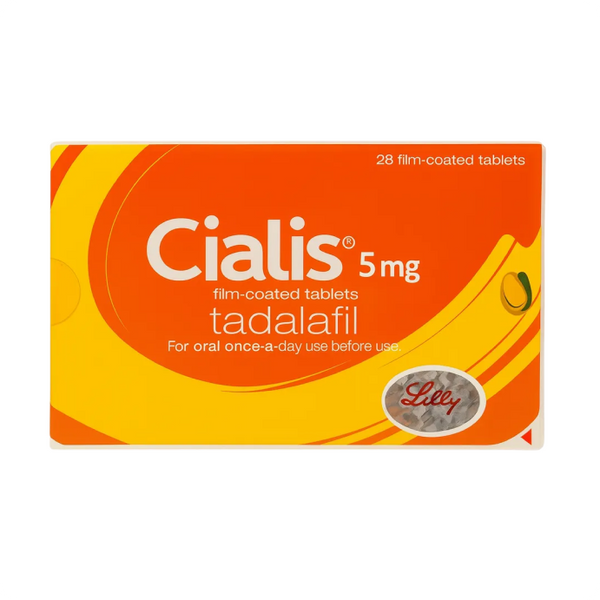
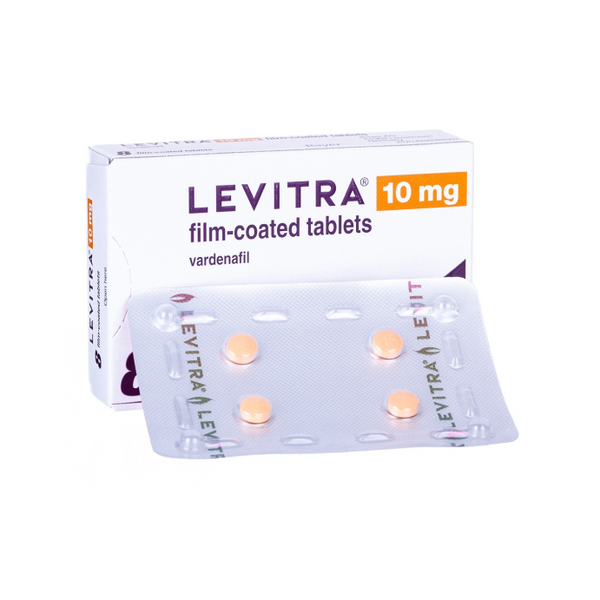
Different tablet strengths contain different stated amounts of sildenafil, but the milligram figure does not establish how a particular person will respond. In some cases, alternative PDE-5 inhibitors such as tadalafil, Cialis, Levitra, or Viagra may be considered clinically rather than assuming a higher sildenafil dose is the answer.
This is particularly relevant for people with type 2 diabetes, as other health conditions and medicines may also affect treatment decisions.
Do not interpret a higher strength as automatically producing a greater individual benefit or a lower strength as automatically being more suitable.
Medicine strength should be considered clinically rather than as a measure of expected treatment success.
How Should Sildenafil Medicine Information Be Checked?
Use authorised information for the exact medicinal product supplied. Sildenafil is a phosphodiesterase type 5 inhibitor that enhances blood flow, but you should still check the official medicine information for the product you receive.
The Patient Information Leaflet contains product-specific information about precautions, contraindications, medicine interactions and recognised adverse effects. The MHRA Products service also provides official information for relevant authorised UK medications.
Check the medicine name, active substance, strength and accompanying documentation rather than relying solely on general information found online.
If the leaflet, packaging or dispensing information appears inconsistent, contact the supplying pharmacy for clarification before using the medicine.
When Should Someone With Diabetes Seek Urgent Medical Attention?
Certain serious symptoms require urgent medical attention rather than waiting for a routine diabetes or sildenafil review.
Seek urgent help for chest pain, severe dizziness or collapse, sudden significant changes in vision or hearing, symptoms of a severe allergic reaction, or an erection lasting four hours or more.
Tell healthcare professionals that sildenafil has been taken and provide information about current medicines where possible.
If cardiovascular treatment is involved, accurate information about recent sildenafil use is particularly important.
Do not take additional sildenafil while waiting to see whether a serious symptom resolves.
Medical Disclaimer
This page provides general information about sildenafil and diabetes, sildenafil and type 2 diabetes, and factors that may affect individual medicine suitability. It does not provide personalised prescribing, dosing or strength-selection instructions.
Type 2 diabetes alone does not determine whether sildenafil is appropriate. Cardiovascular health, kidney function, complications and current medicines may also need consideration.
Individual response and tolerability vary. Treatment suitability depends on an individual clinical assessment.
Frequently Asked Questions
Can diabetics take sildenafil?
Is sildenafil safe for diabetics?
Does sildenafil treat type 2 diabetes?
Does HbA1c determine sildenafil suitability?
Can kidney disease affect sildenafil suitability?
Do cardiovascular medicines matter?
Can sildenafil be combined with nitrate medicines?
Can diabetes-related eye problems matter?
Does sildenafil strength predict treatment response?
Where can I check official sildenafil safety information?
Sildenafil Tablets UK: Comparing Treatment Options
Sildenafil and Food: Does Eating Affect Sildenafil?
Related Posts


Viagra Pharmacy UK: How Sildenafil Supply Works

Do You Need a Prescription for Viagra in the UK?

Can You Buy Viagra Over the Counter in the UK?


Viagra Price UK: Understanding Sildenafil Costs