Low Blood Pressure and Erectile Dysfunction: Is There a Connection?
- Understand whether low blood pressure can contribute to ED.
- Learn how circulation, medicines and health conditions may be involved.
- Know why dizziness or fainting alongside low readings matters.
- GPhC-registered UK online pharmacy with UK-registered prescribers.
Low blood pressure and erectile dysfunction (ED) can occur together, but low blood pressure does not directly cause erectile dysfunction. Erectile function depends partly on healthy circulation, while hypotension can have several causes, including medicines, dehydration, cardiovascular conditions and problems affecting blood-pressure regulation, and it may contribute by reducing blood flow to the penis when blood flow is not sufficient for the body to support normal erectile function.
The relationship becomes particularly important when ED treatment is being considered. Some medicines used for erectile dysfunction can lower blood pressure. Someone who already has significant or symptomatic hypotension may therefore need additional clinical consideration before treatment is suitable.
A single low reading also does not necessarily indicate a problem. Some people naturally have lower blood pressure without symptoms. In other people, low readings are accompanied by dizziness, weakness, light-headedness or fainting.
If you experience both ED and low blood pressure, the useful question is whether a medicine, underlying health condition or circulatory problem could be contributing to one or both symptoms.
Key Things to Know
- Low blood pressure and ED can occur together.
- Hypotension does not automatically cause erectile dysfunction.
- Healthy blood flow is important for normal erectile function.
- Medicines can sometimes contribute to low blood pressure or ED.
- Some ED medicines can lower blood pressure further.
- Dizziness or fainting may indicate symptomatic hypotension.
- Postural hypotension occurs when blood pressure falls after standing.
- Never stop prescribed blood-pressure medicine yourself.
- Persistent ED or symptomatic hypotension should be assessed.
Can Low Blood Pressure Cause Erectile Dysfunction?
Low blood pressure may be relevant to erectile function, but it should not automatically be diagnosed as the cause of ED.
Normal erectile function requires an appropriate vascular response and adequate blood flow. It may therefore seem logical that low pressure would always cause erection difficulties, but the relationship is more complex.
Some people have naturally low readings without ED. Conversely, erectile dysfunction can occur in people with low, normal or high blood pressure.
Other possible contributors include diabetes, cardiovascular disease, neurological conditions, psychological factors and medicines. Several factors may also be present at the same time.
If repeated low readings occur alongside persistent ED, particularly with dizziness or fainting, both problems should be considered during an appropriate clinical assessment.

What Is Considered Low Blood Pressure?
Low blood pressure, also called hypotension, describes blood pressure that is lower than expected. A reading below 90/60 mmHg is commonly used as a general definition of low blood pressure, although its clinical importance depends partly on whether it causes symptoms and why the pressure is low.
One particularly relevant condition is postural hypotension, where blood pressure falls after standing.
NICE guidance considers a fall in systolic pressure of 20 mmHg or more, or diastolic pressure of 10 mmHg or more, after standing for at least one minute to be a significant postural drop that should prompt consideration of possible causes.
Possible symptoms of hypotension include:
- Dizziness
- Light-headedness
- Weakness
- Feeling faint
- Fainting
- Symptoms that appear after standing
Someone who consistently has lower readings but feels well may be clinically different from someone experiencing repeated symptomatic drops.
How Can Blood Pressure Affect Erectile Function?
Blood pressure and erectile function are linked through the cardiovascular system, but blood pressure is only one part of normal vascular function.
Erectile function requires blood vessels to respond appropriately. High blood pressure can also cause erectile dysfunction, and conditions affecting vascular health can interfere with this process, including atherosclerosis, where narrowed arteries may limit blood supply and lead to erection problems.
For someone experiencing low blood pressure and ED, possible explanations can include:
- Medicines affecting blood pressure
- Postural hypotension
- Diabetes
- Cardiovascular conditions
- Problems affecting autonomic nerve function
- Dehydration or temporary illness
- More than one contributing factor
This is why simply trying to increase blood pressure is not an appropriate ED treatment. The underlying reason for both symptoms needs to be considered.
What Can Cause Low Blood Pressure and ED Together?
Low blood pressure and erectile dysfunction may share an underlying contributor, or they may occur for separate reasons.
Medicines are one important possibility. Some treatments lower blood pressure intentionally, while certain medicines or the conditions being treated may also influence erectile function.
Diabetes can also be relevant because it can affect blood vessels and nerves. Cardiovascular and neurological conditions may similarly influence systems involved in blood-pressure regulation and erectile function. Persistent erectile dysfunction can be associated with underlying vascular or metabolic problems, including cardiovascular disease.
The timing of symptoms can provide useful clues. Consider whether:
- ED began after a medicine change.
- Dizziness appeared at the same time.
- Symptoms are worse after standing.
- Blood-pressure readings recently changed.
- Another health condition has recently developed or worsened.
These details can help a healthcare professional decide which factors require further assessment.
Can Medicines Cause Low Blood Pressure and ED?
Yes. Medicines can sometimes contribute to one or both problems.
If your symptoms appeared after starting a new medicine or changing existing treatment, tell your prescriber. A medication review can consider whether treatment may be contributing while also accounting for the underlying condition being managed.
Do not stop, reduce or alter prescribed medicine yourself because you develop ED (erectile dysfunction) or low blood pressure. Sudden changes can leave an important medical condition inadequately treated.
Can ED Medicines Lower Blood Pressure?
Yes. Some medicines used for erectile dysfunction can lower blood pressure because they have vasodilatory effects, meaning they widen blood vessels.
This is why existing hypotension matters before ED treatment is considered. The potential effect can also be influenced by other medicines that lower blood pressure.
Having a lower-than-average reading does not automatically mean every ED treatment is unsuitable. However, symptomatic or significant hypotension requires appropriate assessment.
Treatment suitability depends on an individual clinical assessment. Your prescriber will consider your blood pressure, symptoms, cardiovascular health and current medicines before determining whether treatment is appropriate.
Why Does Low Blood Pressure Matter Before ED Treatment?
Low blood pressure matters because some medicines used for erectile dysfunction can lower blood pressure further. ED medications should be used cautiously in hypotensive patients, and combining them with nitrates can cause a dangerous drop in blood pressure. The level of risk depends on your usual readings, whether you have symptoms, your medical history and other medicines you take.
Someone who naturally has lower readings without symptoms may have different clinical considerations from someone who regularly experiences dizziness or fainting.
Additional assessment may be particularly important if you:
- Have symptomatic hypotension
- Experience dizziness after standing
- Take medicines that lower blood pressure
- Have a cardiovascular condition
- Take several prescription medicines
- Have previously fainted
Treatment suitability depends on an individual clinical assessment rather than the blood-pressure reading alone.
Can Blood Pressure Medicines Contribute to ED?
Certain medications can contribute to erectile dysfunction as a side effect, and some blood-pressure medicines have been associated with erection problems in some people. Some blood-pressure medicines, including certain beta blockers and diuretics, have been associated with erection problems in some people. ACE inhibitors and angiotensin receptor blockers (ARBs) are generally not among the blood-pressure medicines most strongly associated with erectile dysfunction, although individual responses vary.
This makes it difficult to decide from symptoms alone whether a medicine is responsible.
If ED begins after starting or changing blood-pressure treatment, do not stop the medicine yourself. Instead, ask for a medication review with a doctor.
A healthcare professional can consider when your symptoms started, your current blood-pressure readings, whether you have signs of hypotension and whether other health factors could be contributing.
What About Medicines That Lower Blood Pressure Together?
Taking more than one medicine with blood-pressure-lowering effects can sometimes increase the likelihood of symptomatic hypotension.
This is relevant because some ED medicines widen blood vessels. Other medications used for cardiovascular or urinary conditions may also affect blood pressure.
Tell your prescriber about all medicines you take before ED treatment is considered. Do not change medicine timing, dosage or skip prescribed doses yourself in an attempt to prevent an interaction.
Can Diabetes Be Linked With Low Blood Pressure and ED?
Diabetes can be relevant to both erectile function and blood-pressure regulation because long-term complications can affect blood vessels and nerves.
Blood-vessel changes can contribute to erectile dysfunction. In some people, nerve problems may also affect the body's automatic regulation of blood pressure, potentially contributing to postural hypotension.
This does not mean diabetes automatically explains both conditions.
If you have diabetes alongside ED and low blood pressure, assessment may consider blood-glucose management, cardiovascular health, neurological symptoms and current medicines.
Several contributing factors can exist together.
Can Dehydration Cause Low Blood Pressure and ED?
Dehydration can temporarily lower blood pressure by reducing circulating fluid volume, particularly when fluid loss is significant.
However, dehydration should not automatically be used to explain persistent erectile dysfunction.
A low reading during a temporary illness, hot weather or reduced fluid intake may not represent your normal blood pressure. Persistent ED occurring over weeks or months may have another cause.
The important distinction is between a temporary episode of lower blood pressure and repeated or symptomatic hypotension.
If low readings continue after the temporary cause has resolved, further assessment may be appropriate.
What Symptoms of Low Blood Pressure Should You Notice?
Low blood pressure does not always cause symptoms. When it does, the pattern can help identify whether further assessment is needed.
Symptoms can include:
- Dizziness
- Light-headedness
- Weakness
- Feeling faint
- Fainting
- Symptoms after standing
Symptoms that repeatedly appear after standing may suggest postural hypotension.
Timing also matters. If dizziness or faintness starts after a medication change, tell your prescriber. This does not prove the medicine is responsible, but it provides useful information for a clinical review.
Repeated fainting or significant unexplained symptoms should not simply be assumed to be your normal blood pressure.
How Are Low Blood Pressure and ED Assessed Together?
Assessment should look for factors that could explain either or both conditions rather than assuming hypotension directly caused erectile dysfunction.
A healthcare professional may consider:
- Your usual blood-pressure readings.
- Whether you experience dizziness or fainting.
- Whether symptoms appear after standing.
- When erection difficulties started.
- Current prescription medicines.
- Cardiovascular health.
- Diabetes and metabolic health.
- Neurological conditions.
- Recent illness or dehydration.
If postural hypotension is suspected, blood pressure may be checked before and after standing.
A medication review may also be appropriate, particularly if symptoms started after treatment changed.
For ED, wider physical and psychological factors should still be considered because low blood pressure may be only one part of the clinical picture.
Does ED Mean Your Blood Pressure Is Too Low?
No. Erectile dysfunction does not mean that your blood pressure must be low.
ED can occur in people with low, normal or high blood pressure. High blood pressure and other cardiovascular risk factors can themselves contribute to vascular changes associated with erectile dysfunction.
Erectile function therefore cannot be used as a substitute for measuring blood pressure.
If you are concerned about low blood pressure and ED, actual blood-pressure measurements, symptom history and an appropriate clinical assessment provide much more useful information.
Will Improving Low Blood Pressure Fix Erectile Dysfunction?
Not necessarily. Correcting the cause of hypotension may improve symptoms such as dizziness or weakness, but erectile dysfunction may have a separate or additional cause.
For example, one medicine might contribute to low blood pressure while diabetes or vascular disease contributes more strongly to ED. Alternatively, a neurological condition could potentially affect both.
This is why simply trying to raise blood pressure is not an appropriate treatment strategy for erectile dysfunction.
Do not deliberately change your salt intake, medicines or supplements specifically to raise blood pressure without appropriate advice. Management should address why the blood pressure is low.
What Can Help When You Have Low Blood Pressure and ED?
The appropriate approach depends on the cause of both conditions.
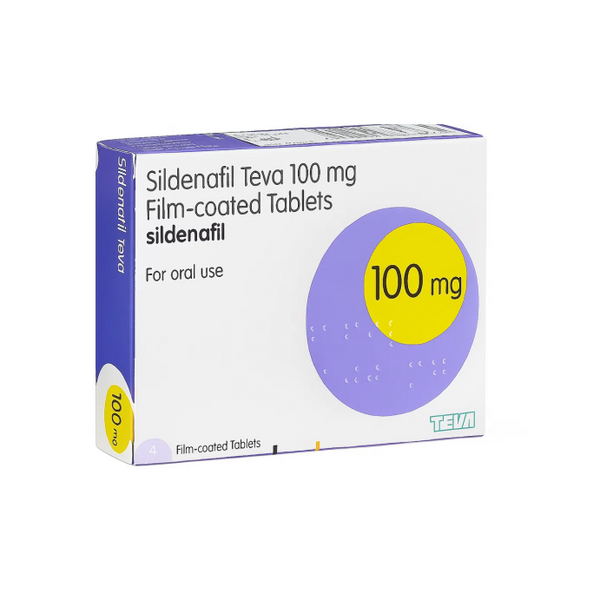
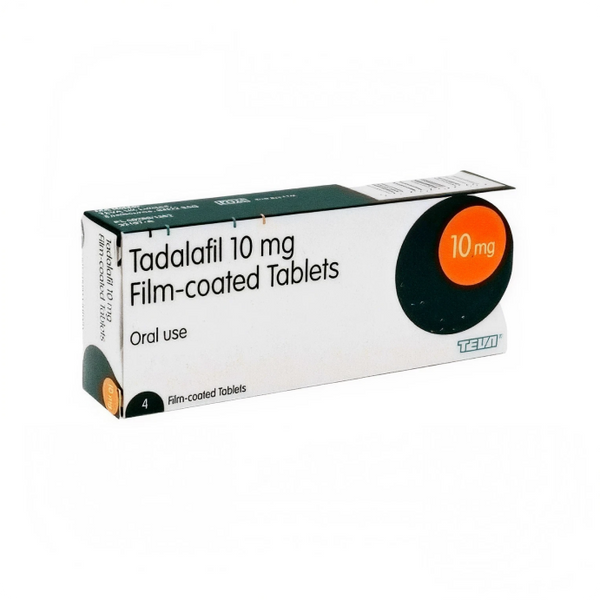
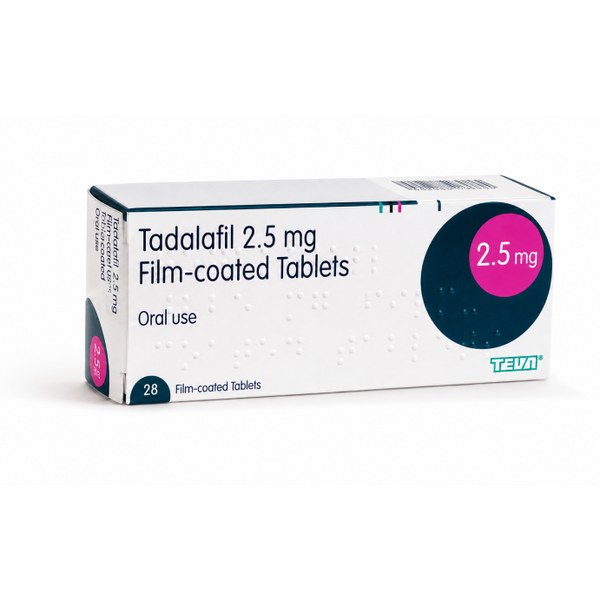
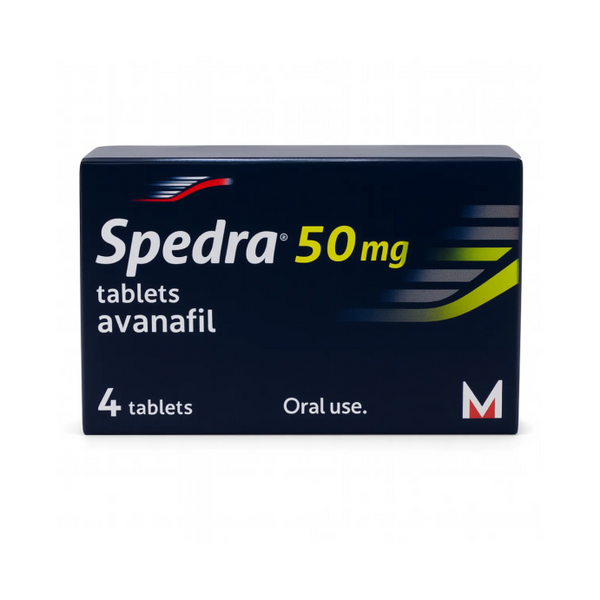
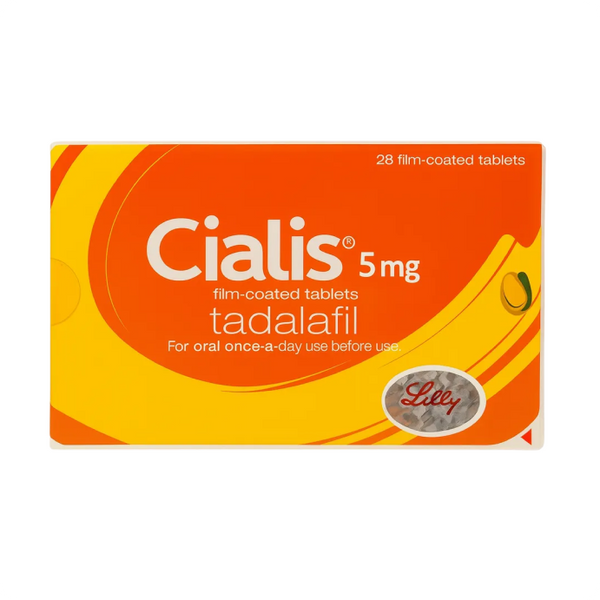
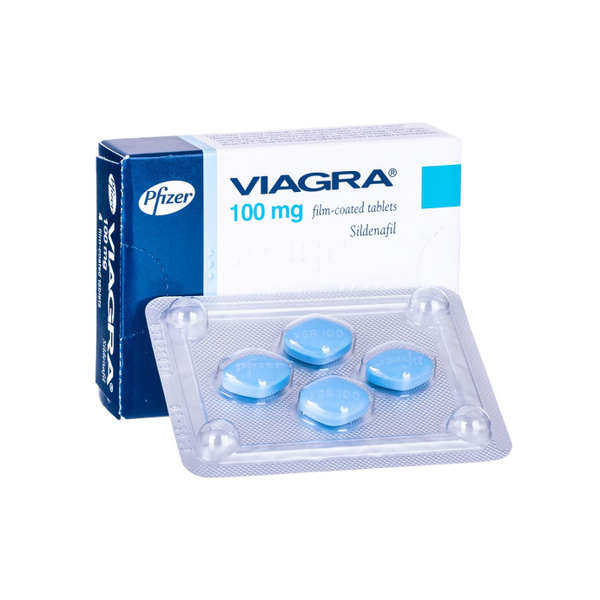
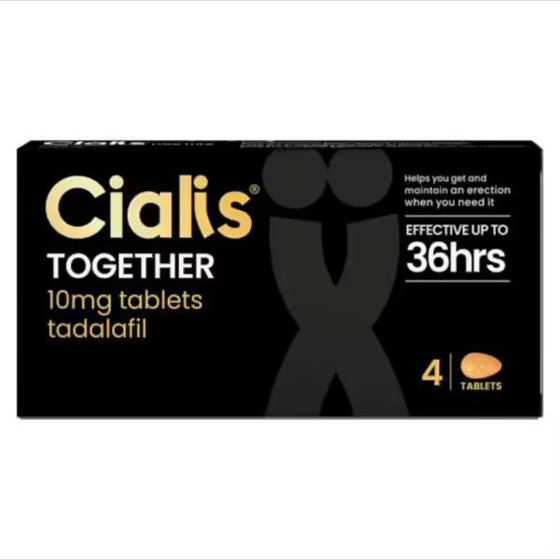
Management may involve reviewing medicines, assessing symptomatic hypotension, addressing diabetes or cardiovascular factors and considering how to treat ED only when it is clinically suitable. Depending on suitability, options may include PDE5 inhibitors such as sildenafil or tadalafil, or a vacuum erection device. Sildenafil and tadalafil can be effective for many men, while vacuum erection devices are an established non-medication option. The appropriate treatment depends on individual clinical assessment.
Practical priorities are:
- Report persistent dizziness or fainting.
- Tell your prescriber about all medicines you take.
- Do not stop blood-pressure treatment yourself.
- Have persistent erection difficulties assessed.
- Avoid using another person's ED medicine.
- Do not self-select treatment when significant hypotension is present.
The goal is not simply to improve erectile function. It is to identify an approach that manages the underlying problem without creating unnecessary blood-pressure risk.
Can Lifestyle Changes Help With Low Blood Pressure and ED?
Lifestyle changes may support cardiovascular health and general wellbeing, but they cannot guarantee that erectile dysfunction will improve. The appropriate approach depends on what is causing both conditions. Persistent hypotension may also contribute to reduced energy and other symptoms that can affect wellbeing and sexual function.
Regular physical activity, avoiding smoking, maintaining a healthy weight where appropriate and managing conditions such as diabetes can support vascular health. However, people with symptomatic low blood pressure may need individual advice, particularly if exercise causes dizziness or faintness.
Do not try to deliberately raise your blood pressure without first understanding why it is low.
Why Is a Medication Review Important?
A medication review can be useful when low blood pressure and ED appear after starting a new medicine or changing existing treatment.
Some medicines can lower blood pressure, while others or the conditions they treat may contribute to erection difficulties. Taking several medicines can make the relationship more complicated.
A healthcare professional can review when your symptoms started, your usual blood-pressure readings and all current medicines.
Never stop or reduce prescribed treatment yourself because you suspect it is causing ED or hypotension.
When Should You Seek Medical Advice?
Persistent ED or symptomatic low blood pressure should be assessed, particularly when the two occur together. Conditions that cause low blood pressure may also affect erectile function directly, including through changes involving the autonomic nervous system.
Speak to a healthcare professional if you repeatedly experience dizziness, weakness, light-headedness or symptoms after standing. Recurrent fainting or a significant unexplained change also deserves appropriate assessment.
Persistent erection difficulties should similarly be reviewed rather than automatically attributed to low blood pressure.
Assessment is particularly important before considering ED treatment because some medicines used for erectile dysfunction can reduce blood pressure further.
Can You Take ED Medicine With Low Blood Pressure?
It depends on the severity and cause of your low blood pressure, whether you have symptoms, your cardiovascular health and other medicines.
Some ED medicines widen blood vessels and can lower blood pressure. Existing significant hypotension can therefore affect whether treatment is suitable.
Other medicines matter too. Combining treatments that lower blood pressure may increase the likelihood of dizziness, weakness or fainting in susceptible people.
Do not use another person's medicine or start ED treatment without appropriate suitability checks. Your prescriber will determine the appropriate treatment after considering your individual circumstances.
Practical Checklist for Low Blood Pressure and ED
If you experience both conditions, focus on identifying possible causes rather than trying to treat them independently.
- Check whether low readings are persistent rather than relying on one measurement.
- Note whether you experience dizziness, weakness or fainting.
- Record whether symptoms are worse after standing.
- Consider whether symptoms began after a medicine change.
- Tell your healthcare professional about all medicines you use.
- Consider relevant conditions such as diabetes and cardiovascular problems.
- Never stop prescribed medicine yourself.
- Have persistent ED assessed before choosing treatment.
This provides more useful clinical information than simply attempting to increase blood pressure.
Medical Disclaimer
This article provides general information about low blood pressure and erectile dysfunction. It does not diagnose either condition or determine whether treatment is suitable for an individual.
Do not start, stop or alter prescribed medicines based solely on general online information.
Treatment suitability depends on an individual clinical assessment. Seek professional advice if you have persistent ED, repeated dizziness, fainting or other concerning symptoms associated with low blood pressure.
Conclusion
Low blood pressure and ED can occur together, but hypotension is not automatically the cause of erectile dysfunction. Medicines, diabetes, cardiovascular health, neurological factors, hormonal factors such as low testosterone, and psychological factors such as stress or emotional issues may contribute to one or both problems.
Low blood pressure is particularly important when ED treatment is considered because some ED medicines can lower blood pressure further.
If both problems persist, a clinical assessment can help identify possible causes, review medicines and determine whether treatment is appropriate.
Frequently Asked Questions
Q: Can low blood pressure cause erectile dysfunction?
Q: Are ED and low blood pressure connected?
Q: Does ED mean my blood pressure is too low?
Q: Can ED medicines lower blood pressure?
Q: Can I use ED treatment if I have low blood pressure?
Q: Can blood pressure medicine contribute to ED?
Q: What is postural hypotension?
Q: Will raising my blood pressure improve ED?
Q: When should I seek help for low blood pressure and ED?
Alternatives to ED Medication: What Genuinely Works
Spedra vs Levitra: How They Actually Compare
Related Posts


Viagra Pharmacy UK: How Sildenafil Supply Works

Do You Need a Prescription for Viagra in the UK?

Can You Buy Viagra Over the Counter in the UK?


Viagra Price UK: Understanding Sildenafil Costs