Losing an Erection Partway Through: What is Actually Happening with Erectile Dysfunction
- Explains a genuinely distinct symptom pattern most guides lump in with general ED.
- The specific physical mechanism (venous leak) most competing content never names.
- Distinguishes three different timing patterns, since they do not all mean the same thing.
- Online consultation with UK-registered prescribers.
If an erection starts normally but fades once sexual activity is already underway, this can happen for several reasons, including reduced stimulation, anxiety, alcohol, medicines or physical factors affecting erectile function. This is a different pattern from not being able to achieve an erection at all, and it is worth understanding the difference, since the two point toward different explanations and different next steps.
This guide explains what this pattern can mean, why timing can be useful, and what may help, including a targeted, often overlooked option. Losing an erection during sexual activity is common and does not necessarily indicate a serious medical problem.
Key things to know
Starting normally and then fading is a different pattern from difficulty achieving an erection at all.
- Physical causes can affect the ability to maintain an erection, but a "venous leak" cannot be diagnosed from this symptom alone.
- Anxiety that develops once sexual activity begins can produce a similar pattern.
- Pelvic floor exercises may help some men with erectile difficulties, although they should not be presented as a specific treatment for a diagnosed venous leak.
- A single occasion means little on its own, a persistent or recurring pattern is more worth assessing.
The Pattern That Matters: Starting Normally, Then Fading
It can be useful to note whether an erection starts normally and then fades, because this gives a healthcare professional more information about the pattern of erectile difficulty. However, this does not by itself show which part of the erectile mechanism is responsible. Psychological, medication-related, lifestyle and physical factors can all affect the ability to maintain an erection.
Why This Differs From Difficulty Achieving an Erection at All
Difficulty achieving an erection from the outset generally points toward an inflow problem, blood is not reaching the erectile tissue adequately in the first place, often linked to broader vascular health, nerve signalling, or psychological factors present from the start, possible physical causes include high blood pressure, medications, fatigue, and other chronic diseases that can affect erectile function, and chronic diseases increase erectile dysfunction risk.
Describing whether the problem occurs from the beginning or after an erection has started can give a healthcare professional useful information during an assessment.

Could a Venous Leak Be Involved?
A venous leak, more accurately called corporal veno-occlusive dysfunction, is a physical problem involving the mechanisms that normally help maintain blood within the erectile tissue. It can contribute to difficulty maintaining an erection, but losing an erection after it has started does not by itself mean that a venous leak is present.
Other physical causes, including vascular disease, diabetes, neurological conditions and medication effects, can also contribute to erectile difficulties. If the problem is persistent, a healthcare professional can assess the possible causes and decide whether further testing is appropriate.
It is worth understanding why this is mechanically different from simply "not enough blood flow" as a general concept. Achieving an erection and maintaining one rely on two separate physiological steps, sufficient blood entering the erectile tissue, and then a valve-like mechanism trapping it there under pressure. A venous leak affects specifically the second step, which is exactly why someone with this issue can achieve a perfectly normal erection initially, the first step works fine, before losing it as the second step fails to hold.
When It is Anxiety, Not Blood Flow
Performance anxiety and psychological stress that develop specifically once activity has begun, rather than beforehand, can produce a very similar-looking pattern through a completely different mechanism. Once arousal starts, a sudden shift toward anxious, self-monitoring thoughts triggers the body's stress response, which works directly against the blood flow an erection depends on, effectively reversing progress that had already been made. Negative thoughts can interrupt arousal and contribute to decreased blood flow. This is a genuine, well-recognised physiological effect, not something to dismiss as "just nerves", the anxiety response and the erectile mechanism are directly, biologically connected.
A useful distinguishing clue: if this pattern only occurs in certain situations, with a new partner, after a stressful day, with relationship tension involving a partner, or specifically when you have noticed it happen before and started worrying about it recurring, this points more toward the anxiety mechanism. If it happens consistently regardless of context or mental health, a physical explanation like venous leak is more likely.
Open communication with a partner can help reduce pressure. If anxiety is contributing to the problem, counselling or psychological therapy may also help.
Timing Matters: Three Different Patterns
Not every episode of erection loss happens in exactly the same way. The timing can provide useful information during an assessment, although it cannot identify the cause on its own.
Fading Once Activity Has Begun
This pattern can have several possible explanations, including reduced stimulation, anxiety, alcohol, medicines or physical factors affecting erectile function. If it happens repeatedly, it is worth describing the pattern to a healthcare professional rather than assuming a specific cause.
Loss Right at the Point of Transition
Loss occurring specifically at a moment of transition or increased pressure often points toward the anxiety mechanism described above, and can reflect performance anxiety interfering with function at exactly that moment, a sudden shift in mental focus can trigger the stress response described earlier, right when it matters most.
Loss Shortly After Activity Has Started
This sits between the two patterns above and can reflect either mechanism, or a combination of both, a mild retention issue that is then compounded by the anxiety it generates once noticed. This is genuinely common, and is exactly the kind of detail worth describing accurately during an assessment, rather than assumed to have one single, simple explanation.
Pelvic Floor Exercises: The Most Targeted Response
Pelvic floor muscle exercises may help some men with erectile difficulties. Evidence suggests they can be beneficial, although the research is not strong enough to say that they specifically treat a venous leak.
To identify the muscles, you can briefly try stopping the flow of urine once so you know which muscles are involved. This should be used only for identification, not as a regular exercise during urination. Then contract and relax the pelvic floor muscles separately from the stomach, thighs and buttocks.
Consistency matters, and improvements may take several weeks. Pelvic floor exercises can be used alongside other approaches where appropriate.
It is worth setting a realistic timeline for this specifically, since the muscles involved need genuine strengthening over time, similar to any other muscle training. Most people practising consistently notice the clearest change after several weeks, rather than days, stopping early because nothing has changed yet does not reflect how this specific mechanism actually improves.
A Mediterranean diet, better sleep, and quitting smoking can support erectile function and healthier erections, and smoking can increase erectile dysfunction risk by up to three times.
Where Medical Treatment Fits
| Option | How it may help |
|---|---|
| Pelvic floor exercises | May help some men with erectile difficulties |
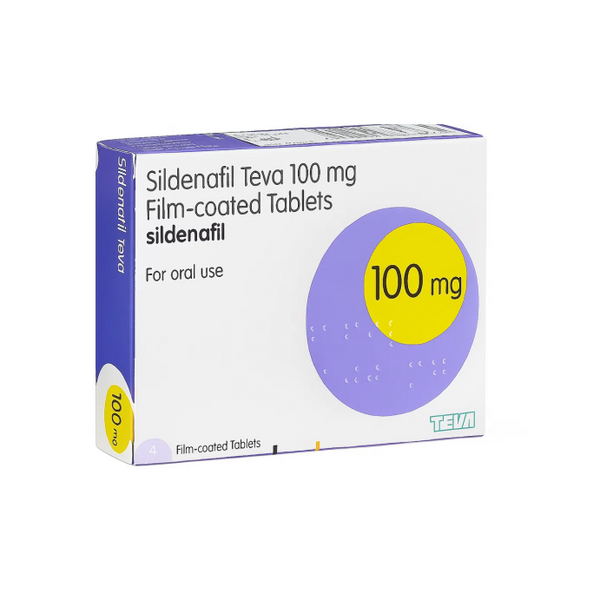
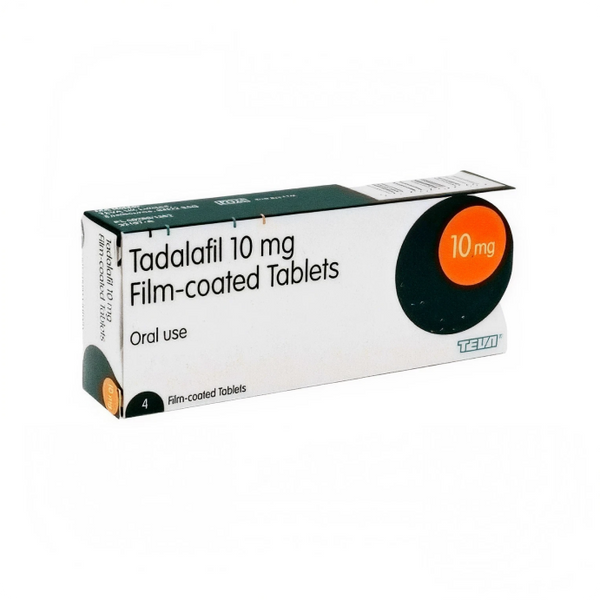
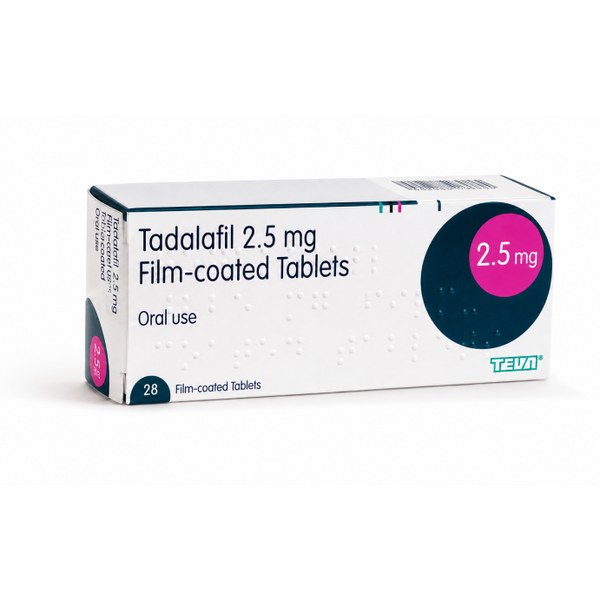
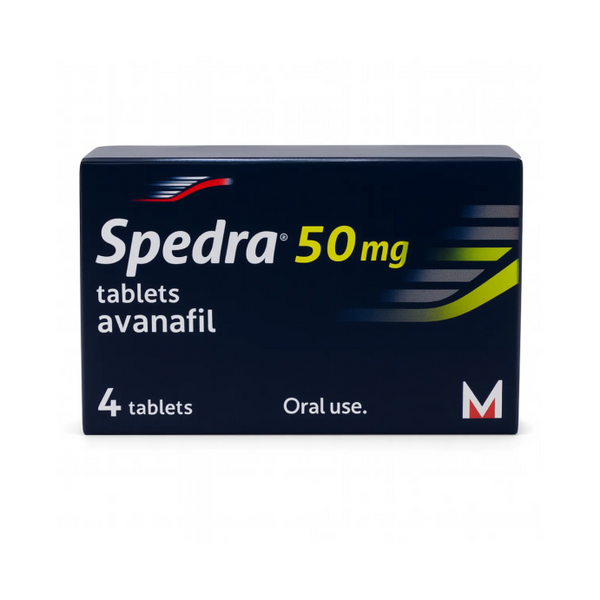
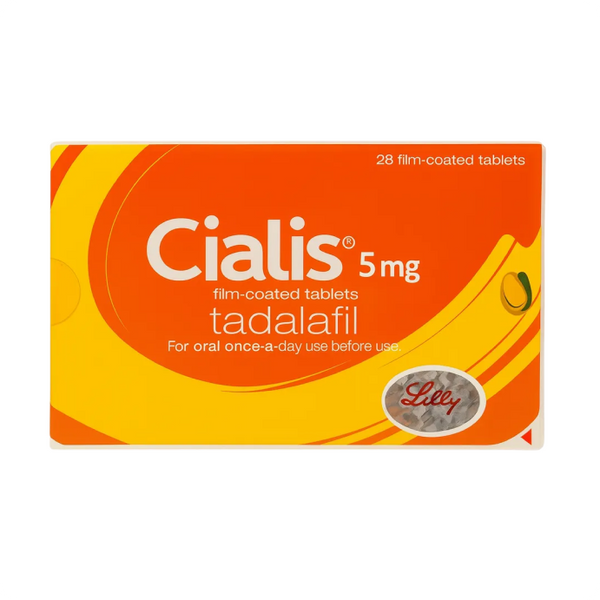
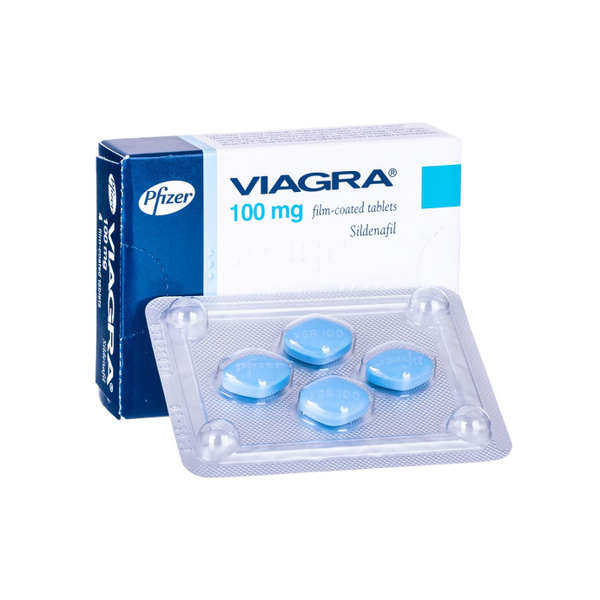
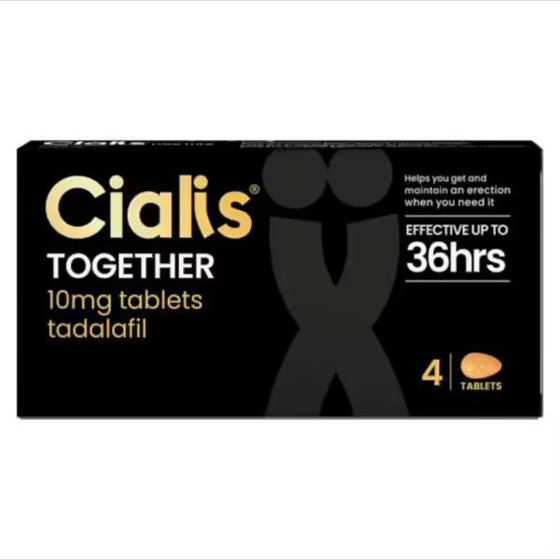
| PDE5 inhibitor tablets | First-line medicines for ED that improve erectile function in many men |
| Vacuum erection devices with a constriction ring | Can help produce and maintain an erection mechanically |
| Addressing anxiety directly | Can help when psychological or performance-related factors contribute |
Treatment suitability depends on an individual clinical assessment. These are prescription medications used in erectile dysfunction treatment, and the right end treatment depends on identifying the actual underlying mechanism, not simply picking the first option on a list.
A Single Occasion vs a Recurring Pattern
A single occasion of this happening means very little on its own, tiredness, distraction, a stressful day, or alcohol consumption can all cause a one-off instance, especially with excessive alcohol consumption, entirely unrelated to any underlying issue. Heavy drinking is typically defined as 15 or more standard drinks per week, and alcohol related ed can become more likely over time. What is actually worth paying attention to, and worth mentioning if you seek an assessment, is a genuine, recurring pattern over multiple occasions, this is what distinguishes something worth investigating from a normal, one-off experience that happens to nearly everyone at some point.
It is also worth being aware of a specific trap this particular pattern can create: a single occasion, on its own harmless, can generate enough worry about it happening again that the anxiety itself becomes the dominant factor in a second occurrence, even if the first was caused by something entirely unrelated, like tiredness or alcohol. Recognising this early, and not reading too much into one occasion, is itself a genuinely useful way to avoid this specific cycle taking hold. Lifestyle factors such as diet, sleep, and alcohol intake can all influence erectile health. In some cases, recreational drugs or alcohol dependence can affect erectile function by contributing to nerve damage and disrupting normal signalling. Substance use can also affect erectile function and nerve signals. Alcohol dependence affects 62% of men with erectile dysfunction.
What to Track If You are Trying to Understand Your Own Pattern
- Roughly when the loss occurs, gradually as activity continues, right at a specific transition, or shortly after starting.
- Whether it happens consistently regardless of your mental state, or seems tied to specific situations or stress.
- Whether morning or otherwise unprompted erections are firm and well-sustained, a useful sign the underlying mechanism is generally intact and you may still be able to maintain an erection in other contexts.
- Whether the pattern has been consistent over several occasions, or was a one-off you are now potentially overanalysing.
None of this is meant to replace a proper assessment, but arriving with these specific observations genuinely helps a healthcare professional understand your situation more efficiently than a general description alone, especially if persistent erection problems or recurring erectile dysfunction need clinical assessment.
Red Flags Worth Knowing
- A sudden, unexplained and persistent change in erectile function, particularly if it is significantly different from your usual experience
- Chest pain, breathlessness or other symptoms of a possible medical emergency
- Painful erections or other changes in the penis that are unusual for you
- Persistent or recurrent erection difficulties despite trying appropriate measures
Medical Disclaimer
This article is for general information only and is not a substitute for personalised medical advice, diagnosis or treatment. Losing an erection can have several possible causes, including psychological factors, medicines, alcohol use, cardiovascular or other physical health conditions. The pattern of erection loss alone cannot establish a specific diagnosis such as a venous leak. If the problem is persistent or recurrent, speak with a qualified healthcare professional for an appropriate assessment. Do not start, stop or change prescription medicines without medical advice.
If you experience chest pain, severe breathlessness or other symptoms of a medical emergency, seek urgent medical attention. A painful erection lasting 4 hours or more also requires urgent medical assessment.
Frequently Asked Questions
Q: Why do I lose my erection partway through activity?
Q: Is losing an erection partway through different from not being able to get one at all?
Q: What is a venous leak?
Q: Can pelvic floor exercises help with this specific pattern?
Q: Is losing an erection due to anxiety different from a physical cause?
Q: Does this happen to young men too?
Q: Should I worry about this happening once?
Q: Does the exact timing of when it happens matter?
Q: Can PDE5 inhibitor tablets help with this pattern?
Q: When should I see a doctor about this?
Q: What is the difference between erection loss at the point of transition and loss shortly after starting?
Q: Does position affect this pattern?
Q: Can this pattern happen even if I do not feel anxious at all?
Spedra vs Cialis: Speed vs Duration Compared
No Erection at All: What It Means and When to Worry
Related Posts


Cheap Tadalafil UK: How to Compare Prices Safely