How Long Does Sildenafil Take to Work? Typical Timing and What Delays It
- Two separate onset figures explained, including the measured median that most pages never quote
- What changes the timing in older men, quantified rather than hinted at
- A clear answer on chewing tablets, and on whether the second dose works faster than the first
- Online consultation with UK registered prescribers, dispensed by a GPhC registered pharmacy, registration number 9012878
Sildenafil is usually taken about one hour before sexual activity.How quickly it starts to work varies from person to person. That is the figure UK product information gives, and it is the one to plan around.
There is a second and more precise figure that almost nobody quotes. In one controlled study of 50mg sildenafil in fasted men, measurable erectile effects were seen earlier, with a median onset of around 25 minutes. That study used objective measurement rather than self report, which is why the numbers are tighter and earlier than the general statement.
Both figures are correct. They answer slightly different questions, and this page explains which one applies to you, what pushes the timing later, and at what point waiting stops being sensible. Treatment suitability depends on an individual clinical assessment.
Key things to know
- Product information states sildenafil normally takes 30 to 60 minutes to work.
- A measured study in fasted patients found a median onset of 25 minutes, range 12 to 37 minutes, at 50mg.
- Peak concentration in the blood is reached between 30 and 120 minutes, with a median around 60 minutes.
- Food can delay sildenafil absorption, particularly after a high-fat meal, so it may take longer to start working.
- In healthy volunteers aged 65 and over, sildenafil levels were higher because the drug was cleared more slowly. Age alone does not mean that the dose needs to be adjusted.
- The tablet is swallowed whole. Chewing sildenafil does not have a proven speed advantage. The tablet should be swallowed as directed rather than chewed or crushed.
- Physical stimulation is required. Without it, nothing happens at any point on the clock.
- Drinking a lot of alcohol can make it harder to get an erection, which may make sildenafil seem less effective.
- Taking sildenafil with fatty foods or fatty meats can delay absorption and delay the time it takes to reach peak concentration.
- Sildenafil is an erectile dysfunction medicine that works by relaxing blood vessels and increasing blood flow to the penis, which helps achieve an erection when the user is aroused.
- Sildenafil remains effective for about 4 to 6 hours, but the effects can linger as long as it remains in the bloodstream.
- Taking too much sildenafil can cause a potentially dangerous drop in blood pressure and other serious side effects.
- Sildenafil is also used to treat pulmonary arterial hypertension and is sometimes used off-label for other conditions such as obsessive compulsive disorder, under medical supervision.
- Some medications, including nitrates used to treat angina and high blood pressure, should not be taken with sildenafil due to risk of severe interactions.
- Missing a dose of sildenafil prescribed for pulmonary arterial hypertension should be handled carefully to avoid complications.
- St John’s Wort and other supplements can interact with sildenafil and affect its efficacy.
- Kidney problems and overall health can influence how sildenafil is processed in the body.
- The effects of sildenafil can vary depending on individual factors such as body weight, age, and other health conditions.
- Vision loss and painful erection are serious side effects requiring immediate medical attention.
- ED medications vary in onset and duration. Sildenafil typically works within 30 to 60 minutes, while other ED medications may have different profiles.
- Sildenafil should be taken as prescribed to maintain a satisfactory erection and avoid adverse effects.
How long does sildenafil take to work?
Many people notice an effect within about an hour, but the timing varies. That is what UK product information states, and it accounts for the fact that people differ considerably.
Anyone asking how long for sildenafil to work, sildenafil how long to work, or how long does it take for sildenafil to work is looking for that window. It is the number to build a plan around, because it is deliberately conservative.
The two figures, and why they differ
The general statement and the measured study disagree, and the disagreement is instructive rather than confusing.
| Source of the figure | What it says | What it measured |
|---|---|---|
| Product information | Normally 30 to 60 minutes | A general statement covering typical use |
| Measured study, 50mg, fasted | Median 25 minutes, range 12 to 37 | Objective measurement of rigidity in fasted patients |
The study figure is earlier and tighter because its conditions were controlled. Participants were fasted, the strength was fixed at 50mg, and the endpoint was measured rather than reported.
The product information figure is later and wider because it has to describe real life, where people have eaten, taken different strengths, had a drink, and are judging by feel rather than by instrument.
The study shows that sildenafil can start having an effect earlier under controlled conditions. In everyday use, allowing about an hour gives you a more practical timeframe
Sildenafil working time average
Blood levels generally reach their highest point at around one hour, although this is not the same thing as the time when an erection first becomes possible.
Averages hide the spread, which is wide. Sildenafil's absorption varies between people, which is one reason the timing and strength of the response can differ.
Onset, peak and the window are three different things
These get used interchangeably and they should not be.
- Onset is when sildenafil starts having an effect. Peak concentration is when blood levels are highest. These are not the same thing.
- Peak is when the amount in the blood is highest. Between 30 and 120 minutes, median around 60.
- The window is how far in advance you may take it. Product information states up to 4 hours beforehand.
A tablet can be working at 35 minutes and still climbing towards peak at 90. Judging it at the onset figure is judging the earliest point, not the strongest one.
How long should I wait for sildenafil to work?
Give sildenafil about an hour to work before deciding that it has not helped. A meal, particularly a high-fat one, can make the onset slower.
That is the practical answer to how long should I wait for sildenafil to work. It is not padding. At 30 minutes you are at the earliest edge of the documented onset range. At 60 minutes you are at the median time to peak. Those are two very different moments to be making a judgement.
Sildenafil nothing happened after an hour
Searches phrased as sildenafil nothing happened after an hour are among the most common in this whole subject. If nothing has happened after an hour, the most likely explanations are conditions rather than the medicine.
- You had eaten. A meal can delay absorption, particularly if it is high in fat, so an hour after eating may be too soon to judge the effect.
- There was no stimulation. Sildenafil supports a response the body has to start. Without physical stimulation there is nothing for it to sustain, at any point on the clock.
- Alcohol was involved. Excessive alcohol can temporarily reduce your ability to get an erection, independently of the medicine.
- You are at the slower end of normal absorption. People absorb sildenafil differently, so some may notice an effect sooner or later than others.
- Clinical trial results were better across repeated attempts than after a single dose, so one unsuccessful attempt does not necessarily tell you how sildenafil will work for you.
What not to do is take a second tablet. Product information states you should not take more than one tablet a day. A second tablet raises the chance of headache, flushing and visual effects without addressing any of the five explanations above.
There is a sixth possibility that deserves naming separately, because it is the hardest to see from the inside. Watching the clock and checking for an effect is itself a barrier. The pathway sildenafil supports has to be started by nerve signals, and close attention to whether it is starting tends to suppress exactly those signals. The 25 per cent placebo response recorded in trial data is the clearest evidence that context matters here, and it cuts both ways.
Sildenafil kick in time first dose: is it different?
Sildenafil kick in time first dose queries assume the opening tablet behaves differently from later ones. It does not.There is no established reason for a correctly taken first dose to be absorbed faster or slower simply because it is your first dose. What differs is the chance that the occasion goes well, and that difference is large.
Trial data at 50mg reported improvement in 40.8 per cent after a single dose, against 14.6 per cent on placebo. Across repeated attempts, up to eight doses, the same measure rose to 78.4 per cent against 46.7 per cent.
Does sildenafil work faster the second time?
Not necessarily faster. Clinical trials suggest that the chance of a successful response can improve over repeated attempts, but that does not mean the drug is being absorbed more quickly.
Absorption, onset and peak do not change between the first tablet and later ones. The medicine does not accumulate, does not prime anything and does not become more efficiently absorbed with practice. There is no pharmacological reason for a second tablet to act more quickly than a first.
What does change is the probability of a good outcome, roughly doubling from the single dose figure to the repeated attempts figure. Some of that is likely to be people getting the conditions right on later attempts, and some of it is likely to be reduced anxiety once the first occasion has happened. The 25 per cent placebo response in the same trial data is a reminder of how much this pathway responds to expectation.
So if the second occasion felt faster, it probably was not. It was more likely to have worked at all, which is easy to experience as speed.
Important considerations about dosage and timing
It is important to take sildenafil exactly as prescribed to treat erectile dysfunction effectively and safely. Higher doses, such as 100mg, may increase the risk of side effects including low blood pressure and heart-related issues like heart attack, so dosage adjustments should only be made by a healthcare professional.
Taking sildenafil just one tablet per day is recommended. Missing a dose when prescribed regularly should be managed carefully. Do not double up the next dose to compensate, as this can lead to adverse effects.
Avoid taking sildenafil with amyl nitrate or other nitrates, as this combination can cause a dangerous drop in blood pressure. Many medications can interact with sildenafil, so always inform your prescriber about all treatments you are taking.
Maintaining an erection and the role of stimulation
Sildenafil helps increase blood flow to the penis, but it requires physical stimulation to work effectively. Without this stimulation, the medicine will not produce an erection.
Being aroused triggers the release of chemicals that sildenafil enhances by relaxing blood vessels. This process helps to maintain an erection during intimate activity but does not cause spontaneous erections.
If you find that sildenafil is not effective after multiple attempts despite proper use and stimulation, consider discussing alternative treatment options with your healthcare provider.
Sildenafil delayed onset causes: what slows sildenafil down
Several factors can make sildenafil seem slower to work, particularly food, alcohol, individual differences and how the medicine is taken.
| What slows it | Documented effect |
|---|---|
| A meal | Absorption delayed by roughly 60 minutes |
| A high fat meal | The greatest delay of any food effect |
| Individual absorption | Bioavailability ranges from 25 to 63 per cent between people |
| Grapefruit or grapefruit juice | Not a delay but a specific instruction. Must be avoided, because it affects how the medicine works |
Alcohol belongs in a separate category. It does not slow absorption. It works against the response the medicine supports, which produces the same outward result for a different reason.
Why is sildenafil taking so long to work?
If sildenafil seems slow to work, think about whether you had eaten, how much alcohol you had, when you took it and whether there was sexual stimulation.
Age is a factor too, though not in the direction most people assume, and that is covered in its own section below.
One further point applies specifically to a tablet that has always been slow rather than one that has become slow. If sildenafil has never worked inside the documented window for you, the question is less about what slows sildenafil down and more about whether the conditions have ever genuinely been right. Trying it under consistent conditions can make it easier to tell whether timing or other factors are affecting the response.
Sildenafil taking longer than usual to work
A change from your own baseline is more informative than a comparison with anyone else's, and it is worth treating as a data point rather than a disappointment.
Ask what changed. A new medicine is the most important possibility, because several change how much sildenafil circulates. Others include a heavier or later evening meal than usual, more alcohol than usual, a change in health, or simply more time pressure and more attention on the outcome than before.
If nothing changed and the timing has genuinely shifted across several occasions, that is worth raising at a review rather than absorbing.

How long does sildenafil take to work for older men?
Older age alone is not associated with a need for slower dosing. In older healthy volunteers, sildenafil levels were actually higher because clearance was slower.
Healthy elderly volunteers aged 65 years or over had a reduced clearance of sildenafil, resulting in approximately 90 per cent higher plasma concentrations than younger volunteers. Despite that, dosage adjustments are not required for elderly patients on the basis of age alone.
It is important to note that while older men may have higher circulating levels of sildenafil from the same amount taken, they should be cautious if they have heart disease or are taking nitrates, as these conditions and medications can affect how sildenafil works and its safety profile.
What that actually means in practice
Higher plasma concentrations mean more circulating medicine from the same tablet, not a longer wait for it to arrive. Onset is not documented as slower with age.
There is a practical consequence worth knowing. Higher concentrations can mean side effects such as headache and flushing are more noticeable, which is a reason to report them rather than a reason to expect a delay.
Where older men do genuinely experience slower or weaker responses, the usual explanation is not age itself but what tends to accompany it: more medicines, more cardiovascular history and more of the conditions that affect the vascular response the medicine works on. Those are prescriber conversations. Your prescriber will determine the appropriate treatment.
Does sildenafil work quicker if chewed?
No. Chewing a sildenafil tablet does not make it act faster, and it is not how the medicine is meant to be taken.
The tablet is film coated, and the coating exists to protect the contents, mask the taste and allow the tablet to be handled and identified. Chewing destroys that coating. It does not accelerate absorption in any documented way, and the film coat is not what is holding the medicine back.
Chewing does not bypass the factors that affect sildenafil absorption, so there is no established reason to expect it to work faster.
The same applies to splitting or crushing. Do not split or crush sildenafil tablets unless the specific product instructions or a healthcare professional say that it is appropriate.
Sildenafil onset compared with other treatments in the same class
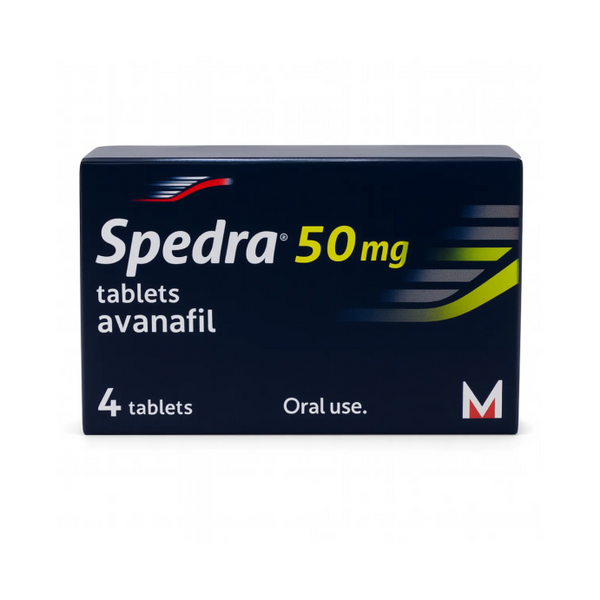
Sildenafil, tadalafil, vardenafil and avanafil are all PDE5 inhibitors working through the same pathway. All four medicines are PDE5 inhibitors, but they differ in how quickly they may start, how long their effects last and how they are dosed.
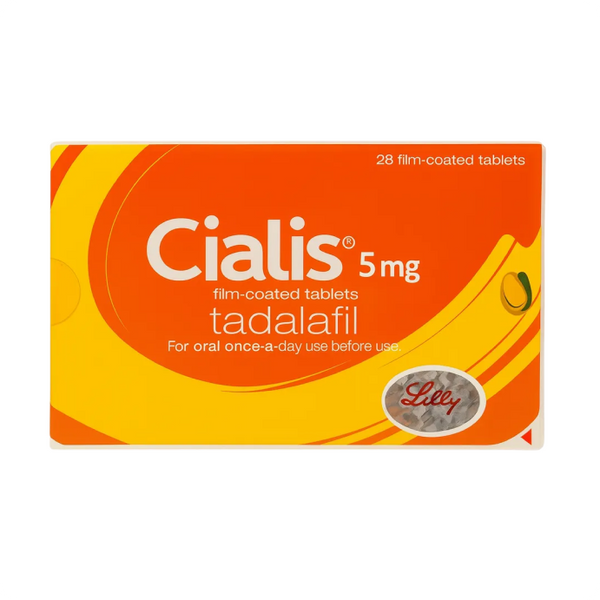
Sildenafil onset compared to tadalafil
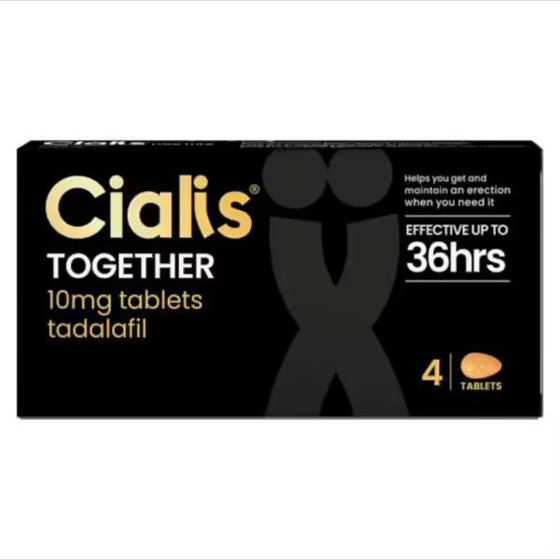
Sildenafil is generally taken about an hour before sexual activity. Tadalafil lasts considerably longer, which allows it to be used in a licensed once-daily ED regimen. Tadalafil's defining characteristic within the class is a considerably longer duration, which is why it is also available in a licensed once daily form and sildenafil is not.
An honest caveat belongs here. The regulatory documentation reviewed for this page covers sildenafil and does not contain head to head onset comparisons with other PDE5 inhibitors. Anyone quoting a precise side by side onset figure is drawing on sources beyond it. What can be said with confidence is that the two medicines differ meaningfully in duration and in dosing pattern, and that those differences matter more to most people than a few minutes at the start.
The comparison the keyword list implies
Some searches compare sildenafil with a specific branded pharmacy medicine. The useful version of that comparison is about supply route rather than speed. One 50mg sildenafil product has been reclassified so a pharmacist can supply it after a discussion, while everything else requires a prescription. The active ingredient and the onset figures are the same medicine either way. The difference is how you obtain it, not how fast it works.
How to tell if sildenafil is working
A useful sign is whether erections are easier to achieve or maintain than they are without treatment, provided there is sexual stimulation.
That sounds obvious and it is worth spelling out, because a surprising number of people judge the medicine in circumstances where no medicine could have demonstrated anything.
Signs the medicine is doing something
- A response that is easier to achieve than it has been
- A response that is easier to maintain during activity
- Side effects can occur when sildenafil is absorbed, but having side effects does not prove that the medicine will work well for you.
- Feeling more responsive when aroused, reflecting how sildenafil works by enhancing blood flow
- Noticing the effect of different dosages, as lower doses may have a milder impact but still provide benefit
That last one is worth dwelling on. Side effects are not proof of effectiveness, but they are proof of absorption. If you are flushing for 40 minutes, the medicine has reached your bloodstream, and whatever else is going on, an absorption problem is not it.
Signs you are judging it too early
- Less than about an hour has passed
- You ate within the last hour or two, particularly something fatty
- You are checking rather than experiencing
The one thing that is not a sign
Sildenafil does not cause an erection without sexual stimulation, so simply taking the tablet and waiting for a spontaneous erection is not a useful way to judge whether it has worked.
Safety essentials
Do not take sildenafil more than once a day or take an extra dose because the first one seemed ineffective.
Sildenafil must not be taken with nitrate medicines or riociguat. Ritonavir can greatly increase sildenafil levels, so the combination is not recommended and requires specific medical advice. Tell your prescriber about every other medicine you take, including anything bought over the counter, and about any heart condition.
Headache is very common with sildenafil. Other commonly reported effects include flushing, nasal congestion, dizziness, nausea, indigestion and visual disturbances.
Seek urgent medical attention for chest pain, for a sudden decrease or loss of vision in one or both eyes, for a sudden decrease or loss of hearing, for signs of an allergic reaction, or for an erection that is painful or lasts more than four hours.
This medicine should only be used under the supervision of an appropriately qualified prescriber. Results vary between individuals.
Medical Disclaimer
This page is for general information only and does not constitute medical advice. It does not replace a consultation with a qualified healthcare professional and should not be used to diagnose or treat any condition. Sildenafil is a prescription only medicine. This medicine should only be used under the supervision of an appropriately qualified prescriber. Treatment suitability depends on an individual clinical assessment. Your prescriber will determine the appropriate treatment. Results vary between individuals. Timing figures are taken from UK product information and from studies described within it, and they describe typical ranges rather than guaranteed outcomes. Trial figures describe group results and do not predict any individual outcome. Where this page states that a subject is not covered by the documentation reviewed, that describes the sources checked when the page was written. Always read the patient information leaflet supplied with your medicine before use, and follow the instructions your prescriber has given you rather than any general guidance on this page. Speak to your prescriber or pharmacist if you have questions about your treatment, other medicines you take, or any symptom that concerns you. Seek urgent medical attention if you experience signs of an allergic reaction, chest pain, a sudden decrease or loss of vision or hearing, or an erection that is painful or lasts more than four hours.
Frequently Asked Questions
How long does sildenafil take to kick in?
How long should I wait before deciding it has not worked?
Why is my sildenafil taking longer than usual?
Does the second dose work faster than the first?
Does chewing sildenafil make it work faster?
Does sildenafil take longer to work for older men?
Nothing happened after an hour. What now?
What is the average time for sildenafil to work?
How does sildenafil compare with tadalafil for onset?
How do I know it is working?
Sildenafil Every Day: What the Licence Actually Allows
Sildenafil Duration: How Long One Tablet Stays Useful
Related Posts


Viagra Pharmacy UK: How Sildenafil Supply Works

Do You Need a Prescription for Viagra in the UK?

Can You Buy Viagra Over the Counter in the UK?


Viagra Price UK: Understanding Sildenafil Costs