Erectile Dysfunction CKS: What Official UK Clinical Guidance Says
- Explains what CKS actually is, and why it is a genuinely authoritative source, not just cited by name
- Maps official assessment and classification approaches, not just symptoms and treatment
- Distinguishes official guidance from general online information clearly
- Online consultation with UK-registered prescribers
UK clinicians assessing erectile dysfunction generally work from guidance summarised by NICE's Clinical Knowledge Summaries (CKS), a resource built specifically to give primary care professionals quick, evidence-based reference material.
Understanding what this guidance actually covers, how it defines and approaches erectile dysfunction, when it recommends further assessment, and what treatment approaches it recognises gives you a genuinely more reliable picture than general online information.
This guide sets out that official approach clearly, and explains why it is worth distinguishing from less rigorously sourced content you might come across elsewhere.
Key things to know
- CKS is a genuine NICE resource, built to summarise evidence-based guidance for primary care clinicians.
- Official guidance recognises several possible causes and contributing factors in erectile dysfunction, rather than treating it as one uniform condition.
- Official guidance identifies circumstances where further or prompt assessment may be appropriate, rather than relying only on general "see a doctor" advice.
- Official guidance recognises several treatment approaches, not just one single option.
- General online information does not always reflect this level of sourcing, so it is worth knowing the difference.
What Is the CKS, and Why It Matters Here
CKS stands for Clinical Knowledge Summaries, a NICE resource providing UK primary care clinicians with summarised, evidence-based guidance on common conditions, including erectile dysfunction. It is built specifically to give GPs and other prescribers quick, reliable reference material grounded in the underlying evidence base, rather than being general public health information written primarily for patients.
This matters because it is a genuinely different type of source to a general health article or forum discussion. It is a clinical reference resource designed to support clinicians when assessing and managing conditions such as erectile dysfunction, which is exactly why understanding its approach gives you a more accurate picture of what a proper assessment can involve.
It is worth understanding what CKS is not, as well as what it is. It is not a patient-facing self-diagnosis tool, and it is not designed to replace an individual clinical assessment, it is a reference resource that supports the clinician making that assessment, drawing together the relevant evidence so decisions are made consistently and on a sound basis. Reading about the general approach it recommends is genuinely informative, but it does not substitute for the individualised judgement a prescriber applies to your specific situation.

How Official Guidance Defines Erectile Dysfunction
Erectile dysfunction is described in UK clinical guidance as the persistent inability to achieve or maintain an erection sufficient for satisfactory activity, and it is also commonly called impotence.
The word "persistent" matters here, because an ongoing, recurring pattern is different from an isolated, one-off occasion, which is common and not usually a reason for worry by itself. This definition is deliberately broad because erectile dysfunction is a symptom rather than a standalone disease, and it can reflect physical, hormonal, psychological, or medication-related causes. As with the wider resource, access and availability details are framed for UK use, including England.
How Official Guidance Approaches Assessment
A proper assessment, following official guidance, treats erectile dysfunction, sometimes called impotence, as a symptom rather than a standalone disease, and considers medical history, current medications, cardiovascular risk factors, the specific pattern of symptoms, and whether erections occur in some contexts but not others, including one-off occasions that do not automatically point to a persistent problem.
To assess possible causes, checks may be carried out where clinically relevant, including blood tests for hormone levels, blood sugar and cholesterol, together with blood pressure measurement.
This structured approach exists precisely because erectile dysfunction has several genuinely distinct possible causes, and official guidance treats identifying the actual underlying cause as the priority, rather than moving straight to a treatment without this step.
This structured approach also reflects something worth understanding about erectile dysfunction generally: it is frequently linked to broader health, particularly cardiovascular health, rather than being an entirely isolated symptom. This is exactly why official guidance places such emphasis on a proper history and, where relevant, risk-factor review, rather than treating the presenting symptom in isolation from the rest of your health picture, because it can reflect underlying physical, psychological, or medication-related problems.
Recognised Causes and Contributing Factors
| Category | What it involves |
|---|---|
| Vascular | Reduced blood flow, often linked to broader cardiovascular health, a detailed medical history should assess factors affecting erectile function, and ED can warrant cardiovascular risk assessment, including blood pressure where relevant. |
| Hormonal | Low testosterone or another hormonal disorder, testosterone levels may be checked when hypogonadism is suspected, alongside other clinically indicated investigations |
| Neurogenic | Disrupted nerve signalling, from a nerve-affecting condition or injury |
| Psychogenic | Stress, anxiety, or low mood, with the underlying physical mechanism otherwise intact |
| Medication-related | A recognised side effect of certain prescribed medications, and some drugs can also interact dangerously with ED treatment |
| Mixed | A combination of the above, genuinely common, particularly with age |
Investigations should be guided by the history and physical examination findings, with clinical examination carried out where indicated, including examination of the penis only when relevant findings need clarification.
Official guidance recognises that many cases involve more than one contributing factor together, rather than assuming a single, isolated cause applies. Assessment should take a holistic approach that covers both medical and psychosocial factors. If hypogonadism is suspected, a fasting morning testosterone measurement is indicated.
ED can also be an early indicator of underlying cardiovascular disease, so abnormal or concerning findings may prompt referral or further assessment.
What Official Guidance Says About Treatment Options and Counselling
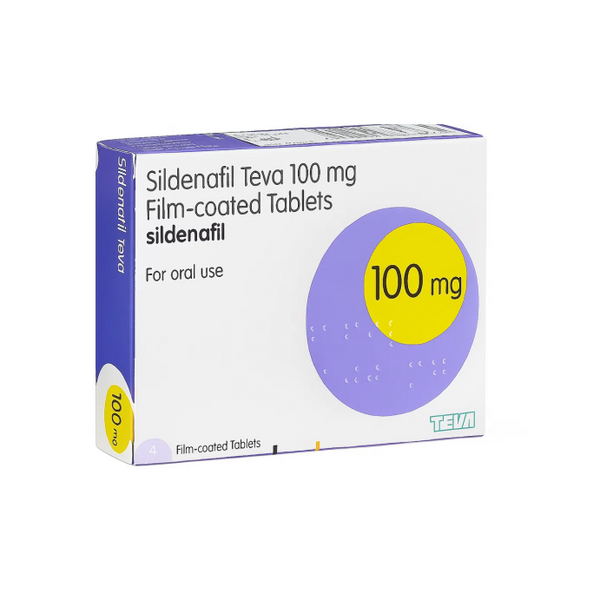
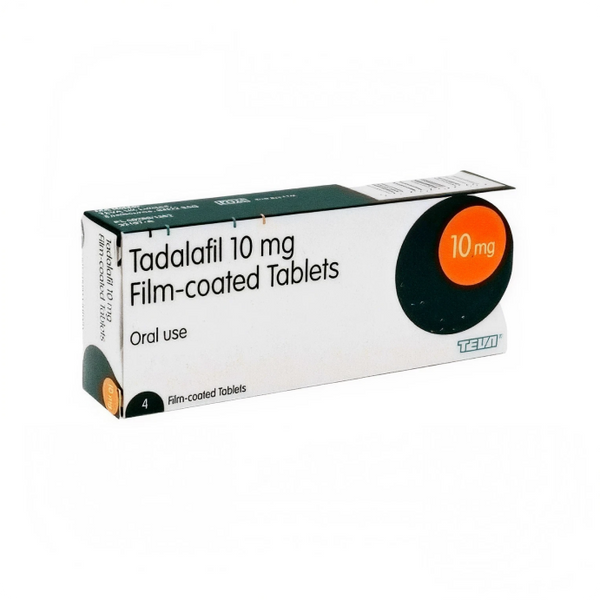
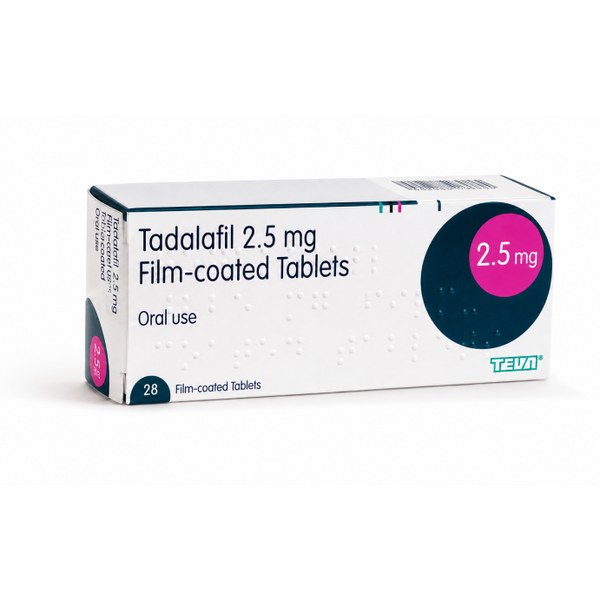
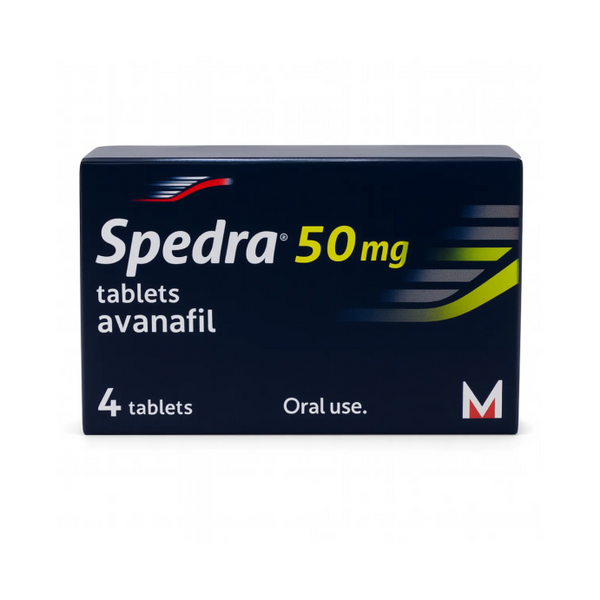
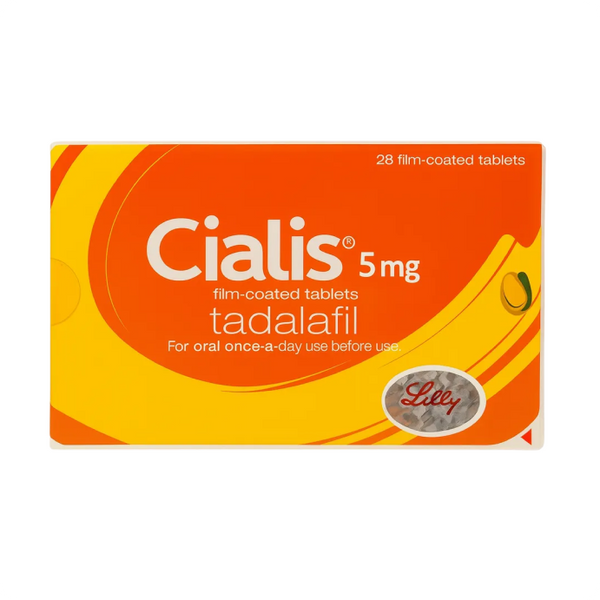
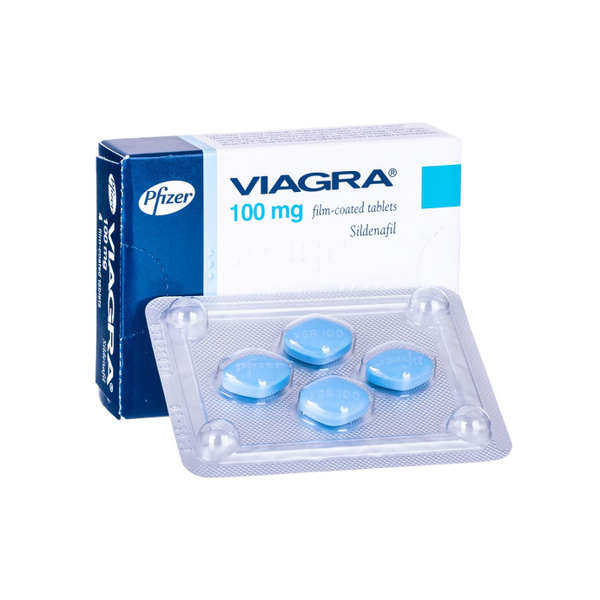
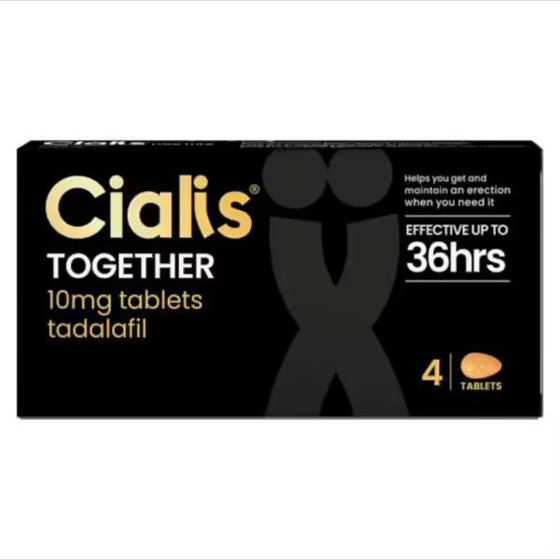
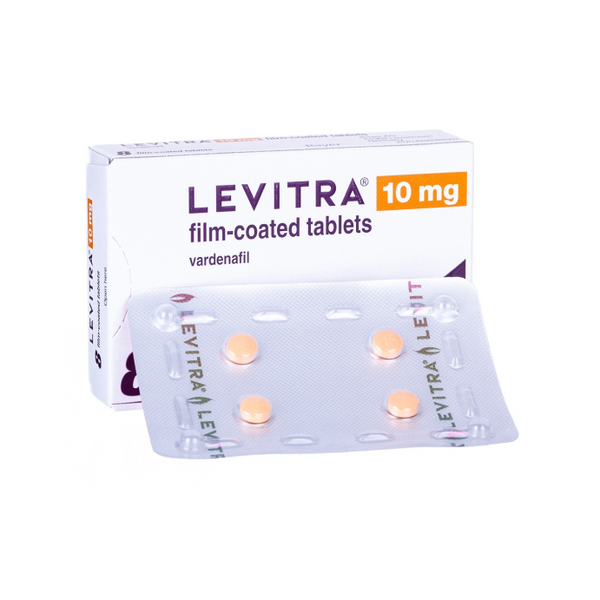
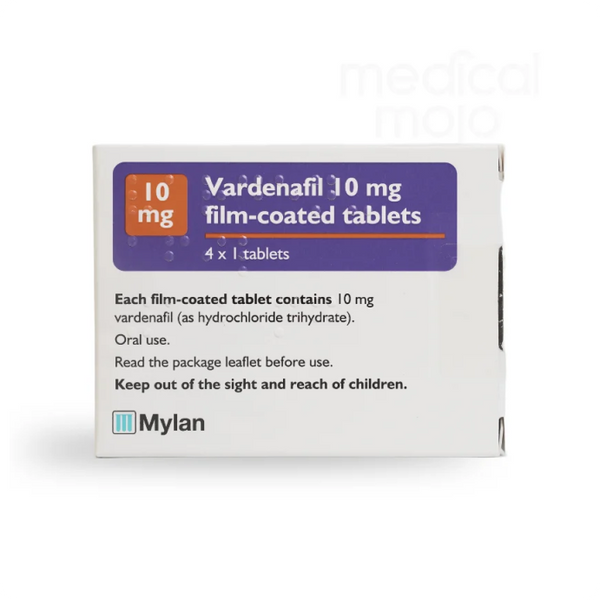
Recognised treatment approaches include PDE5 inhibitor tablets such as sildenafil and tadalafil, a vacuum pump, and alprostadil (available as an injection, a small pellet, or a topical cream), alongside addressing any specific underlying cause identified, such as a hormonal imbalance or a contributing medication. Erectile dysfunction can also relate to narrowed blood vessels, including in men with diabetes, psychological factors such as stress, or certain medicines and drugs as a side effect.
Official guidance does not position one of these as universally superior, and what is suitable depends on the individual's specific circumstances, medical history, and the underlying cause identified during assessment. PDE5 inhibitors should not be used with nitrates, including medicines used to treat angina, and they require stimulation to work.
This is worth being clear about, since general online content sometimes presents one option as simply "the best" without this individualised context, official guidance is deliberately more cautious and personalised than that. When an underlying cause is identified and treated, symptoms may resolve without relying on a single long-term option.
It is also worth understanding why official guidance takes this individualised approach rather than recommending a single default option.
Treatment response varies between individuals, and some people respond well to first-line tablets while others may need a device or alprostadil instead. The appropriate choice depends on factors such as the underlying cause, other medical conditions, and personal preference regarding how a treatment is used.
When Erectile Dysfunction Needs Further Assessment
- A sudden onset, particularly where someone is unable to get an erection in any circumstance, without an obvious physical or psychological trigger.
- Symptoms occurring alongside chest pain, breathlessness, or other cardiovascular symptoms, warranting prompt assessment.
- Signs suggestive of a hormonal cause, such as persistent low energy or reduced body hair alongside the erectile symptoms.
- Any pain associated with erections, or a noticeable change in the structure or appearance of the tissue involved.
- Erectile dysfunction occurring in a younger man without an obvious cause, which should still be properly assessed rather than dismissed because of age.
How Common Is Erectile Dysfunction According to Official Guidance?
Official guidance recognises erectile dysfunction as a genuinely common condition, not a rare or unusual one, and this context matters for understanding why a structured, well-evidenced approach exists in the first place. Population research cited in this area suggests around half of men aged 40 to 70 report some degree of erectile dysfunction, so it is especially common in older men, with prevalence rising with age. This scale is part of why a resource like CKS exists specifically for this condition, because most men who experience symptoms may still need assessment to clarify the cause and choose appropriate treatment.
It is also worth knowing that official guidance acknowledges this condition is likely under-reported, since many men delay seeking assessment for a considerable time after symptoms begin. This is explicitly recognised as a reason proactive, non-judgemental clinical approaches matter, rather than only responding once someone specifically raises the topic themselves. If someone cannot achieve an erection in any circumstances, that may point more strongly to a physical cause and should be assessed.
Lifestyle Factors Recognised in Official Guidance
Official guidance recognises several modifiable lifestyle factors as genuinely relevant, lifestyle changes such as cardiovascular fitness, weight management, alcohol intake, smoking status, sleep quality, and regular exercise all feature as factors worth addressing alongside, not instead of, a proper clinical assessment. This is not presented as a substitute for identifying and treating an underlying cause, but as a genuine, evidence-recognised part of the overall approach.
This lifestyle dimension is presented alongside, not as a replacement for, clinical assessment and treatment, and official guidance is clear that these measures support rather than substitute for identifying and properly addressing an underlying cause. Erectile dysfunction affects about 50% of men aged 40 to 70 and is particularly common in older men, yet most men still do not seek help immediately after symptoms begin. Someone with a significant vascular or hormonal cause, for example, genuinely benefits from lifestyle improvements, but this does not replace the value of a proper assessment and, where appropriate, direct treatment of that underlying cause. Patients are also advised not to stop or change prescribed treatment without speaking to a GP or specialist, and it can help to discuss emotional concerns early with a healthcare professional and, where relevant, a partner.
Why This Differs From General Online Information
A great deal of general online content about erectile dysfunction is not sourced from official clinical guidance at all, and many websites are designed to sell a specific product rather than explain when lifestyle changes, formal assessment, or treatment are appropriate. Content genuinely grounded in official guidance, like the approach described on this page, reflects a structured, evidence-based process, proper classification of the likely cause, recognised red flags, and a defined range of treatment approaches. It also recognises that ED shares common risk factors with cardiovascular disease, including smoking, obesity, and diabetes, so managing cardiovascular risk factors is an important part of care.
This distinction is genuinely worth checking whenever you are researching this topic, whether a source describes the structured, cause-based approach recognised by official guidance or a simplified, generic version that skips this step entirely. If needed, assessment may also involve a GP or specialist clinic rather than relying on unsafe online sellers alone.
A few practical signs can help distinguish the two. Content genuinely reflecting official guidance tends to acknowledge multiple possible causes rather than assuming one, avoids presenting any single treatment as universally best, includes genuine red flags rather than a vague "see a doctor if worried", and does not make guarantees about outcomes, since official guidance itself is explicit that results vary between individuals.
People with ED should be offered appropriate advice on risk-factor reduction and encouraged to discuss alcohol intake, smoking, inactivity, and weight openly during assessment or treatment.
Management may also include regular exercise, weight loss where relevant, smoking cessation, and limiting alcohol intake in line with UK alcohol guidance, while reducing stress and anxiety can also improve symptoms.
Men with diabetes should be assessed for erectile dysfunction because it is common in that group.
Content missing all of these, particularly a source claiming one product works for everyone or guarantees a specific result, is worth treating with more caution.
Medical Disclaimer
This page provides general information about how official UK clinical guidance approaches erectile dysfunction. It is not a substitute for personalised medical advice. Treatment suitability depends on an individual clinical assessment. Your prescriber will determine the appropriate treatment for you. Results vary between individuals. If you experience chest pain or breathlessness, seek urgent medical attention.
Frequently Asked Questions
Q: What is CKS for erectile dysfunction?
Q: Is CKS the same as NHS guidance?
Q: How does official guidance define erectile dysfunction?
Q: What causes of erectile dysfunction does official guidance recognise?
Q: What treatments, including vacuum pumps, does official guidance recognise?
Q: What symptoms or situations mean erectile dysfunction should be assessed?
Q: Does official guidance recognise lifestyle factors?
Q: Why does official guidance matter compared with general online content?
Q: Is erectile dysfunction always physical according to official guidance?
Q: Should younger men seek assessment for erectile dysfunction?
Q: How common does official guidance consider erectile dysfunction to be?
Q: How can I tell if online information about erectile dysfunction reflects official guidance?
No Erection at All: What It Means and When to Worry
Alternatives to ED Medication: What Genuinely Works
Related Posts


Cheap Tadalafil UK: How to Compare Prices Safely