Men and ED: What It Is and Where to Start
Erectile dysfunction only affects men, so "men and ED" and "ED" describe the same condition: regularly finding it difficult to get or keep an erection firm enough for intercourse.
If you have searched it this way, you are probably looking for a general grounding rather than a single narrow answer, and this page is written for adult men who are experiencing ED, worried about it, or trying to understand what it could mean for their health, confidence, and relationships.
You will get a clear, honest overview of what ED is, how common it is, why it becomes more common from midlife onwards, what physical, psychological, and lifestyle factors can cause it, what the signs look like, when to seek help, and what treatment can involve, including which cases may be reversible and which are best managed long term.
ED is very common and often treatable, so understanding the basics can make it easier to judge what is normal, avoid myths, and take the next step with the right support if symptoms are starting to affect you.
Key things to know
- ED means regularly finding it difficult to get or keep an erection firm enough for intercourse, not a single occasion.
- It is very common, particularly from midlife onwards, although it can affect adult men of any age.
- Causes range from physical factors, such as circulation, nerve or hormonal problems and medicines, to psychological factors such as stress and anxiety and lifestyle factors. More than one cause can be involved at the same time.
- Effective treatment exists for the large majority of men, and it is matched to the likely cause rather than one-size-fits-all.
- An assessment, not guesswork, is what actually identifies which of the above applies to you.
ED in Men: Quick Reference
| If you want to know about | What is covered here | Where to go for full detail |
|---|---|---|
| What ED actually is | A brief definition and what it is not | This page |
| How common it is | Headline prevalence figures | Dedicated prevalence guide |
| What causes it | The main cause categories | Dedicated causes guide |
| What the signs look like | Physical and emotional signs, in brief | Dedicated symptoms guide |
| Whether is it curable | The curable vs treatable distinction | Dedicated curable/treatable guide |
| What treatment involves | The main treatment options, in brief | Dedicated treatment guide |
What Is Erectile Dysfunction (ED) in Men?
ED is a repeated or ongoing difficulty getting or keeping an erection firm enough for sexual activity. A single difficult occasion is common and does not necessarily mean you have ED. ED is separate from low libido (reduced sexual desire) and premature ejaculation, although these problems can occur alongside it.
How Common Is ED in Men?
ED is very common. Published studies have found that a substantial proportion of men experience some degree of erectile difficulty, with prevalence increasing with age. It can affect men outside the older age groups too and should not simply be accepted as an inevitable part of ageing.
What Causes ED in Men? (Including Blood Flow Issues)
The causes of erectile dysfunction generally fall into a few categories: physical problems, psychological factors, and lifestyle contributors. Physical causes can include changes in blood vessels or blood supply, for example, high blood pressure can restrict blood flow to the penis, along with vascular disease, issues affecting the nervous system or spinal cord, multiple sclerosis, hormonal changes involving the endocrine system such as low testosterone or abnormal thyroid hormone levels, and prescription medicines or certain medical treatments that can cause erectile dysfunction.
Psychological factors can include stress, anxiety, low mood, depression and relationship difficulties. Depression can affect sexual desire as well as erectile function. Many cases involve a combination of physical and psychological factors rather than one isolated cause. A dedicated causes guide goes through each of these in detail, including patterns that point towards a physical versus psychological cause.
What Are the Signs and Erectile Dysfunction Symptoms in Men?
Physical signs can include difficulty getting an erection, difficulty maintaining one, reduced firmness and changes in erections that occur during sleep or on waking. Emotional effects can include performance-related worry, avoiding intimacy and reduced confidence. The pattern of erections in different situations can sometimes provide useful clues about possible causes, but it cannot by itself distinguish psychological ED from physical ED. An assessment is needed to understand the underlying cause.
Is ED in Men Treatable, or Curable?
ED is treatable in many cases, but whether it can be cured depends on the underlying cause. If a reversible factor such as a medicine, heavy alcohol use or a period of significant stress is contributing, addressing that factor may improve or resolve the problem. When ED is linked to an ongoing condition such as diabetes or vascular disease, treatment usually focuses on managing the underlying condition and improving erectile function, rather than permanently removing the cause.
What Erectile Dysfunction Treatment Options Exist for Men?
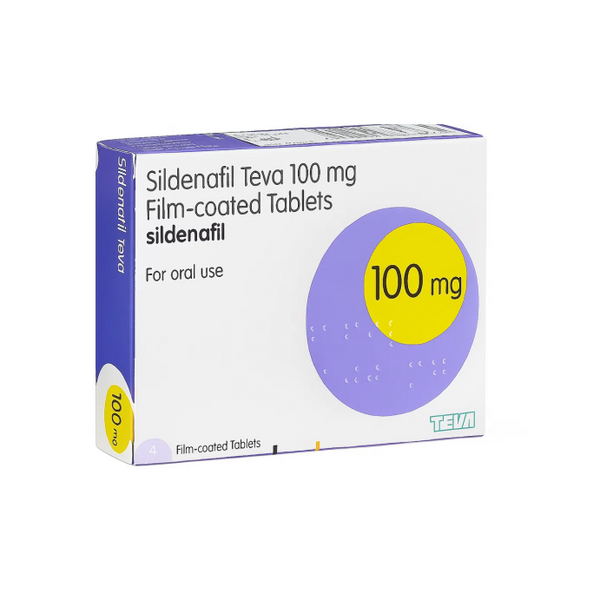
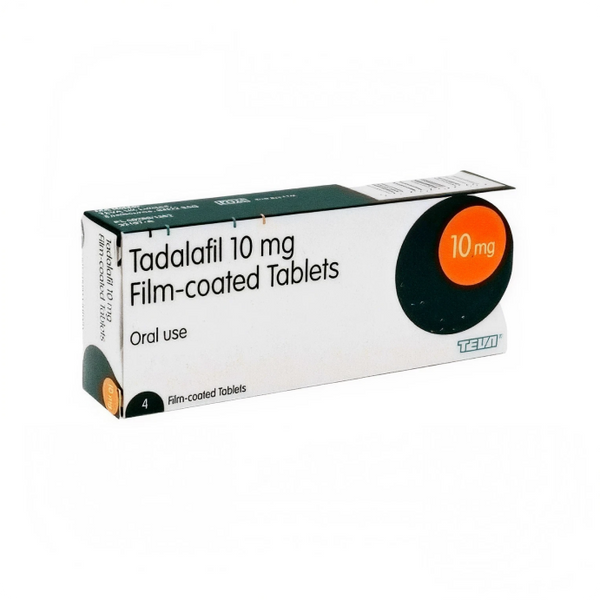
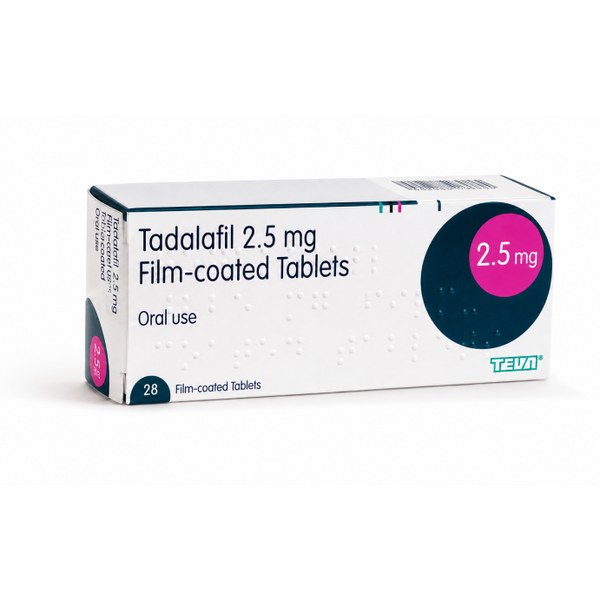
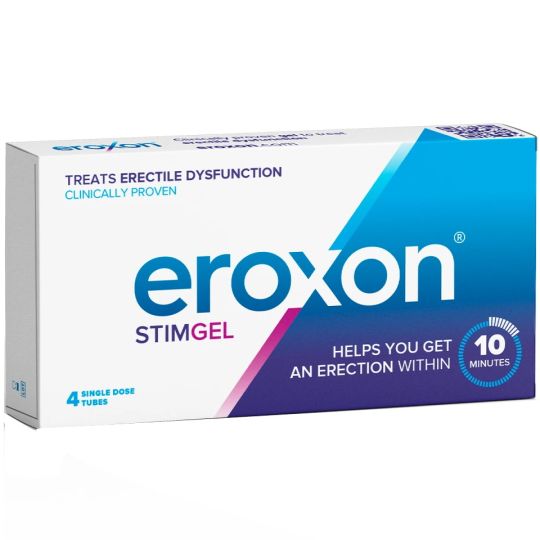
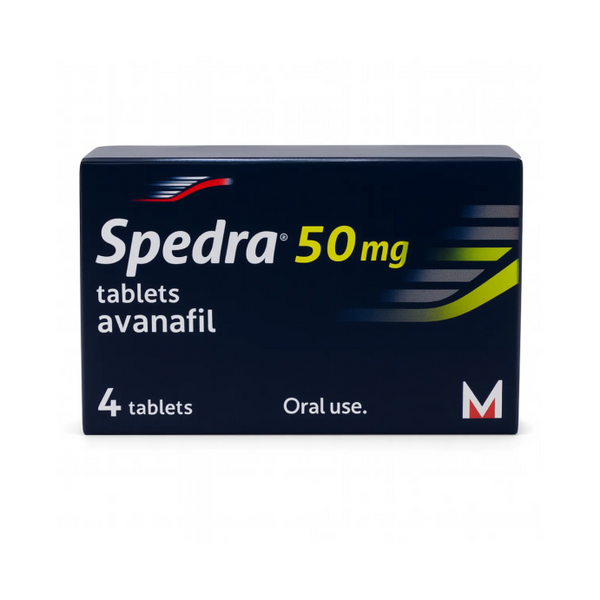
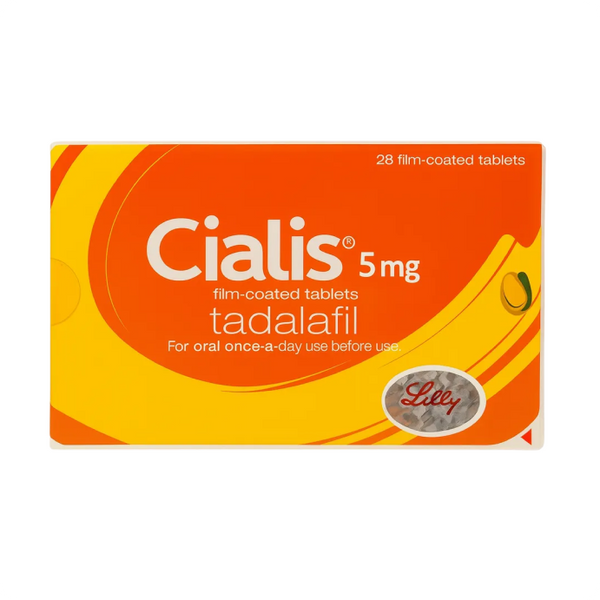
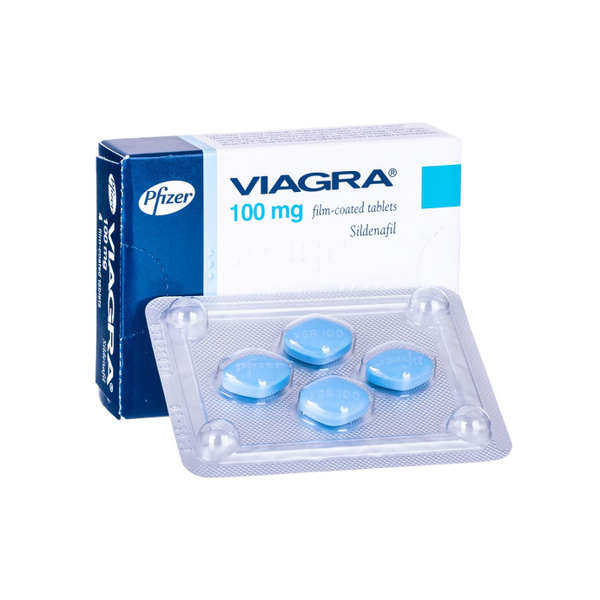
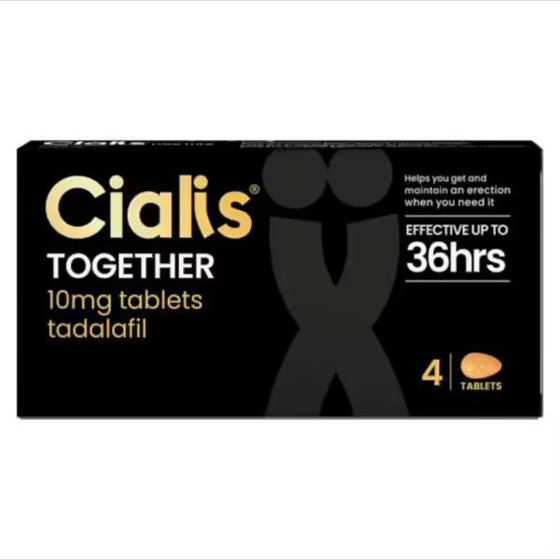
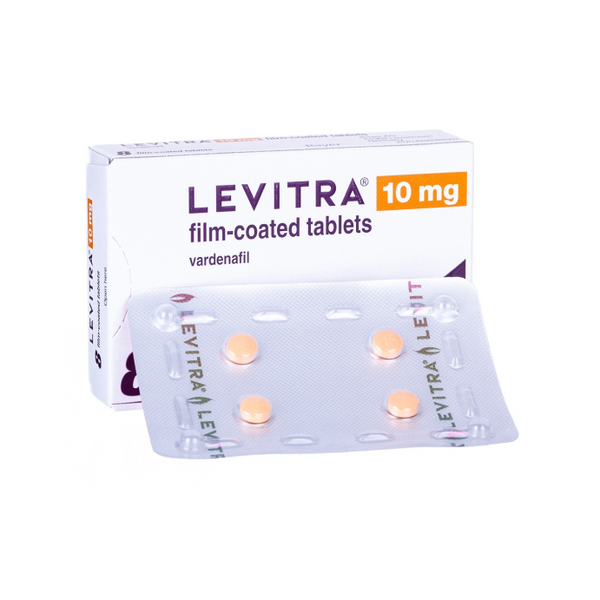
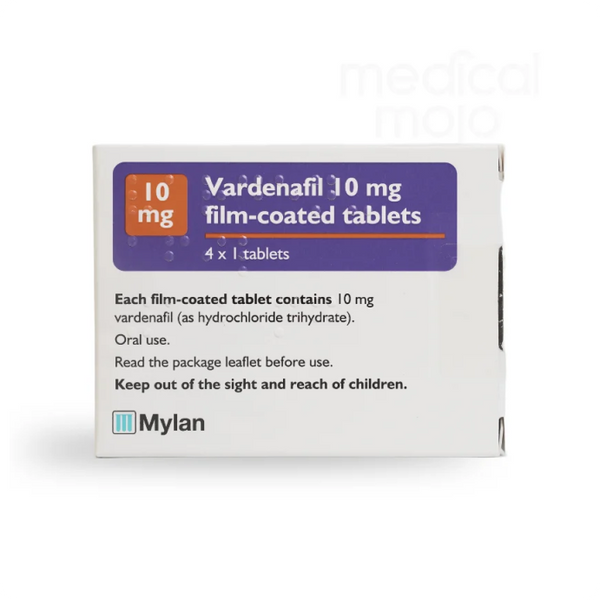
Treatment includes oral medications as medical treatments, mainly PDE5 inhibitors, the most commonly used first-line prescribed option, which help improve erectile dysfunction by improving blood flow to the penis but still require sexual stimulation to work, alongside non-drug options such as vacuum erection devices, which create a vacuum to draw blood into the penis, addressing an underlying condition directly, where testosterone replacement therapy may help if low testosterone is a confirmed contributor.
Lifestyle steps such as quitting smoking, losing weight, moderating alcohol, regular activity, pelvic floor exercises, and avoiding recreational medicines, illegal medicines, or illicit medicines.
None of these are mutually exclusive, and for many men the most effective approach combines more than one, with penile implants sometimes considered when other treatments fail. A full treatment guide covers each option, response rates, and how a prescriber decides what is right for you.

Does ED Affect All Men the Same Way?
ED does not affect all men in the same way. Younger men may have psychological or situational factors contributing to ED, while physical causes become increasingly common with age and with conditions such as diabetes or cardiovascular disease. However, these are patterns rather than rules, and more than one factor can be involved. An individual assessment is more useful than making assumptions based on age.
Common Myths About ED in Men
A few misconceptions come up often enough to be worth addressing directly. It is not just an older man's issue, younger men can and do experience it. It is not always psychological, and it is not always physical either, because dysfunction can reflect body-based and emotional causes, or both, depending on the individual. It does not mean something is permanently wrong, many cases improve significantly or resolve entirely with the right approach.
And needing treatment is not a sign of failure. ED is a common health problem with several established treatment options, and it does not necessarily mean that something is permanently wrong.
When Should a Man With ED Seek Help?
It is generally worth seeking advice if you are experiencing erectile dysfunction regularly for several weeks or more, if it is affecting your confidence, relationship or wellbeing, with open communication with a partner often helping reduce misunderstanding while assessment and treatment are being arranged, or if you have risk factors such as high blood pressure, high cholesterol or diabetes.
Persistent ED can sometimes be associated with underlying conditions such as diabetes, high blood pressure or cardiovascular disease, so it is worth discussing with a healthcare professional. Seek urgent medical help if you have a painful erection that lasts 4 hours or longer, or if ED occurs alongside chest pain, breathlessness or dizziness, particularly during physical activity or intimacy.
Frequently Asked Questions
What does ED mean in men specifically?
Is ED in men always a sign of a serious health problem?
What is the main cause of ED in men?
Can ED in men be treated without medication?
At what age does ED in men usually start?
Is ED in men treatable for everyone?
What is the difference between ED in men and low libido?
Does ED in men get worse with age?
Can young men get ED too?
How is ED in men usually diagnosed?
Is ED in men something to be embarrassed about?
Where should a man start if he thinks he has ED?
Spedra vs Tadalafil: What is Actually Different
Erectile Dysfunction Research: What Studies Show
Related Posts


Viagra Pharmacy UK: How Sildenafil Supply Works

Do You Need a Prescription for Viagra in the UK?

Can You Buy Viagra Over the Counter in the UK?


Viagra Price UK: Understanding Sildenafil Costs