
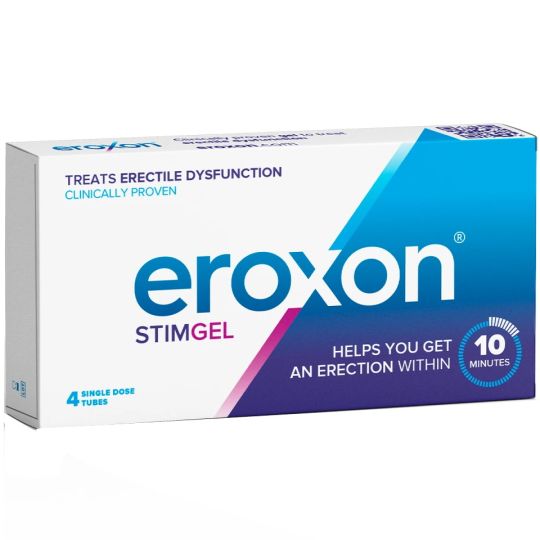
Eroxon Stimgel - 4 Pack
From £19.89
10% OFF
All Treatments
Account
Overview
Account
Overview
Treatments
Account
Understanding what Viagra does can help partners support each other through erectile dysfunction treatment. Viagra contains sildenafil, which increases blood flow to help achieve and maintain erections during sexual activity. This guide explains how Viagra works, what to expect, and how partners can navigate ED treatment together. EverydayMeds offers both branded Viagra and generic sildenafil options following online consultation.
From £19.89
From £3.99

From £28.99

From £22.99

From £27.99

From £44.99

From £23.99

From £8.49
From £32.99


When PDE5 is suppressed, blood is able to flow more freely through the body—including to the (you guessed it) penis.

More blood flow to the penis means harder, more satisfying erections once you're sexually stimulated.
Viagra contains sildenafil citrate, a PDE5 inhibitor that works by blocking an enzyme that restricts blood flow to the penis. When your partner takes Viagra, it doesn't automatically create an erection. Instead, it enhances the natural response to sexual arousal by improving blood flow. This means intimacy and attraction remain essential parts of the process, helping maintain the emotional connection between partners.
Viagra typically begins working within 30-60 minutes of taking a tablet. The effects can last up to 4-6 hours, though this doesn't mean an erection will last this entire duration. Your partner may find that timing is important - taking Viagra on an empty stomach often works faster than after a heavy meal. Common dosages include 25mg, 50mg, and 100mg tablets, with 50mg being the typical starting dose that can be adjusted based on effectiveness and any side effects.
Open communication plays a crucial role in successful ED treatment. Discussing expectations beforehand can reduce performance anxiety, which can interfere with Viagra's effectiveness. Many couples find that removing pressure around sexual performance actually improves their overall experience. Remember that Viagra treats the physical aspects of erectile dysfunction, but emotional support from partners often enhances the treatment's success.
EverydayMeds offers both branded Viagra and generic sildenafil, allowing patients to choose based on preference and budget. Both contain the same active ingredient and work identically. Some people prefer the branded version for reassurance, while others choose generic sildenafil for its cost-effectiveness. The clinical consultation process helps determine the most suitable option and dosage.
If Viagra doesn't seem effective after several attempts, this doesn't necessarily mean the treatment has failed. Factors like stress, alcohol consumption, or underlying health conditions can affect results. Partners should encourage seeking additional medical advice if concerns arise, as dosage adjustments or alternative treatments might be beneficial.
It's one of the most common conditions we treat, and one of the most treatable.

Achieve your goals in just a few simple steps.

Select safe UK treatments. Quick answers.

Our expert team will use your consultation as the basis of our recommendation and communicate with you.

We’ll deliver direct to you, as quickly as tomorrow.