
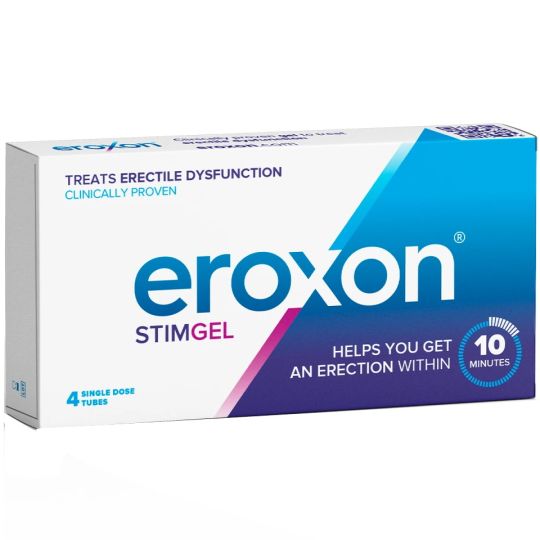
Eroxon Stimgel - 4 Pack
From £19.89
10% OFF
All Treatments
Account
Overview
Account
Overview
Treatments
Account
Viagra works by increasing blood flow to help treat erectile dysfunction, but headaches are a common side effect experienced by some patients. Understanding how Viagra functions and why headaches occur can help you manage this side effect effectively. EverydayMeds offers both branded Viagra and generic sildenafil, giving you treatment options at different price points whilst maintaining the same active ingredient and effectiveness.
From £19.89
From £3.99

From £28.99

From £22.99

From £27.99

From £44.99

From £23.99

From £8.49
From £32.99


When PDE5 is suppressed, blood is able to flow more freely through the body—including to the (you guessed it) penis.

More blood flow to the penis means harder, more satisfying erections once you're sexually stimulated.
Viagra contains sildenafil citrate, which belongs to a class of medicines called PDE5 inhibitors. When you become sexually aroused, your body naturally releases nitric oxide, which increases blood flow to the penis. Viagra works by blocking the PDE5 enzyme that normally breaks down this process, allowing increased blood flow to continue. This enhanced circulation helps achieve and maintain an erection during sexual activity.
The same mechanism that increases blood flow to the penis can also affect blood vessels throughout your body, including those in your head. This vasodilation (widening of blood vessels) may cause headaches in some patients. Studies indicate that approximately 16% of men taking sildenafil experience headaches, making it one of the most common side effects reported.
If you experience headaches when taking Viagra, several strategies may help. Ensure you drink plenty of water before and after taking your dose, as dehydration can worsen headaches. Taking paracetamol according to package instructions is generally safe with Viagra, though you should consult your prescriber first. Avoid alcohol, which can increase the likelihood of headaches and reduce Viagra's effectiveness.
EverydayMeds provides both branded Viagra and generic sildenafil following an online consultation with UK-licensed prescribers. Both contain the same active ingredient (sildenafil citrate) and work identically, with generic sildenafil offering a more cost-effective option. Available doses include 25mg, 50mg, and 100mg tablets. Your prescriber may recommend starting with a lower dose if you experience troublesome headaches, as side effects are often dose-related.
Whilst mild headaches are common and usually manageable, you should contact your prescriber if headaches are severe, persistent, or accompanied by vision changes. Your healthcare provider may adjust your dose or consider alternative treatments. Never exceed one dose in 24 hours, and always follow the prescribed dosing instructions provided with your medication.
It's one of the most common conditions we treat, and one of the most treatable.

Achieve your goals in just a few simple steps.

Select safe UK treatments. Quick answers.

Our expert team will use your consultation as the basis of our recommendation and communicate with you.

We’ll deliver direct to you, as quickly as tomorrow.