
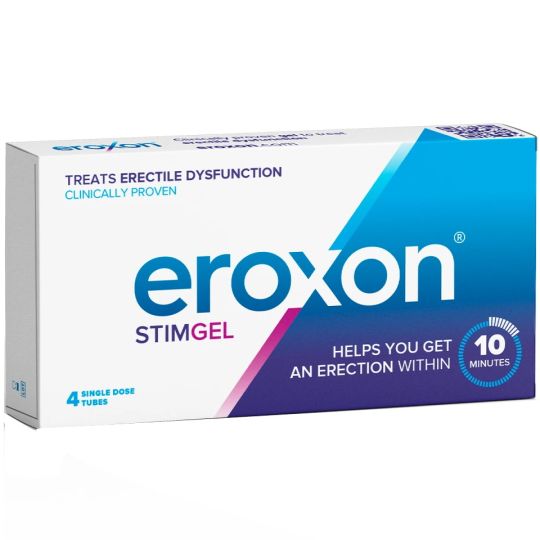
Eroxon Stimgel - 4 Pack
From £19.89
10% OFF
All Treatments
Account
Overview
Account
Overview
Treatments
Account
Understanding the safety profile of tablet Viagra is crucial for anyone considering erectile dysfunction treatment. Viagra contains sildenafil citrate, a well-researched medication with over 25 years of clinical use. Whilst generally safe when prescribed appropriately, it's essential to understand potential side effects, contraindications, and drug interactions. EverydayMeds offers both branded Viagra and generic sildenafil options, allowing patients to choose based on their preferences and budget whilst maintaining the same safety standards.
From £19.89
From £3.99

From £28.99

From £22.99

From £27.99

From £44.99

From £23.99

From £8.49
From £32.99


When PDE5 is suppressed, blood is able to flow more freely through the body—including to the (you guessed it) penis.

More blood flow to the penis means harder, more satisfying erections once you're sexually stimulated.
Viagra (sildenafil citrate) has one of the most comprehensive safety databases of any erectile dysfunction medication. Since its approval in 1998, millions of men worldwide have used tablet Viagra safely under medical supervision. Clinical trials involving over 4,000 participants demonstrated that when prescribed appropriately, serious adverse events are rare. The medication works by inhibiting the PDE5 enzyme, which increases blood flow to the penis during sexual arousal.
Most men who take Viagra experience no side effects at all. When side effects do occur, they're typically mild and temporary. The most frequently reported include headaches (affecting approximately 16% of users), facial flushing (10%), and nasal congestion (4%). These effects usually resolve within a few hours as the medication clears from your system. Indigestion and temporary visual disturbances, such as a blue tinge to vision, may also occur but are generally harmless.
Whilst rare, certain serious side effects require immediate medical attention. Priapism, an erection lasting more than four hours, affects fewer than 1 in 1,000 users but requires emergency treatment. Sudden vision or hearing loss, though extremely uncommon, should prompt immediate medical consultation. These risks emphasise the importance of proper medical assessment before starting treatment.
Certain medical conditions and medications make Viagra unsuitable or potentially dangerous. Men taking nitrate medications for chest pain (such as GTN spray or isosorbide tablets) must never use sildenafil due to the risk of severe blood pressure drops. Those with recent heart attacks, strokes, or severe heart disease require careful evaluation. Severe liver problems, very low blood pressure, and certain eye conditions may also preclude safe use.
Viagra can interact with various medications, potentially affecting how they work or increasing side effects. Alpha-blockers used for prostate problems or high blood pressure may cause additional blood pressure reduction. Some HIV medications, antifungal drugs, and antibiotics can increase sildenafil levels in the blood, requiring dose adjustments. Always inform your prescriber about all medications, including over-the-counter drugs and supplements.
Given that sexual activity places demands on the heart, cardiovascular health is particularly important when considering erectile dysfunction treatment. Viagra itself doesn't typically cause heart problems in healthy men, but the combination of underlying heart disease and sexual activity may pose risks. Your prescriber will assess your cardiovascular fitness and may recommend tests if there are concerns about your heart health.
Older men may be more sensitive to Viagra's effects and more likely to have underlying health conditions or take multiple medications. Starting with a lower dose (25mg) is often recommended for men over 65. Kidney and liver function naturally decline with age, potentially affecting how the body processes sildenafil, which is why careful dose selection becomes increasingly important.
Both branded Viagra and generic sildenafil contain the same active ingredient and have identical safety profiles. Generic sildenafil undergoes rigorous testing to ensure bioequivalence with the original Viagra formulation. At EverydayMeds, patients can choose between branded and generic options during checkout, with both requiring the same thorough clinical assessment to ensure safe prescribing.
It's one of the most common conditions we treat, and one of the most treatable.

Achieve your goals in just a few simple steps.

Select safe UK treatments. Quick answers.

Our expert team will use your consultation as the basis of our recommendation and communicate with you.

We’ll deliver direct to you, as quickly as tomorrow.