
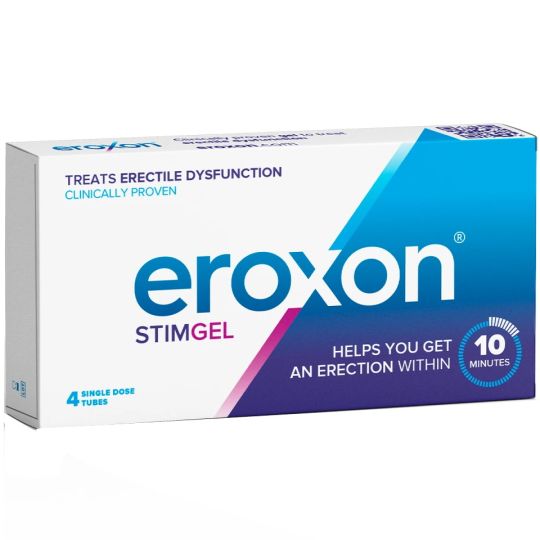
Eroxon Stimgel - 4 Pack
From £19.89
10% OFF
All Treatments
Account
Overview
Account
Overview
Treatments
Account
Viagra (sildenafil citrate) has been extensively studied for erectile dysfunction treatment since its approval in 1998. With over 25 years of clinical research and real-world evidence, it remains one of the most thoroughly researched ED treatments available. Understanding the scientific evidence can help you make informed decisions about ED treatment options, including both branded Viagra and generic sildenafil alternatives.
From £19.89
From £3.99

From £28.99

From £22.99

From £27.99

From £44.99

From £23.99

From £8.49
From £32.99


When PDE5 is suppressed, blood is able to flow more freely through the body—including to the (you guessed it) penis.

More blood flow to the penis means harder, more satisfying erections once you're sexually stimulated.
The initial approval of Viagra was based on multiple randomised, double-blind, placebo-controlled trials involving over 4,000 men with erectile dysfunction. These pivotal studies demonstrated that sildenafil significantly improved erectile function compared to placebo, with success rates ranging from 56% to 84% depending on the underlying cause of ED and dosage used.
One of the most comprehensive studies, published in the New England Journal of Medicine, followed 329 men over 24 weeks. Results showed that 69% of attempts at sexual intercourse were successful with sildenafil compared to 22% with placebo. The study established the optimal dosing regimen and confirmed the medication's safety profile.
Post-marketing surveillance studies have provided valuable insights into Viagra's effectiveness in real-world settings. A large-scale European study involving over 3,000 patients found that 74% of men experienced improved erections, with 82% of partners reporting satisfaction with treatment outcomes. These studies are particularly valuable as they reflect typical patient populations rather than the controlled environment of clinical trials.
Long-term safety studies spanning up to 4 years have consistently shown that sildenafil maintains its effectiveness over time without significant adverse effects in most patients. The discontinuation rate due to side effects remains low at approximately 3-5% across studies.
Head-to-head studies comparing different ED treatments have positioned Viagra as a first-line therapy. Research published in European Urology compared sildenafil with other PDE5 inhibitors and found comparable efficacy rates, with patient preference often determining the optimal choice. These studies support the availability of both branded Viagra and generic sildenafil options, allowing patients to choose based on their preferences and circumstances.
The National Institute for Health and Care Excellence (NICE) has reviewed the evidence for sildenafil multiple times, most recently updating their guidelines in 2022. NICE concludes that sildenafil is clinically effective and cost-effective for treating erectile dysfunction, supporting its availability through both NHS and private prescriptions.
British research has particularly focused on cardiovascular safety, given the overlap between ED and heart disease. The British Heart Foundation has endorsed the safety of sildenafil in men with stable cardiovascular disease, based on multiple UK studies involving over 2,000 patients.
Comprehensive safety data from clinical trials and post-marketing surveillance shows that serious adverse events are rare with sildenafil. The most common side effects include headache (16% of patients), facial flushing (10%), and nasal congestion (4%). These effects are typically mild to moderate and decrease with continued use.
Cardiovascular safety studies have been particularly thorough given sildenafil's mechanism of action. Research consistently shows no increased risk of heart attack or stroke in men without contraindications, though the medication should not be used with nitrate medications due to dangerous blood pressure interactions.
Quality of life studies have demonstrated that successful ED treatment with sildenafil extends beyond physical improvements. Research using validated questionnaires shows significant improvements in relationship satisfaction, self-confidence, and overall quality of life. Partner satisfaction studies indicate that 85% of partners notice improvements in relationship quality following successful ED treatment.
It's one of the most common conditions we treat, and one of the most treatable.

Achieve your goals in just a few simple steps.

Select safe UK treatments. Quick answers.

Our expert team will use your consultation as the basis of our recommendation and communicate with you.

We’ll deliver direct to you, as quickly as tomorrow.