
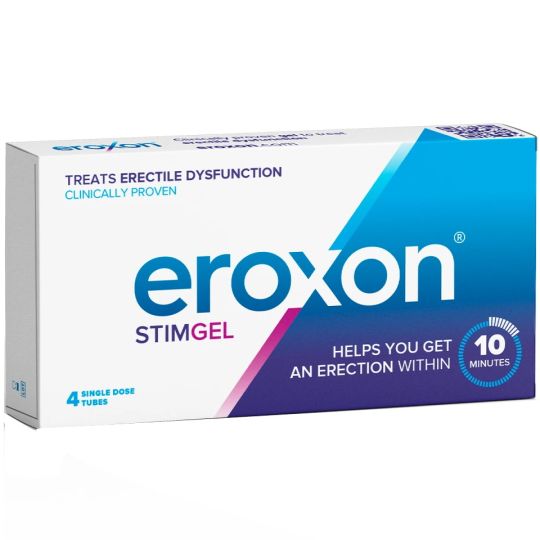
Eroxon Stimgel - 4 Pack
From £19.89
10% OFF
All Treatments
Account
Overview
Account
Overview
Treatments
Account
Viagra for men has been extensively studied since its approval, with over 25 years of clinical research demonstrating its efficacy and safety profile. Multiple randomised controlled trials involving thousands of participants have established sildenafil citrate as an effective treatment for erectile dysfunction. Research data from UK and international studies consistently shows positive outcomes across diverse patient populations. EverydayMeds provides access to both branded Viagra and generic sildenafil following clinical assessment. Understanding the robust evidence base helps men make informed decisions about ED treatment options available through prescription.
From £19.89
From £3.99

From £28.99

From £22.99

From £27.99

From £44.99

From £23.99

From £8.49
From £32.99


When PDE5 is suppressed, blood is able to flow more freely through the body—including to the (you guessed it) penis.

More blood flow to the penis means harder, more satisfying erections once you're sexually stimulated.
Viagra's development involved comprehensive Phase I, II, and III clinical trials conducted throughout the 1990s. The pivotal studies included over 3,000 men with erectile dysfunction across multiple countries, establishing the foundation for regulatory approval. These randomised, double-blind, placebo-controlled trials demonstrated significant improvement in erectile function compared to placebo groups. The research methodology followed gold-standard protocols, ensuring reliable and reproducible results that regulatory bodies like the MHRA could evaluate thoroughly.
Key efficacy measurements used standardised assessment tools including the International Index of Erectile Function (IIEF), providing objective metrics for treatment outcomes. Participants were stratified by age, underlying medical conditions, and ED severity, creating comprehensive data sets that inform prescribing guidelines today.
Extensive research has evaluated Viagra's effectiveness across diverse patient populations. Studies involving men aged 18-87 years consistently demonstrate positive outcomes, with response rates typically ranging from 70-85% depending on underlying health factors. Research specifically examining effectiveness in men with diabetes mellitus, cardiovascular disease, and post-prostatectomy patients shows maintained efficacy, though response rates may vary based on ED severity and duration.
Meta-analyses combining multiple clinical studies provide robust evidence of sildenafil's consistent performance across different demographics. These systematic reviews analyse data from thousands of participants, strengthening confidence in treatment outcomes. Research has also examined dose-response relationships, confirming that 25mg, 50mg, and 100mg dosing options allow for personalised treatment approaches.
Post-marketing surveillance studies involving millions of prescriptions have established Viagra's comprehensive safety profile. Large-scale epidemiological research tracks adverse events, drug interactions, and long-term effects across real-world usage patterns. The most extensive safety study followed over 60,000 patients for extended periods, documenting side effect frequencies and identifying risk factors for adverse reactions.
Cardiovascular safety research has been particularly thorough, given early concerns about interactions with nitrate medications. Multiple studies examining cardiac effects in men with existing heart conditions provide evidence-based guidance for safe prescribing. Research demonstrates that when prescribed appropriately following clinical assessment, sildenafil presents acceptable cardiovascular risk profiles for most patients.
Head-to-head clinical trials comparing branded Viagra with generic sildenafil formulations confirm bioequivalence and therapeutic equivalence. These studies demonstrate that generic versions contain identical active ingredients with comparable absorption rates, peak blood levels, and clinical outcomes. Research supports patient choice between branded and generic options without compromising effectiveness.
Comparative studies also examine sildenafil against other PDE5 inhibitors, providing evidence for treatment selection decisions. Network meta-analyses incorporating multiple comparison studies help clinicians and patients understand relative benefits and side effect profiles across different ED medications.
Extended follow-up research spanning several years demonstrates sustained effectiveness with continued use. Longitudinal studies show that most men maintain positive treatment responses over time, with minimal development of tolerance or reduced efficacy. Research indicates that treatment satisfaction remains high across extended usage periods, supporting long-term treatment strategies.
Quality of life assessments integrated into long-term studies document improvements beyond erectile function, including enhanced relationship satisfaction and reduced ED-related distress. These comprehensive outcome measures provide evidence for holistic treatment benefits extending beyond primary physiological effects.
British clinical research has contributed significantly to the global evidence base for Viagra effectiveness. UK-based studies examine treatment outcomes within NHS populations, providing relevant data for domestic prescribing practices. Research conducted through British universities and healthcare institutions confirms international findings while identifying any population-specific considerations.
Real-world evidence studies using UK prescription databases analyse treatment patterns, adherence rates, and effectiveness across diverse patient populations. These observational studies complement controlled clinical trials by examining outcomes in routine clinical practice, providing valuable insights for prescribers and patients considering treatment options through services like EverydayMeds.
It's one of the most common conditions we treat, and one of the most treatable.

Achieve your goals in just a few simple steps.

Select safe UK treatments. Quick answers.

Our expert team will use your consultation as the basis of our recommendation and communicate with you.

We’ll deliver direct to you, as quickly as tomorrow.