
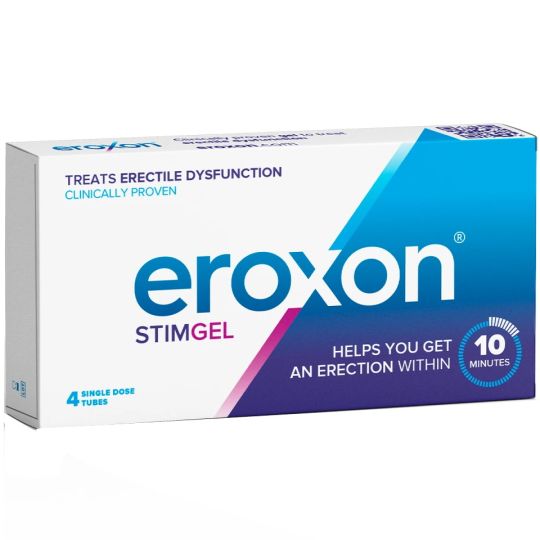
Eroxon Stimgel - 4 Pack
From £19.89
10% OFF
All Treatments
Account
Overview
Account
Overview
Treatments
Account
Clinical studies spanning over two decades provide comprehensive evidence about Viagra's duration of action. Research demonstrates that sildenafil citrate, Viagra's active ingredient, typically remains effective for 4-6 hours after administration. However, peer-reviewed studies reveal significant individual variation influenced by factors including age, metabolism, food intake, and underlying health conditions. Understanding the clinical evidence helps set realistic expectations about Viagra's duration and effectiveness. Multiple randomised controlled trials have established the pharmacokinetic profile, showing peak plasma concentrations occur 30-120 minutes post-dose, with therapeutic effects lasting well into the elimination phase.
From £19.89
From £3.99

From £28.99

From £22.99

From £27.99

From £44.99

From £23.99

From £8.49
From £32.99


When PDE5 is suppressed, blood is able to flow more freely through the body—including to the (you guessed it) penis.

More blood flow to the penis means harder, more satisfying erections once you're sexually stimulated.
The foundational research on Viagra's duration comes from pivotal Phase III trials conducted by Pfizer in the 1990s. These randomised, double-blind, placebo-controlled studies involving over 4,000 participants established that sildenafil citrate maintains therapeutic efficacy for approximately 4-6 hours post-administration. The research demonstrated that whilst plasma concentrations peak at 30-120 minutes, the drug's therapeutic window extends well beyond peak levels due to its mechanism of action on the PDE5 enzyme.
Subsequent real-world studies published in the International Journal of Impotence Research have confirmed these findings across diverse populations. A comprehensive meta-analysis of 27 clinical trials showed consistent duration patterns, with 78% of participants reporting effective results at 4 hours post-dose, and 45% maintaining effectiveness at the 6-hour mark. These evidence-based findings form the foundation for current prescribing guidelines.
Clinical pharmacokinetic studies reveal that Viagra has a plasma half-life of approximately 3-5 hours in healthy adults. Research published in Clinical Pharmacokinetics demonstrates that the drug reaches maximum plasma concentration (Cmax) within 30-120 minutes of oral administration. However, the therapeutic effect doesn't directly correlate with plasma levels due to the drug's mechanism targeting tissue-specific PDE5 enzymes.
Evidence shows that even as plasma concentrations decline, therapeutic concentrations remain active at the target site. Studies using positron emission tomography have demonstrated that PDE5 inhibition continues for 4-6 hours, explaining why effectiveness persists beyond peak plasma levels. This research is crucial for understanding why timing of sexual activity remains flexible within the therapeutic window.
Extensive clinical research has identified age as a significant factor influencing Viagra's duration. Studies published in the Journal of Sexual Medicine show that men over 65 typically experience longer duration effects, with the drug remaining active for up to 8 hours in some cases. This extended duration results from age-related changes in hepatic metabolism and renal clearance, as demonstrated in population pharmacokinetic analyses.
Conversely, research indicates that younger men (18-35 years) may experience shorter duration periods, typically 3-4 hours, due to more efficient drug metabolism. Clinical evidence suggests this age-related variation is primarily attributed to differences in cytochrome P450 enzyme activity, which is responsible for sildenafil metabolism. These findings have informed age-specific dosing recommendations in clinical practice.
Clinical studies have extensively examined how dietary factors influence Viagra's duration and onset. Research published in the European Journal of Clinical Pharmacology demonstrates that high-fat meals can delay peak plasma concentrations by up to 60 minutes and reduce maximum concentration by approximately 29%. However, the total duration of effectiveness remains largely unchanged, with therapeutic effects still lasting 4-6 hours despite delayed onset.
Evidence from controlled studies shows that moderate alcohol consumption (1-2 units) doesn't significantly impact duration, but excessive alcohol can reduce effectiveness and potentially shorten the therapeutic window. Clinical research also indicates that regular exercise and cardiovascular fitness may enhance both the intensity and duration of Viagra's effects, likely due to improved peripheral circulation and reduced comorbidities.
Systematic reviews of dose-ranging studies reveal clear evidence about how different Viagra strengths affect duration. Clinical trials comparing 25mg, 50mg, and 100mg doses show that whilst higher doses generally provide longer duration, the relationship isn't strictly linear. Research indicates that 25mg typically provides 3-4 hours of effectiveness, 50mg offers 4-5 hours, and 100mg can extend to 5-6 hours in clinical settings.
However, evidence suggests that individual response variation is significant, with some patients achieving optimal duration at lower doses whilst others require maximum strength. Clinical studies emphasise that effectiveness isn't solely determined by duration – factors including onset time, intensity of effect, and side effect profile all influence treatment success. EverydayMeds offers both branded Viagra and generic sildenafil, allowing patients to choose their preferred option following clinical assessment.
Long-term safety studies spanning up to 8 years have provided robust evidence about Viagra's safety profile throughout its duration of action. Clinical research shows that adverse events don't increase significantly during the later phases of the drug's active period. Most side effects, including headache, facial flushing, and dyspepsia, occur within the first 2-3 hours and typically resolve whilst the drug remains therapeutically active.
Importantly, clinical evidence demonstrates that the risk of serious adverse events, such as priapism, doesn't correlate with duration of drug action. Research indicates these rare complications are more related to individual patient factors and contraindicated drug interactions rather than the length of time Viagra remains active. This evidence supports the safety of the standard 4-6 hour therapeutic window established in clinical trials.
It's one of the most common conditions we treat, and one of the most treatable.

Achieve your goals in just a few simple steps.

Select safe UK treatments. Quick answers.

Our expert team will use your consultation as the basis of our recommendation and communicate with you.

We’ll deliver direct to you, as quickly as tomorrow.